Patho Exam #3
 Call Kai
 Learn
 Practice Test
 Spaced Repetition
 Match
 Flashcards
 Knowt Play
1/78

There's no tags or description
Looks like no tags are added yet.
79 Terms
Signs of hypoxia
Anxiousness
Fast breathing
Fast heart rate
Hypoxia vs hypoxemia
Hypoxia:
Low O2 in organs and tissues
Hypoxemia
Low O2 in blood
another name for open fracture
compound
grinding/popping sound of bone rubbing on bone
crepitus
What is the normal pH and how does the respiratory system help regulate it
7.35-7.45
Increased breathing- Expels CO2 which raises pH
Decreased breathing- Retains CO2 which lowers pH
Influenza vs infections rhinitis (common cold)
infections rhinitis
Caused by rhinovirus
2-3 days
Sinusitis symptoms
Inflammation of sinus cavities
Nasal pain and nasal congestion
what is it called when a bone is not healed in more than 6 months
non-union
Epiglottitis
what is it
What causes it
Common symptoms
What risks?
inflammation of epiglottis
Caused by HIB
Difficulty swallowing and drooling with mouth open
Blocking airway
Laryngitis
Inflammation of larynx
typically because of overuse
Hoarseness and raw feeling in throat
Rest voice
Atelectasis
What is it
Causes
Prevention
What is it
Collapse of alveoli
Causes
lung compression
Prevention
Increase mobility, cough, incentive spirometry
Pleural effusion
what is it
Causes
Excessive fluid in pleural cavity (space around lungs)
Fluid may be body fluid, pus, blood
Trauma or pneumonia
Pneumothorax
what is it
Symptoms
types
who is at risk
What is it
air in the pleural cavity that results in LUNG COLLAPSE
Symptoms
decreased breath sounds
Types
trauamatic
results from a penetrating injury
Tension
air is trapped and can displace the heart
Who is at risk
Tall stature, smoking
TB
What is it
symptoms
spreads by…
What is it
attacks lungs
Symptoms
coughing up blood, night sweats, unexplained wieght loss
HOw does it get spread
air droplets
Primary vs secondary TB
Primary
When the bacteria enters body
It can remain dormant for years
NOT INFECTIOUS YET but will test positive
SEcondaery
Reactivation of dormant bacteria
Symptoms develop
What is the only way to 100% be diagnosed with TB
Sputum culture
Lung Cancer
main causes
symptoms
SMOKING and asbestos exposure (construction)
Symptoms
persistant cough, coughing blood
cystic fibrosis
What is it
symptoms
What complications
What is it
Thick mucus that obstructs GI system and lungs
Symptoms
Recurrent lung infections
Moist crackles
complications
obstruction of airways bc of mucous
Lead to infections bc bacteria gets stuck in der
NUTRIENTS CANNOT absorb bc of mucous
Asthma
what happens in the lungs
triggers
what happens in lungs
airway inflammation
airway CONSTRICTION
brochoSPASMS
Triggers
allergens, stress, smoke, exercise
Risk facotrs for COPD
Trouble breathing in or out?
SMOKING
out
Differences between emphysema and chronic bronchitis
Emphysema
PINK PUFFERS
damage to alveolar walls lead to PERMANENTLY INFLATED ALVEOLI
become barrel chested
Anorexia
Chronic bronchitis
BLUE BLOATERS
inflammation of bronchi
productive cough bc of EXCESSIVE MUCOUS PRODUCTION
orthopnea
shortness of breath that happens when lying flat on back
Scoliosis
causes
Complications
Causes
Genetics, unequal leg length, spinal cord compression
Complications
Pulmonary compromise!!
Chronic pain
Degenerative arthritis on spine
Types of fractures
Complications of fractures
Deep vein thrombosis
Fat emboli syndrome
Compartment syndrome
what is it
How would you know it is occuring
serious condition that is swelling in fascia which cuts off nerves and blood vessels
Pain out of proportion to the injury
Osteomyelitis
What is it
What can cause it
What is it
Infection of bone
What can cause it
surgical contamination, open wound fracture, metal plates/screws
Rickets/Osteomalacia
What is it
Cause
Symptoms
What it is
Soft and weak bones
Main Cause
Vitamin D deficiency
Symptoms
Bowed legs, dental problems (soft teeth
Difference between dislocation and subluxation
Dislocation
Complete separation of joint
Subluxation
Partial separation
Sprains vs Strains
Sprain
Over stretching or tearing of ligament
Ankle and knee most common
Strains
Stretching or tearing of tendons and muscles
Lower back most common
Ligament vs tendons
Ligaments
bone to bone
Tendons
Muscle to bone
Herniated disk
What is it
causes
effects/symptoms
What is it
Nucleus between two spine bones pushes out through a crack in outer layer, sometimes pressing on nearby nerves
Causes
Improper body mechanics, trauma, lifting heavy objects, degenerative changes
Effects and symptoms
may not have symptoms
Limited mobility
Back or leg pain

Ankylosing spondylitis
Progressive inflammatory disorder that starts in lower back and progresses up the spine
results in fusing
Osteoporosis
what is it
causes
risk factors
prevention
What is it
leaves bones BRITTLE
Causes
dietary, menopause, physical inactivity
risk factors
being female, underweight, CORTICOSTERIODS
main prevention
weight bearing activities
Paget disease
what is occuring
What are risks
Occurring
Excessive bone destruction and then replaced by chalky and weak bone
Results in misshapen or thickened bones
Risks
PATHOLOGICAL FRACTURES,
Osteoarthritis vs rheumatoid arthritis
Osteo-
Caused by excessive mechanical stress on the joint
Cartilage breaks down then bone rubs on bone
Inflammation RESULTS from it
ONE SIDED
rheumatoid-
Autoimmune
Starts with inflammation which eventually pushes joint out of place
BOTH SIDES
Types of arthritis
Osteoarthritis
Cartledge break down bc of stress
rheumatoid
Autoimmune inflammation
Infectious (septic)
Bacterial infection in joint
Psoriatic
associated with psoriasis
Gout
What is it
Triggers
What is a tophus
What is it
Deposits of uric acid crystals in tissues and fluids
Triggers
Eating diet rich in meat or seafood (purines)
Tophus
Hard swollen lump that occurs
Muscular dystrophy (do not need to know individual types)
common factors
Symptoms
What is it
Genetic degeneration of MUSCLE
Symptoms
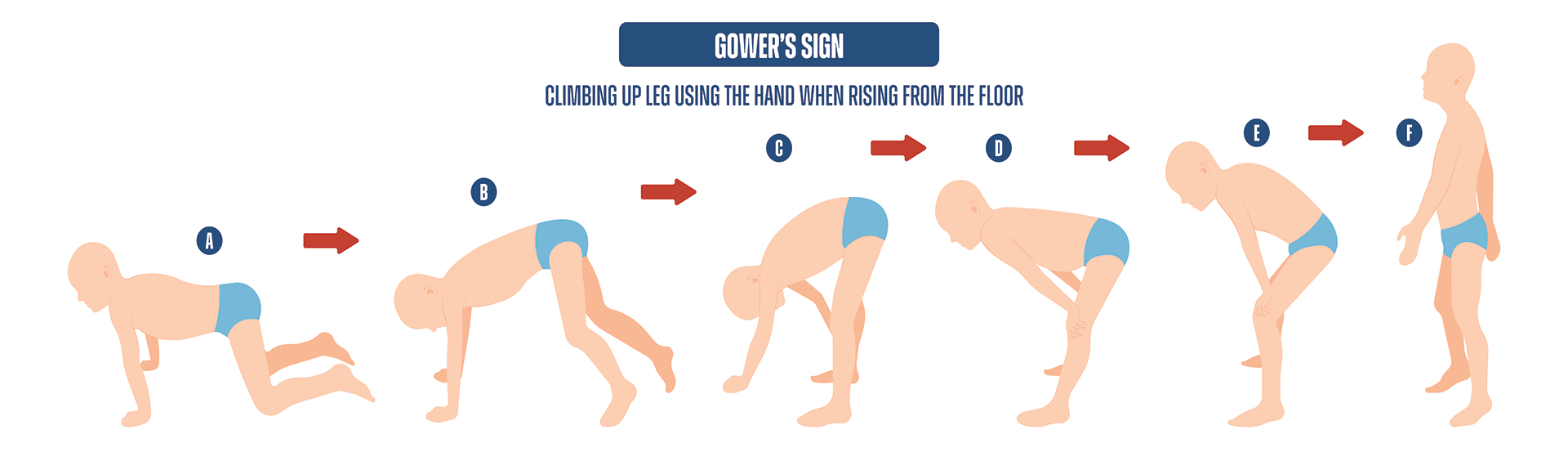
Bone pain (most dominant), gowers manuever in children, poor coordination
Bone tumors
Where do most originate from
Complications/symptoms
Originate from
Mostly from secondary tumors
Complicatios
Pathological fractures, bone pain
Types of bone cancers
Types:
Osteosarcoma
Begins in BONE CELLS
most common
Chondrosarcoma
In cartilage cells (ends of bones)
Ewings sarcoma
Aggressive, origin unknown
Multiple myeloma
In bone marrow
Fibromyalgia
symptoms
how to diagnose
Extreme fatigue and widespread pain
Presence of pain at least three months duration and tenderness in 11 out of 18 pressure points
Disuse atrophy
Reduction of normal size muscle cells because of inactivity
Carpal tunnel syndrome
Pressure on MEDIAN nerve causing pins and needles in fingers on THUMB side
Delayed union (fracture complication)
3-6 months after fracture, bone pain is increasing
Malunion (fracture complication)
improper alignment
Nonunion (fracture complication)
Not healed in more than 6 months
Croup
Seal-like barking cough
Bonchitis
Inflammation of the bronchi

Bronchiolitis
inflammation of small bronchioles
ALSO CALLED RSV
commonly in cold months
Right and left symptoms of a stroke
right-
Visual and spatial awareness
IMPULSIVE and UNAWARE OF DEFICITS
Ignore left side
Left-
Language, math, analytical
MORE EMOTIONAL bc Understands what limitations they have
More slow and cautious
Ischemic vs hemorrhagic stroke
differences
most common
most fatal
biggest risk factors
differences
Ischemic- vessel occlusion bc of clot or plaque
Hemorrhagic- vessels rupture so bleeding
most common
ischemic
most fatal
Hemorrhagic
biggest risk factors
A-FIB!!!!, HYPERTENSION, Blood thinners
Common symtoms of a stroke
headaches
Weakness/ numbness
difficulty with speech
Visual disturbances
Gait and balance problems
what’s the difference between TIA and stroke?
TIA is a warning sign for an ischemic stroke
revolves within 24 hours or less
What stroke is a TIA a predictor of
ischemic
Cerebral Aneurysm – risks and main cause
risks
Could put pressure on surrounding tissues, could leak or rupture,
HYPER TENSION BIGGEST CAUSE
Postictal period – what is it/what occurs
The time right after the seizure occurs
confusion, VERY TIRED (go into deep sleep)
Status epilepticus – what is it & what should you be concerned about with it
30 minutes or more of continuous seizure activity
Could cause reduced oxygenation, damage to neural tissue, brain not returning to normal functioning
Tension vs migrane headaches
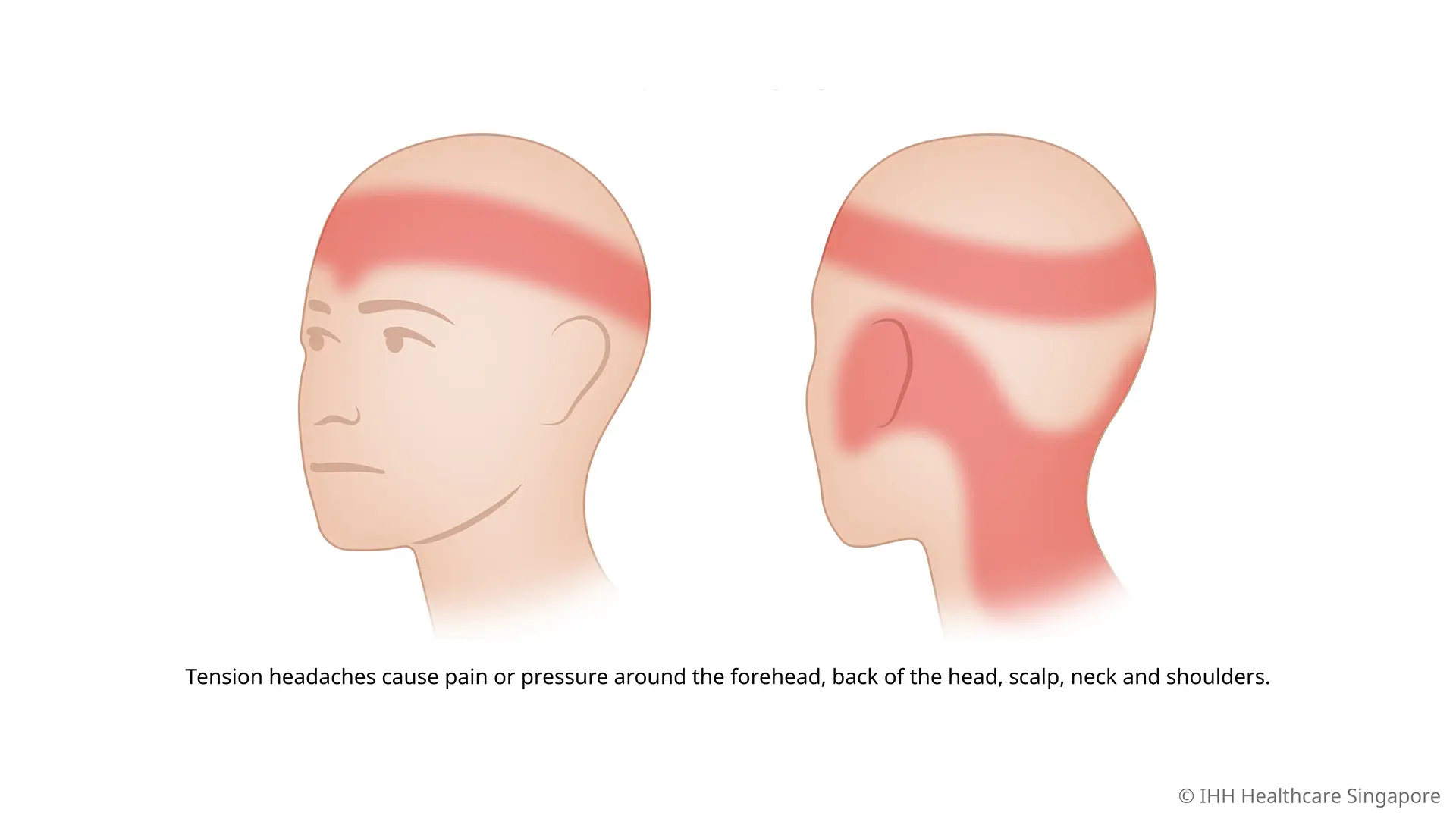
Tension
From muscle tension
Band of pain around head
Migraine
may have aura
nausea, photophobia
one sided usually
· Multiple Sclerosis –
o What is it (what’s occurring)
o Who’s at risk for it?
o Typical symptoms/progression
What is is
Nerves of spine and brain degenerate (myelin sheath)
Slows or stops nerve conduction
Who is at risk
Women
colder climate
Symptoms
weakness in one or more arm/leg
MUSCLE SPASMS
loss of balance/coordination
Parkinson’s disease –
what is it
typical symptoms/characteristics
Lack of dopamine
Results in tremors (ESP. PILL ROLLING) and difficulty initiating or continuing movement
Also mask-like appearance to face
· ALS –
o What is it?
o Typical symptoms
No nerve stimulation to VOLUNTARY muscles
Sensation and cognition remains intact
Fatal (3-5 year life expectancy
Symptoms
difficulty swallowing and talking, upper body gets spastic and lower gets limp
Guillain-Barre
What is it
Progression
What is it
3 weeks after infection, immune system attacks nerves resulting in TEMPORARY paralysis
Progression
Goes from ends of toes and fingers and ascends to CORE
Myasthenia Gravis
What is occurring
What are the symptoms/effects
Acetylcholine receptors are destroyed which causes weakness of voluntary muscles
Drooping eyelids, double vision, difficulty standing from chair
SYMPTOMS BETTER IN START OF DAY AND WORSE END OF DAY
Trigeminal neuralgia
sudden and brief one sided stabbing pain
Could be caused by trauma
Bells Palsy
One sided face (only on face) paralysis (FOREHEAD CANNOT WRINKLE)
temporary
· Meningitis –
Causes & which are worse
Risks – who’s at highest risk
How is it diagnosed
symptoms (including Kernig and Brudzinski signs)
inflammation of the surrounding of brain and spinal cord
bacteria or virus (bacterial is worse)
being in a communal setting…
If spinal fluid is clear- viral if cloudy and glucose-bacterial
Kernig and Brudzinski signs
flex of hips and knees when neck flexes
resistance to extending legs while hip flexing
FEVER and elevated CSF WBC

Encephalitis
What is it
Causes
inflammation of brain (in tissues)
Lyme disease, rabies, west nile…
Differences between Encephalitis and Meningitis
Location
Encephalitis - inside brain tissue
Meningitis- outside brain tissue
Brain herniation – what is it, when does it happen
displacement of brain tissue
caused by increased intercranial pressure
epidural hematoma vs subdural hematoma
epidural
loss on consciousness, short period of alertness, loss of consciousness again
ARTERIAL TEAR (so bleeds very fast)
Subdural
VEIN TEAR
slower bleeding

Cerebral contusion – description and symptoms including Coup/Countercoup
bruising of the brain
coup
initial area of brain impacts skull
Countercoup
opposite side of brain hits when it rebounds
Comes from sudden stop and start


Basilar skull fracture
Base of skull
Cerebral spinal fluid will leak out of ears and nose
INFECTION RISK
Bruising over eyes and behind ears
Aspiration pnuemonia
Food or liquid inhaled into the lungs
Lobular pnuemonia
Confined to a single lobe
bronchopnuemonia
Most frequent type
throughout several lobes
interstitial/ atypical pnuemonia
Occurs in areas between the alveoli
Legionnaire’s disease (pnuemonia)
thirves in warm and moist environments
AC units and hot tubs
Pneumocystic Carinii Pneumonia
Caused by yeast-like fungus