Chapter 19: Progressive Movements, Progressive Politics, 1879-1917 Vocabulary
 Call Kai
 Learn
 Practice Test
 Spaced Repetition
 Match
 Flashcards
 Knowt Play
1/20

Earn XP
Description and Tags
A vocabulary set of laws and terms regarding the Progressive Movements in Chapter 19.
21 Terms
18th Amendment/Volstead Act
An amendment ratified in 1919, banned the manufacture, sale and transportation of alcoholic beverages in the United States, leading to Prohibition. An act provided for the enforcement of this amendment, defining what constituted alcoholic beverages and detailing the legal framework for its implementation

Pure Food and Drug Act
A landmark 1906 law aimed at preventing the sale of adulterated or misbranded food and drugs. It required accurate labeling and established safety standards for consumer protection

Emergency Quota Act
A 1921 law that established numerical limits on immigration to the United States, aiming to reduce the flow of immigrants from southern and eastern Europe

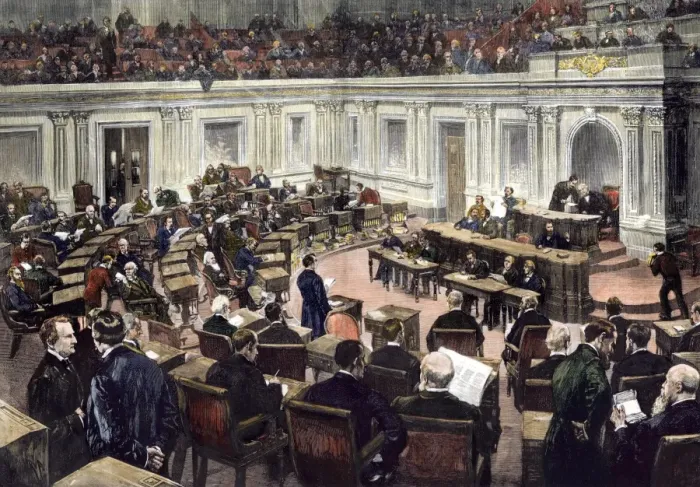
17th Amendment
An amendment ratified in 1913, established the direct election of U.S. Senators by the voters of each state, replacing the previous system where Senators were chosen by state legislatures
16th Amendment
An amendment that permitted Congress to levy an income tax on individuals and businesses in the United States

Workman Compensation Laws
A series of laws designed to ensure that employees receive compensation for injuries sustained at work, providing medical benefits and wage replacement

Federal Trade Commission
A U.S. government agency established in 1914 to promote consumer protection and prevent anti-competitive business practices by enforcing antitrust laws.
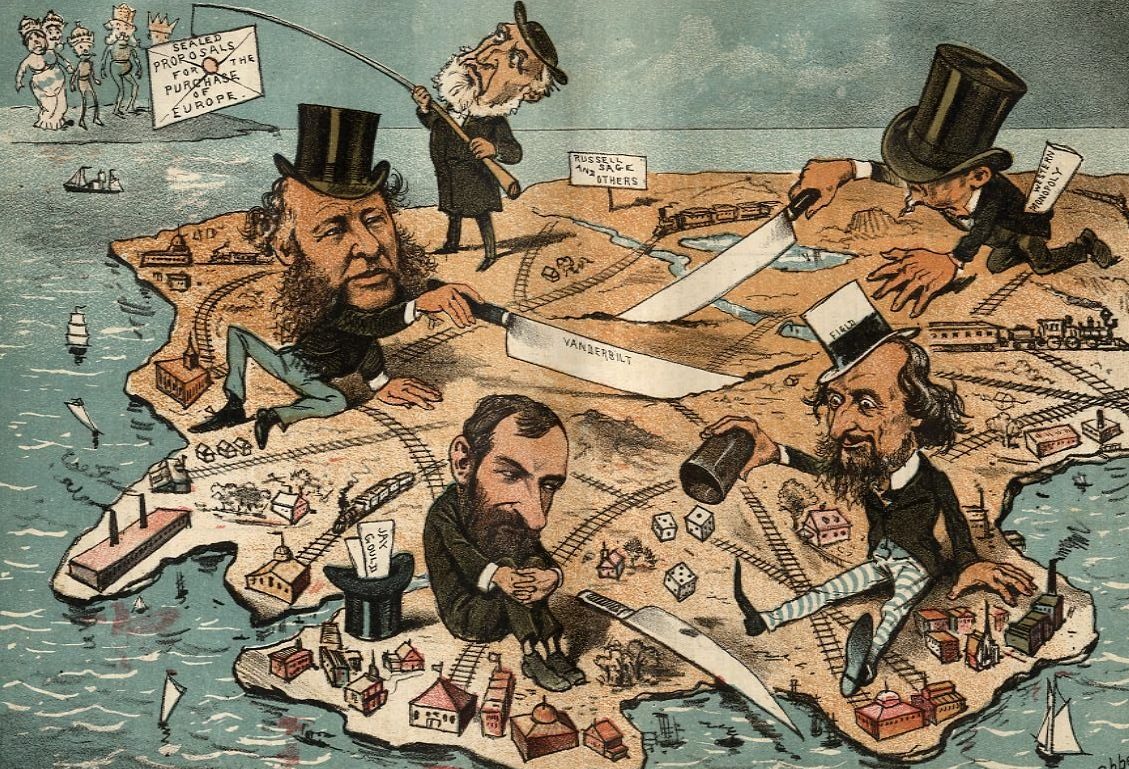
Recall, Initiative and Referendum
These are processes that allow voters to directly participate in their government by proposing legislation, removing elected officials or voting on specific laws

Secret ballot
A voting method in which a voter's choices are kept confidential, preventing intimidation, coercion and bribery at the polls

Elkins Act
A 1903 federal law that authorised the Interstate Commerce Commission to penalise railroads that offered rebates to favored shippers, as well as the shippers who accepted them

Adamson Act
A 1916 federal law that established an eight-hour workday, with additional pay for overtime work, for interstate railroad workers

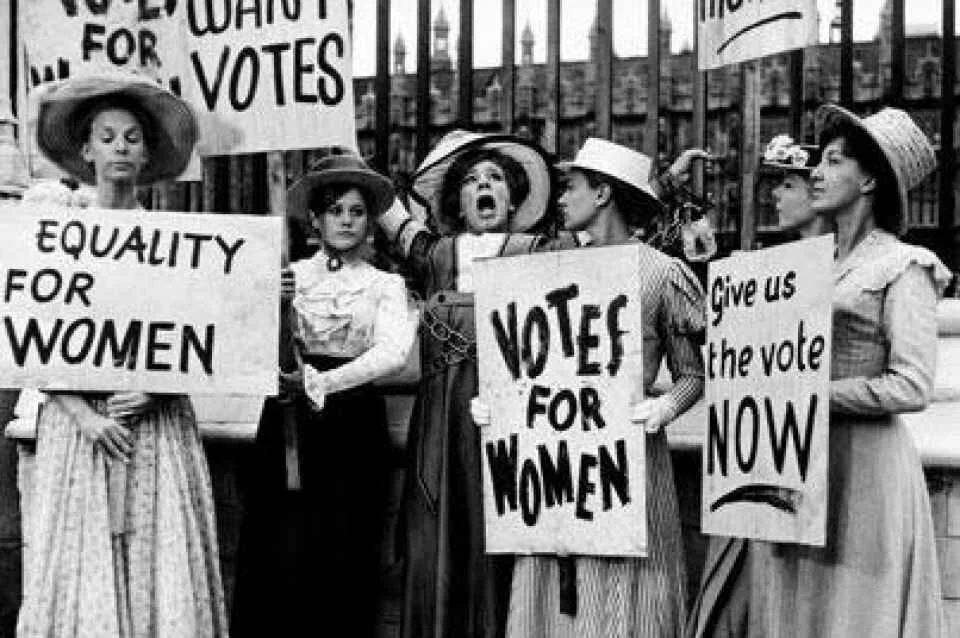
19th Amendment
A 1920 constitutional amendment that granted women the right to vote by prohibiting the denial of voting rights on the basis of sex
Mann-Elkins Act
A 1910 law whose purpose was to expand and strengthen the federal government’s regulatory powers over the transportation and communication industries

Keating-Owen Act
A 1916 law that represented the first major attempt by the U.S. federal government to regulate and restrict child labour

Clayton Act
A 1914 law whose primary purpose was to strengthen existing antitrust laws by explicitly banning specific anticompetitive business practices and protecting organised labour

Federal Reserve Act
A 1913 law that established the Federal Reserve System (the “Fed”), creating the modern central banking system of the United States to provide the nation with a safer, more flexible and more stable monetary and financial framework
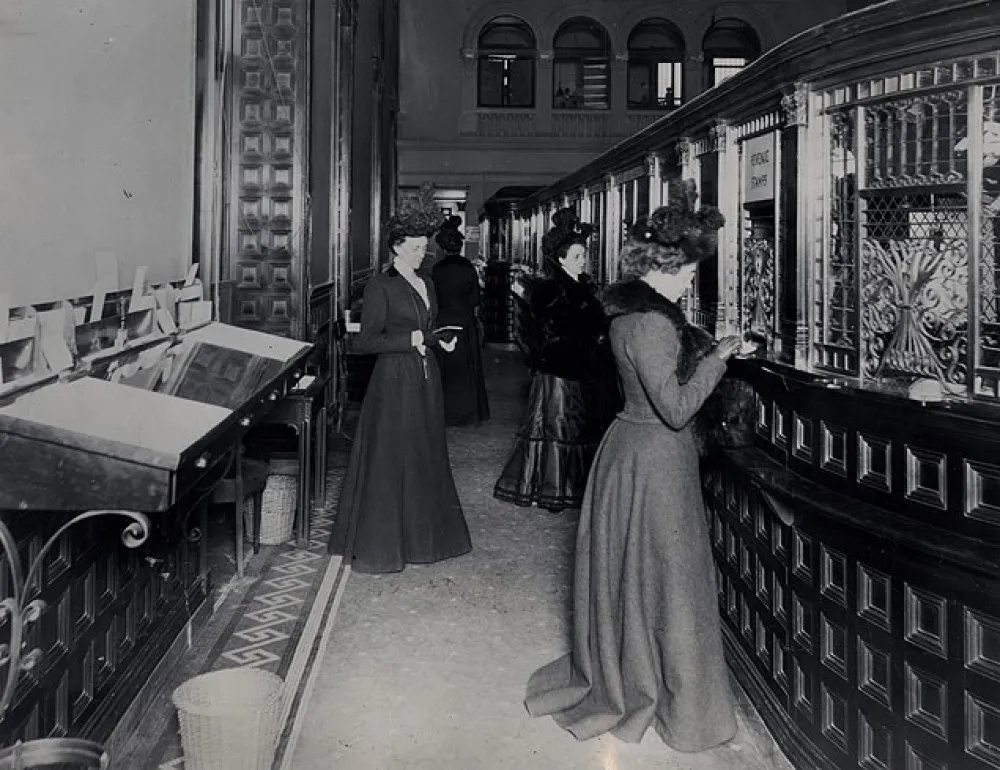
Mann Act
A 1910 law whose primary goal was to combat human trafficking and prostitution

Meat Inspection Act
A 1906 law whose primary purpose was to protect public health by ensuring that meat and meat products were processed under strict sanitary conditions and were truthfully labelled

8-hour day
A standard labour practice and basic workers’ right establishing that a person should work a maximum of 8 hours per day under normal conditions

Hepburn Act
A 1906 law whose primary purpose was to heavily restrict the monopolistic power of railroad companies by giving teeth to the Interstate Commerce Commission (ICC), such as setting maximum rates and expanding jurisdiction

Harrison Anti-Narcotic Act
A 1914 law that was the first comprehensive federal legislation designed to regulate, tax and restrict the production, importation and distribution of opiates (such as heroin and morphine) and cocaine
