Microbiology Exam #3
 Call Kai
 Learn
 Practice Test
 Spaced Repetition
 Match
 Flashcards
 Knowt Play
1/215

There's no tags or description
Looks like no tags are added yet.
216 Terms
Which protocol completely eliminates microorganisms, including endospores and viruses?
Sterilization
Which protocol is for living tissues?
Antisepsis + Degerming
Which protocol is for non-living surface uses?
Disinfection + Sanitization + Sterilization
Which protocol uses only mild chemicals, like handwashing?
Degerming
Which protocol is to ensure safe public health levels?
Sanitization
Cleaning laboratory benches
Chlorine bleach, phenols (e.g., Lysol), glutaraldehyde
Disinfection
Commercial dishwashing of eating utensils
Industrial-strength cleaners containing
quaternary ammonium compounds
Sanitization
Preparation of surgical equipment and needles used for injection
Pressurized steam (autoclave), chemicals,
radiation
Sterilization
Cleaning skin before surgery
Boric acid, isopropyl alcohol, hydrogen
peroxide, iodine (Betadine)
Antisepsis
Handwashing
Soap, alcohol swab
Degerming
Cidal Agents
Bactericide ~ bacteria
Fungicide ~ fungi
Viricide ~ virus
Kill microorganisms
Static Agents
Bacteriostat
Fungistat
Prevent growth
D-value
Decimal reduction time; time it takes to kill 90% of the population when exposed to a specific microbial control protocol
Used to evaluate microbial control effectiveness
Factors impacting D-value
Time of Exposure
Microbial Population Size
Concentration of Agent
Temperature
Presence of Organic matter (biofilm/blood)
Microbial Resistance
BSL-1 (Biosafety Level)
Microbes are not known to cause disease in healthy hosts and pose minimal risk to workers and the environment.
BSL-2 (Biosafety Level)
Microbes are typically indigenous and are associated with diseases of varying severity. They pose moderate risk to workers and the environment.
BSL-3 (Biosafety Level)
Microbes are indigenous or exotic and cause serious or potentially lethal diseases through respiratory transmission.
BSL-4 (Biosafety Level)
Microbes are dangerous and exotic, posing a high risk of aerosol-transmitted infections, which are frequently fatal without treatment or vaccines. Few labs are at this level.
Standard aseptic technique
BSL-1
Requires lab coats, gloves, and autoclaves
BSL-2
Requires respirators and biological safety cabinets (BSCs)
BSL-3
Requires full-body pressure suits, HEPA- filtered air, and isolated buildings
BSL-4
Incineration
Dry-Heat Sterilization

Autoclave
Moist-Heat Sterilization

Pasteurization
Reduce pathogens while maintaining food quality

HTST Pasteurization
Milk heated at 72 ℃ for 15 seconds, then bottled and refrigerated
UHT Pasteurization
Milk heated at 138 ℃ for 2 or more seconds, then sealed in airtight containers for up to 90 days without refrigeration
Refrigeration
Slows metabolism
Slows growth
Does not sterilize food
Freezing
Stops growth
May kill some microbes
Pascalization
High-pressure processing (100–800 MPa) to kill microbes in food

Desiccation (Drying)
Removes water needed for metabolism
Lyophilization (Freeze-drying)
Rapid freezing and vacuum-dried, long- term preservation
Osmotic Pressure
High concentrations of salt or sugar draw water out
of cells
UV light
Nonionizing Radiation
Surface only
Poor penetration
X-rays and Gamma rays
Ionizing Radiation
Penetrate surfaces; cause double-strand DNA breaks
Used for heat-sensitive clinical items
HEPA Filters (Filtration)
Removes microbes, endospores, and viruses as air flows through them
Membrane Filters (Filtration)
Liquid filtration for heat-sensitive solutions (0.2 μm typical)
Phenolics
Denature proteins and disrupt membranes
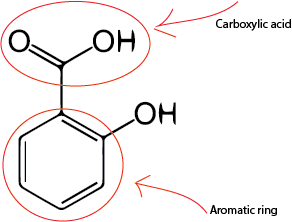
Iodine
Oxidizes macromolecules
Betadine is a solution of the iodophor. It is commonly used as a topical antiseptic on a patient’s skin before incision during surgery.
Chlorine
Used for disinfection, strong oxidant
Fluorine
Bacteriostatic (stop bacterial growth without killing), strengthen tooth enamel
Alcohols
Denature proteins and disrupt membranes
Work best in aqueous solutions
Longer contact time (evaporate more slowly than 100% ethanol) improve microbial killing
Soap/Detergent (Surfactant)
Mechanical removal (rather than killing) via emulsification (~ not antiseptic)
Quats (Surfactant)
Cationic detergents that disrupt membranes via plasma membrane infiltration
Nontoxic and common in household cleaners
Bisbiguanides
Cationic (positively charged), bacteriostatic at low concentration, bactericidal at high concentration. Can also act against enveloped virus
Topical only (skin/mucous membranes)
Alkylating Agents
Inactivate enzymes and nucleic acids
Highly explosive, need careful use and proper aeration after treatment
Peroxygens
Strong oxidizing agents, create free radicals that damage cellular macromolecules
Highly effective, commonly used, no environmental hazard
Disk-Diffusion Method
A disk-diffusion assay is used to determine the effectiveness of chemical agents against a particular microbe

Use-Dilution Test
To determine a chemical’s disinfection effectiveness on an inanimate surface

In-Use Test
Determines contamination of disinfectant currently in use
Chemotherapy
Refer to the use of chemicals or drugs to treat any disease
Antimicrobial Drugs
Target infectious microorganisms by destroying structures or interfering with enzymes
Bacteriostatic Drugs
Reversible inhibition of growth (requires patient strong immune system)
Bactericidal Drugs
Kills target bacteria (essential for immunocompromised patients or life-threatening infections)
Narrow-spectrum
Targets specific subsets (prevents "collateral damage" to microbiota)
Broad-spectrum
Targets a wide variety; used for unknown pathogens or polymicrobic infections. Can lead to a Superinfection (e.g., C. diff or Yeast infections)
Slow Diagnosis
Empiric broad-spectrum treatment
Rapid Diagnosis
Targeted narrow-spectrum treatment
Synergistic
Two drugs work better together (e.g., trimethoprim and sulfamethoxazole) → each drug only provides bacteriostatic inhibition but combined are bactericidal
Antagonistic
Drugs interfere with each other (e.g., Antacids increase pH → affecting antimicrobial absorption)
Mechanisms of Antibacterial Drugs
Inhibit cell wall biosynthesis
Disrupt Membranes
Inhibit protein synthesis
Inhibit nucleic acid synthesis
Antimetabolites
Inhibitors of Cell Wall Biosynthesis
Target: Peptidoglycan( structural component of bacterial cell walls)
Selective Toxicity: High. Human cells do not have cell walls or peptidoglycan, so these drugs specifically target bacteria
Peptidoglycan structure
Peptidoglycan is composed of cross-linked chains of peptidoglycan monomers
A peptidoglycan monomer consists of two joined amino sugars, N-acetylglucosamine (NAG) and N-acetylmuramic acid (NAM), with a pentapeptide coming off of the NAM

β-lactam group (Inhibitors of Cell Wall Biosynthesis)
β-lactam inhibits transpeptidases (aka PBP ~ penicillin binding proteins)
Blocks the crosslinking of peptide chains during the biosynthesis of new peptidoglycan in bacterial cell wall
Weaken bacterial cell wall
Cell lysis
Glycopeptide (Vancomycin)
Effective mainly against Gram-positive bacteria; too large to cross the Gram-negative outer membrane
Binds the D-Ala-D-Ala terminus of peptidoglycan precursors
Blocks both Transglycosylation and Transpeptidation
Unlike β-lactams, does not bind PBPs
Bacitracin
Blocks bactoprenol ~ membrane carrier that transports peptidoglycan precursors across the cytoplasmic membrane → prevents cell wall building blocks from reaching the growing cell wall
Commonly used topically (e.g., Neosporin) due to potential nephrotoxicity (kidney damage)
Inhibitors of Protein Biosynthesis
Target: Bacterial ribosome (70S)
Moderate to High. Human cytoplasmic ribosomes are 80S, allowing for differentiation. However, human mitochondria have 70S ribosomes, which can lead to side effects
Inhibitors of Membrane Function
Lipids of the cytoplasmic or outer membrane
Low. Human cells also have membranes, making these drugs more likely to have toxic side effects (like kidney or nerve damage)
Inhibitors of Nucleic Acid Synthesis
Enzymes involved in DNA replication or RNA transcription
High. Bacterial enzymes for these processes are structurally different from human versions
Inhibitors of Metabolic Pathways (Antimetabolites)
Essential metabolic enzymes
High. Humans get their folic acid from food; bacteria must synthesize it
Types of Metabolic Pathway Target
Folic acid synthesis
Mycolic acid synthesis
Folic acid synthesis (Broad Spectrum)
Inhibits the enzyme involved in production of dihydrofolic acid. Inhibits the enzyme involved in the production of tetrahydrofolic acid
Mycolic acid synthesis (Narrow Spectrum)
Interferes with the synthesis of mycolic acid
Fungi
Targets: Ergosterol, fungal cell wall
Protozoa
Targets: Folic acid synthesis, DNA synthesis, metabolism
Helminths
Targets: Microtubules, neuromuscular function, ATP production
Viruses
Targets: Viral enzymes, genome replication, entry/release
Antifungal Drugs
Ergosterol a good target
Inhibit ergosterol synthesis
Bind ergosterol in the cell membrane and create pores that disrupt the membrane
Antiprotozoan Drugs
act as antimetabolites, disrupting pathways required for growth and replication
Inhibit electron transport in mitochondria
Inhibit folic acid synthesis
Produces damaging reactive oxygen species
Inhibit DNA synthesis
Inhibit heme detoxification
Antihelminthic Drugs
kill worms by causing starvation, paralysis, or impaired cell division
Inhibit microtubule formation, reducing glucose uptake
Block neuronal transmission, causing paralysis and starvation
Inhibit ATP production
Induce calcium influx
Inhibit RNA synthesis
Antiviral Drugs
target specific stages of the viral life cycle rather than general cellular processes
Why is HIV difficult to treat
Infects human immune cells
Integrates into host genome
Mutates rapidly due to error-prone reverse transcriptase
Evolution of Drug Resistance
Natural Evolution
Selective Pressure
Genetic Acquisition
Natural Evolution
Microbes have evolved for millennia to overcome antimicrobial compounds produced by competitors in nature
Selective Pressure
Human use (and misuse) of drugs provides a selective pressure that accelerates evolution
Overuse and misuse of antimicrobials
Subtherapeutic dosing (not enough to kill, just enough to "train" the bacteria)
Patient non-compliance (stopping a 10-day course after 5 days)
Genetic Acquisition
Antibiotics do not create resistance; they select for resistant microbes already present or newly mutated.
Vertical Transfer
Spontaneous chromosomal mutations passed to subsequent generations
Horizontal Gene Transfer (HGT)
Resistance genes found on plasmids or transposons are shared between bacteria (even different species)
Porin Channels
Gram-negative bacteria change the structure or number of channels to keep drugs out
Drug modification/ inactivation
Bacteria produce enzymes that chemically alter or destroy the drug
MIC
Minimal Inhibitory Concentration (lowest dose that stops growth)
MBC
Minimal Bactericidal Concentration (lowest dose that kills 99.9%)
Dilution Tests
Labs often use 96-well microdilution trays. This allows them to test multiple different drugs and different concentrations all at once using automated dispensing and "plate readers" (spectrophotometers)
Etest
Combines diffusion zone of inhibition and dilution using a plastic strip with a gradient
It can indicate MIC but not MBC
Antibiogram
is a compilation of local susceptibility data from a specific hospital or region
Signs
Objective and measurable
Can be directly observed by a clinician
Examples: Fever (temp), heart rate, blood pressure, presence of antibodies
Symptoms
Subjective
Felt or experienced by the patient; cannot be objectively measured
Examples: Nausea, loss of appetite, pain level
Syndrome
A specific group of signs and symptoms characteristic of a particular disease.
Classification of Diseases: Infectious
Caused by the direct effect of a pathogen
Classification of Diseases: Communicable
Capable of being spread person-to-person