Quiz 4 Motivation
 Call Kai
 Learn
 Practice Test
 Spaced Repetition
 Match
 Flashcards
 Knowt Play
1/26

There's no tags or description
Looks like no tags are added yet.
27 Terms
extrinsic motivation
motivated to perform and activity to earn a reward or avoid a punishment
motivated towards something outside of mind and body
ex: want bonus at work
intrinsic motivation
motivated to perform an activity for its own sake and personal rewards
doing something you love to do
extrinsic things can trigger…
intrinsic feelings
ex: extrinstic: painting walls, intrinsic, feeling good about finishing the job
externally motivated by outside…
reward/punishment
majority of ppl in workplace are externally motivared
easy to manage/influence/control if youre paid enough
internally motivated issue
adapting is not within them, for some ppl its rlly hard for someone to motivate you
“ill do what i wanna do”
intrinsic work motivation
feelings of satisfaction when performing work well
purpose=your why, your mission
to help family get out of poverty (intrinsic: pride, extrinsic: put food on table)
to be the best at something
to serve others
maslows hierarchy

fear of losing is larger than
excitement of winning
we may not take the risk bc we dont wanna lose what we already have
neuroscience of motivation: social threats and rewards (3)
The brain treats social threats and rewards with similar intensity to physical threats and rewards.
These lead to more caution and retreat (afraid of being wrong) or to trying harder and being more competitive (excited to be in a room with experts).
The threat response is more intense and more common, triggering anxiety (often needs to be carefully minimized in social interactions).
physical or social threats release … and possibly …
physical or social threats release cortisol
in extreme threats, also releases adrenaline
chronic high cortisol can cause
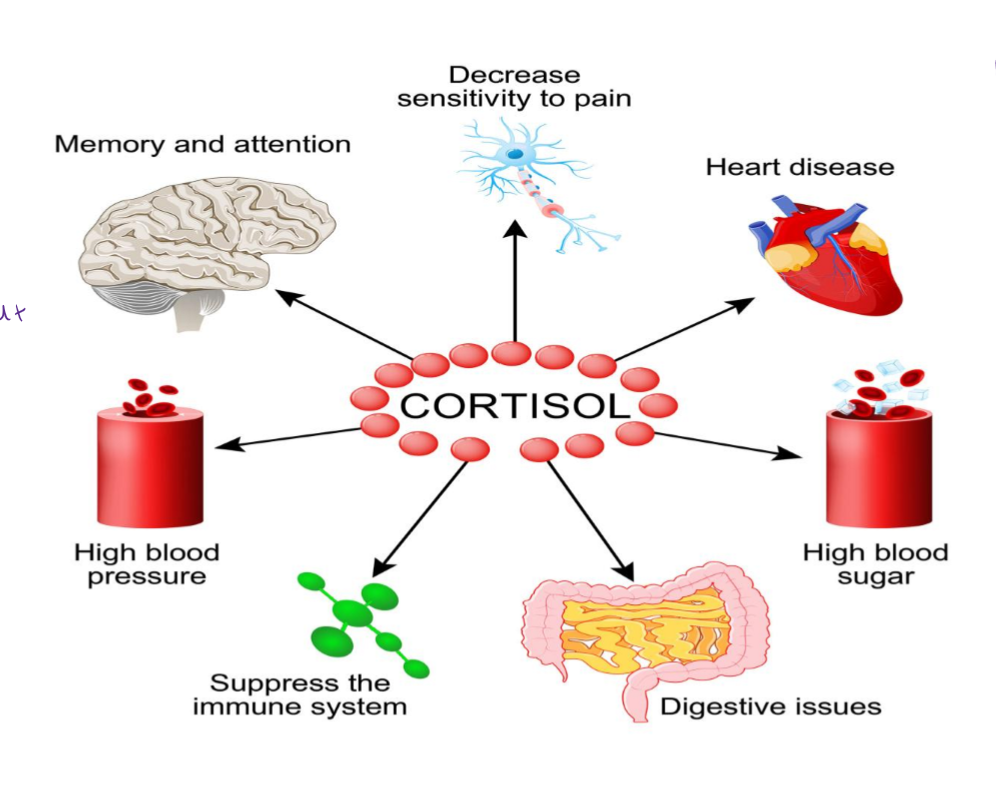
physical or social rewards release…
physical or social rewards release dopamine
when behavior/motivation is lacking, look at what else is going on with them
lots of dopamine, you want more once its gone, can crash afterwards
dopamine reward loop
neuroscience of motivation outcomes for when theres a threat, which 4 things are decreased OR if there is a reward, which 4 things are heightened
the capacity to make decisions, solve problems, be creative, and collaborate with others is generally reduced by a threat response and increased with a reward response
can be internal or external threats/rewards
minimizing threat responses and maximizing reward responses in organizations
recognizing progress and giving praise (reward, dopamine) to motivate them to keep going
increase psych safety
give constructive feedback
offer bonuses
the SCARF model
status
certainty
autonomy
relatedness
fairness
humans will try all types of things to increase these 5 things
best practices
status
part of SCARF model
relative importance to others
if you arent deemend as important, may think you have no status, try to overcompensate
certainty
part of SCARF model
ability to predict the future
more of an issue when you dont have it
if low job security, ppl freak out
autonomy
part of SCARF model
our sense of control
are you happy doing what ppl ask you to? some ppl hate it and crave own control/decisions→helps motivate
relatedness
part of SCARF model'
how safe we feel with others
psychological safety
if dont have this, dont fit in, feel unmotivated
other ppl dont rlly care or get more motivated
fairness
part of SCARF model
how fair we perceive exchanges to be
organizational justice, ingroup/outgroup, if we think were getting treated unfairly, may slow down/sabotage
scarf/neursocience in action
gett

reinforcement theory (pos/neg/punishment/extinction)
getting more or less of a behavior
positive reinforcement: introduction of something to keep a behavior, more of what you want
negative reinforcemenet: taking away something, keep behavior, less of what you dont want
negative punishment:taking something away to get less of the behavior
positive punishment:adding something to get less of the behavior
extinction: removal of behavior
hertzbergs two factor theory (hygeine/maintenance vs motivator)
hygeine factor: if dont have this normal thing in workplace, ppl will get frustrated (PTO, safe enviro, friendly coworkers). things that demotivate us (if i dont have this i dont wana work)
motivator factor: things that motivate us to want to work there
equity theory (fairness/distributive justice)
equity-outcome, fair opportunity, diff height boxes
i should be treated fairly in terms of pay. how much effort i put in vs how much pay i get out compared to other coworkers
can change titles so someones paid more if 2 ppl have same job originally but one person puts more effort in
expectancy theory
expectancy (can i do it?) if i work harder will i get better results?
instrumentality (is the effort worth it?) do the results lead to rewards?
valence (do i care abt the outcome?)do i care abt the reward
multiplying these together predicts motivational level
goal setting theory
setting acheivable goals can motivate ppl (short term vs long term, requires a vision)
SMART goals + management by objectives →put goals in place
most consistent and deliverable motivation theory
if you dont have challenging/clear goals and provide regular feedback to boost performance