AH3 Exam 1: O2
 Call Kai
 Learn
Learn Practice Test
 Spaced Repetition
 Match
Match Flashcards
 Knowt Play
1/18

There's no tags or description
Looks like no tags are added yet.
Name | Mastery | Learn | Test | Matching | Spaced | Call with Kai | Chat |
|---|
No analytics yet
Send a link to your students to track their progress
19 Terms
Whats CPAP? (3)
same pressure for both inhale and exhale
does NOT affect tidal volume
Used for HYPOxemic resp. failure
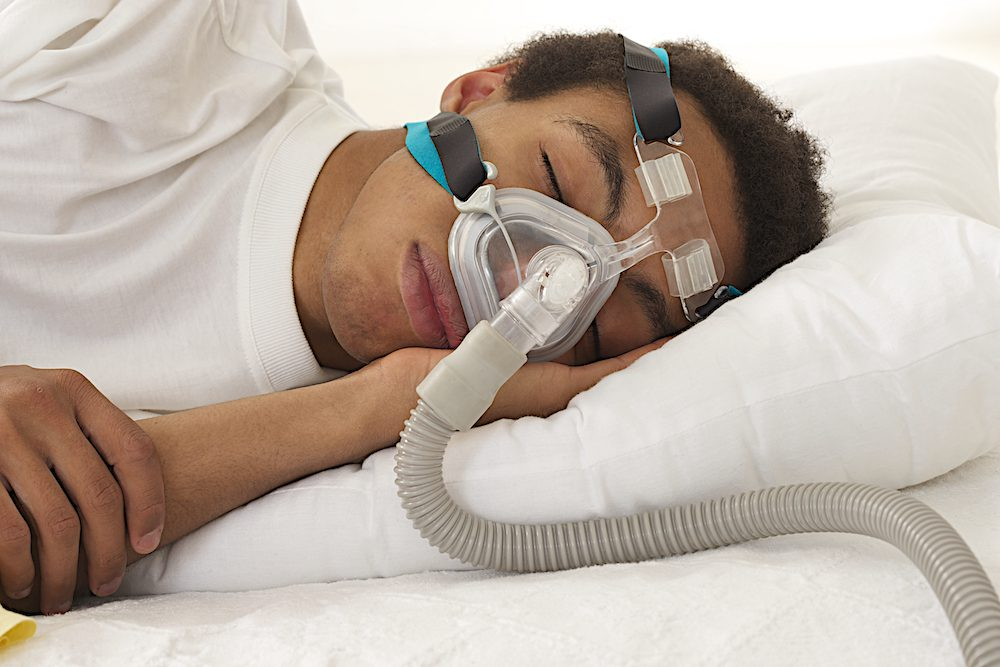
Whats BiPAP?
2 diff. pressure settings
useful for hypercapnic resp. failure
COPD pt retains CO2, so needs to blow off acidic gas= prolonged expiratory pressure

Whats Rapid Sequence Intubation? (RSI)
whats a key feature of RSI?
giving a sedative + paralytic quickly to secure airway while minimizing aspiration risk
ex: (decreased LOC, not NPO, ARF etc)
→ key feature: NO BMV between meds and tube placement bc we assume pt has “full stomach” and could aspirate if we ventilate

Mechanical Vent terms to know:
FiO2 (and RA %)
Tidal Volume
FiO2
concentration of O2 inhaled
normal = 21%
Tidal Volume
amt of pre-set air delivered w/ each ventilator breath
8-10 ml/kg
Whats PEEP?
whys it used: (2)
normal range?
Positive End Expiratory Pressure: pos pressure used @ end of exhale
→ Uses: (2)
keep alveoli open (lungs dont deflate all the way)
allows FiO2 levels to be lower
→ normal range: 3-5 cm
Complications of PEEP: (3)
Hypotension
⬆Intrathoracic pressure = ⬇venous return to heart→ hypotension
⬇CO
d/t ⬇venous return
barotrauma
pressure > 5 cm can cause alveoli to over inflate → lung tissue tears → pneumothorax

What are the 2 ventilator alarms?
High pressure: increase in peak airway pressure (occlusions)
biting the tube (oral airway)
secretions
kinked tube
pneumothorax
⬇lung compliance (elasticity)
Low pressure: decrease in pressure/loss of volume (leak)
cuff not tight
disconnected

Ventilator Associated Pneumonia prevention measures: (6)
HOB 30-45
oral/ETT care (chlorhexidine)
daily SAT/SBT
early mobilization
VTE prophylaxis
bed bound → clots = give heparin
GI prophylaxis
stress ulcers = reduce stomach acid (Pantoprazole)

considerations for weaning: (4)
SBT
can they breathe w/o vent?
SAT
decrease sedation and see if they can follow commands
PO4 (electrolyte replacement)
strength muscle
+ cuff leak
deflate ballon & hear air move around tube
no noise = maybe airway edema
Whats ARF?
normal ranges:
pH
CO2
O2
HCO3
body cant exchange O2 and CO2 (bad ventilation)
pH: (a) 7.35-7.45 (b)
CO2: (b) 35-45 (a)
PaO2: 80-95
HCO3: (a) 22-26 (b)
2 major ARF types:
criteria for each
I: Hypoxemic/ failure to oxygenate
PaO2 < 60 mmHg
II: hypercapnic/ failure to ventilate (exchange O2 and CO2 efficiently)
pH < 7.35 & PaCO2 > 45 mmHg (acidic)
How to manage ARF: (5)
BiPAP
T2 ARF (hypercapnic)
CPAP
T1 ARF (hypoxemic)
NR mask (100% FiO2)
check ABG
check H&H

early impaired O2 findings: (8)
late: (6)
early:
restless
anxious
fatigue
HA
dyspnea
air hunger
tachycardia
⬆BP
late
confused
lethargic
central cyanosis
diaphoresis
accessory muscles
diminished breath sounds
Clinical manifestation specific to ARDS (2)
Progressive Refractory Hypoxemia: O2 keeps dropping even though ⬆O2
increases in FiO2
worsening P/F ratio
PaO2/FiO2
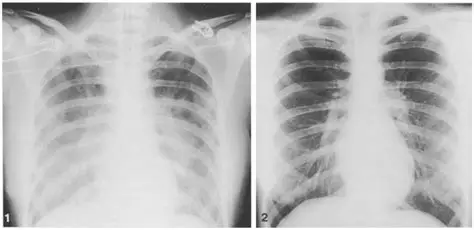
CXR Bilateral Pulmonary Infiltrates (aka P. Edema)
CXR gets cloudy each day
P/F ratio ranges (3)
PaO2 (from ABG)/ FiO2 (amt O2 given)
< 300= mild ARDs
< 200= moderate ARDs
< 100= severe ARDs!!!
Tx for ARDs:(6)
Mechanical Vent w/ high PEEP to keep alveoli open
barotrauma
hypotension
high flow NC (acts as CPAP)
ECMO (lung bypass)
lay in PRONE position early!!
recruit alveoli (re-opening collapsed alveoli)
Paralytics for Intubated pts: patient can't fight the ventilator
Ventilator desynchrony
No excess fluids! (p. edema)
just enough for hydration

Why is low tidal volume used in ARDS?
to protect lungs bc of ⬇lung compliance
if too high, can rupture lung → pneumothorax
ARDs complications: (4)
barotrauma
can cause stiff, wet lungs so ⬇compliance
high PEEP
renal failure
due to hypotension and nephrotoxic meds
kidneys 1st organ to fail!!
assess urine output
BUN, Cr
multisystem organ dysfunction syndrome (MODS)
prolonged hypoxemia and sepsis
VAP
What assessment finding alerts nurse intrathoracic pressure in mechanically vented pt is too high?
hypotension
⬆pressure = ⬇venous return = tanks BP