Microbiology Lecture 11: Disinfectants and antibiotics 1
 Call Kai
 Learn
Learn Practice Test
 Spaced Repetition
 Match
Match Flashcards
 Knowt Play
1/38

There's no tags or description
Looks like no tags are added yet.
Name | Mastery | Learn | Test | Matching | Spaced | Call with Kai | Chat |
|---|
No analytics yet
Send a link to your students to track their progress
39 Terms
Parasite in the news: Cyclospora
-transmission
-contaminated food/water: berries, basil, cilantro, lettuce, snow peas
-parasite needs 1-2 weeks outside of the body to become infectious
-no direct transmission
-symptoms appear 1 week after ingestion, watery diarrhea, severe cramping, bloating, gas, nausea, and loss of appetite, general fatigue

Sterilization (antimicrobial method)
destruction of all living cells, spores, and/or viruses

Disinfection (antimicrobial method)
killing or removal of disease-producing organisms from inanimate surfaces(not necessarily sterilization)

Antisepsis(antimicrobial method)
removal of disease-producing organisms from the surface of living tissue, such as skin

Sanitation(antimicrobial method)
reducing microbial population to “safe” level does not necessarily result in sterilization

cidal agents (antimicrobial measures)
-kill microbes
-bactericidal, fungicides, virucides, algicides

static agents (antimicrobial measures)
-inhibit or control microbial growth
-slow or stop metabolism or reproduction, but are not necessarily lethal
-bacteriostatic agents inhibit bacterial growth
-fungistatic, virustatic, algistatic, etc

Sterilizing agents kill exponentially
-damage accumulates over time exponentially and depends on: population size of microbes, type of microbe, dose or duration of sterilization agent, presence of inhibitors like blood, feces, biofilms

Physical: temperature (cold) (antimicrobial technique)
-refrigeration is microbiostatic, slowing down cell metabolism
-used for food preservation because most pathogens grow best between 20-40 Celsius
-freezing can be microbicidal since it kills microbes by forming ice crystals inside their cell
-also microbiostatic to preserve lab samples and glycerol prevents crystals

Physical: high temperature(antimicrobial technique)
-boiling/cooking denatures proteins and disrupts membranes of microbes but endospores and toxins can remain

Autoclaving
sterilizes bacterial media and surgical tools, high pressure can kill spores, prions need higher pressure to be killed

Pasteurization
-Method of disinfection in liquids such as milk and juice by exploring them briefly to heat
-increases the shelf life of perishable foods without altering flavor of texture

Physical: radiation (antimicrobial technique)
-method that kills pathogens by exposing them to radiation, UV, gamma, x-ray
-producing reactive oxygen species that cause DNA damage that sops cell division to metabolic processes to cell death
-useful in killing microbes in food and medical supplies, spices, pet treats, imported fruits, tubing, gloves, devices

Physical:filtration (antimicrobial technique)
-physically removes microbes from liquids and air by passing through a membrane with spores smaller than viruses or bacteria
-common uses: drinking water, surgical and N95 masks, heat and chemical sensitive drugs

Chemical antimicrobials
-usefulness of a chemical agent depends on… presence of organic matter and the kinds of organisms present

Corrosiveness
disinfectant should not corrode or damage surface

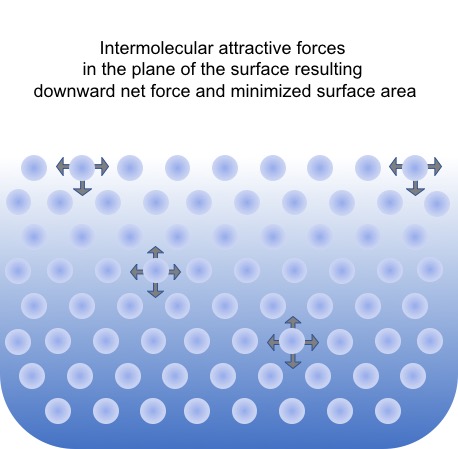
Stability, odor, and surface tension
should be stable for a storage period, possess a neutral odor, and low surface tension to allow for penetration into crack
Chemical: detergent (antimicrobial)
-kill microbes by dissolving the lipid layer in their cell membrane
-can be used both as an antiseptic on live skin and surface disinfectant

Why never 100% alcohol?
-high evaporation rate
-needs water to enter cell
-doesn’t work well on naked viruses, prions

Chemical: halogens (antimicrobial)
steal electrons creating free radicals that denature proteins, stop metabolism, and destabilize membrane

Chlorine
-bleach(corrosive, high dose)
-can kill everything depending on dose
-drinking water, pools(safe, low dose)
-interestingly, your body makes its own chlorine against bacteria

iodine
-commonly used as an antiseptic during surgeries
-doesn’t work on spores

Chemical: Aldehydes (antimicrobial)
-denature proteins and disrupt DNA/RNA
-kill spores
-highly toxic but good for embalming and pressure(formaldehydes)

Chemical: Quaternary ammonium (antimicrobial)
-disrupts lipids in cells-lysis
-widely used as surface disinfectants in hospitals
-cannot kill spores
Chemical: Hydrogen Peroxide (antimicrobial)
-at low concentrations (37%), it acts as an antiseptic or because bacterial catalase can overwhelm it
-at high concentration(10-30%) or in a vaporized state, it over comes catalase resistance and kills endospores

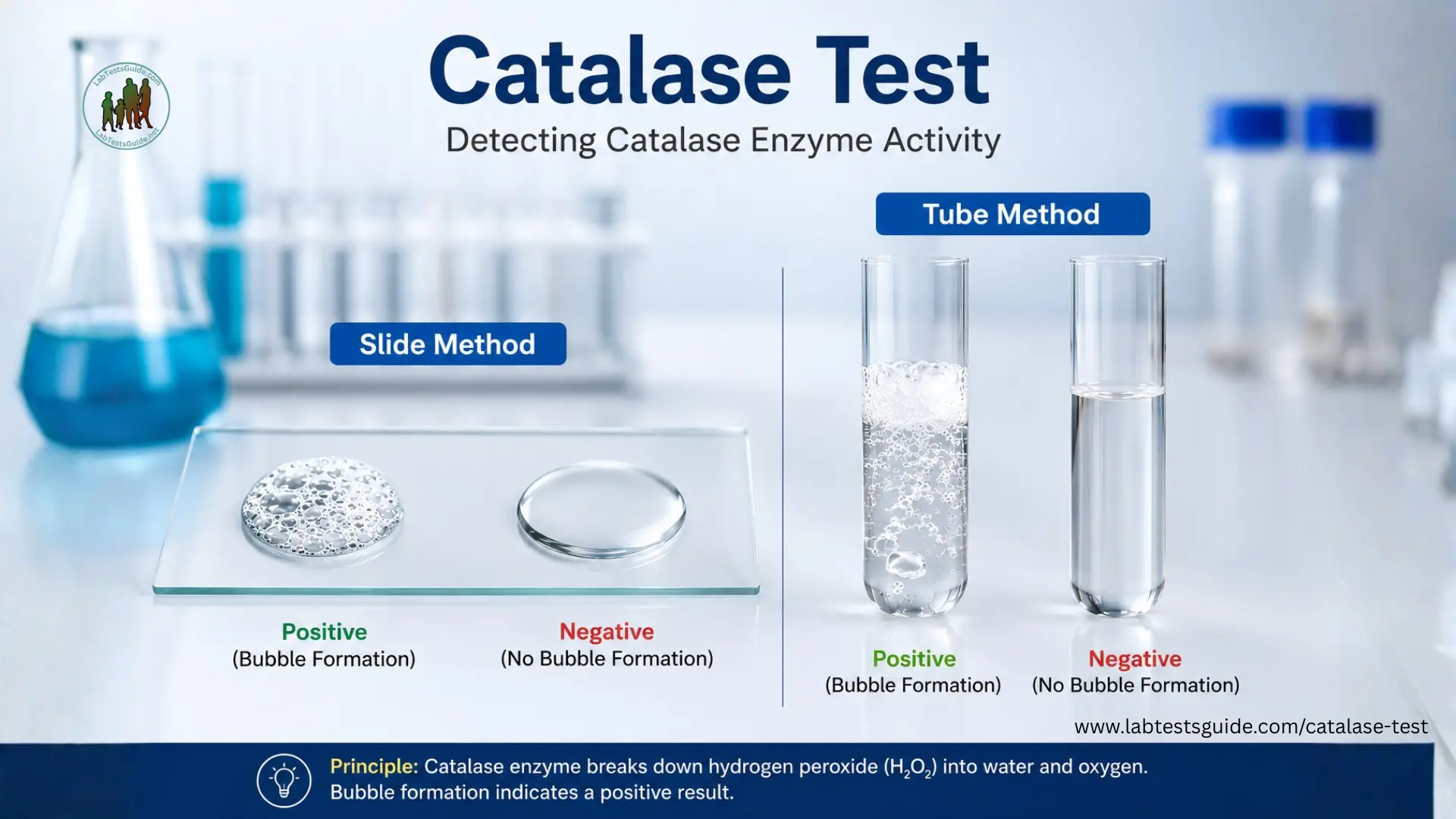
Catalase test
some bacteria have an enzyme that converts to water and oxygen ex:staph, MRSA, strep
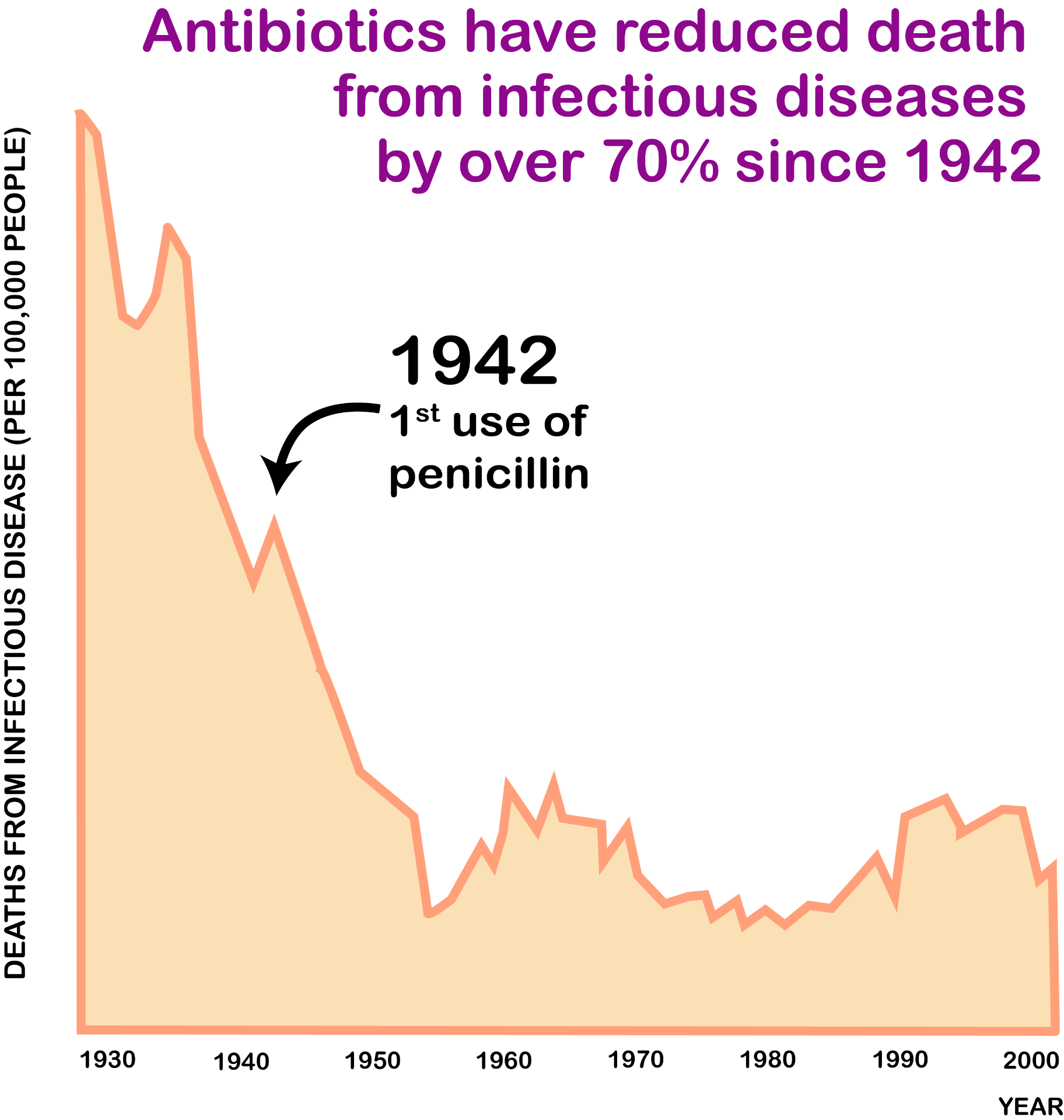
Discovery of antibiotics dramatically increases life expectancy in the world
-penicillin discovered in 1928 by Alexander Fleming, mold contaminant prevented bacterial growth
-1942 first used of penicillin
Antibiotics
Chemical compounds that selectively kill other microbes, commonly discovered from fungi, bacteria as the target

Selective toxicity
selectively kills or inhibits the pathogen, but not the host

Broad-spectrum
antibiotics kill many types of bacteria

Narrow-spectrum
antibiotics target specific types of bacteria

Bacteriostatic antibiotic
-minimal inhibitory concentration(MIC)
-lowest concentration of the drug that wilk prevent growth of an organism

Bactericidal antibiotic
-Minimal bactericidal concentration (MBC)
-starts with MIC, requires plating of MIC “no growth’ tubes to determine if any cells survived

Determining MIC
-Teracycline was twofold diluted serially, each tube was inoculated with an equal number of bacteria, turbidity in a tube indicated that the antibiotic concentration was not sufficient to inhibit growth, the MIC in this example is 1.0

Determining if an antibiotic is clinically useful
Drug concentration greater than MIC during treatment
-the tissue level of a drug over time (half-life) depends on how quickly the antibiotic is removed from the body via excretion by the kidney or destruction in the liver

Theraputic dose
minimum dose per kilogram of body weight that stops pathogen growth

Toxic dose
maximum dose tolerated by the patient

Chemotherapeutic index
ratio of toxic dose and therapeutic dose, the higher the index of chemotherapeutic is, the safer the drug

Determining MIC
E-test
