Practical #3 Ortho

0.0(0)
Studied by 0 people
call kaiCall Kai
learnLearn
examPractice Test
spaced repetitionSpaced Repetition
heart puzzleMatch
flashcardsFlashcards
GameKnowt Play
Card Sorting

1/53

encourage image

There's no tags or description

Looks like no tags are added yet.

54 Terms

1
New cards

gracilis

o: inferior ramus of pubis

ins: medial surface of tibia

a: knee flexion and internal rotation

inn: obturator (L3, L4)

<p>o: inferior ramus of pubis</p><p>ins: medial surface of tibia</p><p>a: knee flexion and internal rotation</p><p>inn: obturator (L3, L4)</p>
2
New cards

adductor longus

o: anterior surface of pubic body

ins: middle third of medial lip of lines aspera

a: adducts and laterally rotates thigh

inn: obturator (L3, L4)

<p>o: anterior surface of pubic body</p><p>ins: middle third of medial lip of lines aspera</p><p>a: adducts and laterally rotates thigh</p><p>inn: obturator (L3, L4)</p>
3
New cards

adductor magnus

o: inferior pubic ramus and ischial ramus

ins: gluteal tuberosity, linea aspera, and medial supracondylar line of femur

a: adducts and laterally rotates thigh

inn: obturator (L3, L4)

<p>o: inferior pubic ramus and ischial ramus</p><p>ins: gluteal tuberosity, linea aspera, and medial supracondylar line of femur</p><p>a: adducts and laterally rotates thigh</p><p>inn: obturator (L3, L4)</p>
4
New cards

adductor brevis

o: anterior surface of body of pubis and inferior pubic ramus

ins: pectineal line and superior portion of medial lip of linea aspera

a: adducts and laterally rotates thigh

inn: obturator (L3, L4)

<p>o: anterior surface of body of pubis and inferior pubic ramus</p><p>ins: pectineal line and superior portion of medial lip of linea aspera</p><p>a: adducts and laterally rotates thigh</p><p>inn: obturator (L3, L4)</p>
5
New cards

sartorius

o: anterior superior iliac spine

ins: proximal medial surface of tibia, below tuberosity

a: thigh flexion and laterally rotates thigh

inn: femoral (L2, L3)

<p>o: anterior superior iliac spine</p><p>ins: proximal medial surface of tibia, below tuberosity </p><p>a: thigh flexion and laterally rotates thigh</p><p>inn: femoral (L2, L3)</p>
6
New cards

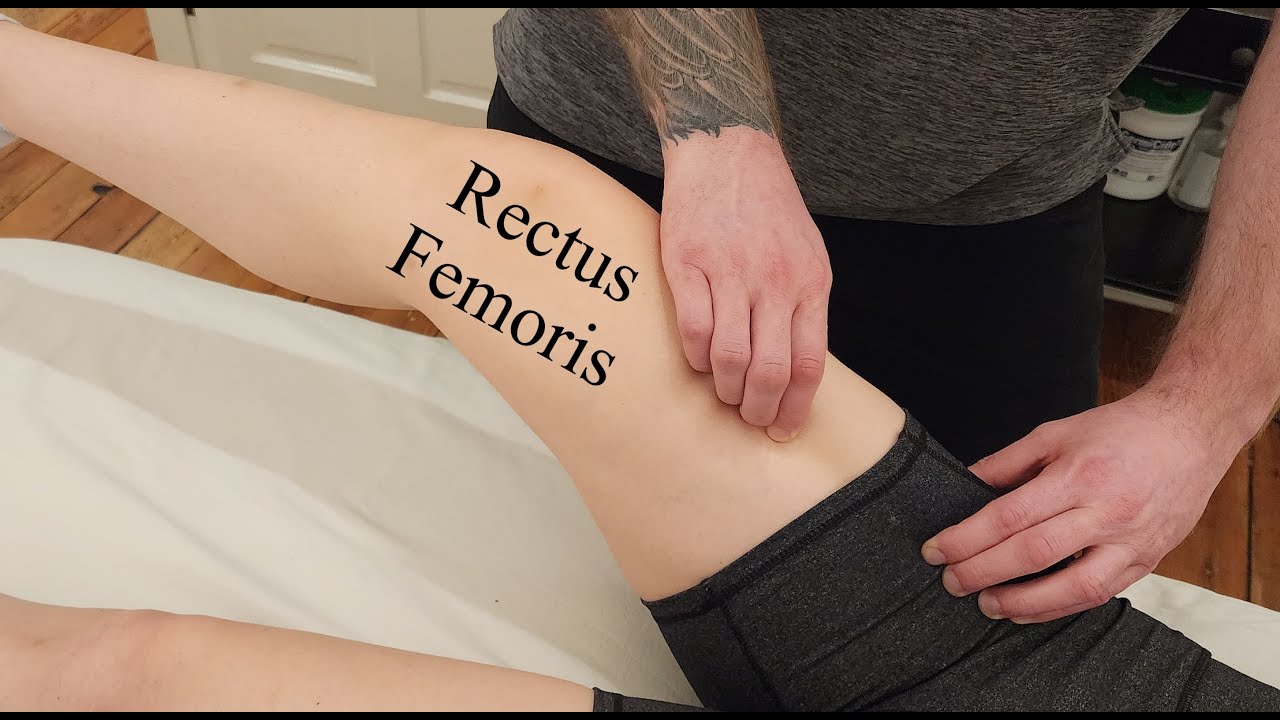
rectus femoris

o: anterior inferior iliac spine and just above acetabulum of os coxae

ins: tibial tuberosity via patella and patellar ligament

a: knee extension and flexes thigh

inn: femoral (L2, L3)
<p>o: anterior inferior iliac spine and just above acetabulum of os coxae</p><p>ins: tibial tuberosity via patella and patellar ligament</p><p>a: knee extension and flexes thigh</p><p>inn: femoral (L2, L3)</p>
7
New cards

tensor fasciae latae

o: anterior portion of iliac crest and anterior superior iliac spine

ins: IT band of fasciae latae

a: tenses fasciae latae and assists in flexion, abduction, and medial rotation of thigh

inn: superior gluteal (L4, L5, S1)

<p>o: anterior portion of iliac crest and anterior superior iliac spine</p><p>ins: IT band of fasciae latae</p><p>a: tenses fasciae latae and assists in flexion, abduction, and medial rotation of thigh</p><p>inn: superior gluteal (L4, L5, S1)</p>
8
New cards

gluteus medius

o: outer surface of ilium between posterior and anterior gluteal lines

ins: lateral surface of greater trochanter of femur

a: abducts and medially rotates thigh

inn: superior gluteal (L4, L5, S1)

<p>o: outer surface of ilium between posterior and anterior gluteal lines</p><p>ins: lateral surface of greater trochanter of femur</p><p>a: abducts and medially rotates thigh</p><p>inn: superior gluteal (L4, L5, S1)</p>
9
New cards

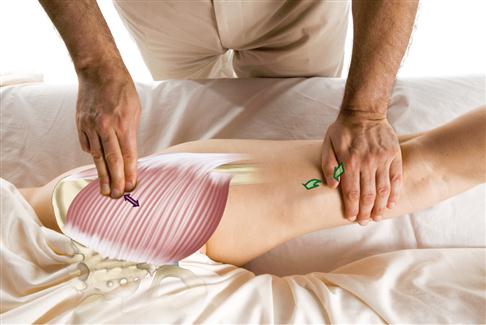
gluteus maximus

o: posterior gluteal line of ilium and posterior surface of sacrum and coccyx

ins: gluteal tuberosity of femur; IT band

a: extends and laterally rotates thigh

inn: inferior gluteal (L5, S1, S2)
<p>o: posterior gluteal line of ilium and posterior surface of sacrum and coccyx</p><p>ins: gluteal tuberosity of femur; IT band</p><p>a: extends and laterally rotates thigh</p><p>inn: inferior gluteal (L5, S1, S2)</p>
10
New cards

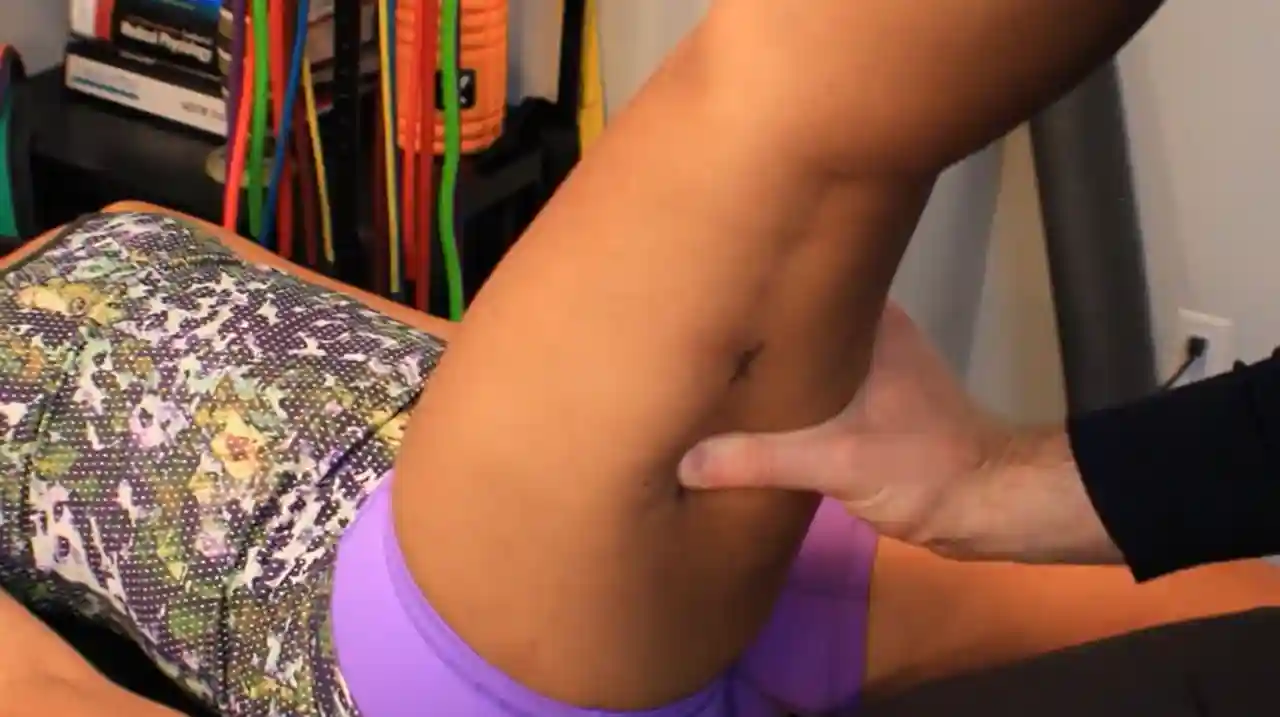
biceps femoris

o: long head - ischial tuberosity, short head - lateral lip of linea aspera

ins: lateral surface of head of fibula and lateral condyle of tibia

a: flexes leg and LH extends thigh

inn: sciatic (L5, S1, S3)
<p>o: long head - ischial tuberosity, short head - lateral lip of linea aspera</p><p>ins: lateral surface of head of fibula and lateral condyle of tibia</p><p>a: flexes leg and LH extends thigh</p><p>inn: sciatic (L5, S1, S3)</p>
11
New cards

gluteus minimus

o: outer surface of ilium between anterior and inferior gluteal lines

ins: anterior surface of greater trochanter of femur

a: abducts and medially rotates thigh

inn: superior gluteal (L4, L5, S1)

<p>o: outer surface of ilium between anterior and inferior gluteal lines</p><p>ins: anterior surface of greater trochanter of femur</p><p>a: abducts and medially rotates thigh</p><p>inn: superior gluteal (L4, L5, S1)</p>
12
New cards

piriformis

o: anterior surface of sacrum

ins: superior border of greater trochanter of femur

a: laterally rotates thigh and assists in extending and abducting thigh

inn: second sacral (S2)

<p>o: anterior surface of sacrum</p><p>ins: superior border of greater trochanter of femur</p><p>a: laterally rotates thigh and assists in extending and abducting thigh</p><p>inn: second sacral (S2)</p>
13
New cards

psoas major and minor

o: transverse processes and bodies of last thoracic and all lumbar vertebrae

ins: lesser trochanter of femur

a: flexes thigh and trunk of femur

inn: femoral and first lumbar (L1-L4)

<p>o: transverse processes and bodies of last thoracic and all lumbar vertebrae</p><p>ins: lesser trochanter of femur</p><p>a: flexes thigh and trunk of femur</p><p>inn: femoral and first lumbar (L1-L4)</p>
14
New cards

semimembranosus

o: ischial tuberosity

ins: medial surface of proximal end of tibia

a: flexes leg and extends thigh

inn: tibial (L4, L5, S1)

<p>o: ischial tuberosity</p><p>ins: medial surface of proximal end of tibia</p><p>a: flexes leg and extends thigh</p><p>inn: tibial (L4, L5, S1)</p>
15
New cards

semitendinosus

o: ischial tuberosity

ins: medial surface of proximal end of tibia

a: flexes leg and extends thigh

inn: tibial (L4, L5, S1)

<p>o: ischial tuberosity</p><p>ins: medial surface of proximal end of tibia</p><p>a: flexes leg and extends thigh</p><p>inn: tibial (L4, L5, S1)</p>
16
New cards

tibial tuberosity

knowt flashcard image
17
New cards

patella

knowt flashcard image
18
New cards

femoral trochlea

knowt flashcard image
19
New cards

pubic bone

knowt flashcard image
20
New cards

anterior superior iliac spine

knowt flashcard image
21
New cards

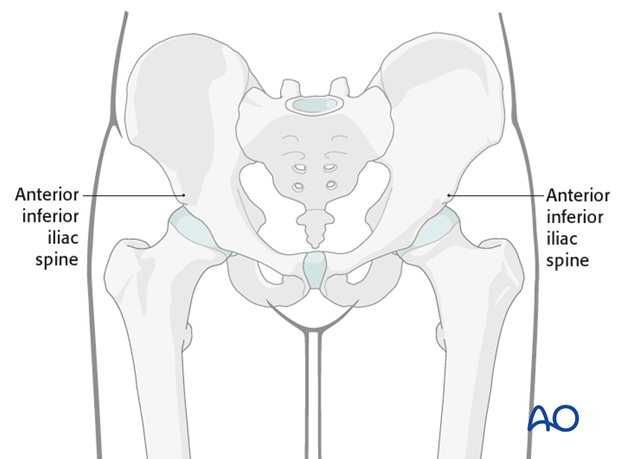
anterior inferior iliac spine

knowt flashcard image
22
New cards

iliac crest

knowt flashcard image
23
New cards

greater trochanter

knowt flashcard image
24
New cards

medial sacral crest

knowt flashcard image
25
New cards

posterior superior iliac spine

knowt flashcard image
26
New cards

ischial tuberosity

knowt flashcard image
27
New cards

patellar tendon

knowt flashcard image
28
New cards

subcutaneous infrapatellar bursae

knowt flashcard image
29
New cards

prepatellar bursae

knowt flashcard image
30
New cards

suprapatellar bursa

knowt flashcard image
31
New cards

medial patella femoral ligament

knowt flashcard image
32
New cards

medial and lateral retinacula

knowt flashcard image
33
New cards

synovial plica

knowt flashcard image
34
New cards

pes anserine

knowt flashcard image
35
New cards

pes anserine bursa

knowt flashcard image
36
New cards

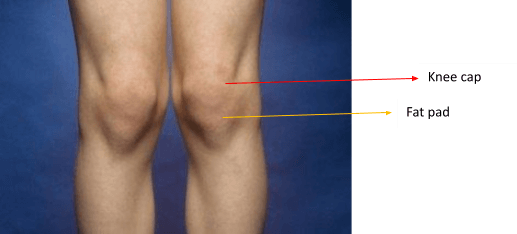
fat pads

knowt flashcard image
37
New cards

saphenous nerve

knowt flashcard image
38
New cards

iliotibial band

knowt flashcard image
39
New cards

inguinal ligament

knowt flashcard image
40
New cards

trochanteric bursa

knowt flashcard image
41
New cards

ischial tuberosity bursa

knowt flashcard image
42
New cards

sciatic nerve

knowt flashcard image
43
New cards

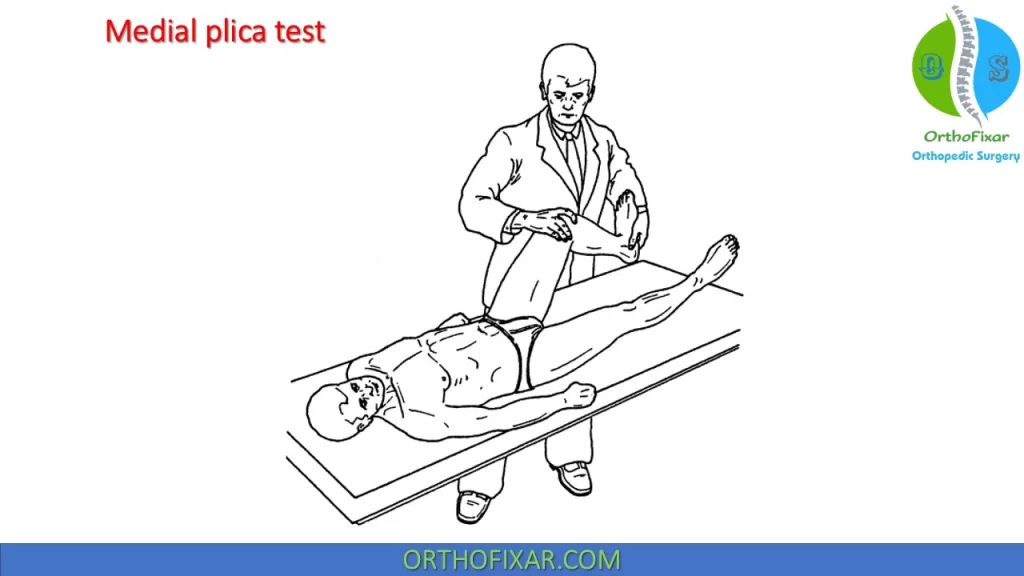
Medial synovial plica test

positive test: patient describes reproduction of symptoms, clinician may feel place as it crosses medial femoral condyle in range of 60°-45° flexion

implications: symptomatic medial synovial plica
<p>positive test: patient describes reproduction of symptoms, clinician may feel place as it crosses medial femoral condyle in range of 60°-45° flexion</p><p>implications: symptomatic medial synovial plica</p>
44
New cards

Q-Angle Measurement

positive test: Q-angle > 13° in men or 18° in women

implications: increased lateral forces leading to laterally tracking patella

<p>positive test: Q-angle &gt; 13° in men or 18° in women</p><p>implications: increased lateral forces leading to laterally tracking patella</p>
45
New cards

Apprehension test

positive test: forcible contraction of quads by patient to guard against dislocation of patella, may also demonstrate apprehension verbally or through facial expression

implications: laxity of medial patellar retinaculum, predisposing patient to patellar subluxations or dislocations

<p>positive test: forcible contraction of quads by patient to guard against dislocation of patella, may also demonstrate apprehension verbally or through facial expression</p><p>implications: laxity of medial patellar retinaculum, predisposing patient to patellar subluxations or dislocations</p>
46
New cards

Stutter test

positive test: irregular motion/ stuttering between 40° and 60° as place passes over medial condyle

implications: medial synovial plica

<p>positive test: irregular motion/ stuttering between 40° and 60° as place passes over medial condyle</p><p>implications: medial synovial plica</p>
47
New cards

Craig’s test

positive test: angles < 15° represent femoral retroversion; angles > 20° represent anteversion

implications: as described in positive test above

<p>positive test: angles &lt; 15° represent femoral retroversion; angles &gt; 20° represent anteversion</p><p>implications: as described in positive test above</p>
48
New cards

Trendelenburg test

positive test: pelvis lowers on NWB side

implications: insufficiency of gluteus medius to support torso in erect position indicating weakness in muscle

<p>positive test: pelvis lowers on NWB side</p><p>implications: insufficiency of gluteus medius to support torso in erect position indicating weakness in muscle</p>
49
New cards

Thomas test/ Hip flexion contracture test

positive test: TT - involved leg rises off table, RFCT - knee moves into extension

implications: tightness of iliopsoas muscle group and rectus femoris

<p>positive test: TT - involved leg rises off table, RFCT - knee moves into extension</p><p>implications: tightness of iliopsoas muscle group and rectus femoris</p>
50
New cards

Ely’s test

positive test: hip on side being tested flexes, causing it to rise from table

implications: tightness of rectus femoris

<p>positive test: hip on side being tested flexes, causing it to rise from table</p><p>implications: tightness of rectus femoris</p>
51
New cards

Ober test

positive test: normal - femur adducts past horizontal, minimal tightness - femur adducts to horizontal, maximal tightness - leg is unable to adduct to horizontal

implications: tightness of IT band, predisposing individual to IT band friction

syndrome and/or lateral patellar alignment

<p>positive test: normal - femur adducts past horizontal, minimal tightness - femur adducts to horizontal, maximal tightness - leg is unable to adduct to horizontal</p><p>implications: tightness of  IT band, predisposing individual to IT band friction</p><p>syndrome and/or lateral patellar alignment</p>
52
New cards

Anterior Impingement Test

positive test: pain or symptoms in hip are reproduced

implications: femoral acetabular impingement or labral tear

<p>positive test: pain or symptoms in hip are reproduced</p><p>implications: femoral acetabular impingement or labral tear</p>
53
New cards

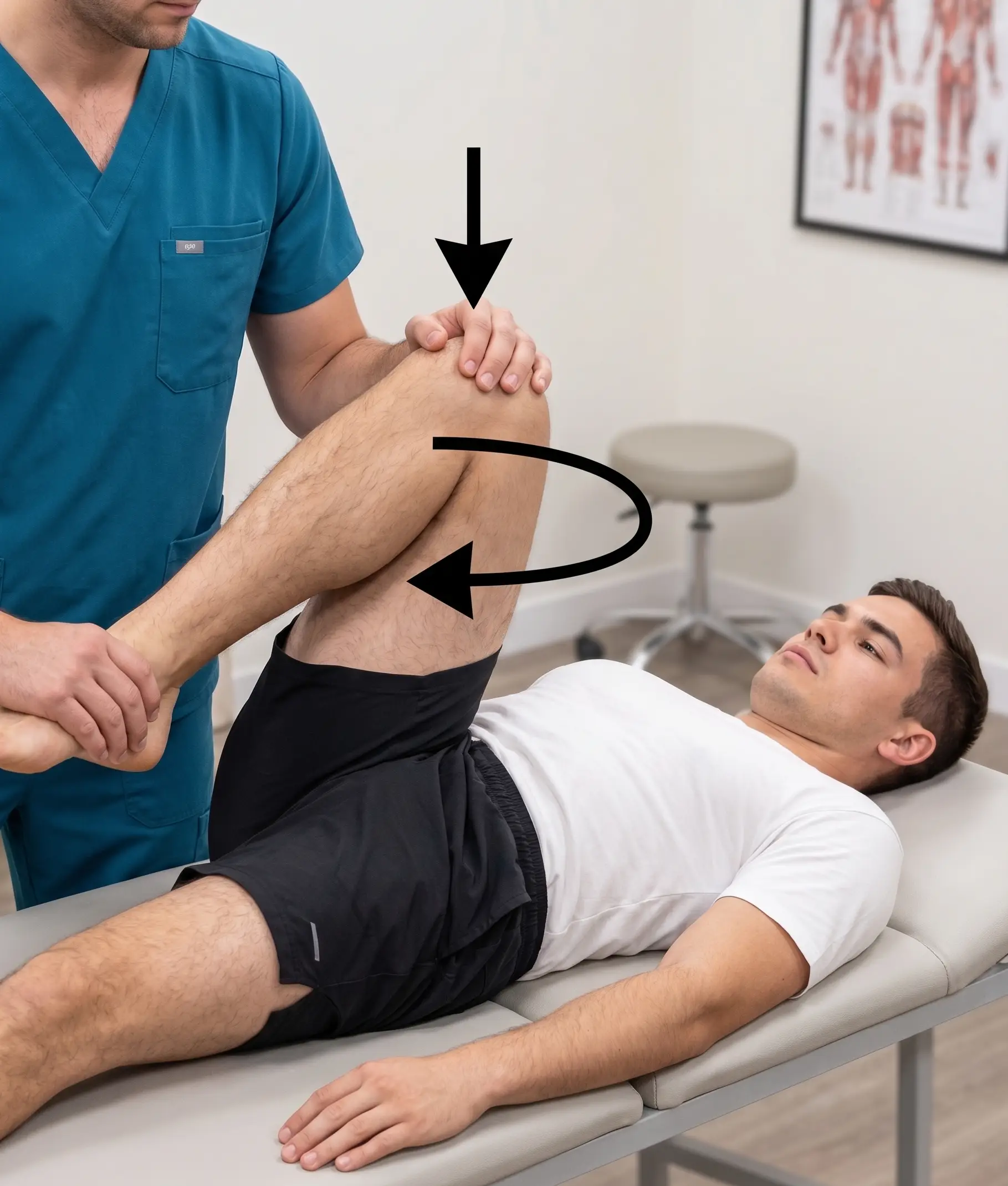
Hip Souring Test

positive test: pain or symptoms in hip are reproduced

implications: possible defect in articular cartilage of femur or acetabulum (e.g,

osteochondral defects, arthritis) or labral tear
<p>positive test: pain or symptoms in hip are reproduced</p><p>implications: possible defect in articular cartilage of femur or acetabulum (e.g,</p><p>osteochondral defects, arthritis) or labral tear</p>
54
New cards

McCarthy test/Fitzgerald test

positive test: pain or symptoms in hip are reproduced

implications: pain or click is indicative of labral tear

<p>positive test: pain or symptoms in hip are reproduced</p><p>implications: pain or click is indicative of labral tear</p>