(1) Sweden: Political History and Notable Figures
 Call Kai
 Learn
Learn Practice Test
 Spaced Repetition
 Match
Match Flashcards
 Knowt Play
1/20

There's no tags or description
Looks like no tags are added yet.
21 Terms
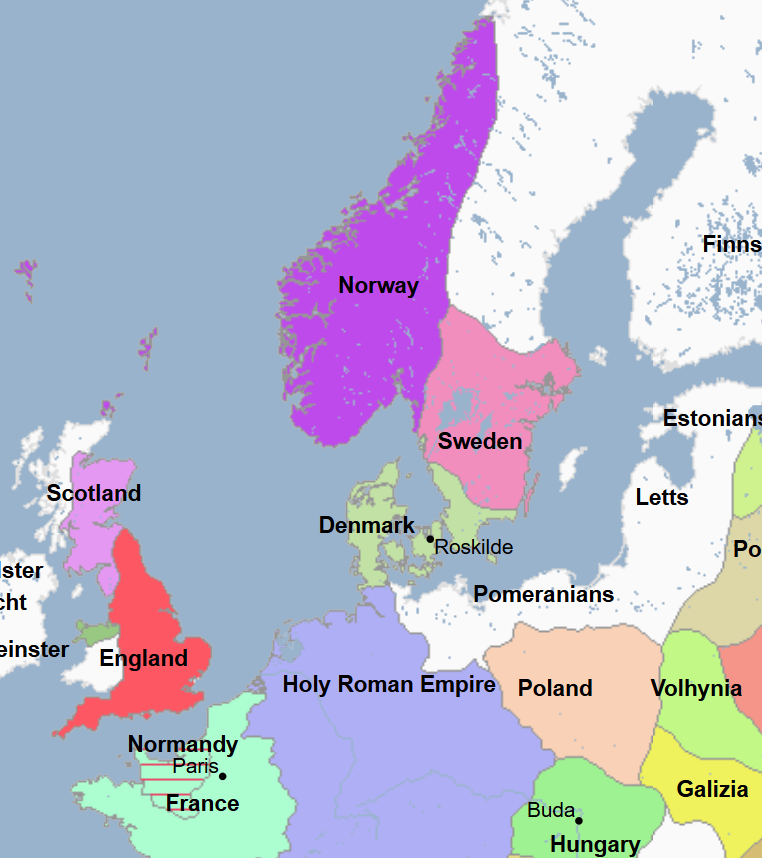
970 - 1060 - House of Munso (All Facts)
First and Founding Dynasty of Sweden
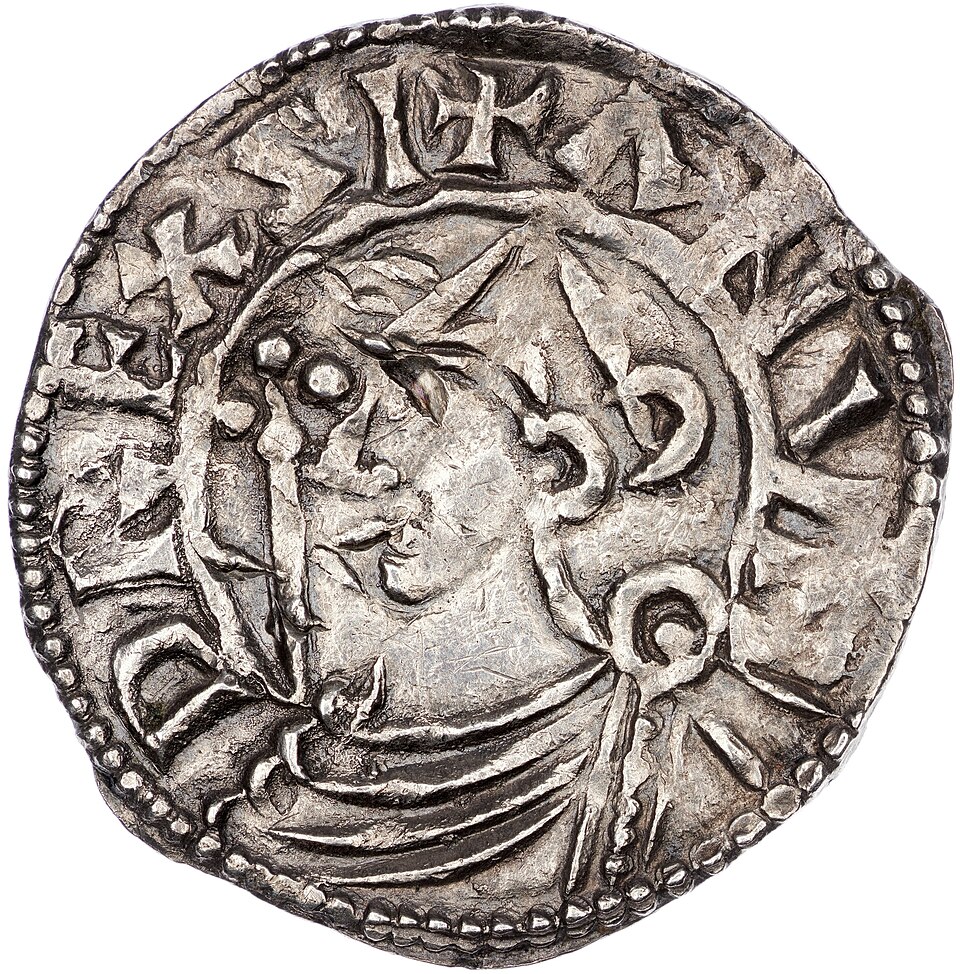
1022 - 1050 - Anund Jacob (All Facts)
3rd King of Sweden and 3rd King of the House of Munso
He and his forces joined Olaf Haraldsson and his Norwegian forces to attack Canute the Great and his Danish forces in Denmark, but this failed
1210 - 1266 - Birger Jarl (All Facts)
Swedish Statesman
He and his forces conquered Finland during the Second Swedish Crusade (after a century of warfare involving the civil wars between the House of Erik and the House of Sverker)
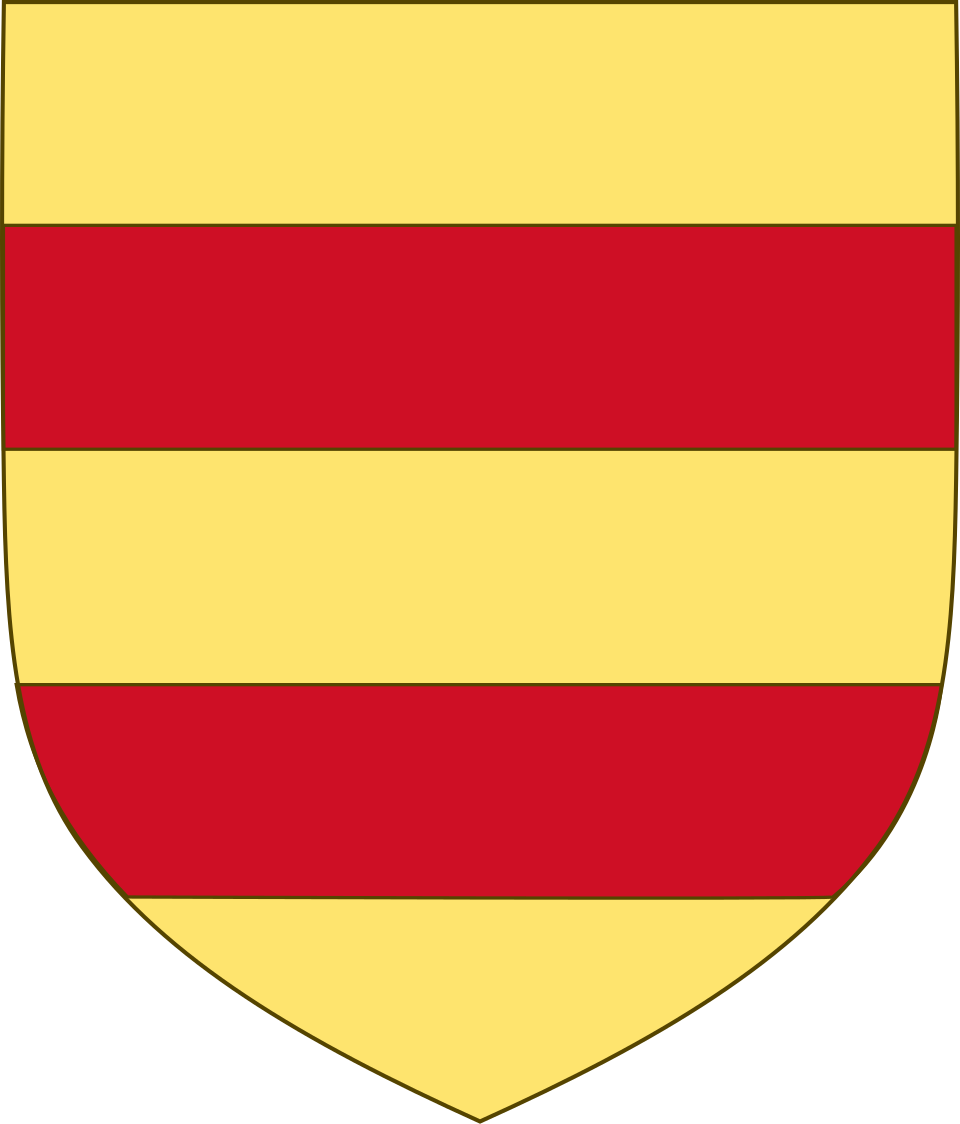
1101 / 1457 - 1523 - House of Oldenburg (All Facts)
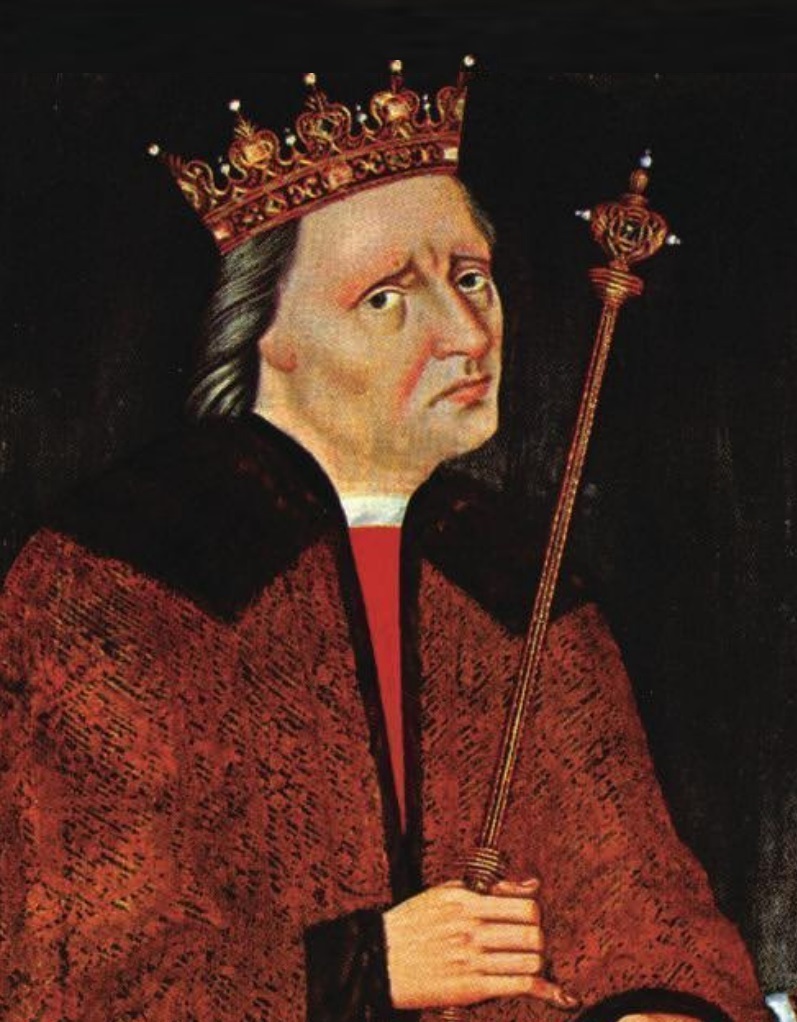
1457 - 1464 - Christian (All Facts)
First King of Sweden from the House of Oldenburg
He ceded Orkney and Shetland to King James III of Scotland in pledge for the dowry of his daughter Margaret, who was to marry King James III
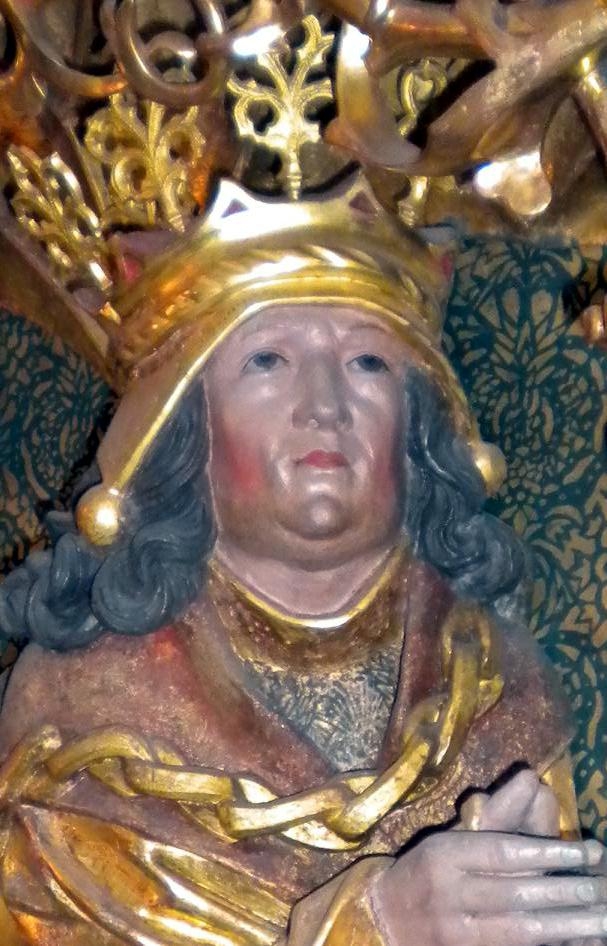
1497 - 1501 - Hans (All Facts)
2nd King of Sweden from the House of Oldenburg
He ousted his predecessor
He invaded Sweden and was crowned king thereafter, thus reuniting Norway, Sweden, and Denmark under his rule

1520 - 1521 - Christian II (All Facts)
3rd King of Sweden from the House of Oldenburg
He was nicknamed “The Tyrant”
He had most of his enemies massacred in Stockholm
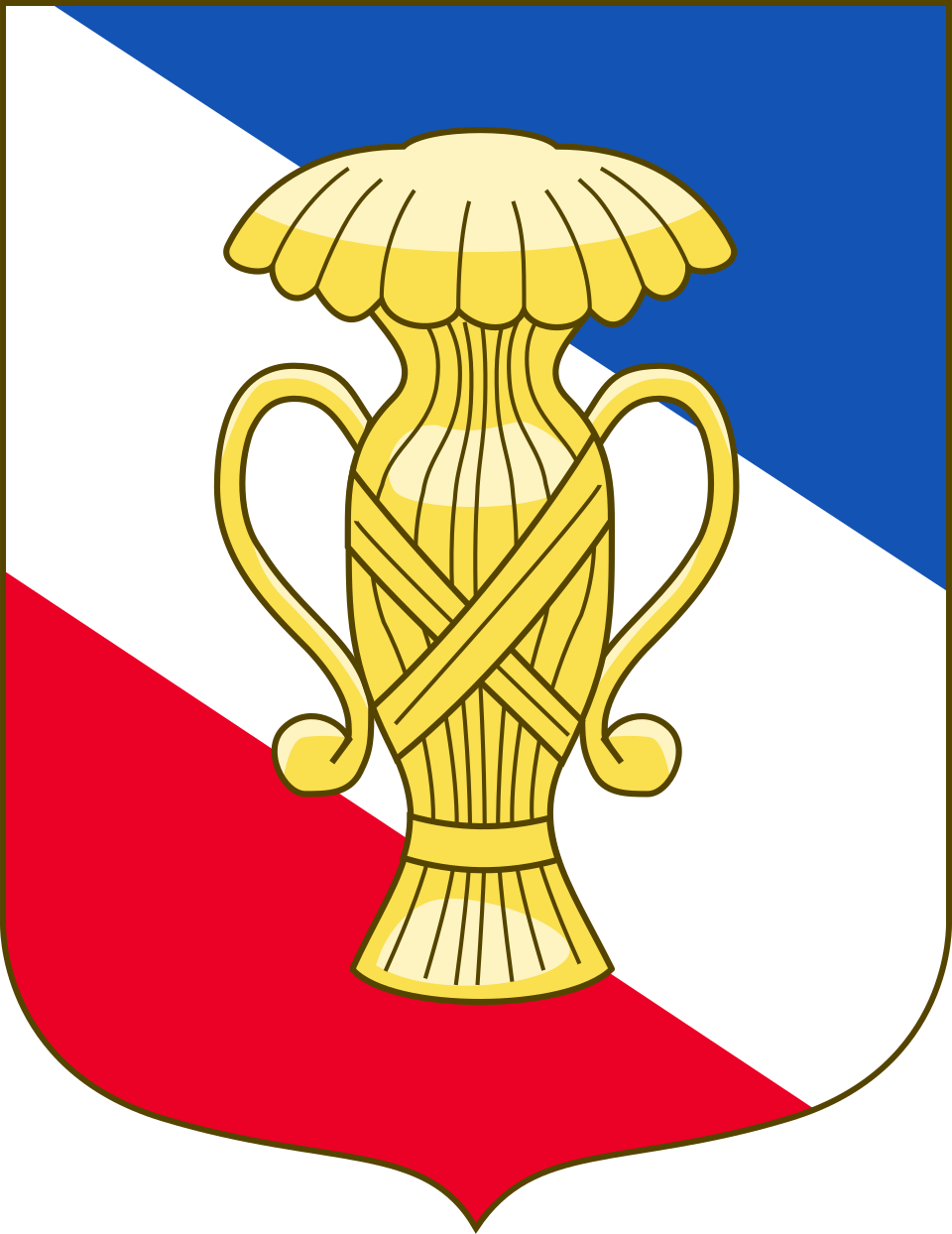
1523 - 1654 - House of Vasa (All Facts)

1523 - 1560 - Gustav Vasa (All Facts)
First King of Sweden from the House of Vasa and Founder of the House of Vasa
He was brought up at the court of Sten Sture, one of his earlier predecessors
He was a Catholic, but then became a Lutheran upon his assumption to the throne
He led a rebellion, the “Swedish War of Liberation” against his predecessor and defeated him and replaced him to assume the throne, founded his dynasty, and consolidated power
He gained independence for Sweden from the Danish-controlled Kalmar Union and was elected king of Sweden by the Riksdag (of the Estates)
Het thus made Sweden independent of Denmark, taking it out of the Kalmar Union and being conscious that its sea and land routes to the west (the Oresund, and Norway) remained under Denmark’s control and could ultimately jeopardize its independence if infringed upon by Sweden
As a prince, prior to his accession, he tried to forge a diplomatic alliance with England by negotiating a marriage to Queen Elizabeth
He did as much as he could to make Sweden a power in its own right
He built up the Swedish Navy
He planned to fill the power vacuum left in the Baltic by Denmark’s defeat in the “Swedish War of Liberation”
This fleet of warships was also built to protect Sweden’s commercial interests at the time
He used the funds from the Diet of Vasteras, which
confiscated the wealth of the Catholic Church in Sweden, from which he first gained the funds
sanctioned Lutheranism as the official and administrative religion of Sweden, from which he ruled
He left the foundations, for his successor, of a stronger Swedish navy as well as Swedish army
He modernized and reformed Sweden’s administrative system to make the country be governed more effectively
He replaced nobles in local government with civil servants answerable and loyal only to the crown
He filled vacant bishoprics and wanted candidates who favored church reform as he leaned towards Lutheranism himself
This was hardest to impose in rural Sweden where Lutheranism was virtually unknown
In this area, he relied on popular support, as he raised his peasant army at Dalarna to fight off the Danes
He had laws passed establishing that the monarchy would pass through the male line
He left the foundations, for his successor, of a more settled system of administration
He abdicated the throne and was succeeded by his son, achieving an orderly handover of power

1560 - 1569 - Erik XIV (All Facts)
2nd King of Sweden from the House of Vasa
He continued his predecessor and father’s policy of expanding Sweden’s diplomatic and trade links with powers in western and central Europe
During his reign,
he sought to expand Sweden’s influence in the Baltic region
He was deposed after showing signs of madness, and was succeeded by his brother

1569 - 1592 - John III (All Facts)
3rd King of Sweden from the House of Vasa
He died and was succeeded by his son

1592 - 1599 - Sigismund (All Facts)
4th King of Sweden from the House of Vasa
He was “offered” the crown by the Swedish aristocrats
During his reign,
He had to sign the Statutes of Kalmar, which were designed to ensure that the union of the crowns should neither endanger the country’s independence nor prejudice its faith
He appointed his uncle and future successor to rule Sweden jointly with the council in the namesake’s absence from the country as ruler of the Polish-Lithuanian Commonwealth (his future successor would eventually rule Sweden in the namesake’s place)
Under his reign,
The Uppsala Synod was ratified, by Sweden’s nobles
Sweden’s nobles began to think of themselves as the historic guardians of Sweden’s laws and liberties, having (continuously up to the point of the namesake’s reign) staked their claim to a major share in government
He was deposed by the Riksdag because of growing opposition amongst his Lutheran subjects to his support for the Catholic Counter-Reformation
He was succeeded by his nephew

1604 - 1611 - Charles IX (All Facts)
5th King of Sweden from the House of Vasa
He succeeded his nephew
He was an autocratic and capricious king
He and his (Lutheran) Swedish forces revolted against and defeated King Sigismund and his (Catholic) Polish-Lithuanian forces in the War Against Sigismund and Battle of Stangebro
He gained the support of the Lutheran states against members of the Swedish council to inflict the defeat on his nephew
During his reign,
He and his Swedish forces were defeated by King Christian IV and his Danish and Norwegian forces in the Kalmar War
He provoked King Christian IV of Denmark into declaring war by Sweden’s constant hostility towards Danish ships in the Baltic
Within weeks, the Danes had taken the strategic stronghold of Kalmar, infuriating the namesake so much that he challenged the Danish king to a duel, an offer which was scornfully rejected
Under his reign,
Swedish forces were defeated upon helping Tsar Vasily IV and his Russian forces in the Siege of Smolensk and in the battles during the Russo-Polish War
He died and his successor faced external threat and internal disintegration
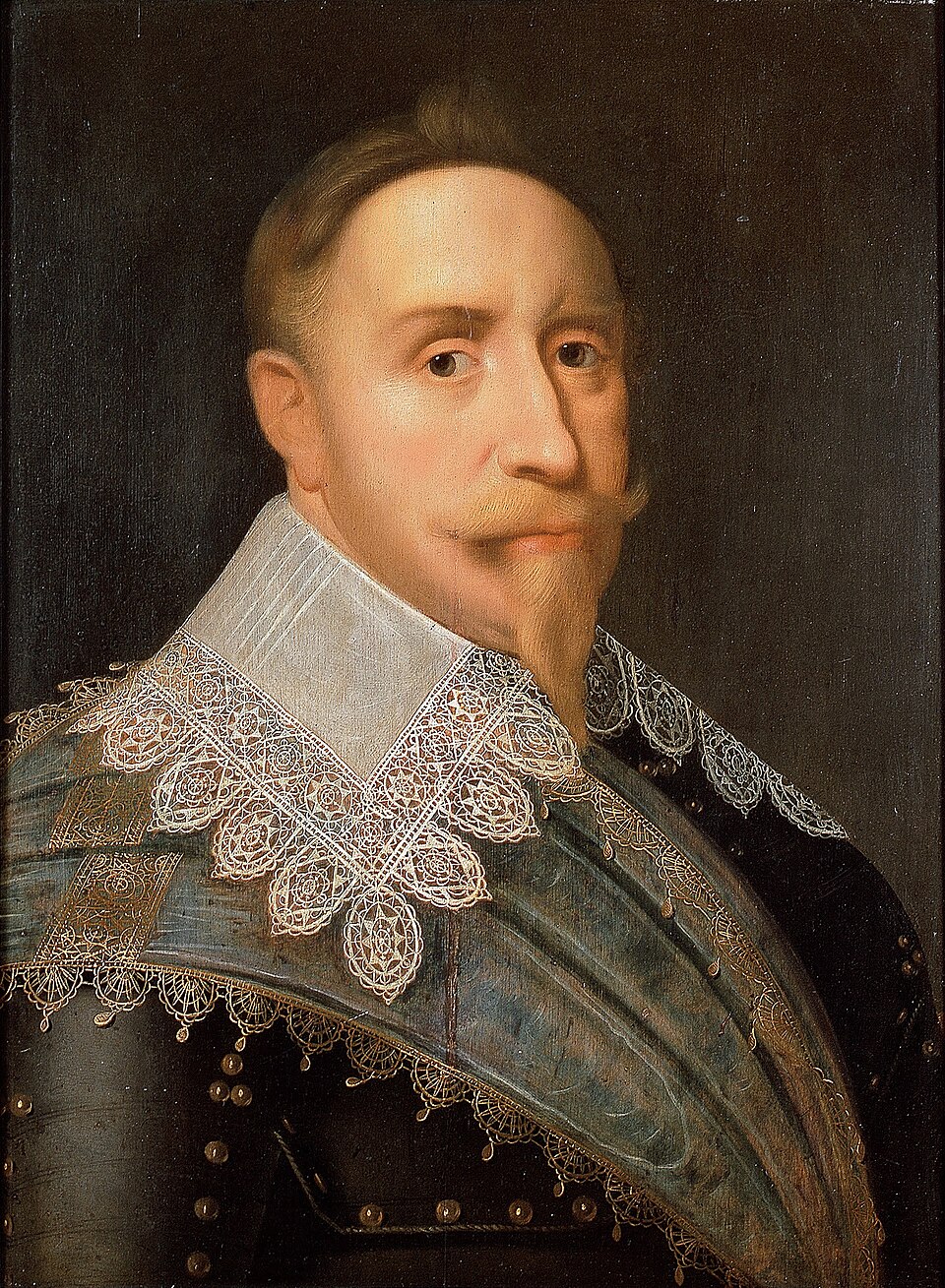
1611 - 1632 - Gustavus Adolphus (All Facts)
6th King of Sweden from the House of Vasa
He assumed the throne when he was 16 years old by the Swedish nobles and the council, for whom they demanded in exchange a guarantee of their rights
He was bullied into signing a charter of accession which allowed only nobles to take high office
He was a huge man who was blond and broad-shouldered
He was an outstanding statesman and brilliant military commander
He displayed a remarkable charisma, particularly with the common people
He worked with his astute chancellor Axel Oxenstierna
He turned Sweden from a feudal backwater into a major European power
He remodeled Sweden in every department
He streamlined Sweden’s government and made its council sitting permanently as a cabinet, making decisions in his absence
Along with Axel Oxenstierna, he
modernized Sweden’s
government
courts
promoted Sweden’s
education
commerce
industry
encouraged immigration
He led the most modern army in Europe of his day
He ensured that his conscript army was paid regularly, a rarity in his day (where most soldiers were expected to live off the land)
He built up a large navy to challenge Denmark for mastery over the Baltic
He and his Swedish forces
defeated the Russian forces in the Ingrian War
were defeated by King Christian IV and his Danish and Norwegian forces in the Kalmar War
However, this war featured his modernized army which he had equipped with reindeer-drawn sledges and skiing units
defeated King Sigismund III and his Polish-Lithuanian forces in the Siege of Riga (having taken Riga) and the Fourth Polish-Swedish War
defeated King Sigismund III and his Polish-Lithuanian forces in the Fifth Polish-Swedish War
During the Thirty Years’ War, he and his Swedish forces
invaded Pomerania and Mecklenburg to counteract recent German military successes in the Thirty Years’ War
with the help of John George of Saxony and his German forces, defeated Johann Tserclaes and his Holy Roman forces and Catholic League in the Battle of Breitenfeld
with the help of Bernard of Saxe-Weimar and his Swedish forces, defeated Albrecht von Wallenstein and his Holy Roman forces and Catholic League in the Battle of Lutzen
He
signed
The Treaty of Barwalde (with Cardinal Richelieu of France)
made an alliance with John George of Saxony of Germany of the Holy Roman Empire during the Thirty Years’ War
This catalyzed Sweden’s involvement in the Thirty Years’ War
Under his reign,
The Truce of Altmark was made (with Poland-Lithuania)
He was killed in the Battle of Lutzen during the Thirty Years’ War
He was killed as he led a cavalry charge into victory in the battle near Leipzig
He was 37 years old
He was deeply mourned

1604 - 1639 - Bernard of Saxe-Weimar (All Facts)
Duke of Saxe-Weimar and Protestant Military General who served Sweden during the Thirty Years’ War
He and Gustavus Adolphus and their combined Swedish forces defeated Albrecht von Wallenstein and his Holy Roman forces and Catholic League in the Battle of Lutzen during the Thirty Years’ War
He and his Swedish and German Lutheran forces were defeated by Ferdinand III and the Holy Roman Empire, Catholic League, and Spain in the Battle of Nordlingen during the Thirty Years’ War
He was promised the Duchy of Alsace as a reward for his cooperating with Cardinal Richelieu of France
He and his French forces defeated the Holy Roman Empire and Bavaria in the Battle of Rheinfelden during the Thirty Years’ War
He took Freiburg and the fortified town of Breisach afterwards
Upon his death, his armies and conquered territories were taken over and controlled by France

1612 - 1654 - Axel Oxenstierna (All Facts)
Lord High Chancellor (Chief Minister) and Regent of Sweden during the reign of Queen Christina
He worked with Gustavus Adolphus prior to Adolphus’s death
He kept Sweden involved in the Thirty Years’ War
He
along with Gustavus Adolphus,
modernized Sweden’s
government
courts
promoted Sweden’s
education
commerce
industry
encouraged immigration
He
tried to prevent Gustavus Adolphus from entering the Thirty Years’ War
However, he loyally served Adolphus in his military campaigns during the war
negotiated peace with Denmark, Poland, and Russia
Under his reign,
The Treaty of Hamburg was signed (with France)

1632 - 1654 - Christina (All Facts)
7th Queen (Ruler) of Sweden from the House of Vasa
She was an infant monarch and European stateswoman
She was a patron of Rene Descartes
She was the only child of Gustavus Adolphus and his wife, the Princess, Maria Eleanora of Brandenburg
She was an exceptionally gifted young woman, a linguist, and a scholar
She
accelerated the sale of the crown lands to pay for her armies
played off the peasantry against the nobles to ensure her cousin’s succession
She
signed the Peace of Westphalia, which
ended the Thirty Years’ War
confirmed Sweden’s control over the Baltic
signed a treaty a friendship with King John IV of Portugal where she offered Portugal military aid against Spain in exchange for Portuguese commerce
She abdicated the throne of Sweden, to the regret and consternation of her people, and was succeeded by her cousin (whom she was once determined to marry)
She likely did this due to her
lack of freedom as a (female) monarch
growing sympathy for Catholicism in a Protestant-dominated Sweden
She eventually became a Catholic

1654 - 1660 - Charles X Gustav (All Facts)
8th King of Sweden
He was the First King from the House of Wittelsbach
He signed the Treaty of Konigsberg (with Frederick William of Brandenburg) during the Northern War
He led Sweden in the Northern War, which he launched against the rest of Europe
He and his Swedish forces defeated Frederick III and his Danish-Norwegian forces in the First Dano-Swedish War
He signed the Treaty of Roskilde (with Frederick III of Denmark-Norway), ending the First Dano-Swedish War
He and his Swedish forces were defeated by Frederick III and his Danish-Norwegian forces in the Second Dano-Swedish War
He was killed in the Second Dano-Swedish War

1641 - 1680 - Per Brahe (All Facts)
Lord High Steward of Sweden
He suggested that Queen Christina establish the University of Turku in Finland

1660 - 1697 - Charles XI (All Facts)
9th King of Sweden
He was the 2nd King from the House of Wittelsbach
Upon his assumption to the throne, Russia looked for foothold on the Baltic coast