Exam 2 FSCI 4300 Pharmacology and Toxicology Marijuana, Synthetic Cannabinoids, Hallucinogens, and Benzodiazepines
 Call Kai
 Learn
 Practice Test
 Spaced Repetition
 Match
 Flashcards
 Knowt Play
1/101

Earn XP
Description and Tags
102 Terms
What is the structure of THC?

What is the structure of Anandamide?

What is the structure of 2-Arachidonoylglycerol?

What receptors does THC bind to?
CB1 and CB2
Where does THC increase release of DA?
NAc
What drug reverses some effects of THC?
naloxone
What does the activation of CB1 lead to?
decrease release of Glu and GABA
Is THC an antagonist or agonist?
partial agonist
What is the current theory to the medicinal claims of THC?
increased CB1 receptor presence leads to decreased neuronal activity, decreasing pain and inflammation
What is the bioavailability of THC if inhaled?
effective within minutes
can be dependent on chronic vs occasional use, duration/depth of inhalation, 10-35%
What is the bioavailability of THC if taken orally?
effects may take up to an hour
2-14%, but lasts longer as absorption happens over time
What is the half-life of THC?
around 7 days, total elimination could take over 30 days
How is THC distributed within the system?
95-99% bound to plasma proteins
highly lipophilic
peak in fat after 4-5 days, high amount in body fat acts as long term storage
How is THC metabolized?
CYP450, but 100+ metabolites found in animal models
hydroxylated then oxidized
THC-OH and THC-COOH main metabolites, THC-OH still psychoactive
finally glucuronidated and excreted in urine
What are the effects of THC?
euphoria, sometimes dysphoria
time moves faster
colors are brighter
emotions more meaningful
hallucinations
reduced anxiety
analgesia, muscle relaxation, appetite stimulation, antiemesis
What is the acute toxicology of THC?
short-term memory impairment, psychomotor slowness and hesitation
Why is it difficult to determine whether THC used influenced a motor accident?
THC stored within the fat, slowly diffused over time but effects are not felt after 4-5 hours, but can be detected over a month later
What is the chronic toxicology of THC?
short-term memory and psychomotor effects that last for weeks or months
What are the withdrawal effects of THC?
anxiety, restlessness, insomnia, anorexia, aggressive behavior
can be induced in as little as 21 days of continuous use
What is the systemic toxicology of THC?
tachycardia and postural hypotension
emphysema, cancer risk if smoked
3-4 MJ cigarettes equivalent to 20+ tobacco cigarettes
similar contaminants as tobacco cigarettes, but more concentrated
red eyes, bronchodilation, hypothermia, dry mouth, reduced bowel movements, increased oxygen demand, decreased intraocular pressure
may impact hormones and menstural cycles
Drug interactions with THC
muscle relaxers and benzodiazepines - enhance CNS depression to dangerous levels
cocaine - increased absorption of cocaine
sildenafil - heart attack? only one example
Who first began development of the synthetic cannabinoids?
John W. Huffman, 1984
JWH-018 most popular and found on the streets
Who created HU-210?
Raphael Mechoulam
Who created the schedule I cannabinoid AM-2201?
Alexandros Makriyannis
What are the 3 requirements for the pharmacophore of a synthetic cannabinoid?
A) ring system that provides steric requirements for receptor interaction
B) oxygen off the ring system allows for hydrogen bonding with receptor
C) alkyl side chain allows for hydrophobic interactions with receptor
What is the structure of JWH-018?

What is the structure of AM-2201?

What is the structure of HU-210?
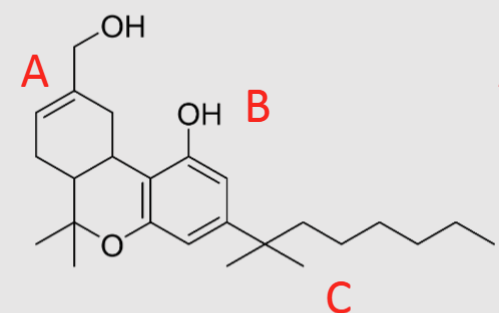
What is the structure of CP 47,497?

Where do the synthetic cannabinoids bind?
CB1 and CB2
Are the synthetic cannabinoids agonists or antagonists?
full agonists
What are the cannabinoid tetrad effects?
hypothermia, analgesia, catalepsy, hypolocomotion
Which synthetic cannabinoid has been self administered in rats?
HU-210
What are the withdrawal effects of the synthetic cannabinoids as seen in rodent models?
irritability, nervousness, sleep and appetite problems, headaches, depression, sweating and nausea
What is the bioavailability of the synthetic cannabinoids?
limited research
similar to THC?
lipophilic
What is the metabolism of the synthetic cannabinoids?
hydroxylation via CYP450, produces active metabolites
glucuronidation then occurs, resulting in inactive metabolites
What are the reported effects of the synthetic cannabinoids?
acute psychosis, confusion, anxiety, tachycardia, drowsiness, seizures, dizziness, agitation, hypertension, convulsions, nausea, vomiting, high blood pressure
Hallucinogen
a psychoactive agent that produces hallucinations, perceptual anomalies or other substantial changes in though, emotion or consciousness
What are the common hallucinogens?
lysergic acid diethylamide (LSD)
ketamine
dimethyltryptamine (DMT)
psilocybin
mescaline
phencyclidine (PCP)
What is the structure of LSD?
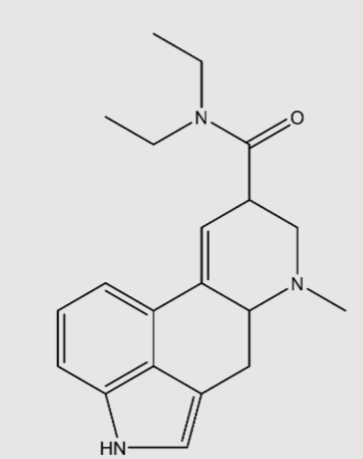
Where does LSD bind?
5HT2A
Is LSD an agonist or antagonist?
agonist
What are functions of the 1A 5HT receptor?
addiction
sexual function
thermoregulation
cardiovascular effects
What are the functions of the 1B 5HT receptor?
addiction
learning and memory
sexual function and vasoconstriction
What are the functions of the 1D 5HT receptor?
addiction
anxiety
vasoconstriction
What are the functions of the 2A 5HT receptor?
addiction
anxeity
imagination and mood
sexual behavior
sleep
thermoregulation
What are the functions of the 2B 5HT receptor?
anxiety
vasoconstriction
appetite
What are the functions of the 2C 5HT receptor?
addiction
anxeity
mood
sexual behavior
sleep
thermoregulation
appetite
What are the functions of the 5A 5HT receptor?
locomotion
sleep
What are the functions of the 6 5HT receptor?
anxiety
cognition
memory
learning
mood
What is the oral bioavailability of LSD?
71%
1% unchanged in urine
half life around 175 minutes, but effective for days after
psychological effects seen for 6-10 hours after dose
How is LSD metabolized?
P450
hydroxylized then followed by glucuronidation, produced inactive metabolites
What is the toxicology of LSD in the CNS?
suggestibility
extreme anxiety
flashbacks, bad trip that may persist for months-years, 20% chance of occurrence
What is the toxicology of LSD in the PNS?
wakefulness
dilated pupils
reduced appetite
What is the structure of DMT?

What receptor does DMT bind to?
5HT 1D
SERT
VMAT2
5HT 2A
5HT 2C
What is the bioavailability of DMT if taken orally?
DMT peak around 100 minutes, effects can last for four hours
How is DMT metabolized?
MAO-A, possibly MAO-B
What is the acute toxicology of DMT?
nausea, vomiting
rapid increase in heart rate
sympathomimetic - increase blood pressure
happiness, sadness, awe, amazement, terror
visual perception changes
What is the structure of psilocybin?
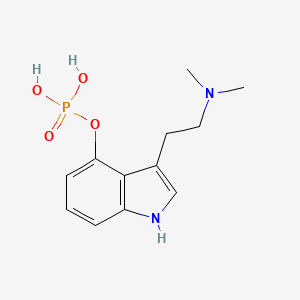
What is the structure of psilocin?
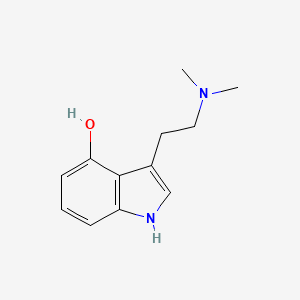
How does psilocybin transform into psilocin?
rapid dephosphorylation
What percent of psilocybin is absorbed?
50%
Where does psilocybin usually bind?
5HT2A, 2C, 1A
What is the toxicology of psilocybin?
tachycardia, anxiety, nausea, vomiting, diarrhea, delusions, confusions, feelings of impending doom
Which drugs are classified as dissociative anesthetics?
PCP and ketamine
Dissociative anesthetic
feeling of disconnection or detachment from the environment and the body
What is the structure of PCP?

What receptor does PCP react at?
NMDA
Is PCP an agonist or antagonist?
antagonist
How is PCP typically taken illicitly?
orally, IV, nasal, smoking
onset dependent on ROA, typically between 30sec-5min, orally 15-60min
How long are effects of PCP seen?
4-6 hours, sometimes 48 hours or weeks
How is PCP metabolized?
highly lipophilic
10% excreted unchanged
hydroxylized by CYP450
metabolites glucuronidated before excretion but still somewhat active
What are the reported effects of PCP?
changes in body image, dizziness, distortions, sensory illusions, hallucinations, difficulty thinking, misperceptions of time, depersonalization, mood changes, irritability, disinhibition, unpredictable behavioral changes
What is the toxicology of PCP?
tachycardia, increased blood pressure, rhabdomyolysis, nystagmus, seizure, memory loss, coma, death, hyperthermia
What is the structure of ketamine?

What receptor does ketamine react at?
NMDA antagonist
How is ketamine typically taken?
IV or IM
What is the IV/IM bioavailability of ketamine?
IM 93%, IV 100%
low plasma binding
How is ketamine metabolized?
CYP2B6 to norketamine
further metabolized by adding OH groups
half life 2-4 hours
What is the toxicology of ketamine?
distorted perception, out of body experience, visual/auditory distortion, hallucinations, emotional withdrawal, decreased mental function, nausea, dizziness, vomiting, tachycardia, hypertension, palpitations
What is the general structure of a benzodiazepine?

What is the structure of diazepam?

What is the structure of alprazolam?
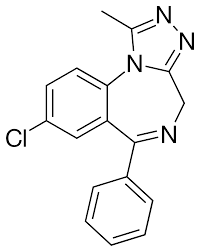
What is the structure of clonazepam?
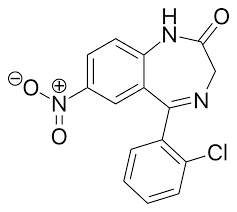
What is the structure of lorazepam?

What are benzodiazepines used to treat?
anxiety, convulsive disorders, skeletal muscle spams, insomnia, sedation, alcohol withdrawal
Where do benzodiazepines usually bind?
GABAa receptors
What is the oral bioavailability of benzodiazepines?
80-100%
lipid soluble
high levels of plasma protein binding, 80-100%
half life, difficult to determine and highly dependent on type, 5-80 hours
What is a short acting benzodiazepine?
half life less than 6 hours, triazolam
What is an intermediate acting benzodiazepine?
half life 6-24 hours, alprazolam, lorazepam, clonazepam
What is a long acting benzodiazepine?
half life longer than 24 hours, diazepam, flurazepam
What are the stages to metabolism of benzodiazepines?
CYP450 (3A4, 2C19)
1 - dealkylation
2 - hydroxylation at the third position, usually produces active metabolite
3 - glucuronidation of the OH group that was previously added
What type of benzodiazepine is best for seizures and anxiety?
long acting
What type of benzodiazepine is best for hypnotics and panic attacks?
short acting
What is the acute toxicology of benzodiazepines?
rare unless taken with another drug
drowsiness
dizziness
respiratory depression
confusion
sedation
amnesia
What is the antidote for a benzodiazepine overdose?
flumazenil
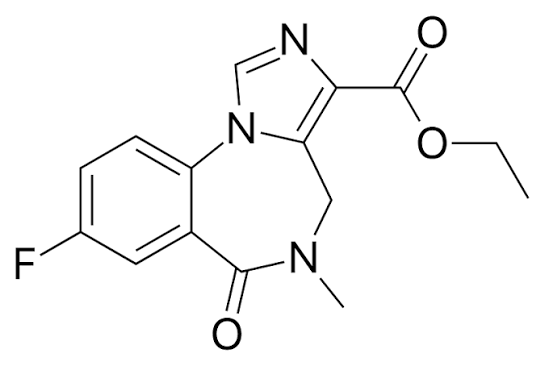
What makes flumazenil an antidote for benzodiazepines?
GABAa antagonist, competitive
binds to and displaces benzodiazepines
What are the shortcomings of flumazenil?
short half life, 50 minutes
highly specific to benzodiazepines
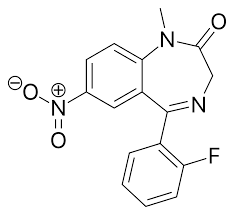
What is the structure of flunitrazepam, aka rohypnol (roofies)?