U.V LIGHT SUPPRESSION + vitamin D receptor
 Call Kai
 Learn
Learn Practice Test
 Spaced Repetition
 Match
Match Flashcards
 Knowt Play
1/19

Earn XP
Description and Tags
for ANSC454 -- Includes: information on the article + figure
Name | Mastery | Learn | Test | Matching | Spaced | Call with Kai | Chat |
|---|
No analytics yet
Send a link to your students to track their progress
20 Terms
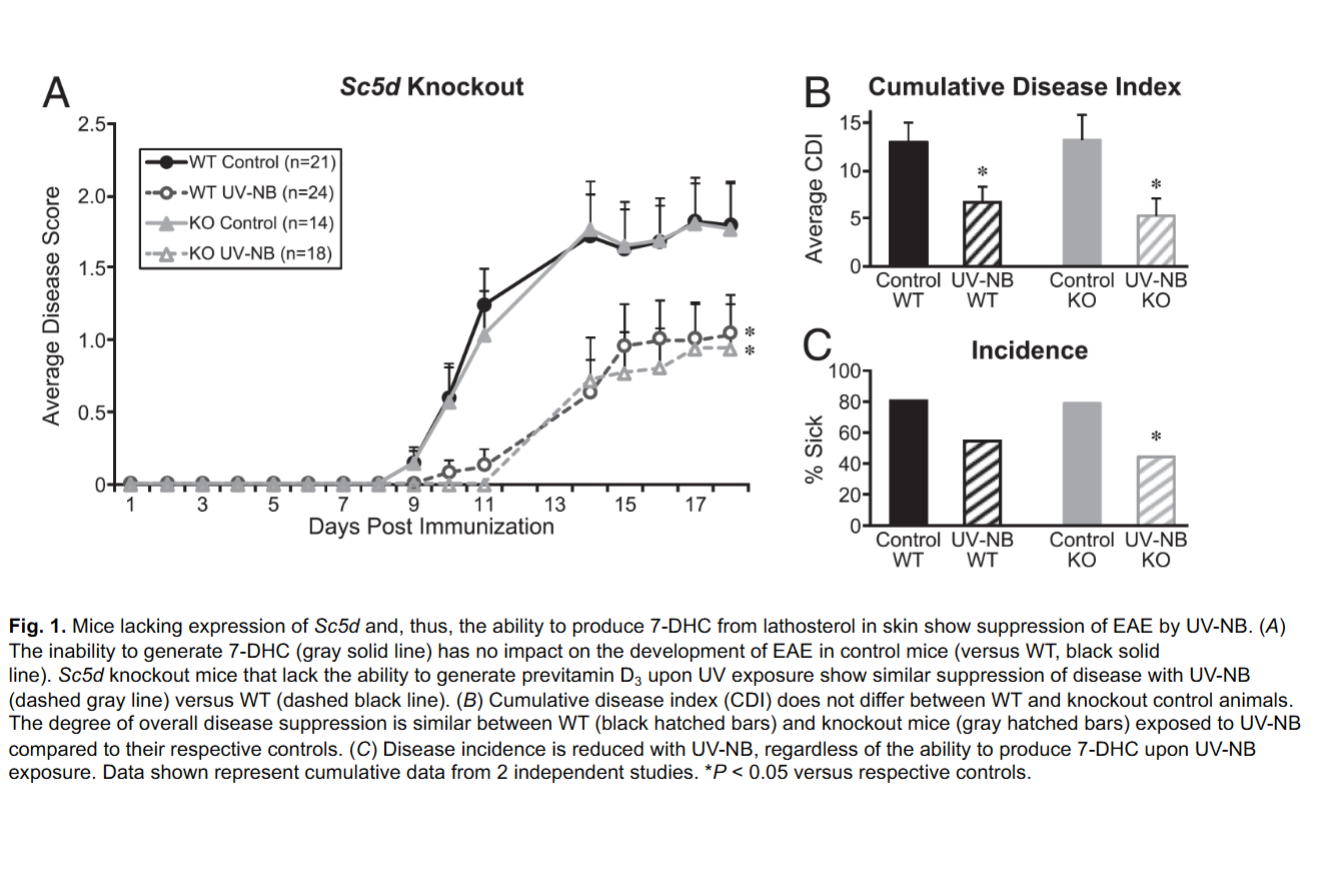
Figure 1 — Sc5d knockout mice (precursor deficiency)
briefly interpret it
main takeaway → preventing the synthesis of the vitamin D precursor in skin keratinocytes does NOT block UV light from suppressing EAE
A → both WT + Sc5d knockout control mice developed severe EAE
after daily exposure to UV → significantly suppressed EAE disease scores equally
B → total disease burden is reduced to the same extent in UV-treated WT + Sc5d knockout groups compared to their respective unexposed controls
C → the % of mice developing disease drops significantly following UV treatment regardless of whether the mice can produce 7-DHC

Figure 2 — Cyp27B1 + VDR knockout mice (enzyme + receptor deficiency)
briefly interpret it
main takeaway → neither the enzyme that produces active vitamin D or VDR is required for UV light to suppress EAE
A → Cyp27B1 knockout mice shows significant EAE disease suppression under UV-NB
mirrors protection seen in WT mice
B → VDR knockout mise display near-complete suppression of EAE symptoms when treated w/ UV lights compared to untreated VDR controls
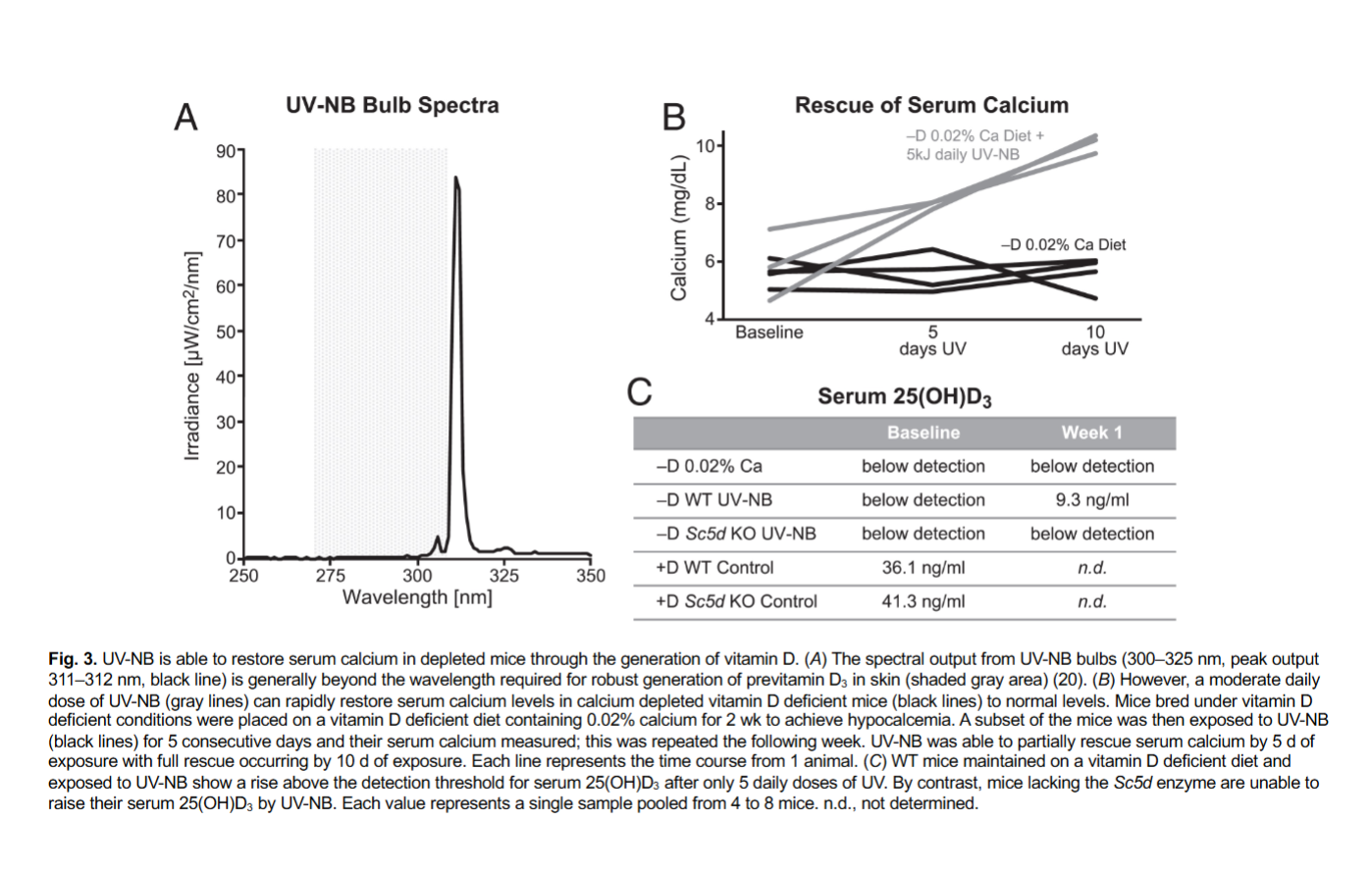
Figure 3 — UV validation + confirmation of complete knockout
briefly interpret it
main takeaway → confirms that while UV exposure can synthesise vitamin D + restore calcium in normal mice, Sc5d knockout mice are genuinely blocked from producing vitamin D → proves that UV protection operates through an independent pathway
A → shows the spectral output of the light bulb w/ a sharp emission peak at 311-312 nm
B → UV light exposure restores normal serum calcium levels in vitamin D-deficient WT mice over 10 days
C → UV light increases serum 25(OH)D3 in WT mice whereas it remains below detection in Sc5d knockout mice

Figure 4 — Low Dose UV light responsiveness
briefly interpret it
main takeaway → narrow band UV light suppresses EAE in a dose-dependent manner
daily exposure to either 2kJ or 5 kJ of UV light significantly reduces EAE disease scores compared to unexposed controls
5 kJ dose providing near-total suppression of disease onset

What is Multiple Sclerosis (MS)?
an autoimmune disorder → no known cure
characterised → overactive host immune response that targets + destroy the myelin sheath insulating axons in the CNS
specifically the brain + spinal chord
leads to loss of muscle control, impaired vision → leaves individuals unable to walk
affects 2.5 million people → more common in women
What are some genetic factors linked to MS?
strongly associated w/ specific immune recognition genes
particulary → HLA-DR2: encodes proteins responsible for binding + presenting antigens
What is Experimental Autoimmune Encephalomyelitis (EAE)?
the standard mouse model used to study human MS demyelinating pathology + potential therapeutic interventions
like MS → severe spinal cord inflammation + demyelination
causes quantifiable paralysis + motor dysfunctions
What are some historical Vitamin D assumptions?
Latitude Gradient
studies established a strong correlation between geographical latitude + MS risk
Populations closer to the equator had lower incidences of MS
presumably because they received higher solar exposure
Assumed Mechanism
Since UV radiation triggers synthesis of pre-vitamin D3 → credited the effects of sunlight on MD are credited entirely to increased vitamin D production
Neglect of Light
led to widespread promotion of oral vitamin D supplementation as a potential preventative/therapeutic measure
overlooking the effect of the UV light itself

Physiological Metabolism of Vitamin D
7 DHC
activated by Sc5D enzyme in keratinocytes + UVB light
Vitamin D3
hydroxylated in the liver
25-hydroxyvitamin D3
hydroxylated in the kidney by Cyp27B1 enzyme
1,25-dihydroxyvitamin D2 (Active form)
binds to vitamin D receptor (VDR)
Downstream gene expression + intestinal calcium transport
What is VDR’s role?
upregulates calcium-binding proteins + transport channels
drives calcium pumps that move Ca2+ from the intestinal lumen into the bloodstream
What happens if there is an absence of active vitamin D or functional VDR?
impairs calcium uptake → leads to hypocalcemia + reduced bone mineral density
What drove them to make this study?
prior observations → UVB light can suppress EAE symptoms independently of circulating vitamin D levels
wants to figure out → is vitamin D synthesis, enzyme conversion (Cyp27B1), or VDR required for UV phototherapy to suppress autoimmune demyelination in vivo
Cre-LoxP system
idea → global knockouts of essential developmental genes often cause embryonic lethality
can’t do functional analysis in adult tissue
floxed genes → LoxP targets DNA sequences that flank the gene of interest
tissue specificity → cre-recombinase expression is placed under the control of a tissue-specific promoter
cre-recombinase → recombines/digests/inverts the floxed sequence specifically within cells expressing that promoter
leaves the target gene intact in non-targeed tissue types
What is the Keratinocyte-specific Sc5d knockout model for?
gene → encodes an essential enzyme required to produce 7-DHC
Important precursor to pre-vitamin D3 synthesis in skin
study purpose → generates mice completely incapable of synthesising pre-vitamin D3 in epidermal keratinocytes upon UV exposure
What is the global Cyp27B1 knockout models for?
gene → encodes 1-(alpha)- hydroxylase: enzyme responsible for converting 25-hydroxyvitamin D3 into active 1,25-(OH)2D3 in the kidney
study purpose → eliminates the organism’s ability to produce the biologically active vitamin D3 hormone even if precursors are present
What is the global VDR knockout models for?
gene → encodes the nuclear VDR which is required for all classic vitamin D genomic signaling + calcium transport regulation
study purpose → eliminates all downstream vitamin D signaling pathway throughout the entire body (no chance for vitamin D functionality)
note → maintained on specialised high-calcium diet to prevent hypocalcemia + metabolic bone pathology
What is MOG and what was it used for?
the antigen (sequence) that host immune system from the pathogen source
injected this peptide to induce MS conditions
along w/ bacteria into the source to start the immune response
What are the foundings of the experiment?
UVB lights do help suppression of EAE disease suppression
vitamin D had no effect on disease suppression
New Questions + Next Investigations arising from the Article
What is the primary skin-derived mediator transmitting the UV signal to the CNS?
systematically test candidate skin photoproducts/signaling cascades activated by 300-315 nm light → like NO synthesis, photoisomerised UCA, or neuroendocrine factors like endorpins, serotonin, and melanin
How does local skin irradiation modulate systemic neuroinflammation?
Trace skin-resident immune cells (i.e., regulatory T cells) following UV-light exposure to determine whether they migrate to systemic lymph nodes or the CNS to suppress auto-reactive T-cell attack on myelin
Are current clinical recommendations for MS incomplete?
Re-evaluate clinical trials comparing oral vitamin D supplementation against controlled UV phototherapy.
since vitamin D supplements do NOT replicate the non-vitamin D pathways induced by UVB light → researchers must investigate whether phototherapy or novel non-vitamin D therapeutics provide superior disease protection

Sample Exam Question — Can we propose that EAE progression/suppression is independent of calcium levels?
YES!
active vitamin D → typically binds to the VDR to upregulate calcium transporters + maintain serum calcium levels.
Sc5d knockout mice exposed to UV-NB, serum 259OH)D3 remains below detection limites because precursor synthesis is also blocked.
even w/ vitamin D synthesis, activation + signalling blocked, or when special calcium diets are supplied to maintain baseline survival → UV-light exposure still achieves an equivalent ~80% suppression of EAE symptoms
UV-light protects against auto-reactive neuroinflammation through a non-calcium, non-vitamin D mechanism.