Med Term Chapter 11 - Digestive System Terms
 Call Kai
 Learn
 Practice Test
 Spaced Repetition
 Match
 Flashcards
 Knowt Play
1/76

There's no tags or description
Looks like no tags are added yet.
77 Terms
mouth
opening through which food passes into the body (ingestion); breaks food into small particles by mastication (chewing) and mixing with saliva
tongue
major organ for taste and speech; consists mostly of skeletal muscle and is attached in the posterior region of the mouth. The tongue moves food for mastication and directs it to the pharynx for swallowing.
palate
roof of the mouth; separates the nasal cavity from the oral cavity
soft palate
posterior portion, not supported by bone
hard palate
anterior portion, supported by bone
uvula
soft V-shaped structure that extends from the soft palate; directs food into the throat
pharynx
food and air passageway. Chewed food enters the pharynx from the mouth and is swallowed, directing it into the esophagus. Air enters the pharynx from the nasal cavities or mouth and passes into the larynx. (also called throat)
esophagus
10-inch (25-cm) tube that is a passageway for food extending from the pharynx to the stomach. Peristalsis, involuntary wavelike movements that propel food along the gastrointestinal tract, begins in the esophagus.
stomach
J-shaped sac that mixes and stores food. It secretes chemicals for digestion and hormones that act locally to control digestive system functions.
cardia
area around the opening of the esophagus
fundus
proximal domed portion of the stomach
body
central portion of the stomach, distal to the fundus
antrum
distal portion of the stomach
pylorus
portion of the stomach that connects to the small intestine
pyloric sphincter
ring of smooth muscle that guards the opening between the stomach and the duodenum
small intestine
20-foot (6-m) tube extending from the pyloric sphincter to the large intestine. Digestion is completed in the small intestine. Absorption, the passage of the nutrients (end products of digestion) from the small intestine to the bloodstream, takes place through the villi, tiny fingerlike projections that line the walls of the small intestine.
duodenum
first 10 to 12 inches (25 cm) of the small intestine
jejunum
second portion of the small intestine, approximately 8 feet (2.4 m) long
ileum
third portion of the small intestine, approximately 11 feet (3.3 m) long, which connects with the large intestine

large intestine
approximately 5 feet (1.5 m) long tube that extends from the ileum to the anus. Absorption of water and transit of the solid waste products of digestion take place in the large intestine.
cecum
U-shaped pouch that is the first portion of the large intestine
colon
main portion of the large intestine. The colon is divided into four parts: ascending colon, transverse colon, descending colon, and sigmoid colon.
rectum
distal portion of the large intestine, approximately 8 to 10 inches (20 cm) long, extending from the sigmoid colon to the anus
anus
sphincter muscle (ringlike band of muscle fiber that keeps an opening tight) at the end of the gastrointestinal tract. Provides for voluntary elimination of solid waste products of digestion.
salivary glands
produce saliva, which flows into the mouth
liver
produces bile, which is necessary for the digestion of fats. The liver performs many other functions concerned with digestion and metabolism.
biliary tract
organs and ducts (passageways) that transport, store, and release bile (also called biliary system)
bile ducts
passageways that carry bile.
The hepatic duct collects bile formed in the liver. The cystic duct transports bile to and from the gallbladder for storage.
common bile duct
small, tubelike structure where the hepatic duct and cystic duct join; conveys bile to the duodenum to aid in the breakdown of fats
gallbladder
small, saclike structure that stores bile produced by the liver
pancreas
glandular organ that produces pancreatic juice, which helps digest all types of food; secretes insulin and glucagon to regulate blood sugar
peritoneum
serous saclike lining of the abdominal and pelvic cavities
appendix
small pouch attached to the cecum. While its function is not fully understood, the appendix may play a role in supporting the immune system and maintaining beneficial microbes in the intestines. (also called vermiform appendix)
abdomen
portion of the body between the thorax and the pelvis
appendicitis
inflammation of the appendix
cheilitis
inflammation of the lips
cholangioma
tumor of the bile duct
cholecystitis
inflammation of the gallbladder
choledocholithiasis
(kō-led-o-kō-li-THĪ-a-sis)
condition of stones in the common bile duct
cholelithiasis
condition of gallstones
colitis
inflammation of the colon
diverticulitis
inflammation of a diverticulum
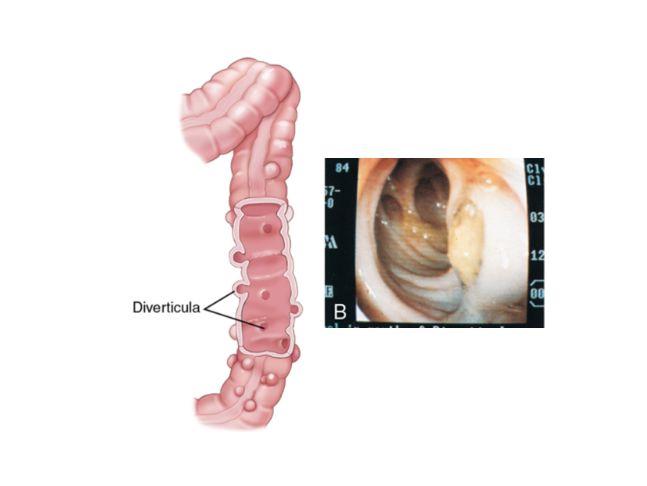
diverticulosis
abnormal condition of having diverticula
dysentery
painful intestines (disorder that involves inflammation of the intestines, usually the large intestine, associated with abdominal pain and diarrhea that is often bloody)
enteritis
inflammation of the intestines
enteropathy
disease of the intestines
esophagitis
inflammation of the esophagus
gastritis
inflammation of the stomach
gastroenteritis
inflammation of the stomach and intestines
gingivitis
inflammation of the gums
glossitis
inflammation of the tongue
hepatitis
inflammation of the liver
hepatoma
tumor of the liver
pancreatitis
inflammation of the pancreas
peritonitis
inflammation of the peritoneum
polyposis
abnormal condition of (multiple) polyps (in the mucous membrane of the intestine, especially the colon.)
proctitis
inflammation of the rectum
rectocele
hernia of the rectum
sialolith
stone in the salivary gland
steatohepatitis
inflammation of the liver associated with (excess) fat; (often caused by alcohol abuse and obesity; over time may lead to cirrhosis)
stomatitis
inflammation of the mouth (mucous membrane)
uvulitis
inflammation of the uvula
adhesion
abnormal growing together of two peritoneal surfaces that normally are separated. This may occur after abdominal surgery.
Surgical treatment is called adhesiolysis or adhesiotomy.
celiac disease
malabsorption syndrome caused by an immune reaction to gluten (a protein in wheat, rye, and barley), which may damage the lining of the small intestine that is responsible for absorption of food into the bloodstream.
Celiac disease is considered a multisystem disorder with varying signs and symptoms, including abdominal bloating and pain, chronic diarrhea or constipation, steatorrhea (excessive fat in the stool), vomiting, weight loss, fatigue, and iron deficiency anemia. A pruritic skin rash known as dermatitis herpetiformis may be associated with celiac disease. (also called gluten enteropathy)
cirrhosis
chronic disease of the liver with gradual destruction of cells and formation of scar tissue; commonly caused by alcoholism and certain types of viral hepatitis
Crohn disease
chronic inflammation of the gastrointestinal tract, usually affecting the ileum and colon (but can occur anywhere between the mouth and anus); characterized by cobblestone ulcerations and the formation of scar tissue that may lead to intestinal obstruction (also called regional ileitis or regional enteritis)
gastroesophageal reflux disease (GERD)
abnormal backward flow of the gastrointestinal contents into the esophagus, causing heartburn and the gradual breakdown of the mucous barrier of the esophagus
hemochromatosis
iron metabolism disorder that occurs when too much iron is absorbed from food, resulting in excessive deposits of iron in the tissue;
can cause heart failure, diabetes, cirrhosis, or cancer of the liver
hemorrhoids
swollen or distended veins in the rectum or anus, which are called internal or external, respectively, and can be a source of rectal bleeding and pain
ileus
nonmechanical obstruction of the intestine, caused by a lack of effective peristalsis (involuntary wavelike movements that propel food along the gastrointestinal tract)