Psyc 101: Functions of the Brain
 Call Kai
 Learn
Learn Practice Test
 Spaced Repetition
 Match
Match Flashcards
 Knowt Play
1/23

There's no tags or description
Looks like no tags are added yet.
Name | Mastery | Learn | Test | Matching | Spaced | Call with Kai | Chat |
|---|
No analytics yet
Send a link to your students to track their progress
24 Terms

Responsible for basic bodily functions, that includes the brainstem (Medulla & Pons) and the Cerebellum.
Hindbrain-

Location: Extension of the spinal cord into the skull (like the stem of a flower)
Function: Responsible for vital functions such as breathing, circulation, and blood pressure.
Damage: life treating, failures in vital automatic function.
Medulla-

Location: Sits between the medulla and midbrain, connects the cerebellum to the rest of the brain.
Function: Relay information from the cerebellum to the brain. Also connected to sleep, arousal, triggering dreams and facial expressions.
Damage: sever disruptions in body movement, balance, sensory processing, and automatic functions.
Pons-
Location: Attached to the brainstem.
Function: Contains more nerve cells than the rest of the brain. Controls skilled movement, balance and control.
Damage: Loss of muscle coordination, balance issues and trouble with precision task.
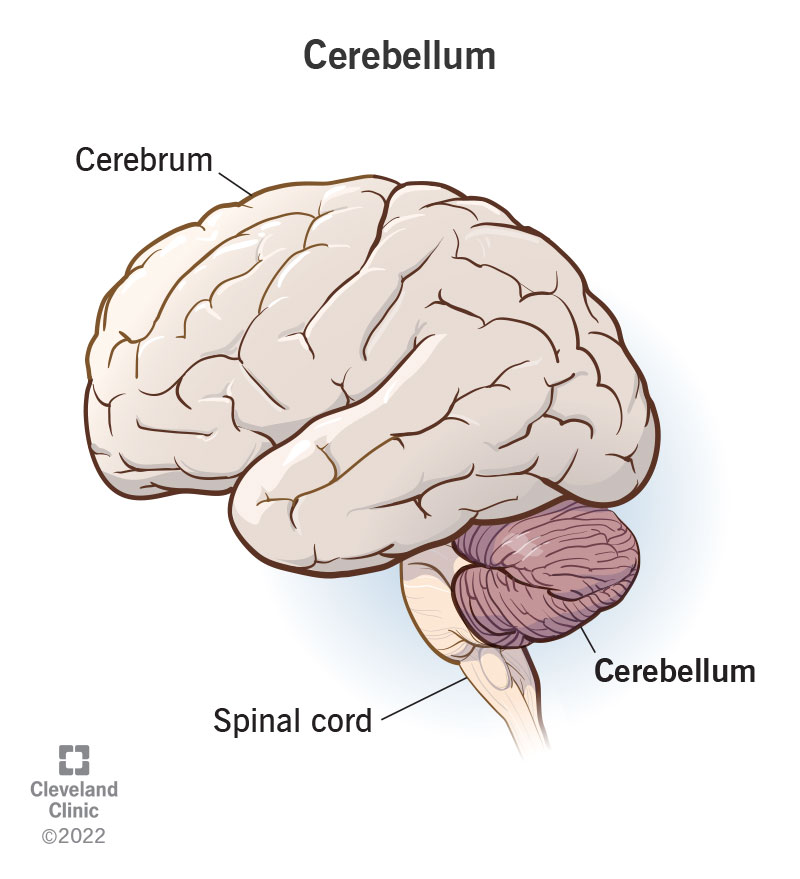
Cerebellum-

Location: Runs the length of the brainstems core.
Function: Participates in the management of mood, arousal, and sleep. The activity happening here is correlated with wakefulness, deep sleep, and unconsciousness.
Damage: Coma
Reticular Formation-

Location:Sits between the pons and cerebral.
Function: Sensory reflex, movement & pain.
Damage: To this particular part of the brain can cause Parkinson's Disease.
Midbrain

Location: Center of the brain.
Function: Involved with processing sensory information (every sensory besides sleep).
Damage: Sensory lost, & sleep disturbances.
Thalamus-

Location: A set of subcortical structures that curve around and cup the thalamus
Function: Directs voluntary movement (being able to control your movements when you want).
Damage: disrupts your ability to start, stop, and control voluntary body movements (Parkinson disease)
Basal Ganglia-

Location: Part of the basal ganglia.
Function: Important part of ours brain's reward circuitry. Meaning it is associated with motivation and anticipation of awards. Also takes on a big part in addictions and social inclusion.
Damage: Lost of motivation, interest and initiative.
Nucleus Accumbens-
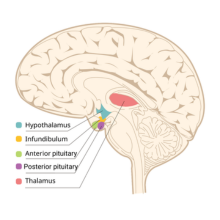
Location:Just below the thalamus and above the pituitary gland.
Functions: Regulates thirst, temperature hunger, sexual behaviors, and aggression. This is also known as the four F's (fighting, fleeing, feeding and fun (sex).
Damage: throws off the body mater command system, for hormones, temperature, sleep and appetite.
Hypothalamus-

Location: In the medial temporal lobes. The hippocampus is shaped like a seahorse.
Function: Creating new memories, knowledge integration (retrial of memories) it can also play a role in stress management.
Damage: Lose the ability to form new explicit memories, but you keep your old ones.
Hippocampus-
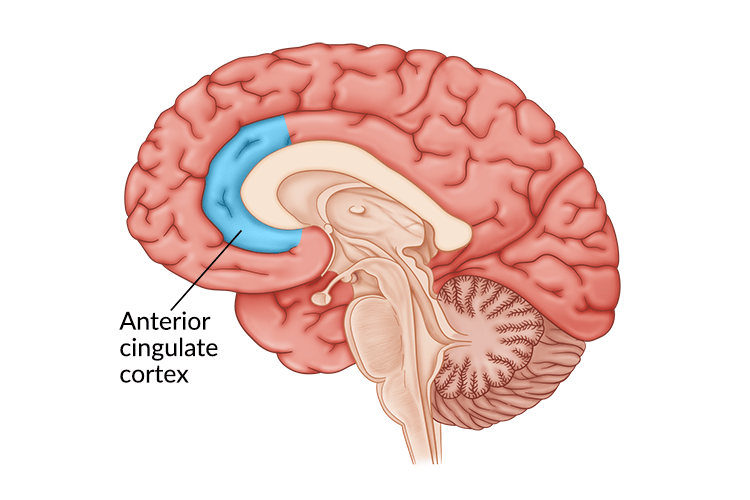
Location: Folds of tissue on the inner surface of the cerebral hemisphere.
Function: Decision making, emotions, anticipation of reward and empathy.
Damage: Messes with how you process emotions.
Cingulate Cortex Anterior-

Location: Folds of tissue on the inner surface of the cerebral hemisphere.
Function: Memory and visual processing.
Damage: Messes with how your brain handles your attention span and day dreaming
Cingulate Cortex Posterior-

Location: Deeply embedded in the temporal lobe.
Function: Receives sensory information (vision, hearing, and smell). Emotional processing, remembering and responding to fear and aggression.
Damage: disrupts how the brain recognizes threats and fear
Amygdala (fear center)

Top half of the brain that contains subcortical structures.
Forebrain-
Lie underneath the wrinkly outermost covering of the brain.
Subcortical Structures-
Plays an important role in the body's pain management.
Midbrain (middle of the brain)
The brain has four of these, and they are filled with cerebrospinal fluid to help fusion the brain.
Ventricles-
Location: Front region of the cerebral cortex
Function: Houses the primary motor cortex and has specialized abstract thinking, planning, memory, and judgment. This is essential for reasoning and problem solving.
Damage: Can speak but has a difficult time forming sentences just very slowly. This is called Brocades aphasia.
Frontal lobe
Location: Side region of the cerebral cortex (above the ears)
Function: Hearing and language, receive information from the ears
Damage: individuals are still able to talk at a good pace but have a hard time making grammatical sense. And sometimes tends to throw in random words.
Temporal Lobe
Location: A region of the left temporal lobe.
Function: Comprehending Speech
Damage: Fluent speaking but unable to make sense, called wernickes aphasia
Temporal Lobe Werkickens Area
Location: The back of the cereal cortex.
Function: Processes usual information including shape, color and movement
Damage: Partial or complete blindness
Occipital Lobe
Location: The top middle region of the cerebral cortex, it contains the primary somatosensory cortex.
Function: Processing information about, touch, pain, temperature, and body position.
Damage: The inability to recognize stimuli on the opposite side of your midline.
Parietal Lobe
Location: Thick band of nerve fibers that connects large areas of the cereal cortex on each side of the brain.
Function:Supports communication of information across the hemisphere
Damage: Stops the left and right sides of your brain from talking to each other.
Corpus Callosum