Consumer Marketing Lecture 5: The Consumption Environment
 Call Kai
 Learn
 Practice Test
 Spaced Repetition
 Match
 Flashcards
 Knowt Play
1/29

There's no tags or description
Looks like no tags are added yet.
30 Terms
breadth
number of different categories
depth
number of different items within categories
size
number of (unique) items sold by a retailer
crowding
the subjective experience of social density - defined as the number of people per unit area
what does crowding influence?
retail outcomes like time spent, store satisfaction, shopping intentions
crowding signaling
signals popularity (informational influence) signals status (exclusivity) - less people higher status
how does crowding influence decision process?
high crowds makes consumer more visceral and more emotional. in more crowded environments, decisions are based more on affect than on cognition which influences shopping behavior
sensory marketing
marketing techniques that aim to seduce consumers by using their senses to influence their feelings and behavior
affective
general positivity optimal stimulation
cognitive
association direct behavioral effects
visual
elements such as color, brightness, lighting shape consumers' perceptions of space and products
warm colors
increase arousal, but can reduce satisfaction - for example, among customers waiting in checkout lines
auditory
physical properties (volume, pitch, rhythm, tempo), emotional tone (positive. negative), and customer liking of auditory elements
the presence of music typically beneficial for the shopping experience -fitting with brand values is important
olfactory
smells -the right scent can positively impact customers' behavior -presence (or absence), pleasantness, fit with product -retailers use pleasant ambient scents in stores in order to create a positive experience and increase sales
olfactory imagination
even when consumer can't actually smell a product, ads can trigger imagined scent experiences through visuals
tactile
The physical feel of a product (texture, weight, softness) signals quality and appeal to consumers.
Customers are more likely to purchase a product after they have touched it, as touch increases feelings of connection and ownership.
When do people like to touch products?
they love to touch products but not when touched by others unless the person was really cool
taste
Taste elicits strong visceral reactions and remains in memory for a long time (both positive and negative)
taste perceptions and experience
can be biased by expectations--such as price, brand, packaging -> even shows up in fMRi
design
visual and spatial elements that structure and organize the environment
examples of design
store layout, signage, website design, assortment
ambient
Background sensory cues that influence your experience of the environment
examples of ambient
music, scent, lighting, temperature
social
presence and behavior of others in the environment (physical or virtual)
examples of social
staff, other shoppers, crowding, (online: likes, reviews)
trialability
the extent to which customers can try, touch, or experience products or services before purchase
examples of trialability
product sampling, fitting rooms, demos
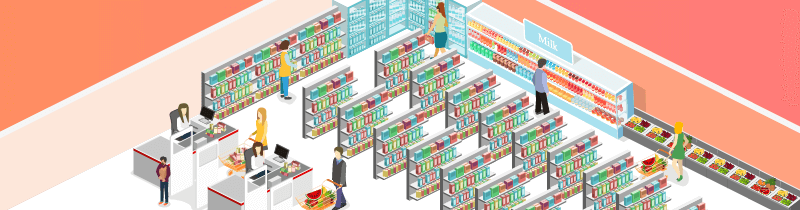
grid layout
albert heijn
freeform layout
de Bijenkorf

race track layout
ikea
