permit test
 Call Kai
 Learn
 Practice Test
 Spaced Repetition
 Match
 Flashcards
 Knowt Play
1/118

There's no tags or description
Looks like no tags are added yet.
119 Terms
following a motorcycle
leave 3 or 4 seconds when following a motorcycle. so the motorcyclist has enough time to maneuver or stop in an emergency
changing lanes or merging with motorcycles
signal your intentions, and check your mirrors and blind spots
riding on the road with a motorcycle
allow them a full lane width, do not share the lane

what does this mean?
steady red light, stop before the stop line, crosswalk, or intersection
you may turn right as long as it doesn’t say no turn on red, but stop first, yield to pedestrians and traffic
you may turn left if you are in the left lane and are turning from one one-way street to another, as long as it doesn’t say no turn on red, but stop first, yield to pedestrians and traffic
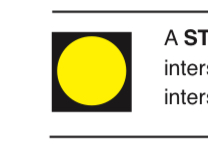
what does this mean?
steady yellow light, warns that red light will soon appear
slow down and prepare to stop, or go through carefully if close to the intersection

what does this mean?
go unless a light tells you not to, but yield to other vehicles and pedestrians when turning

what is this
means stop and don’t turn in the direction the arrow points

what is this
slow down and stop if it turns red, or turn slowly if it’s not red yet when you turn

what is this
turn in the way the arrow points, if the arrow turns green, continue but yield to pedestrians and traffic

what is this
flashing red light, means stop and look both ways
you can go when the intersection is clear

what is this
flashing yellow light, means caution, slow down and be careful

what is this
flashing yellow arrow, means you can turn in the arrow’s direction with caution if you yield to traffic and pedestrians
oncoming traffic will still have a green light
how should you treat a non functioning light
a four way stop sign
ramp metering signals on highways
wait for the green signal before you enter the highway, on single lane ramps, only one car may enter each time the light is green. and on multi lane ramps, each lane will have a meter

what is this
downward green over a traffic lane, you may use the lane

what is this
yellow x over a traffic lane, you must change lanes because the direction of travel is soon to be reversed
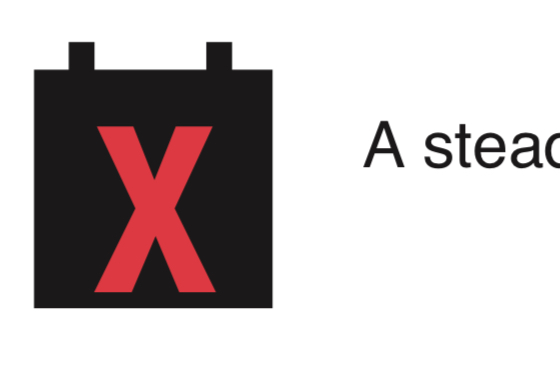
what is this
red x over a traffic lane, you cannot use the lane

what is this
means you can only turn left if you’re in that lane

what is this
you can only turn left in that lane, but it is shared by left turning drivers from the other direction

school zone signals
you must travel 15 mph or less in a school zone when the signals are flashing or during the time period indicated on the sign
railroad crossing signals
stop at all railroad crossings when the train is coming

stop sign
stop before the front of your car meets tar white stop line or crosswalk, check for traffic and pedestrians before you go

except right turn
means stop unless you’re turning right
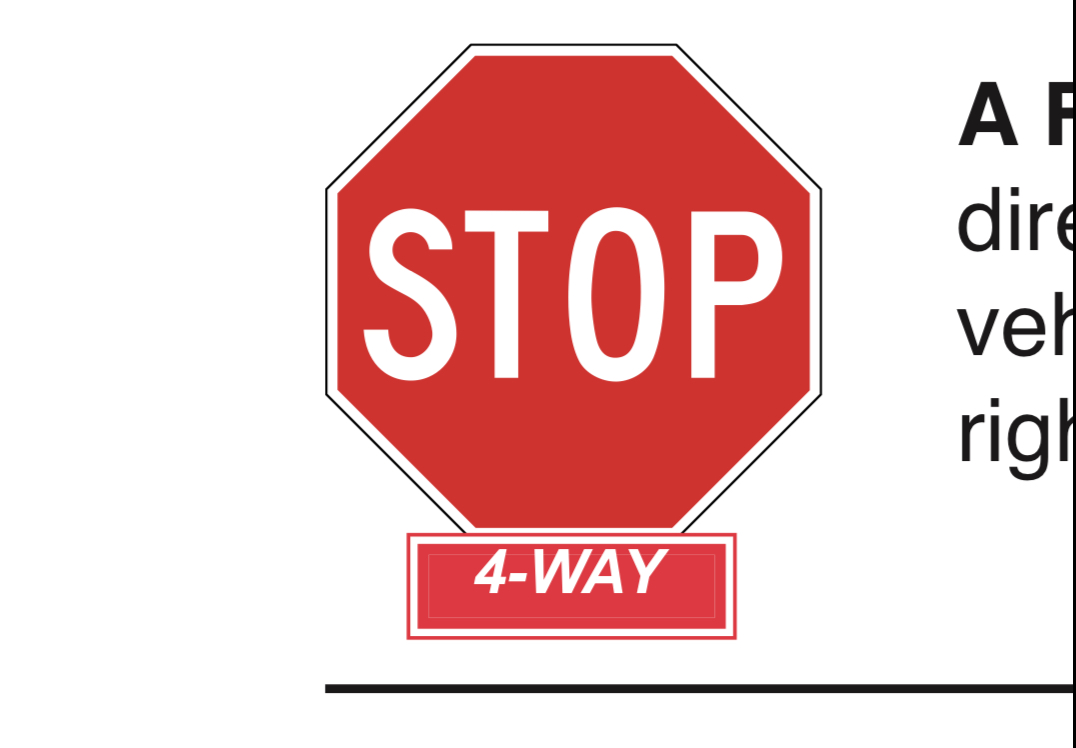
four way stop
the first vehicle to reach the intersection should go first, if two go at the same time, the person on the right comes first

yield sign
slow down, check for traffic, and give others the right of way
proceed when you do not affect normal traffic flow, and there is a significant gap in traffic before you go

to oncoming traffic sign
means yield to opposing traffic at a one lane roadway

railroad crossbuck sign
yield, slow down, and prepare to stop if you hear a train approaching
do not enter sign and wrong way sign
do not enter means don’t enter, and wrong way is if you’re already on there
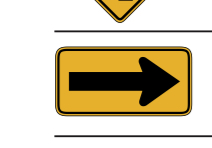
one way sign
traffic can only move in the direction the sign points in

do not pass sign
you can’t pass cars going in the same direction as you

lane use control signs
traffic in the left lane can only turn left, while the right lane can turn left or straight

center lane left turn only
the lane is reserved for only left turning vehicles

left: turn to left or right
right: straight or turn right

you have to turn the way the arrow points no matter what

keep right of whatever the obstacle is
speed limits
in poor conditions, drive slower than the speed limit

left turn yield on a flashing yellow arrow
left turn is permitted when yellow arrow is flashing, but yield to oncoming traffic
left turn yield on green
a left turn is permitted, but you must yield to oncoming traffic

opposing traffic can go when you’re on red

chevron signs
sharp change in the direction of the road, a curve to the left or right

left curve
road curves left, slow down, stay in the center of your lane

right curve
road curves ahead to the right, slow down and position your vehicle to the right of the center of your lane

right and left sharp turns
the road turns sharply in one direction and then back in the other direction, so slow down and prepare to adapt

winding road (series of curves)
three or more curves in a row on the road ahead
the road changes direction at an extreme angle

road entering curve
slow down before reaching curve, main road curves to the left with a side road entering from the right

truck rollover
if you’re driving a truck too fast it could roll over

advisory speed signs
highest speed you should travel around a curve

merging traffic
traffic may merge into your lane, and the entering traffic must yield to the original traffic

added lane
two roadways meet, merging is uneccesary because merging traffic and their own lane

weave area
traffic is exiting and crossing your path, so you will merge with another roadway

divided highway begins
the highway has a divider and two one way roadways

divided highway ends
the divided highway that you’re on is about to end, keep to the right of the centerline and watch for oncoming traffic

two way traffic ahead
one way is about to end, so stay in your lane to the right of the centerline

lane ends
one lane is gonna end

name these intersection signs
cross road, side road, “t” intersection, “y” intersection, circular intersection

tells you that at some point the intersection is only gonna allow you to go left or right instead of forward

narrow bridge or underpass ahead
each lane becomes narrower, slow down and stay in lane

slippery when wet
reduce speed and increase following distance, don’t accelerate or brake quickly p, take slow turns

low clearance
don’t enter if your car is taller than the height on the sign

shoulder signs
tell you if the shoulder is lower than the road or soft (not paved)

hill
steep hill ahead, slow down and shift to a lower gear

there’s a traffic light

stop sign coming

bike crossing soon

railroad crossing ahead

advanced intersection/railroad crossing sign
intersecting road has a railroad crossing very close to the intersection

bike and motor vehicle share road

pedestrians cross here

school zone, watch for kids

horse carriages come through or share the roadway

caution markers
dangerous roadside objects or conditions are indicated by markers in which the lines point to where you need to go to avoid danger: picture 1 means keep left, picture 2 means avoid the center, and picture three means keep right

work zone signs
workers or equipment may be in or near the roadway, you are required to turn on headlights at all times of day

active work zones
portion of a wok zone where the workers are active on the roadway

road work ahead, slow down

lane closed ahesd
a lane will be closed a specific distance ahead

road closed flooding
road ahead is closed due to flooding, use alternate route

workers ahead
be careful bc workers are ahead

flagged ahead
a construction flagger is controlling traffic

move/merge right (lane closure warning)

move/merge left (lane closure warning)

caution (work area ahead, lane closure)

highway/expressway guide signs
usually 3 advance signs, one posted at the exit

exit numbers
you have to exit the highway if you’re in an exit only lane

if the exit part is on the left of the sign you would exit on the left, if the sign has white arrows, the arrows will point in the exit’s direction
what do interstate signs do
they are numbered to help motorists find their way through unfamiliar areas, a code is used to show how the route travels

interstate numbering system
1 or two digit, even numbered interstates are usually east west routes, in pa, i-76 is the southern part, and i-84 and i-80 are the northern part
1 or 2 digit odd nuMbered interstates are usually north south routes, in pa, i-7o is west and i-95 is east
3 digit numbered interstates starting with an even number usually connect to interstate highways at both ends
3 digit interstates starting with an odd number connect to an interstate highway at only one end

mile markers
indicate the number of miles from the point where the traffic route entered the state or from its beginning
the numbers start at zero in the western part of the state for east-west roadways and in the southern part of the state for north-south roadways
they increase as you travel east or north and decrease as you travel south

what route does this indicate
U.S. traffic route 22

what route does this indicate
pa tra

what route does this indicate
jct stands for junction, so you are approaching the intersection of u.s. traffic route 22

what route does this indicate
traveling west on u.s. traffic route 22

what route does this indicate
approaching a right turn to continue on u.s. traffic route 22 west

what route does this indicate
continue ahead to get on u.s, traffic route 22

hospital

telephone
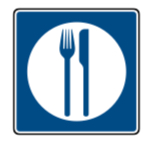
food

gas

diesel

lodging