Massage
 Call Kai
 Learn
 Practice Test
 Spaced Repetition
 Match
 Flashcards
 Knowt Play
1/27

There's no tags or description
Looks like no tags are added yet.
Name | Mastery | Learn | Test | Matching | Spaced | Call with Kai | Chat |
|---|
No analytics yet
Send a link to your students to track their progress
28 Terms
what is massage?
- massage involves stroking, kneading, and pressing the soft tissues of the body with the hands
- used to stimulate circulation, relieve muscle tension, and promote relaxation
tui na
- therapy technique originating in china
- was first introduced in japan around 700 A.D. and overtime was modified and renamed Shaitsu "finger pressure" massage
ancient india
- massage was practiced in ancient india (1500 B.C.)
- hindus used a form of healing touch in the practice of Ayurvedic "life health" medicine
per henrik ling
- 1813
- father of sweedish gymnastics, physiologist, gymnastics instructor, and expert fencer
- founded the Royal Central Institute of Gymnastics (RCIG)
- combined his knowledge of physiology and gymnastics with chinese, egyptian, greek, and roman massage
- known as the swedish massage
johan mezger
- a dutch massage practitioner
- effleruage
- pertriassage
- tapotement
- friction
- vibration
albert hoffa
- german surgeon, orthopedist
- developed medical massage therapy (1893) "Hoffa System"
- treat soft tissue pain syndromes and dysfunctional joints/muscles
- commonly used in German Rehab hospitals
Society of Trained Masseuses
- england (1894)
- four nurses: lucy robinson, rosalind paget, elizabeth manley, margaret palmer
- 1920 became Chartered society of massage and medical gymnastics
- 1944 became the chartered society of physiotherapy
American Association of Masseurs and Masseuses
- formed in 1943 to legitimize massage therapy due to years of being associated with ill repute
- renamed in 1958: American Massage and Therapy Association
- 1983: American Massage Therapy Association
- massage therapy programs are 9 months to 1 year in duration, board exam
oil and massage
- oil allows hand to slide smoothly/evenly over contours of body w/out risk of friction
- only thin film of oil necessary to lubricate the skin
- grapeseed, sunflower, and safflower oil
pts skin and massage
- inspect the pts skin and your hands
- ask the patients' permission to touch them
- warm up your hands and place them over the body for a few seconds, and then slowly make contact
- hands should be relaxed, soft, and responsive
- keep one hand in contact at all times
- if you do, remove hands gently and slowly
- check in with pt
effleurage
- gentle rhythmic strokes glide over the skin, hands mold to the body using oil, used to begn and end massage for transition to other strokes
- allows therapist to assess underlying tissue
- can be used in acute conditions to improve circulation and. lymphatics, reduce swelling, inhibit pain, and promote healing
- in chronic conditions, it can be used at the beginning and at the end of treatment to provide entry and exit from mechanical techniques
- hour glass
- shingling
- horizontal stroking
petrissage
- much deeper than effleurage strokes
- lifting and squeezing of soft tissues in a kneading motion, or pressing or rolling of the tissues
- no gliding over the skin except between progression from one area to another
- do a few effleurage strokes after to smooth out the area
friction
- deep petrissage type stroke
- often used over tense ropy muscle where a spams has been detected (trigger points)
- small circular movements with fingertips, thumb or heel of hand
- no gliding occurs between the skin and finger/hand, only the under tissue is moved
tapotement
- consists of brisk hacking or fisting motions using the lateral aspect of the hands, fists, or cupping of the hands
- light, rapid, rhythmic, alternating motions
- the pressure is quite light, should not cause pain or the patient to gasp
- usually performed over a sheet
- used for stimulation purposes not relaxation/pre-sports
vibration
- small amplitude oscillations of the underlying tissue
- large amplitude rocking motions of a limb or the whole body (rebounding)
- used to release tissue fibrosis or habitual muscle holding patterns
indications for massage
- establish connection with patient through touch
- early after injury to improve circulation, remove by products of inflammation, and prevent congestion
- reduce pain via neural gating mechanism/ pain modulation
- improve sleep patterns
- in combination with passive ROM encourages organized healing of connective tissue
- use as a stepping stone to more aggressive, mechanical work
- in more chronic conditions use at the beginning and at the end of treatment to provide entry and exit from mechanical techniques
contraindications for massage
- bleeding disorder or blood-thinning medication
- burns or healing wounds
- DVT
- fractures
- severe osteoporosis
- over cancer or tumor
how does massage work
- stimulation of sensory receptors in the skin and superficial fascia activates the parasympathetic nervous system that inhibits bodily processes
- creates a relaxation response that reduces BP, slows respiration, decreases the production of stress hormones, and causes muscle relaxation
- capillaries dilate increasing blood flow and improving lymphatic circulation
- enhances the delivery of oxygen and nutrients and eliminates waste products
- facilitates healing
pain neuroscience education
- pain perception
- not always a tissue issue
- nervous system remains in a state of hyperexcitability after injury has healed
allydonia
- presence of pain response to a stimulus that shouldn't provoke pain
hyperalgesia
increased sensitivity to pain
central sensitization orders
- fibromyalgia
- chronic fatigue syndrome
- IBS
- TMJD
- Tension Headache/migrane
- chronic low back pain
- complex regional pain syndrome (CRPS)
threshold of pain
- typically goes back to normal as tissue damage is healed
- sometimes it can not go back to baseline after healing
resilient person vs vulnerability
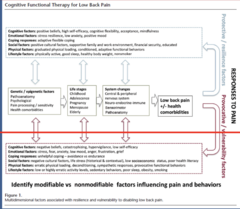
nocioceptive pain
- mechanical
- temperature
- chemical
- electrical
peripheral neurogenic pain
- outside of the dorsal horn
nocioplastic pain/centrally sensitization
- the nervous systems remain hypersensitive after the injury has healed
cognitive and affective tendencies
- fear
- catastrophizing
- hypervigilance
- anxiety
- depression