Chinese words for Kyle
 Call Kai
 Learn
Learn Practice Test
 Spaced Repetition
 Match
Match Flashcards
1/251

There's no tags or description
Looks like no tags are added yet.
Name | Mastery | Learn | Test | Matching | Spaced | Call with Kai | Chat |
|---|
No analytics yet
Send a link to your students to track their progress
252 Terms
规则
(guī zé)rule
一次性
(yī cì xìng) refers to items designed for single use only, such as disposable products.
购买
(gòu mǎi)purchase
上瘾
(shàng yǐn)addicted
本体
(běn tǐ)the essence or substance of something, often referring to the fundamental nature or reality of an object or concept.
盗版
(dào bǎn)the illegal copying or distribution of copyrighted material, such as software, music, or films.
违反
(wéi fǎn)to violate or infringe upon rules, laws, or agreements.
警告
(jǐng gào)a formal notification or warning about a potential danger or an admonition regarding a breach of conduct.
版权
(bǎn quán)copyright
类型
(lèi xíng)type, kind, sort
战略
(zhàn lüè)strategy
工作室
(gōng zuò shì)studio, workshop
时代
(shí dài)era, age
帝国
(dì guó)empire or imperial state
麻烦
(má fan)trouble, inconvenience
笔记本电脑
(bǐ jì běn diàn nǎo)laptop computer, portable computer
笔记本
(bǐ jì běn)notebook, writing pad
粤菜
(yuè cài)Cantonese cuisine, known for its fresh ingredients and diverse flavors.
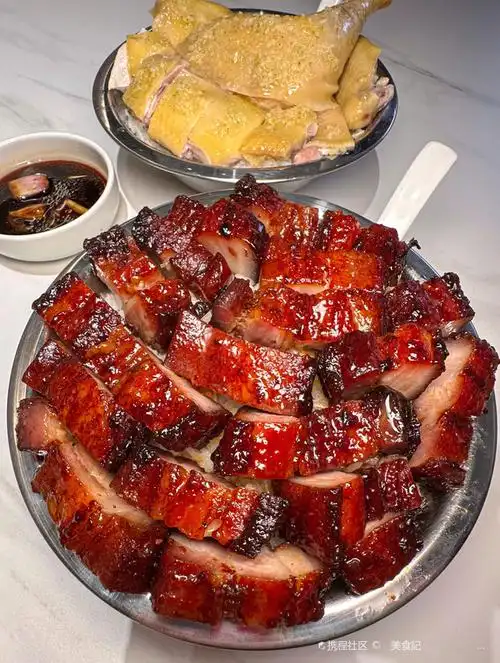
叉烧
(chā shāo)a Cantonese dish of barbecued pork, known for its sweet and savory glaze.
室友
(shì yǒu)roommate
之前的
(zhī qián de)meaning "before" or "previously," often used to discuss time or events.
友好
(yǒu hǎo)"friendly" or "amicable
友谊
(yǒu yì)friendship
独立
(dú lì) "independence" or "self-reliance,"
吵闹
(chǎo nào)just (chǎo)noise or commotion, often associated with loud or disruptive behavior.
地下室
(dì xià shì) "basement" or "cellar"
研究生
(yán jiū shēng) "graduate student"; a student who is pursuing advanced studies beyond an undergraduate degree, typically at a university.
应聘
(yìng pìn) "to apply for a job"; refers to the process of submitting an application or resume to seek employment.
村子
(cūn zi) "village"; a small community or group of houses located in a rural area.
人民币
(rén mín bì) "Renminbi"; the official currency of the People's Republic of China, often referred to as the yuan.
本地人
(běn dì rén) local person
税后
(shuì hòu) after tax;
合租
(hé zū) joint rental or shared lease arrangement, where individuals rent a property together.
内地
(nèi dì) mainland or interior region
通勤
(tōng qín) commuting, the act of traveling to and from work or school.
劳工
(láo gōng) labor or worker, referring to individuals engaged in work, often in a manual or industrial capacity.
转机
(zhuǎn jī) transfer or layover, typically referring to changing planes during air travel.
航班
(háng bān) flight, a scheduled journey by air, typically involving travel between two destinations.
倍
(bèi) times or fold, used to indicate multiplication or a multiple of a quantity.
省份
(shěng fèn) province, an administrative division within a country, typically a geographical area with its own local government.
投资
(tóu zī) investment, the act of allocating resources, usually money, to generate profit or income.
炫耀
(xuàn yào) to show off or boast, often referring to displaying one's wealth or achievements to impress others.
贫穷
(pín qióng) poverty, the state of being extremely poor, lacking sufficient financial resources to meet basic living standards.
特产
(tè chǎn) specialty products, goods that are unique to a specific region or locality, often reflecting the culture or traditions of that area.
进口
(jìn kǒu) imports, goods that are brought into a country from abroad for sale or trade.
运输
(yùn shū) transportation, the act of moving goods or people from one place to another, typically using various modes of transport.
农民
(nóng mín) farmers, individuals who engage in agriculture, cultivating crops or raising livestock as their primary source of livelihood.
流浪汉
(liú làng hàn) vagrants, individuals who wander from place to place without a permanent home, often facing economic hardships.
授人以鱼不如授人以渔
(shòu rén yǐ yú bù rú shòu rén yǐ yú) a Chinese proverb meaning it is better to teach someone to fish rather than provide them with a fish; emphasizes the importance of education and self-sufficiency.
残疾人
(cán jí rén) individuals with disabilities, who may experience physical or mental challenges affecting their daily lives and activities.
乞丐
(qǐ gài) beggars, individuals who ask for money or food, often living in poverty and relying on the generosity of others.
信任
(xìn rèn) trust or confidence in someone or something; a fundamental aspect of relationships and communication.
盲人
(máng rén) individuals who are blind, often relying on other senses for navigation and interaction with their environment.
消耗
(xiāo hào) consumption or depletion of resources; refers to the process of using up materials or energy.
碰瓷
(pèng cí) a deceptive practice where someone pretends to be injured in order to extort money from others, often through staged accidents.
雨水
(yǔ shuǐ) water that falls from the sky as precipitation, commonly referred to as rain, which is crucial for ecosystems and water supply.
案件
(àn jiàn) a case or incident, often used in legal or formal contexts to refer to a particular matter being investigated or addressed.
素食主义者
(sù shí zhǔ yì zhě) a person who advocates for a vegetarian diet, avoiding all meat products, often for health, ethical, or environmental reasons.
徒步
(tú bù) the activity of walking, especially for recreation or exercise, often in the context of hiking or trekking.
短途旅游
(duǎn tú lǚ yóu) a form of travel that involves short-distance trips, often for leisure or getaway purposes.
直飞机票
(zhí fēi jī piào) a ticket for a direct flight that transports passengers without layovers to their destination.
做视频
(zuò shì pín) the act of creating videos, often for sharing on social media platforms or for personal expression.
社交媒体
(shè jiāo méi tǐ) social platforms
订单
(dìng dān) order
封禁
(fēng jìn) a term meaning to ban or restrict access to something
图标
(tú biāo) an icon or symbol used to represent an application or function on a digital interface.
娱乐
(yú lè) entertainment or amusement activities
供应链
(gōng yìng liàn) supply chain
纯牛奶
(chún niú nǎi) pure milk
杀菌
(shā jūn) sterilization or disinfection
护肤
(hù fū) skin care
豆浆
(dòu jiāng) soy milk
鱼丸
(yú wán) fish balls
酒楼
(jiǔlóu) restaurant or tavern.
台山话
(táishān huà) dialect spoken in Taishan, Guangdong, known for its influence on overseas Chinese communities.
吃饱
(chī bǎo) to eat one's fill; to be full after eating.
结合
(jié hé) to combine or integrate different elements into a whole.
青少年
(qīng shào nián) refers to young people or adolescents, typically in the age range of 13 to 19 years.
摩洛哥
(mó luò gē) Morocco
阿拉伯语
(ā lā bó yǔ) the Arabic language, primarily spoken in Arab countries and regions.
分手
(fēn shǒu) break up with …
情况
(qíng kuàng) situation or condition.
按摩
(àn mó) massage
头疗
(tóu liáo) head massage
桌球
(zhuō qiú) billiards or pool.
自助餐
(zì zhù cān) buffet
雕像
(diāo xiàng) statue or sculpture.
罗斯福
(luó sī fú) Roosevelt
外号
(wài hào) nickname or alias.
粉丝
(fěn sī) fan or admirer.
主席
(zhǔ xí) chairman or president.
民主
(mín zhǔ) democracy or democratic system.
政治
(zhèng zhì) politics or political affairs.
超级大国
(chāo jí dà guó) superpower
社会主义
(shè huì zhǔ yì) socialism
生活水平
(shēng huó shuǐ píng) standard of living
计划经济
(jì huà jīng jì) planned economy
自由经济
(zì yóu jīng jì) free market economy
国企
(guó qǐ) state-owned enterprise that is controlled by the government.