Environmental Geology Exam 2
 Call Kai
 Learn
 Practice Test
 Spaced Repetition
 Match
 Flashcards
 Knowt Play
1/90

There's no tags or description
Looks like no tags are added yet.
91 Terms
magma
Makes up the outer core in molten rock
decompression melting
occurs where tectonic plates separate at divergent plate boundaries which causes molten lava to come to the surface
volatiles
substances that do not fully participate in the formation of igneous rocks and minerals
volcanic conduit
pathway that links magma chambers made up of chemically altered, fractured rock.
small volcanoes
monogenetic (a couple to no magma chambers)
Large volcanoes
polygenetic
effusive
primarily produces flowing lava
explosive
clots of lava
tephra
lasting pyroclastic particles
Add water
water lowers melting point
Volcanic hazards
first-order: immediate eruptive activity
second order: hazards that wouldn’t take place otherwise (tsunamis and lahars (debris or mudflows))
Fumaroles
vents that issue gases other than just water vapor
soil efflux
unseen gases in soil
limnic eruption
a lethal cloud of gas
sublimates
water-soluble minerals deposited by aerosols of volcanic gas through which the ash falls
Benefits of volcanoes
- replenishing the atmosphere
- build land
- ore deposits
- heat for geothermal power
- soil enrichment
- biodiversity
Magmas consist of
melts, volatiles, crystals, and xenoliths
Magma properties
composition → ultramafic, mafic, intermafic, and felsic
viscosity → resistance to flow (higher means more resistance)
temperature → (as the temperature increases, the viscosity decreases/ as the water increases, viscosity decreases, /and if the composition is more felsic, the viscosity increases
Fractional crystallization
removing the more mafic components of magma, leaving behind the felsic components which increases viscosity for volcanoes.
Silica
More silica increases the explosiveness of the magma
Eruption types
> supervolcano/plinian: explosive
> strombolian and bulcania: mix of extrusive, explosive, and effusive
> domes: extrusive
> Hawaiin/celandic: effusive (basalt/maafic with low gas content and high viscosity)

Faults

Body waves
P-waves & S-waves

Surface waves
Very damaging: rayleigh and love waves

Volcano types

P-S gap
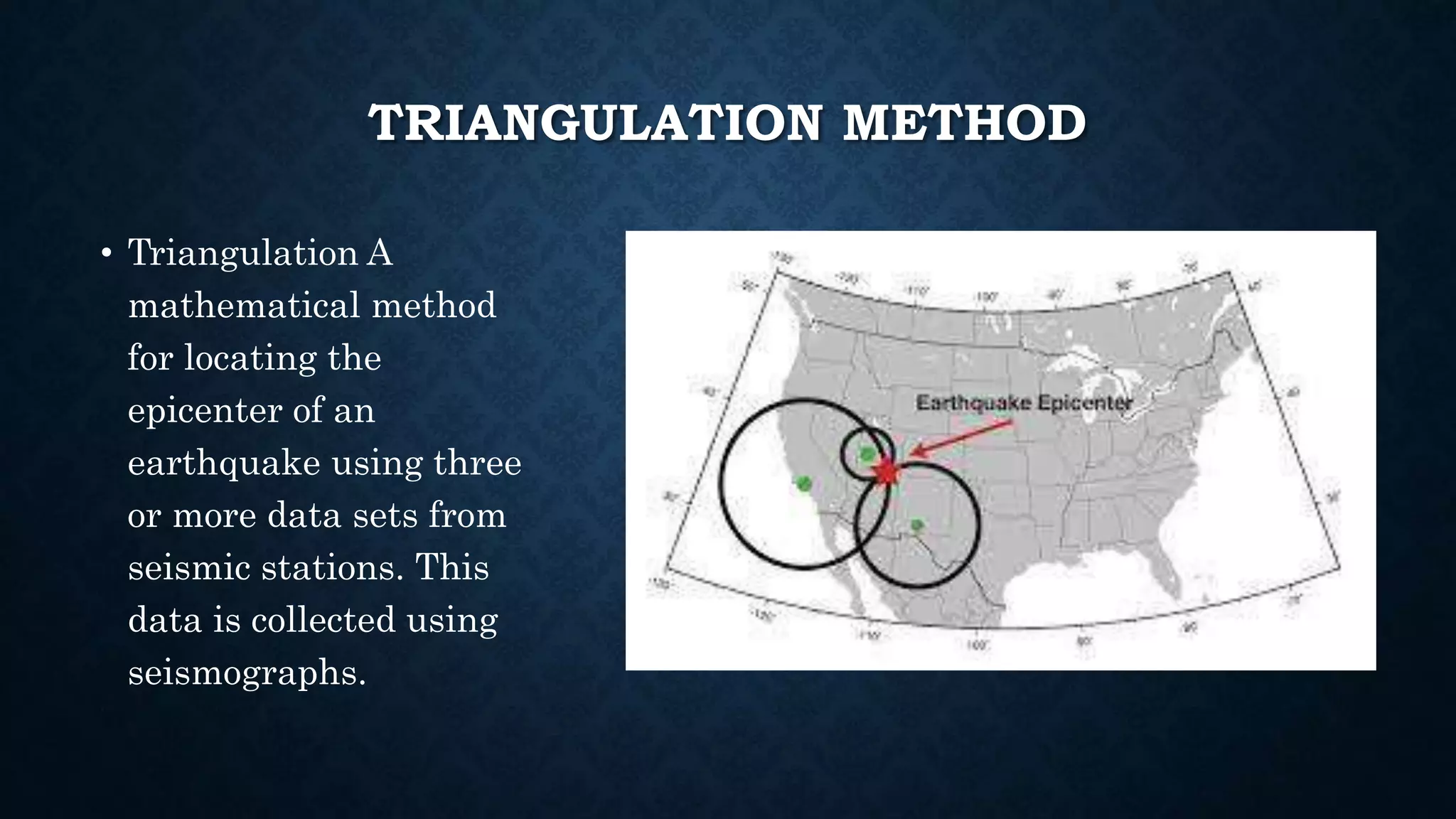
Triangulate the p-s gaps on a seismograph to locate the origin of earthquakes
Elastic rebound theory
when sufficient strain energy has accumulated in rocks, they may rupture rapidly creating rupture zones.
focal mechanism
“how” of a fault rupture
Subduction zone earthquakes
occurs deep in the mantle
Seismic wave periods
time it takes for two successive wave crests to pass a particular point
wave frequency
a related concept referring to the number of wave crests that pass a particular point per unit interval of time
Seismograph vs. seismogram

Mercalli scale
Earthquake intensity measured by roman numerals and is based on subjective description of effects
Richter magnitude scale
Logarithmic scale measured from 1-10, so by ten times
(bigger waves closer to the center of the earthquake)
Moment magnitudes
seismic movement measures in Mo = rock strength x rupture area x slip
Utsu-Omari’s law, Bath’s law, and Gutenberg-Kichter law
aftershocks are smaller in magnitude and longer
Seismic considerations
Landslides
Liquefication: loss of strength of water-saturated, sandy soils
quick clays
fault scarp
tsunamis
fires
dam failures
Intraplate earthquakes
earthquakes far from plate boundaries due to very old continental crust, homogeneity, slow strain, coldness, and infrequent
Human-induced earthquakes
fracking + reservoirs
Longer the earthquake…
bigger the magnitude
Earthquakes cannot be ___
predicted (long-term frequency, paleoseismicity (using the youngest disturbed layer and the earliest new sediment), and seismic gaps only help so much)
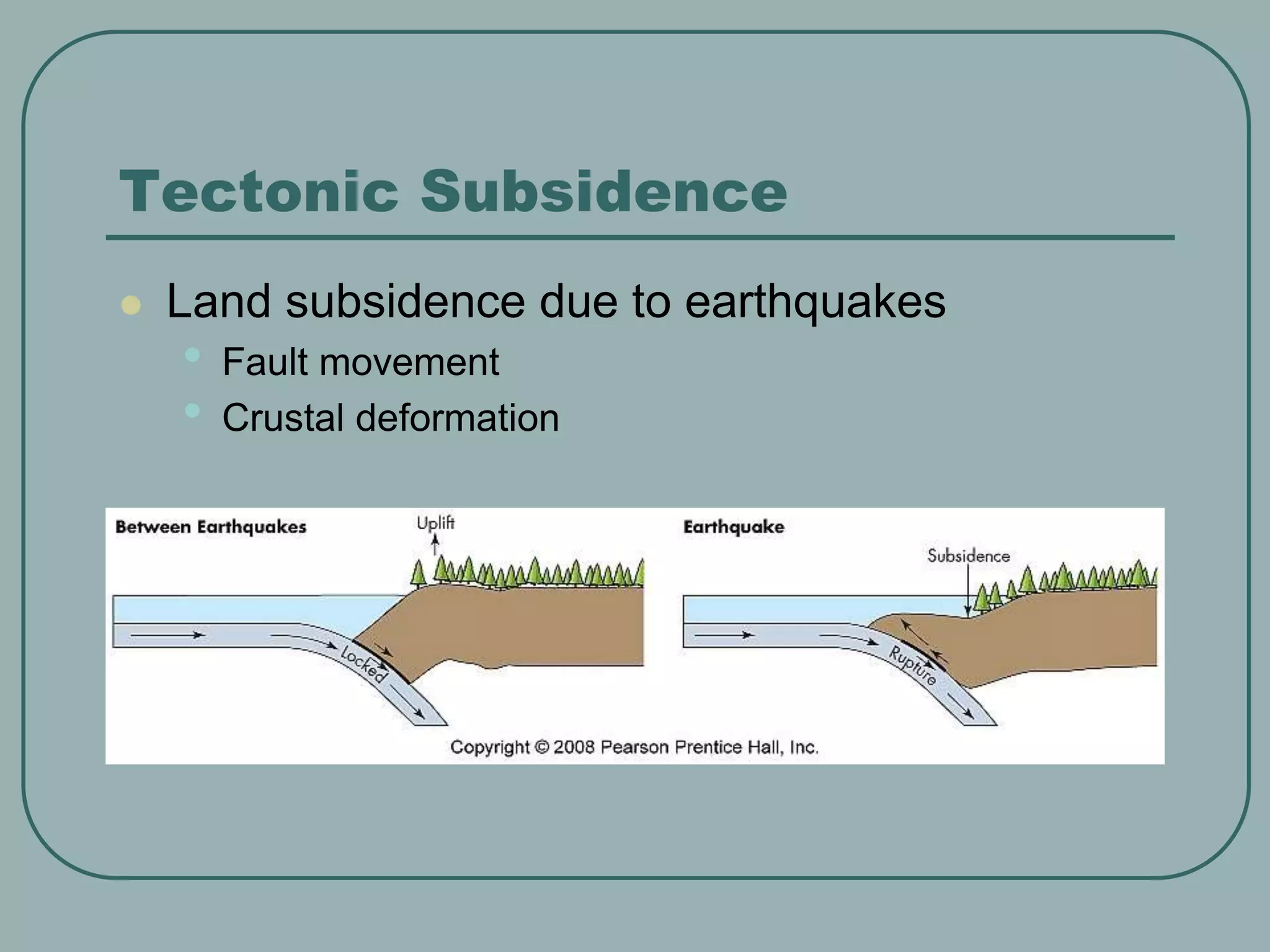
Subsidence/uplift
Factors that can contribute to the intensity of earthquakes
Reflection and refraction of energy
characteristic frequences of structures
amplification by sediments
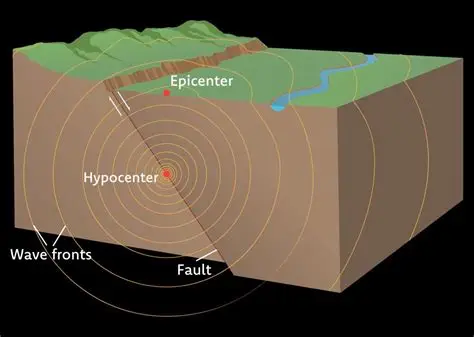
Hypocenter & Epicenter
Soils
Thin mixture of weathered rock and organic material
Why soil?
Sustains plant and animal life, cycling of nutrients, filters pollutants, regulates flow of water, and supports structures.
Soil make-up
25% - H2O
25% - gases
45% - Mineral matter
5% - Organic matter
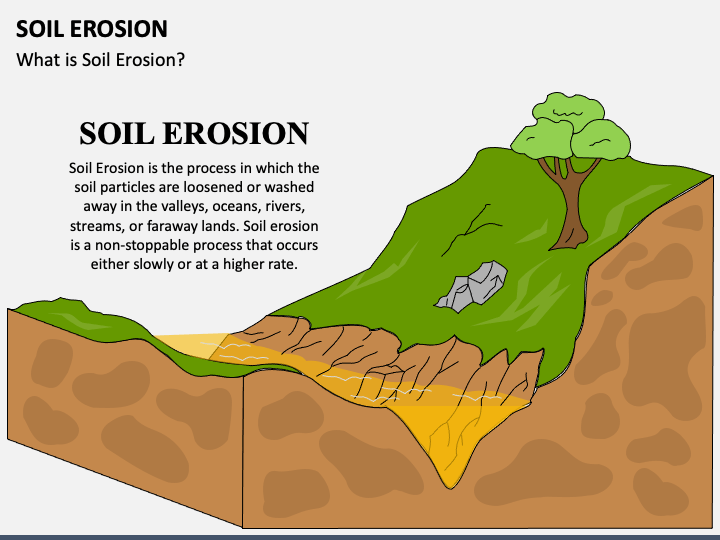
Soil erosion
Physical and chemical weathering of soils
Physical weathering of regolith
frost wedging: when water freezes in joints of rocks and expands
salt-crystal growth
water
fire
gravity
biota
wind
chemical weathering
dissolution
oxidation
hydration
hydrolysis
cosmogenic isotopes
Spheroidal weathering
combination of physical and chemical

Soil profile
soil horizons
O: organic matter (where weathering occurs)
A: zone of leaching
B: redeposited chemicals as new minerals
C: weathered transition zone that cracks downward into fresh parent material like regolith or rock
Soil classification
color and texture (size of individual grains)
residual soils
transported soils
Soil problems
erosion (wind and water)
overgrazing
deforestation
bad agricultural practices
natural and human
desertification
urbanization
salinization
Soils can…
expand due to swelling of water
How to stop soil erosion
terracing
strip-cropping
crop rotation
reduced to no tilling
salt expansion
thermal shock
Groundwater
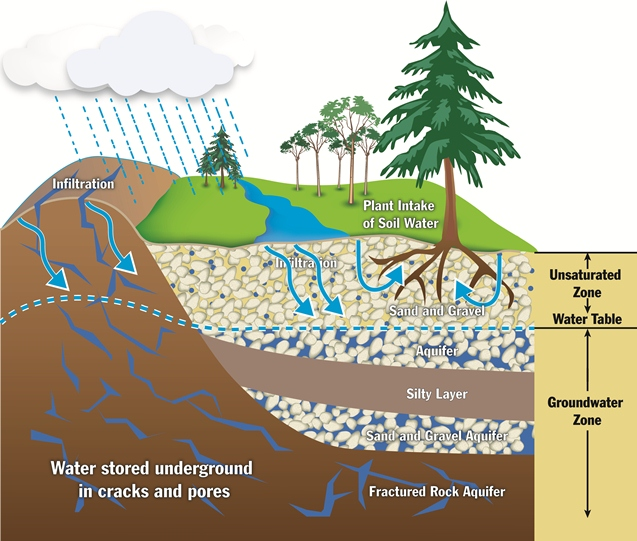
water stored in the pores of rock, soil, and near Earth’s surface

porosity
space for storage of gw
permeability
how water moves in an aquifer
water “age”
“water age” (or groundwater age) is the time elapsed since the water recharged the aquifer — the period between when it entered the saturated zone and when it is pumped out.
Groundwater table
Groundwater withdrawal
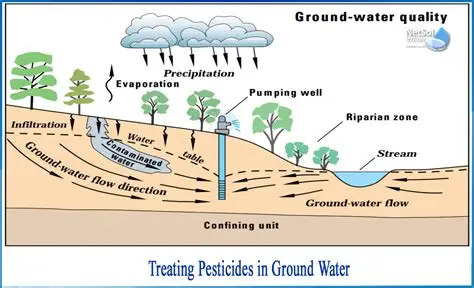
The bigger the well, the more cone of depression will sink, and the other smaller wells will dry out. It can also collapse pore space and the make the space impermeable
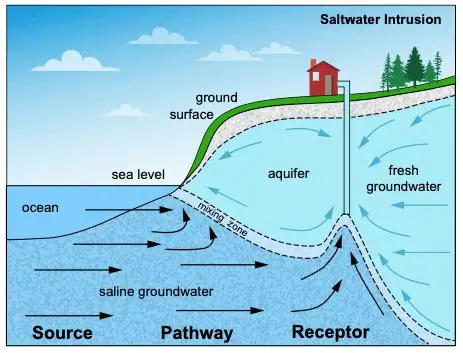
Saltwater intrusion
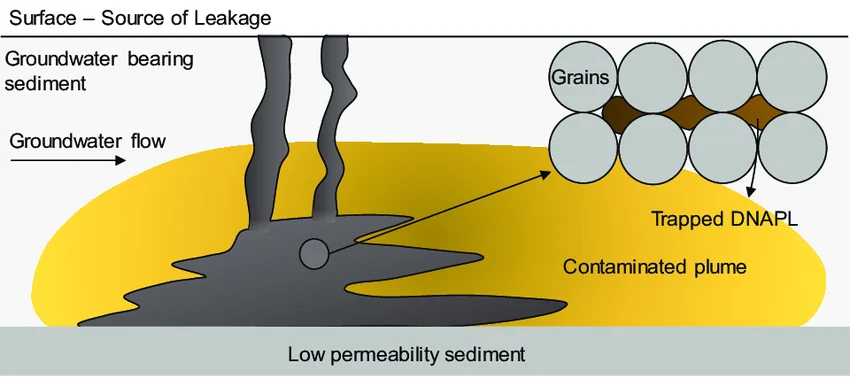
Pollutants
DNAPLs (dense nonaqueous phase liquids)
Base flow
the flow in a stream when it’s not raining (unsaturated zone → water table → saturated zone)
Capillary fringe
where pores are filled with water, but the water is held by surface tension and cannot freely drain from the soil

losing stream vs. gaining stream
Losing stream: contribute to the underground water supply (above water table)
gaining stream: fed by both surface water and ground water (intersects water table)
Conified aquifers
A confined aquifer is a water‑bearing layer of rock or sediment that is completely enclosed between impermeable or low‑permeability layers (aquitards), creating internal pressure that can cause water in wells to rise above the top of the aquifer.

Lakes
landlocked basins
precipitation + run-off
evaporation + outflow
overturning: keeps the bottom waters in lakes from becoming stagnant w/ near-freezing temperatures
Freshwater lakes
P + R = E + O
river-water use
instream, off-stream, consumption use (cannot be used again immediately), nonconsumption use (returned to streams to be used again)
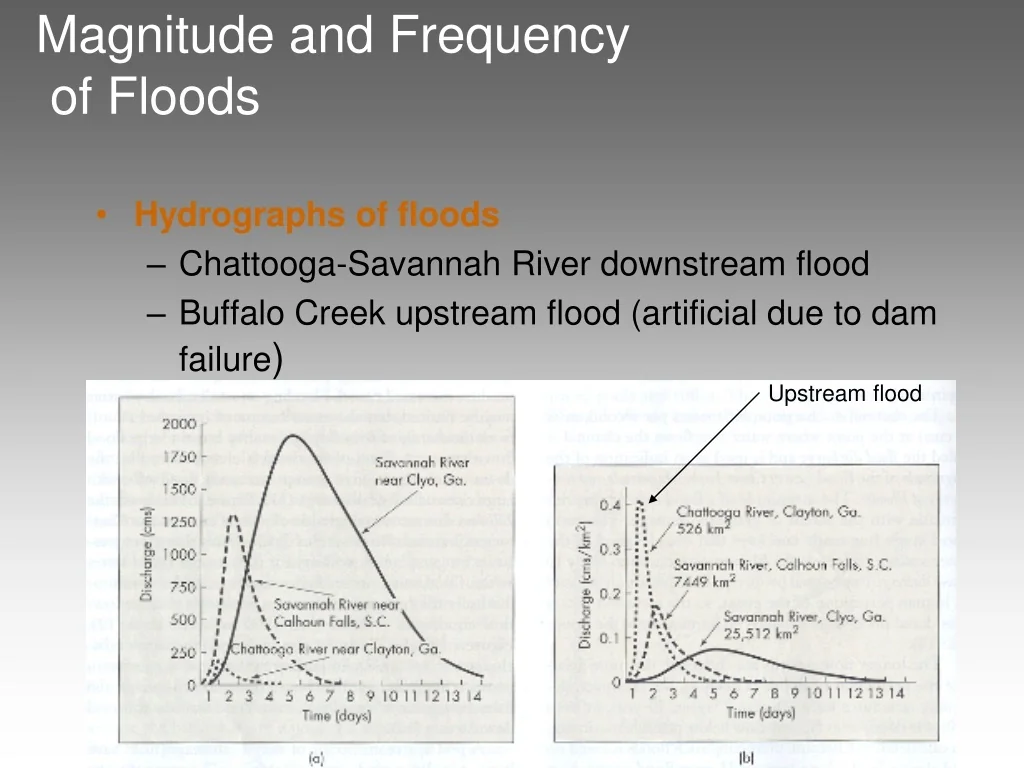
floods
flash floods
riverine floods
rain-on-snow events
ice-jam
storm surge
regional floods
Human interactions with water
natural levees
artificial levees
dams
floodplain management
nitrate + crop pesticide
urban development
types of lakes
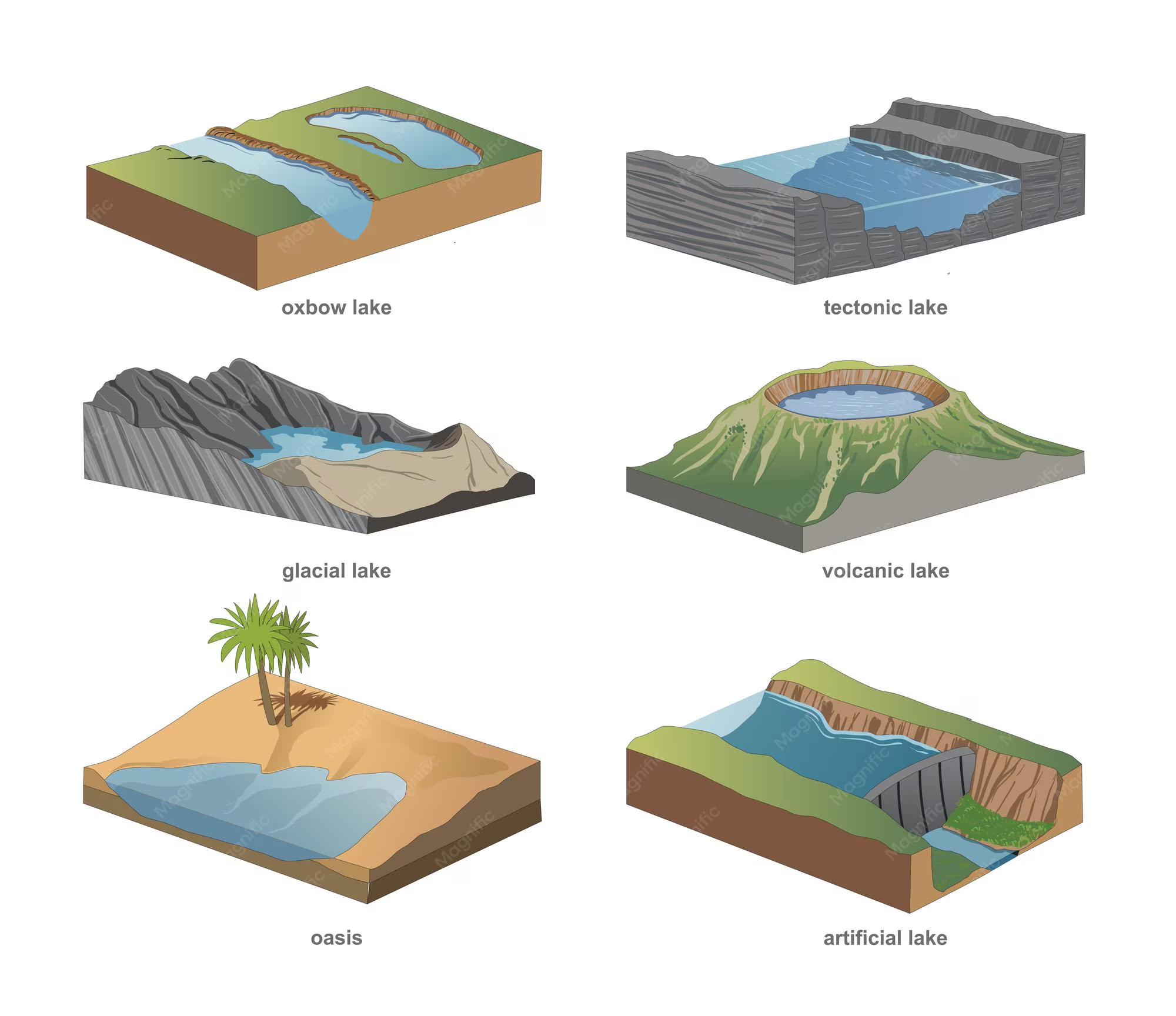
Salt lake
P + R = E
Playa (dry lake bed)
P + R < E + O
lakes nutrients
oligotrophic: deep with clear water and low in nutrients and fish
eutrophic: very rich in nutrients, but low fish due to low oxygen
mesotrophic: well-balanced nutrient input + output

Stream discharge
sums up channel depths and velocity in each, how much volume in cubic meters/seconds

drainage basins
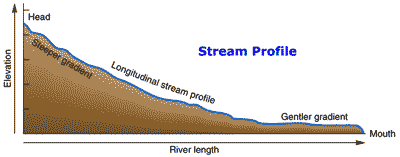
Move from a higher gradient to a lower gradient
stream profiles
Curved rivers have different velocities, water speeds up around the curves. The area of higher velocity will be deeper
Stream gradient
slope = change in elevation/length of channel

stream ordering

types of streams
Meandering streams will keep eroding overtime and create an oxbow lake

Stream transport
1.erosion
2.transport
3.deposition

Claremont Colleges
flooded in the 1930s due to the high-water table and being surrounded by mountains (why walker wall was made and a big dam was built at Mount Baldy)
Magnitude and frequency of floods graphs
Mass movements
-downslope movements of soil and rock under the direct influence of gravity

Classifications of mass movements
the type of material (rock, soil, and snow) (cohesive or non-cohesive)
how the material moves (sliding, flowing, and falling)
the speed of the material moving
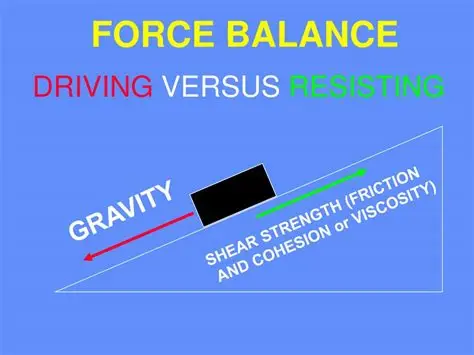
Force balance
resisting > driving = >1.0
resisting = driving = 1.0
resisting < driving = < 1.0 (when a landslide starts)
Types
landslides (slumps/rotational slides, block glides, translational slides)
rock falls
debris flows
snow and rock avalanches
subsidence
Triggers
earthquakes
volcanic eruptions
rainstorms
stream erosion
human activity (undercutting slopes, water diversion, and vibrations)
seasonal effects (wet-dry, freeze-thaw)
Movement
steepness, material properties (block, non-cohesive), moisture content, and vegetation (roots)
