Kinesiology Pop quiz
 Call Kai
 Learn
Learn Practice Test
 Spaced Repetition
 Match
Match Flashcards
 Knowt Play
1/59

There's no tags or description
Looks like no tags are added yet.
Name | Mastery | Learn | Test | Matching | Spaced | Call with Kai | Chat |
|---|
No analytics yet
Send a link to your students to track their progress
60 Terms
what are the 2 branches of the rectus capitus posterior
major and minor
what muscle has the action to create inspiration?
diaphragm
Which muscle creates spinal stability by originating from various more lateral prominences of the vertebral segments (like the transverse processes) and inserting to the spinous processes 2-4 segments above its origin? This muscle has several individual branches.
multifidus
As a muscle group bilaterally, the erector spinae____the spinal column.
extend
which muscle originates at the spinous processes of the mid cervical segments and inserts at the transverse processes or the upper thoracic segments and acts to extend, rotate, and side bend the cervical spine?
splenius cervicis
The spinous processes are more___ than the transverse processes.
medial
The lumbar spine is___ at rest in the anatomical position.
lordotic
which is not a branch of the scalenes?
lateralis
Which muscles create forced exhalation?
transverse abdominis
which muscle only has one origin and is the pubic bone(crest of the publis) to create spinal flexion and posterior pelvic tilt?
rectus abdominis
which is not true about the axis bone?
It is C1
which of the following is not an attachment of the sternocleidomastoid?
upper cervical spine
The action of the internal oblique when it contracts unilaterally is
ispilateral rotation
which is not considered an abdominal muscle that synergizes in order to flex the spine?
iliocostalis
what is considered normal thoraclumbar rotation (“trunk” rotation)?
45 deg bilaterally
as a muscle group, these muscle elevate the 1st and 2nd ribs
scalenes
what is an attachment of the longus capitus?
the anterior part of the occiput
the facet joints are what type of joint?
gliding
Most of this muscle originates from the vertebral bodies of the mid cervical through upper thoracic regions anteriorly on the majority of the cervical segments.
longus coli
what is the attachment point for the spinalis?
spinous processes of several spinal segments
Which muscle connects the spinous processes between each segment?
interspinalis
Which muscle does not insert on the skull?
splenius cervicis
The iliocostalis more___than the longissimus
lateral
What is true about the C1 vertebrae?
it is called the atlas
The skull and the first cervical vertebrae join to create which joint?
atlanto-occipital
Which muscle connects the transverse processes?
intertransversarii
The antagonist to the diaphragm which creates inspiration is the______.
transverse abdominis
which of the following is not part of the “core” force couple to stabilize by managing intra-abdominal pressure?
rectus abdominis
The most superficial abdominal muscle that creates a posterior pelvic tilt (“Urkle butt”) also creates spinal:
flexion
A phrenic nerve injury can cause death due to it’s innervation to which of the following muscles:
diaphragm
What muscle has the nuchal ligament as an attachment?
splenius capitus
What has a muscle action of extension of the cervical spine?
rectus capitus posterior
which is not a branch of the longus colli?
anterior
What is the action of the quadratus lumborum when it contracts bilaterally?
spinal extension
The intervertebral joints are which type joint?
amphiarthrodial
what is the function of the sternocleidomastoid unilaterally?
contralateral rotation with ipsilateral side bending
The cervical spine is___at rest in the anatomical position.
lordotic
The most superficial abdominal muscle that creates a posterior pelvic tilt (“Urkle butt”) also creates spinal flexion and is called the____.
rectus abdominals
Which is not part of the erector spinae?
quadratus lumborum
Scalenes

Longus capitis

Longus colli

Rectus capitis anterior
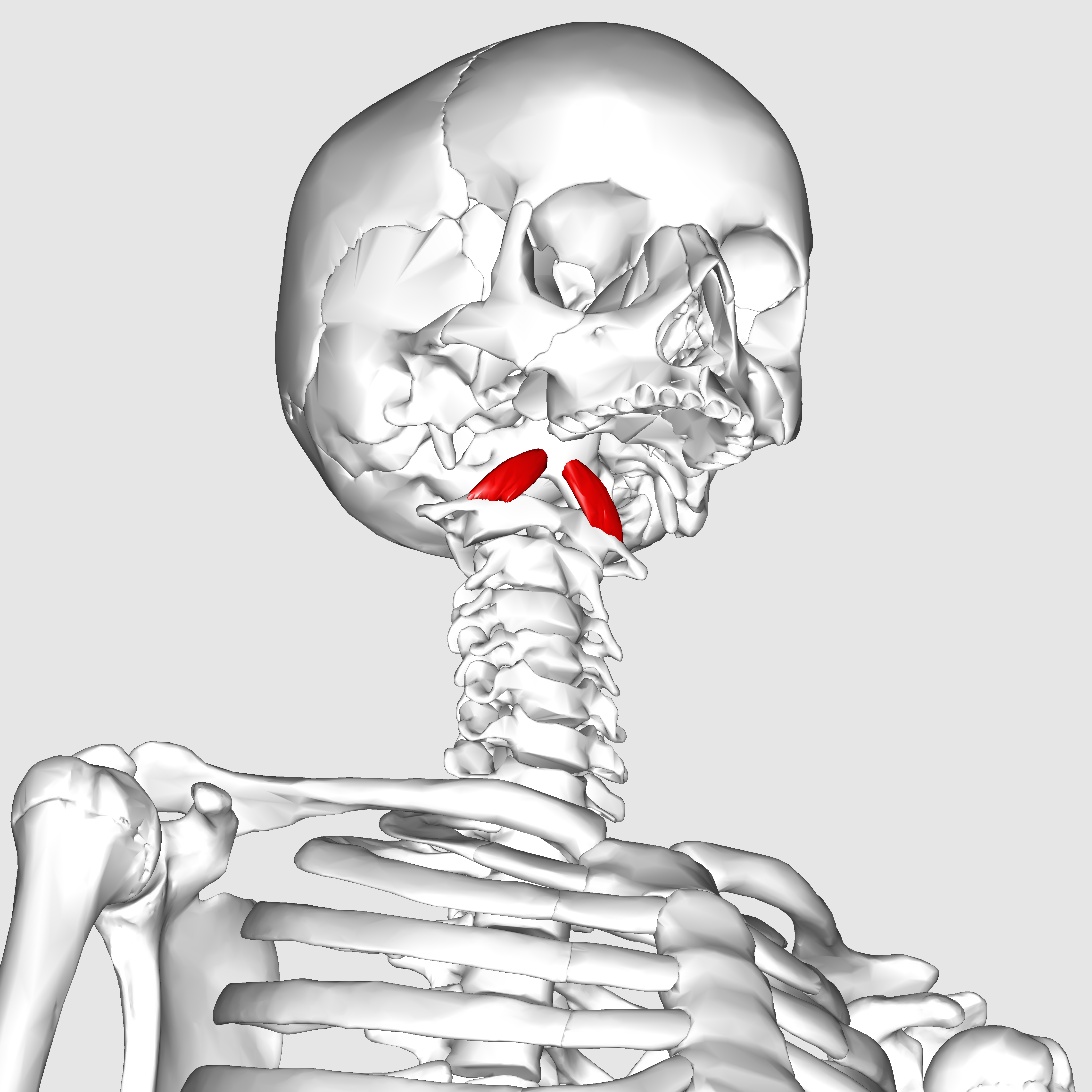
Rectus capitis lateralis

Rectus capitis posterior
(minor/major)

Splenius capitis

Splenius cervicis

Semispinalis capitis

Semispinalis cervicis

Intertransversarii

Interspinalis

Spinalis

Longissimus
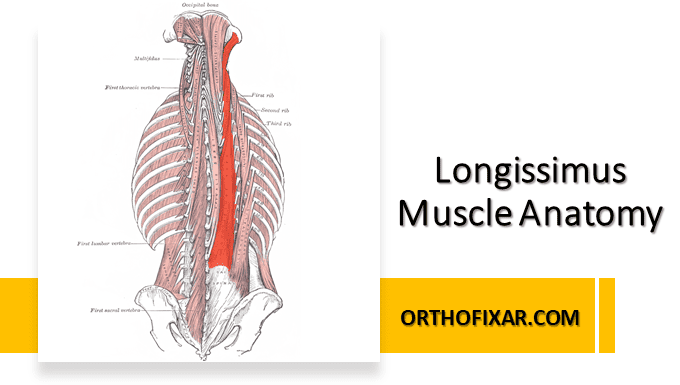
lliocostalis

Quadratus lumborum

serratus posterior
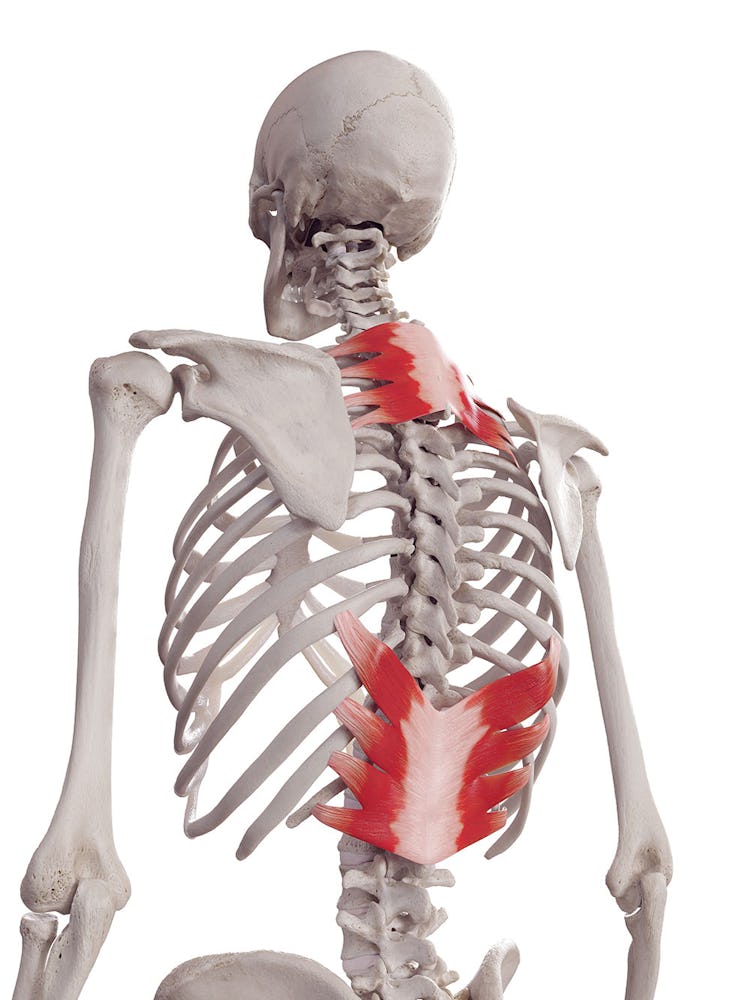
Rectus abdominis

External oblique

Internal oblique

Transversus abdominis
