lab exam 2
 Call Kai
 Learn
 Practice Test
 Spaced Repetition
 Match
 Flashcards
 Knowt Play
1/32

There's no tags or description
Looks like no tags are added yet.
33 Terms
photosynthesis overview
photon absorbed
energy transferred through antenna complex
reaction center chlorophyll excited
electron passed to primary acceptor
electron enters transport chain
electron flow types
Photosystems:
photosystem I (PSI): contains P700
photosystem II (PSII): contains P680
Linear flow: H2O→PSII→ETC→PSI→NADP+
produces ATP + NADPH + O2
Cyclic flow: PSI→ETC (cycle)
produces ATP only
Photophosphorylation
ATP synthesis driven by light energized electron transport
Electron transport builds H+ gradient
ATP synthase converts proton motive force to ATP
three phases of the calvin cycle
1. carbon fixation: CO2 + RuBP → 3PGA
2. reduction (per molecule of 3PGA): 3PGA + ATP + NADPH → G3P + ADP + NADP+
3. regeneration: (per 3 turns): 5G3P + 3ATP→ 3RuBP + 3ADP
key enzyme in photosynthesis
Rubisco
catalyzes CO2 fixation in the calvin cycle
binds O2 leading to photorespiration
enzyme activity is stimulated by ATP and NADPH produced by light reactions
central enzyme to global food production
photorespiration
rubisco enzyme can bind CO2 or O2
CO2→carbon fixation
O2→photorespiration
strategies to reduce photorespiration
C3: rubisco fixes CO2 directly in mesophyll cells
C4: CO2 is released in bundle sheath cells
CAM: CO2 is stored as organic acids
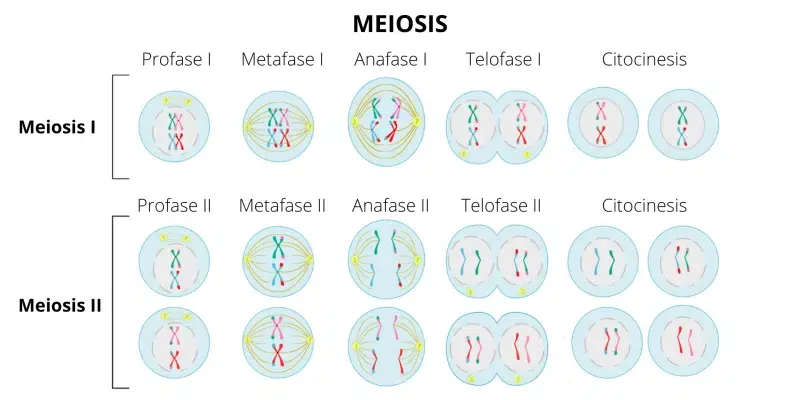
meiosis
used for sexual reproduction
2 divisions to 4 genetically different haploid cells
chromosome number is reduced by half 2n→n
cells develop into eggs or sperm
meiosis 1 (draw)
homologous chromosomes separate
crossing over occurs in prophase 1 to create new combinations of alleles
homologous pairs align randomly during metaphase 1 (aka independent assortment)

meiosis 2 (draw)
resembles mitosis
sister chromatids separate
results is 4 haploid cells
haploid vs diploid cell
diploid (2n)
two sets of chromosomes
46 total chromosomes in humans (23 pairs)
somatic cells
haploid (n)
one set of chromosomes
23 total chromosomes in humans (46/2 after meiosis 1 and 2)
gametes
nondisjunction
the failure of chromosomes to separate correctly
results in gametes that are chromosomally imbalanced
aneuploidy: a gamete that has an extra number of chromosomes or missing chromosomes
nondisjunction in meiosis 1 vs meiosis 2
meiosis 1: 2 monosomic zygotes and 2 trisomic zygotes
meiosis 2: 2 normal zygotes, 1 monosomic zygote, and 1 trisomic zygote
interphase (and draw)
G1: cell growth
S: DNA replication
G2: additional growth and preparation for division

prophase (and draw)
chromosomes condense
nuclear envelope present, begins breaking down
spindle forms

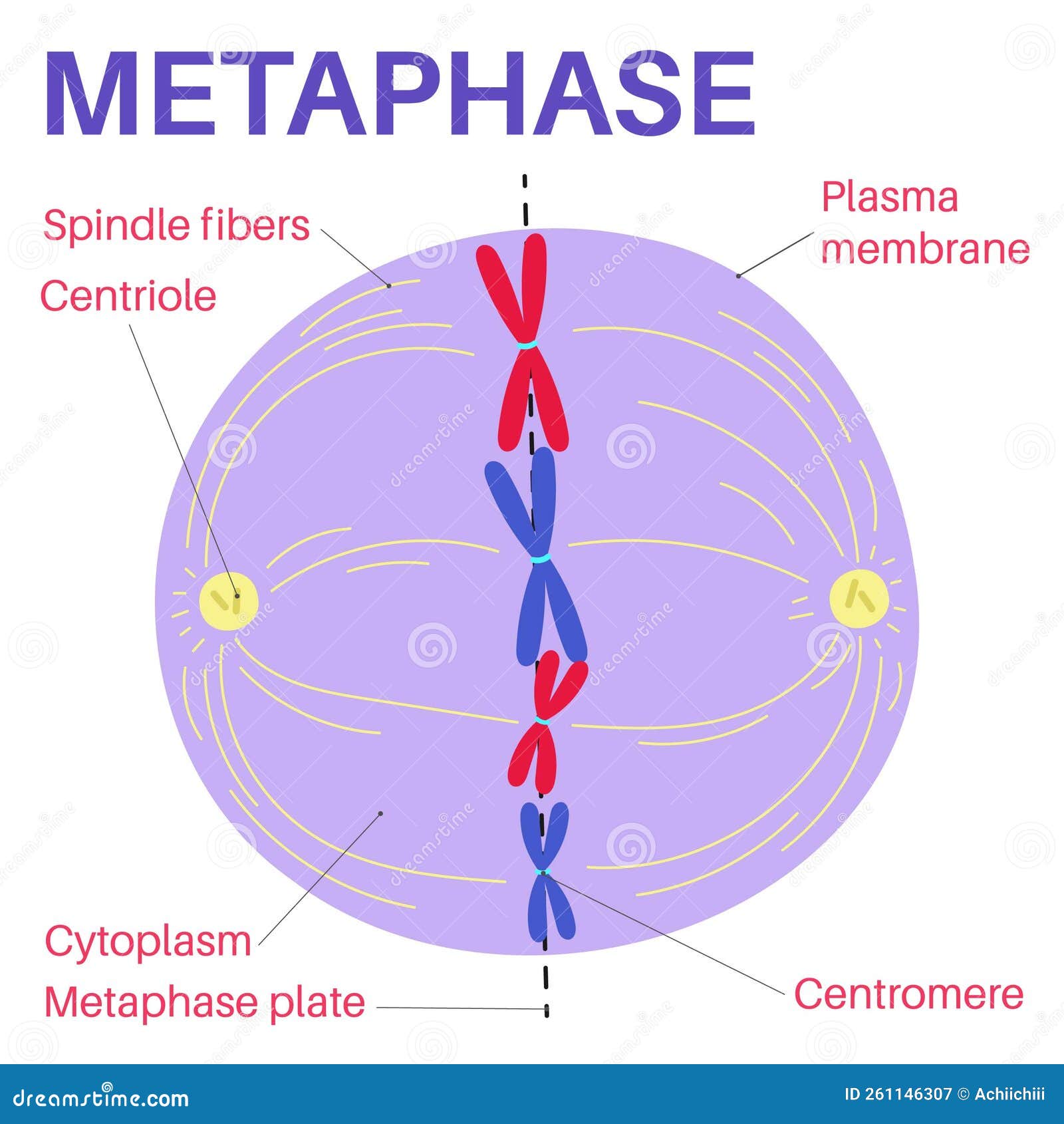
metaphase (and draw)
chromosomes line up at the metaphase plate
spindles attach to kinetochores
no nuclear envelope
anaphase (and draw)
sister chromatids separate
chromatids are pulled to opposite poles
no nuclear envelope

telophase (and draw)
chromatids reach poles
nuclear envelope reforms
chromosomes decondense
cleavage furrow divides the cell

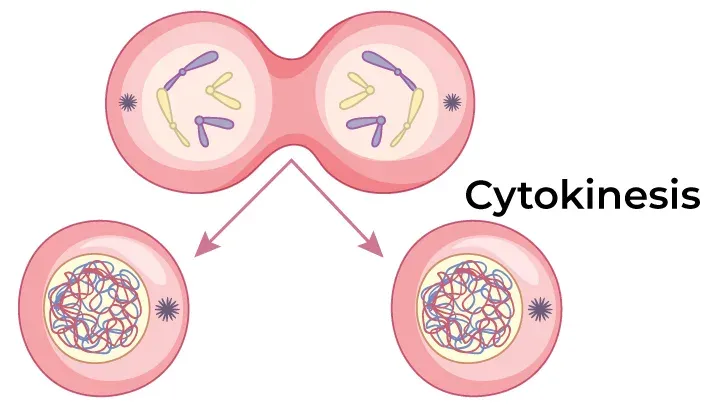
cytokinesis (and draw)
cytoplasm divides
two identical daughter cells
mitosis
used for growth, repair, and cell replacement
1 division to 2 genetically similar cells
chromosome number stays the same: 2n→2n
cytokinesis in plant vs animal cells
plant cells: vesicles transport cell wall material to the middle of the cell to form a cell plate between nuclei
animal cells: a cleavage furrow deepens until the cell divides. Actin and myosin constrict the cell membrane
mitotic index
the percent of cells in a region that are undergoing mitosis
(total cells in mitosis / total cells counted) x 100
pigments
nonpolar, and located in the thylakoid membranes of chloroplasts
used to absorb energy from the sun
chlorophyll A, directly involved in converting light energy to chemical energy, releases O2 as a byproduct
chlorophyll B (accessory pigment), light harvesting pigment that transfers its energy to chlorophyll A
carotenoids (accessory pigments) (carotenes and xanthophylls), acts as antioxidants to protect chlorophyll molecules from photooxidative damage
Rf value
the ration of how far the substance migrated up the chromatography paper compared to the distance migrated by the solvent
(distance of the top of the target band) / (distance of the highest band)
epidermis
one cell layer thick
secretes a waxy cuticle that retards the loss of water
includes the upper epidermis and lower epidermis
stomata
located in the lower epidermis
where gas exchange with the atmosphere can occur
guard cells
in each stoma
regulate the opening and closing of stoma
mesophyll
between the two layers of the epidermis
most photosynthesis occurs here
palisade mesophyll: consists of long cylindrical, relatively closed packed cells\
spongy mesophyll: contains spaces between cells for temporary storage of gases
veins
the medium in which water is supplied
contains special conducting tissue called xylem and phloem
xylem: conducts water from the roots to the leaf
phloem: distributes organic products of photosynthesis and other substances to areas of the plant where they are needed
cell fractionation
isolates and purifies cellular components by cellular disruption and differential centrifugation
the steps of the scientific method
make an obersvation
form a hypothesis
make a prediction
preform an experiment
gather data
analyze findings
draw a conclusion
falsiability
hypothesis must be falsifiable; if they are not true, they can be determined to be false
testing a hypothesis
factors:
independent variable: the experimental variable that changes
dependent variable: how the variable reacts to that change
null hypothesis: the default hypothesis
alternative hypothesis: the hypothesis that counters the null hypothesis
interpolation vs extrapolation
interpolation: between measured points on a graph
extrapolation: goes beyond the experience with an experiment