EXAM II ARH 121 Review
 Note
Note Call Kai
 Learn
Learn Practice Test
 Spaced Repetition
 Match
Match Flashcards
 Knowt Play
1/23

Earn XP
Description and Tags
Key Images
24 Terms
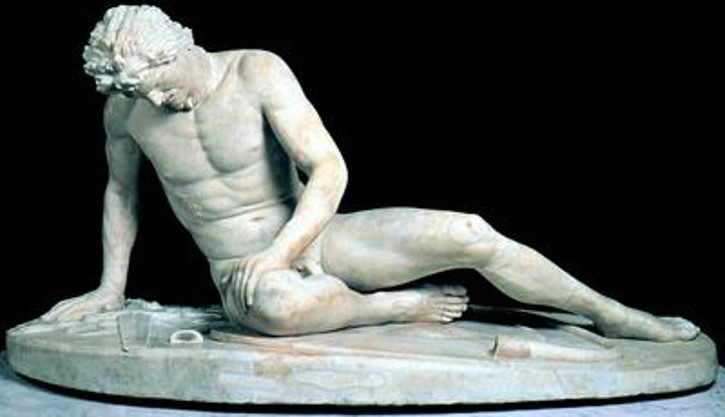
Dying Trumpeter/Dying Gaul
A Hellenistic sculpture depicting a dying warrior, it symbolizes the noble heroism and tragic fate of warriors during battle.
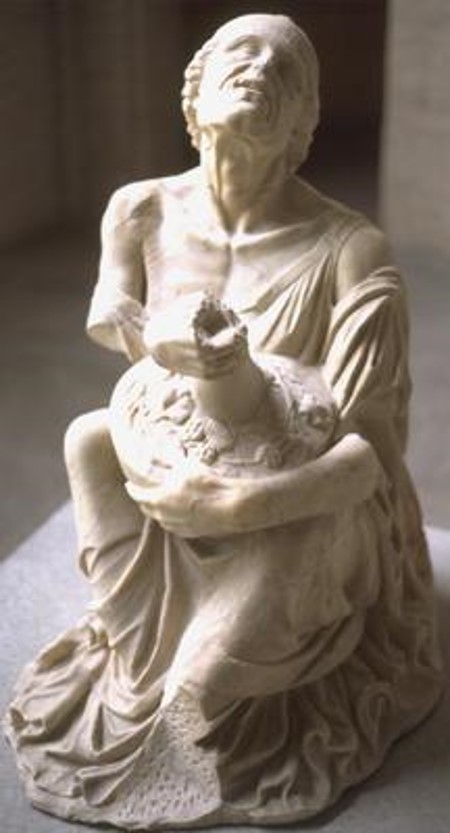
Drunken Old Woman
A Roman sculpture that portrays an old woman in a state of intoxication, exemplifying the stark contrast between youth and age, and social themes of decadence.
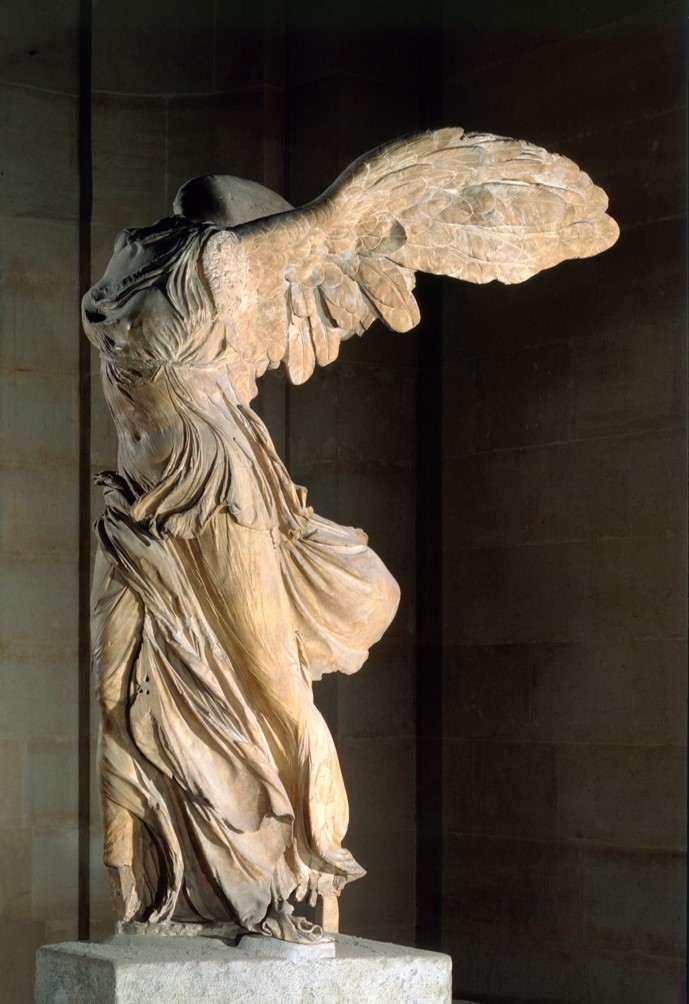
Nike of Samothrace Pythokritos of Rhodes
An ancient Greek statue of the winged goddess of victory, Nike, showcased on the prow of a ship, celebrated for its dynamic form and intricate fabric drapery.
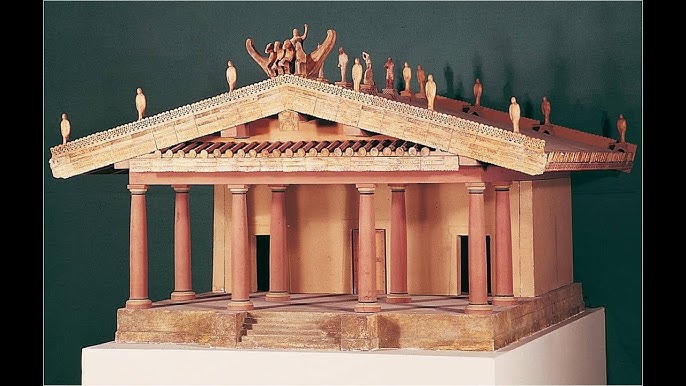
Model of a typical Etruscan Temple
A reconstruction representing the architectural features of Etruscan temples, characterized by a high podium, a deep porch, and a series of columns.
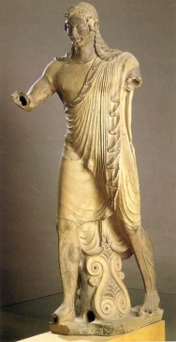
Apulu (Apollo of Veii)
A large Etruscan statue of the god Apollo, notable for its lively posture and engaging expression, reflecting the influence of Greek art.
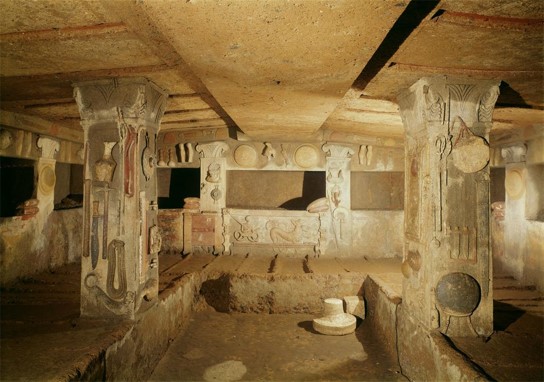
Tomb of the Reliefs
An Etruscan burial site adorned with sculpted reliefs that depict daily life and domestic scenes, reflecting the beliefs and values of the Etruscan people.
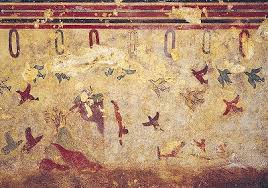
Tomb of Hunting and Fishing
An Etruscan tomb featuring frescoes that illustrate hunting and fishing scenes, offering insight into leisure activities and social rituals.
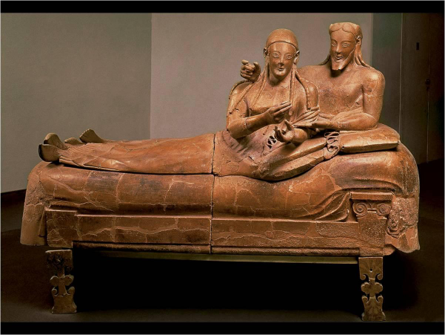
Sarcophagus with Reclining Couple
An Etruscan sarcophagus depicting a husband and wife reclining together, symbolizing their union in life and the afterlife.
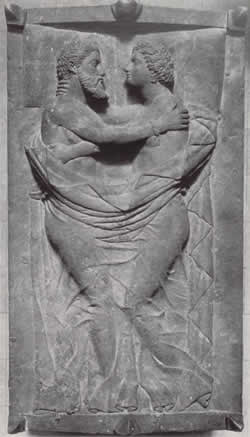
Sarcophagus lid of Ramtha Visnai and Arnth Tetnies
An Etruscan sarcophagus lid that features detailed iconography and inscriptions, showcasing the personal identities of the deceased.
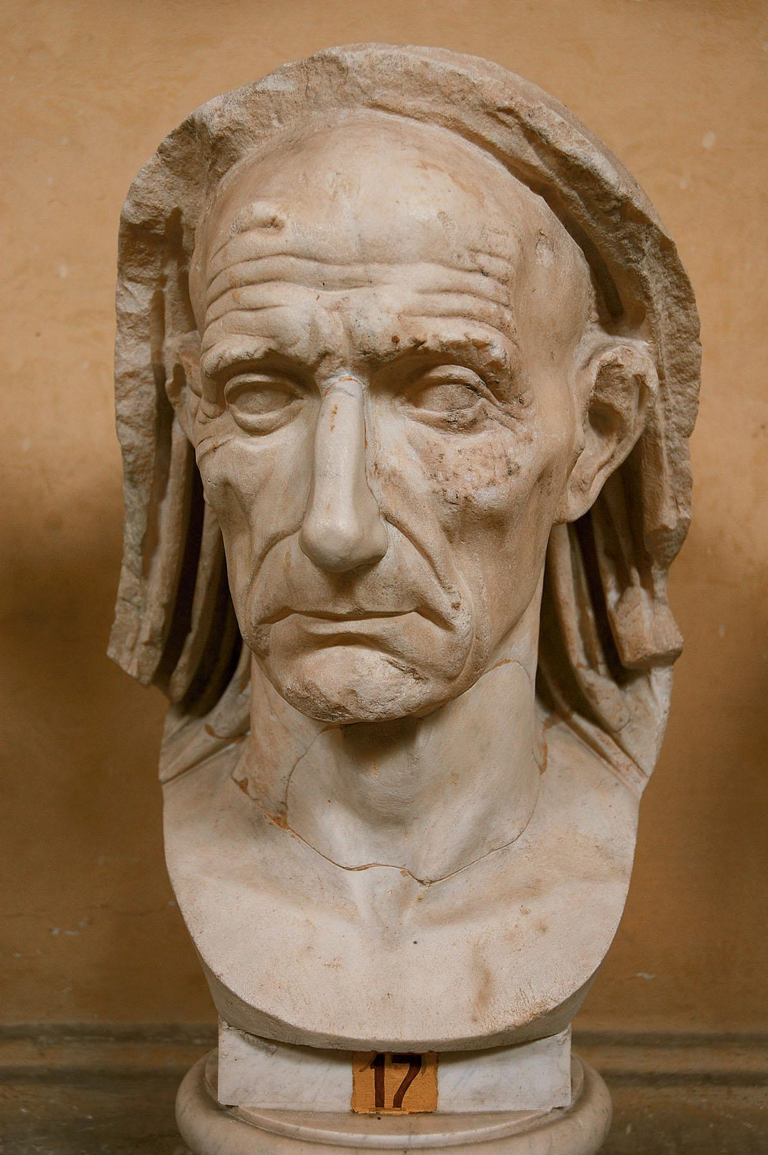
Head of a Republican Priest
A Roman bust representing a priest from the Republican era, notable for its realistic features and expression of wisdom and authority.
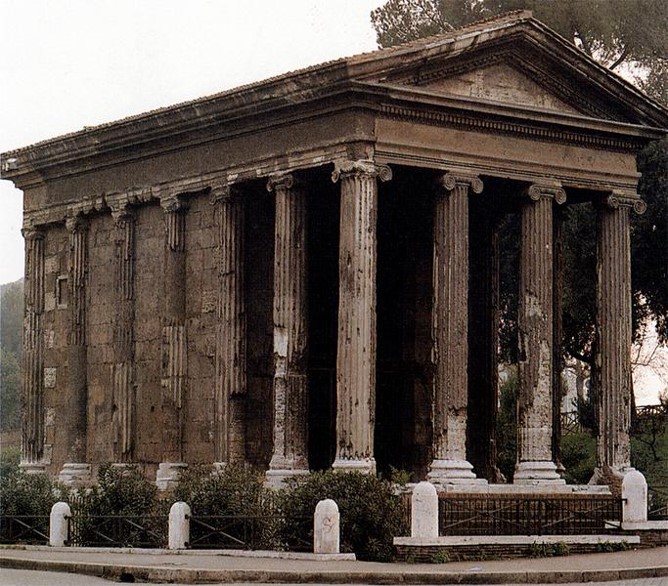
Temple of Portunus
A well-preserved Roman temple dedicated to the god Portunus, demonstrating the influence of both Greek and Etruscan architectural styles.
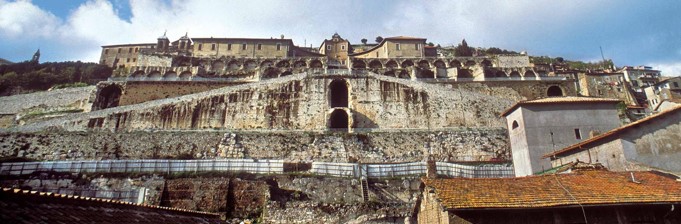
Sanctuary of Fortuna Primigenia
An ancient Roman sanctuary located in Palestrina, notable for its terraced design and grand architectural features, dedicated to the goddess Fortuna.
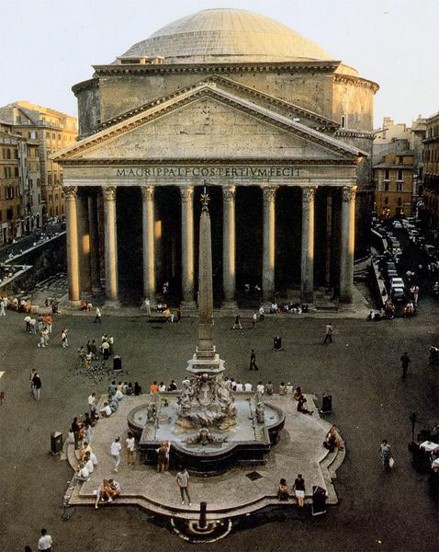
Pantheon
A masterpiece of Roman architecture, this temple is dedicated to all gods and features a large dome with an oculus, showcasing advanced engineering techniques.
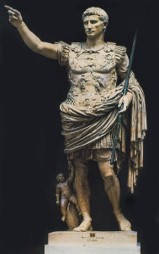
Augustus of Primaporta
A statue of the first Roman emperor Augustus, idealized to convey his divine right to rule and military accomplishments through symbolic gestures.
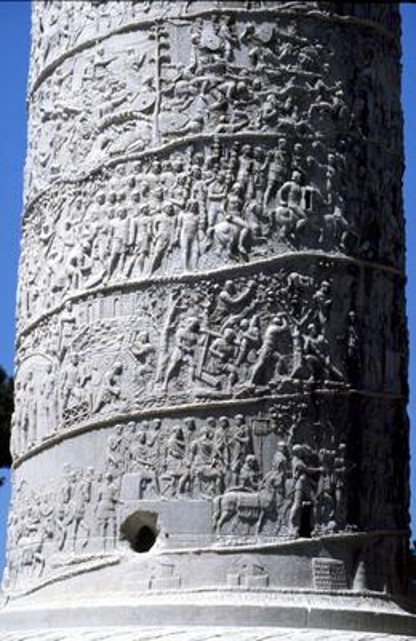
Column of Trajan
A monumental column in Rome that celebrates Emperor Trajan's victory in the Dacian Wars, featuring intricate reliefs depicting battle scenes.
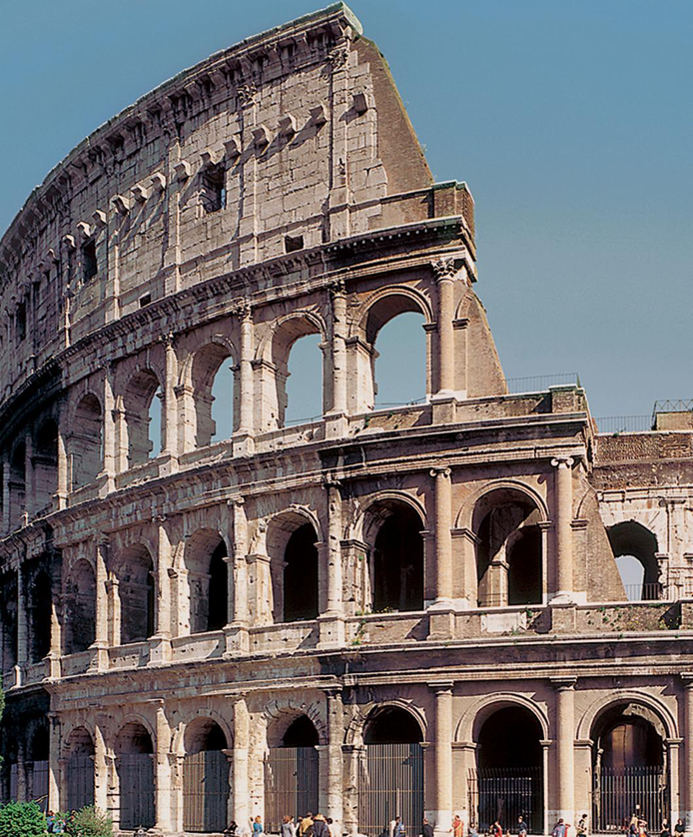
The Colosseum
A grand amphitheater in Rome, known for its architectural innovation and capacity to hold thousands, serving as a venue for public spectacles and gladiatorial games.
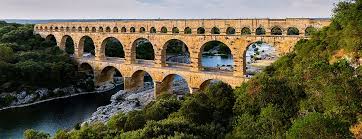
Pont-du-Gard
An ancient Roman aqueduct bridge in Southern France, renowned for its engineering brilliance and preservation, illustrating Roman water management.
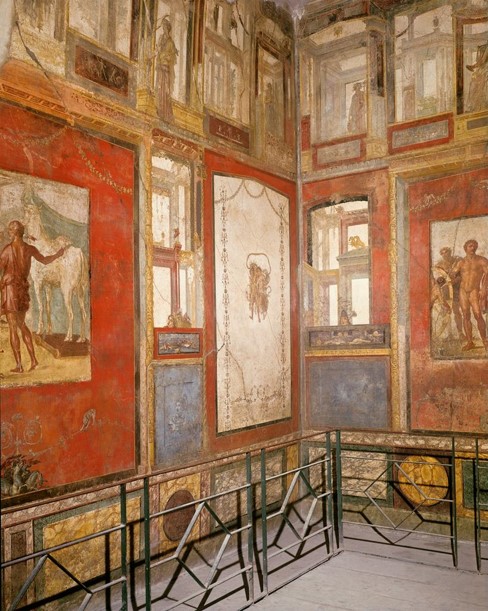
Ixion Room, House of the Vettii
A room in the Pompeii villa featuring elaborate frescoes depicting scenes of mythology and human vice, showcasing the decorative arts of the period.
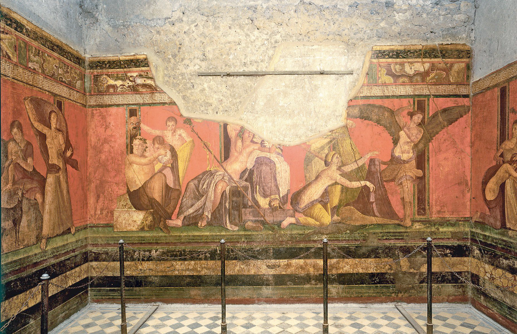
Dionysiac Mystery Frieze
A frieze depicting the festivities and rituals associated with Dionysus, highlighting the importance of religion and culture in ancient Roman society.
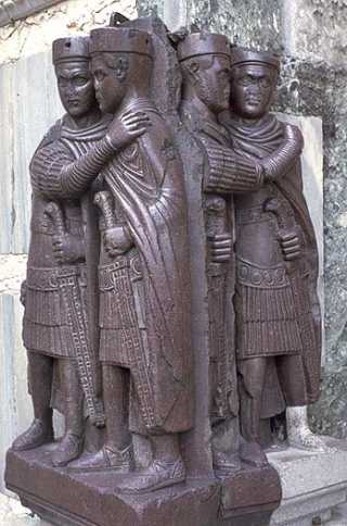
Portrait of the Four Tetrarchs
A sculpture representing the four co-emperors of the Roman Empire, symbolizing political unity and power during a time of division and crisis.
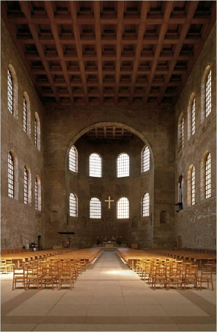
Basilica of Constanti
Roman architectural space adapted for congregation.
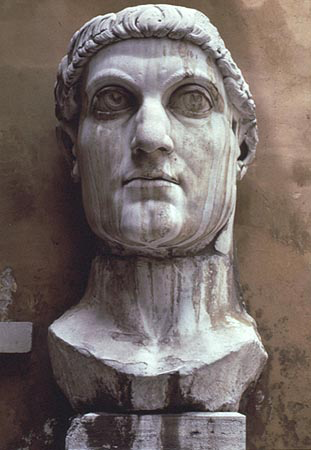
Portrait of Constantine the Great
A statue representing Constantine the Great, emphasizing his authority and role as the first Christian emperor through idealized features and symbolic elements.
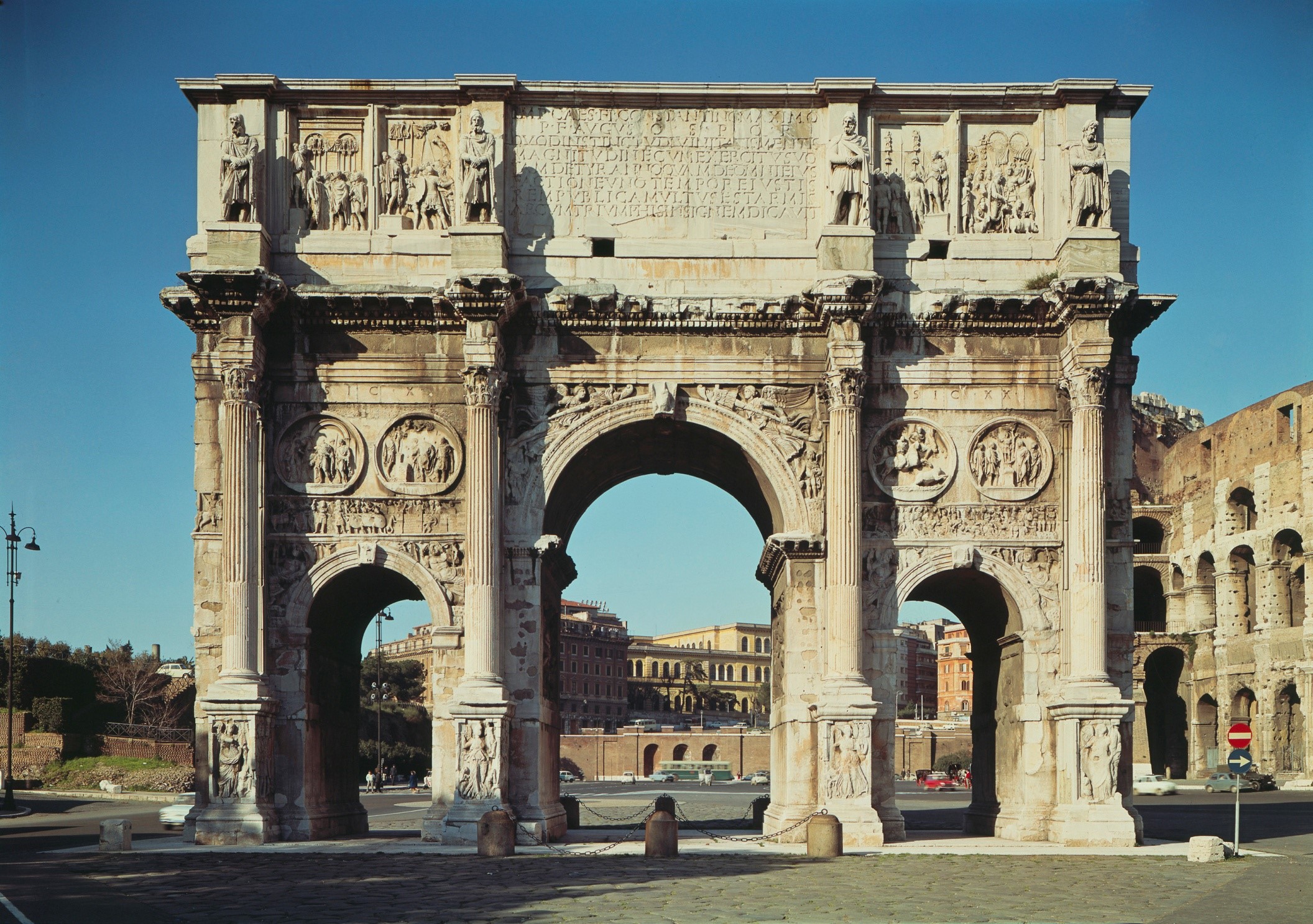
Arch of Constantine
A triumphal arch in Rome commemorating Constantine's victory at the Battle of Milvian Bridge, featuring relief panels that celebrate his reign and military achievements.
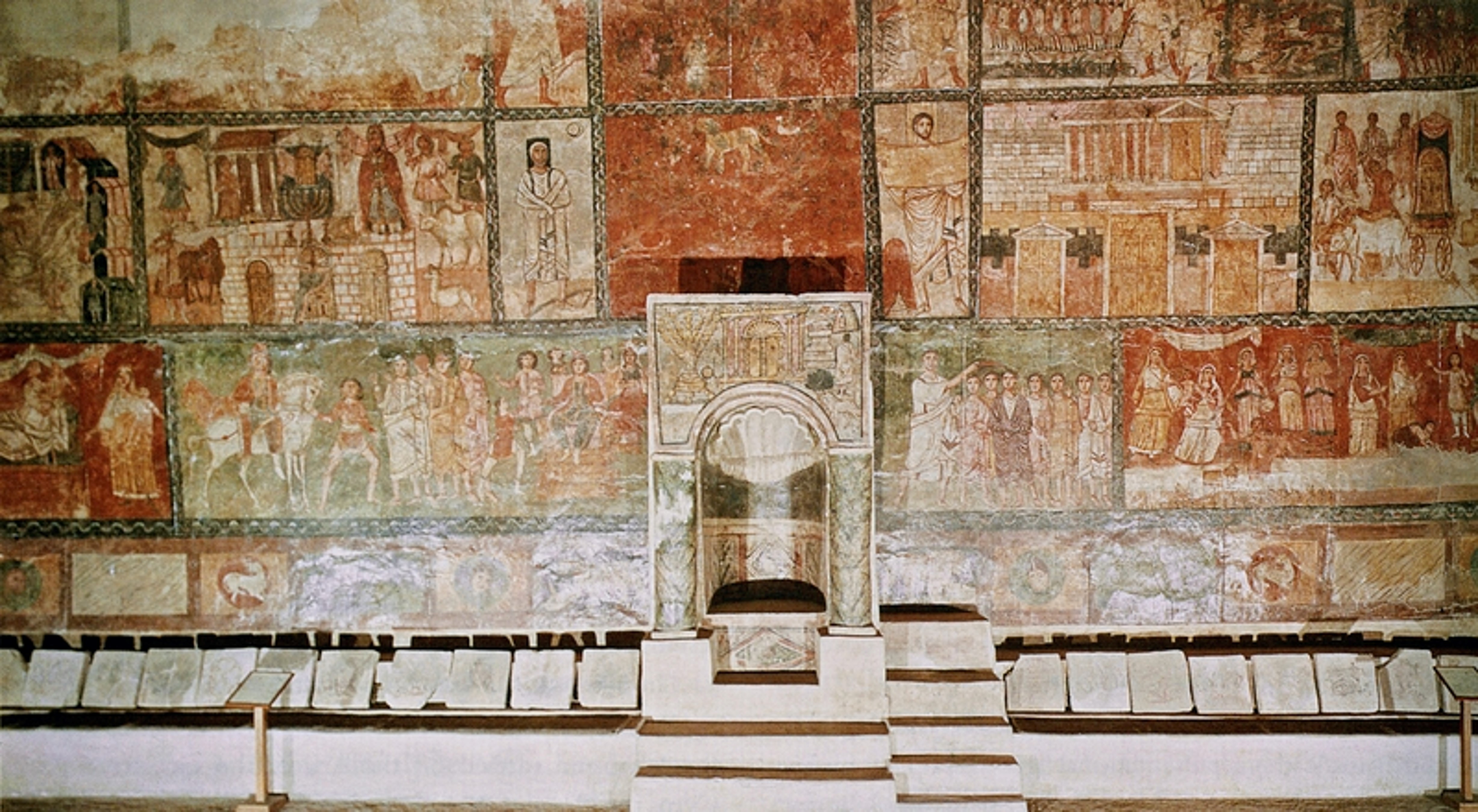
Wall with Torah Niche, Dura-Europos
An ancient wall in a Jewish house of worship in Dura-Europos, Syria, featuring a niche for the Torah scrolls. This wall highlights the significance of Jewish identity and religious practices in the context of the diverse cultural environment of the Roman Empire.