Exam II- Microbiology Lecture
 Note
 Call Kai
 Learn
 Practice Test
 Spaced Repetition
 Match
 Flashcards
 Knowt Play
1/75

There's no tags or description
Looks like no tags are added yet.
Name | Mastery | Learn | Test | Matching | Spaced | Call with Kai | Chat |
|---|
No analytics yet
Send a link to your students to track their progress
76 Terms
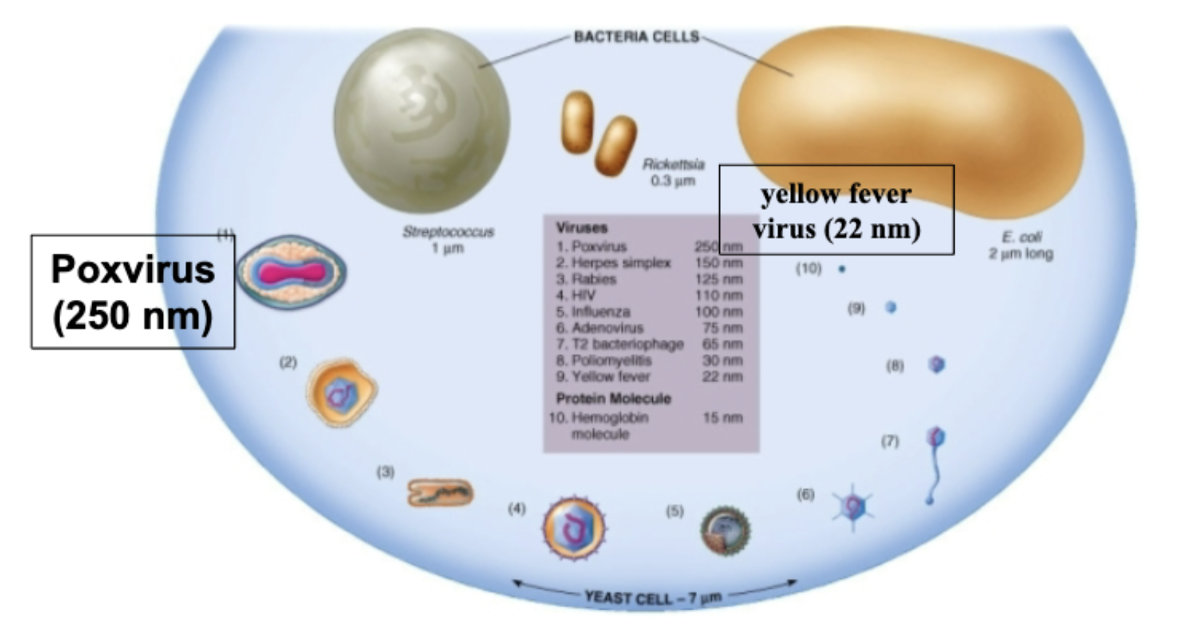
Differences between viruses and cells; review size comparisons of viruses, bacteria and eukaryotic cells (such as the yeast)
-Viruses are much smaller than cellular microorganisms(yeast and bacteria)
(yeast[7um], bacteria[E.coli= 2um], etc.)
Ex.) Poxvirus (250nm), Yellow Fever Virus (22nm)
viruses are non-living
Viruses need a living host to reproduce
Viruses are…
Obligate intracellular parasites
not cellular in nature; structure is very compact & economical
Viral Structure
Virions Definition
a complete virus particle that consists of an RNA or DNA core with a protein coat sometimes with external envelopes
Viral Structure
Capsids Definition
protective protein shell that surrounds viral nucleic acid
Viral Structure
Nucleocapsids Def
consists of capsid + nucleic acid
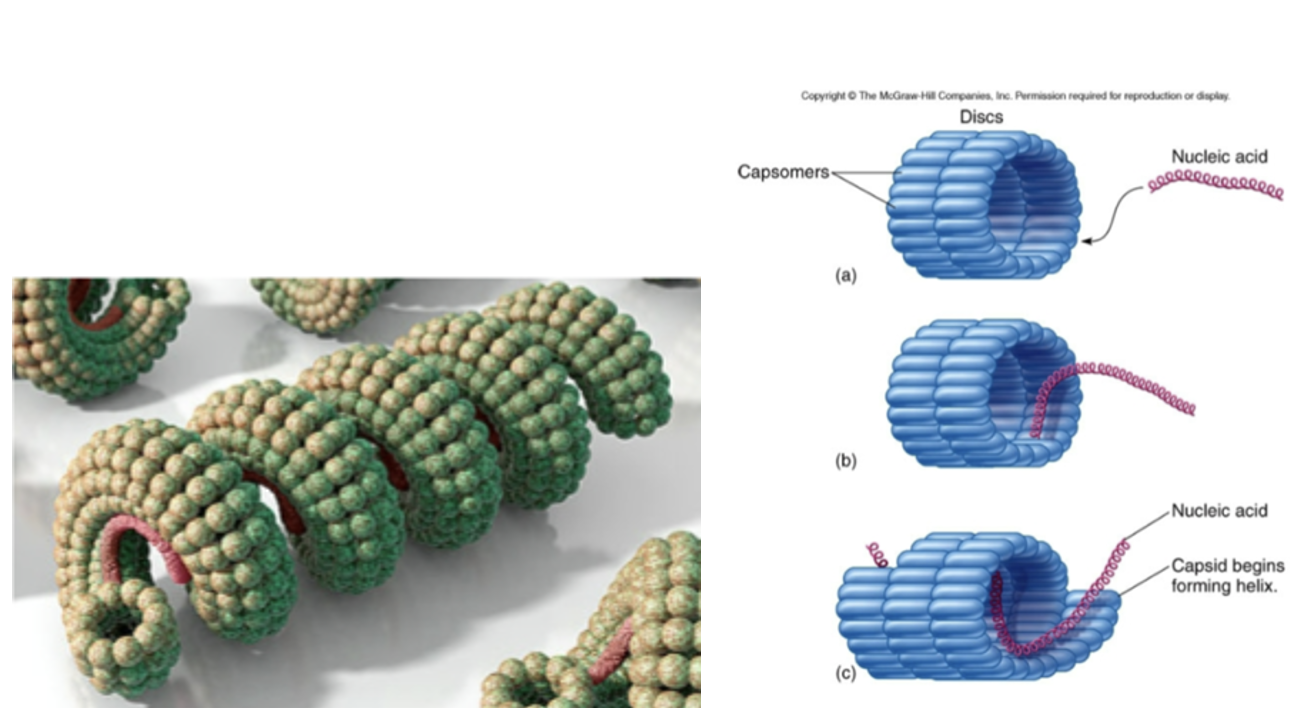
Viral Structure
Helical Capsids Definitions
a type of capsid symmetry- have rod-shaped capsomers that form hollow discs that resemble a bracelet
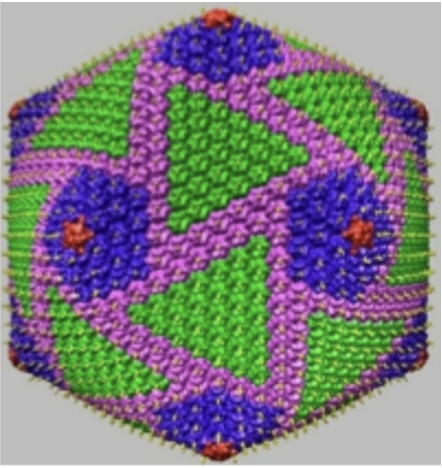
Viral Structure
Icosahedral Capsids Definitions
type of capsid symmetry= 20-sided 3-dimentional structure with 12 corners
What microscope is used to see viruses?
electron microscopes
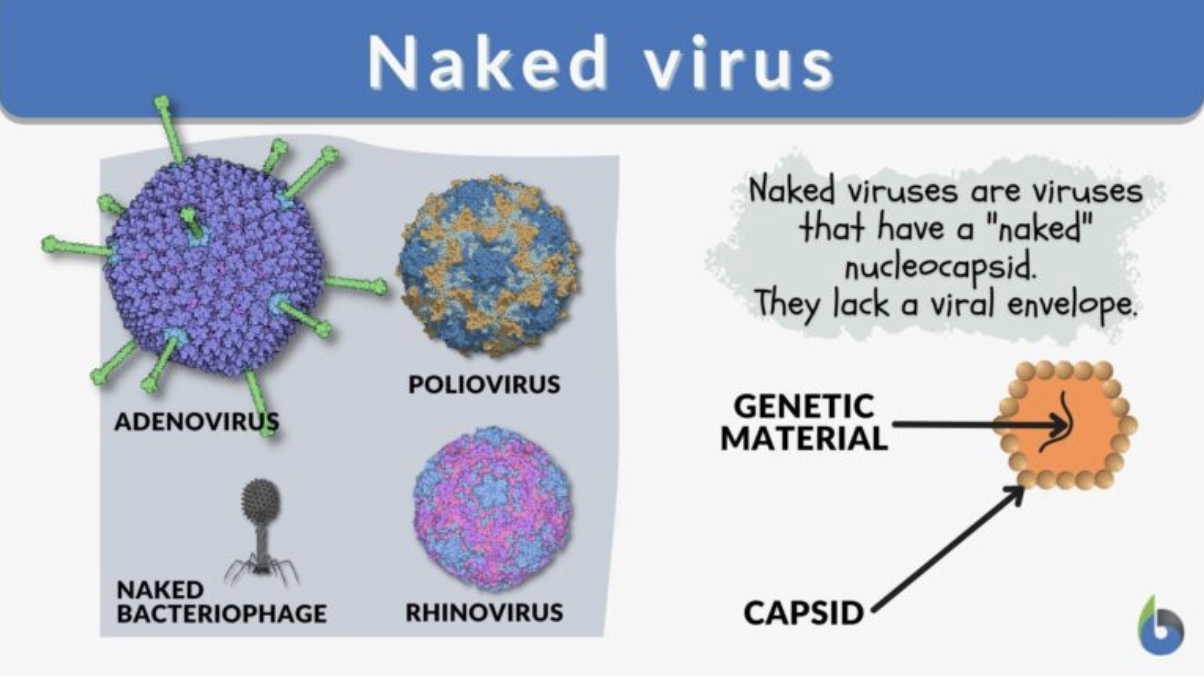
A naked virus does not have ___________
an envelope
What kind of macromolecules make up the capsid?
proteins
What is the viral envelope made of? How does a virus acquire its envelope during replication? (e.g. at which step of the replication cycle does the virus acquire the envelope?)
Viral Envelope: composed of phospholipid bilayer and envelope proteins
How do virus acquire its envelope: viruses acquire the envelope during the release step (at the end of replication) when a part of the host membrane is taken to the envelope the new virion
- Viruses enter the cell through membrane fusion
What are (envelope) spike proteins? Function of spike proteins?
Envelope spike proteins: viral glycoproteins on the envelope surface
Function: essential for attachment to the host(animal) cell
Why are viral genetic materials said to be diverse compared to cellular organisms?
viruses contan either DNA or RNA, but NOT both -
in inactive phage
DNA viruses: most have a double stranded DNA (dsDNA) molececule
RNA viruses: most have ssRNA molecules
genomes can be one or several segments
Smaller genome size compared to cellular organisms
only contain the genes to invade/manipulate host cells
no metabolic genes
Steps (sequence of events) in animal virus multiplication (replication cycle)
1. Adsorption- involvement of spikes, which determine the host range
2. Penetration- virus enters host cell through endocytosis or fusion
3.Uncoating- release of viral nucleic acids from viral coat
4.Synthesis- viral nucleic acid and capsid protein synthesis using host machinery
5.Assmebly- formation of nucleocapsids and viral particles
6. Release- Newly synthesized viral particles leaving the host cell through budding or exocytosis
Examples of cytopathic effects (abnormal host cell morphology resulting from viral infections) - What are syncytia? What is an oncovirus?
-Inclusion body formation in host cell: viral mass in nucleus or ctoplasm
-Syncytia: fusion of host cells, formation of giant cell w/ multiple nuclei (cells growing together)- it’s a sign of viral infection; it allows virus to escape host antibodies/detection
-Oncovirus: a virus that can cause cancer
What are phages or bacteriophages? Major differences between bacteriophages and animal viruses during multiplication
Phages or Bacteriophages: are viruses that infects bacteria specifically
Differences
-Bacteriophages
inject their DNA through a trail structure directly into the bacterial cytoplasm
infect bacteria (prokaryotic cells)
-Animal Viruses
fuse with the host cell membrane or enter by endocytosis
infect eukaryotic cells(animals, plants, fungi)
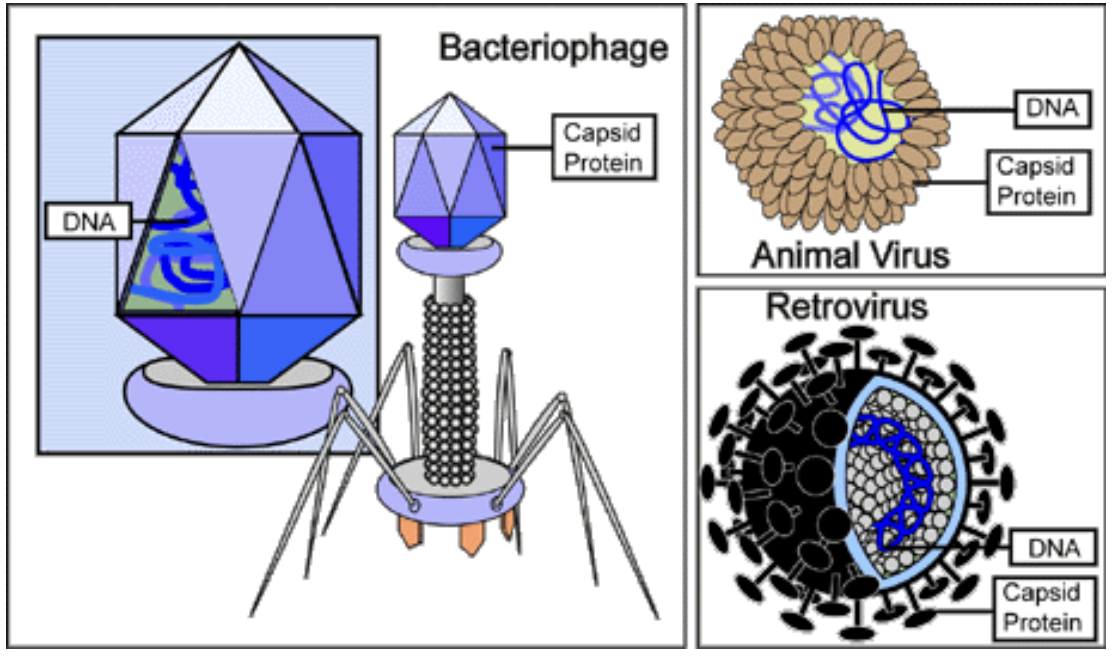
Lytic Phage Def
lyse the host cells and release phage progeny at the end of infection cycle
Note:
Lyse: the breakdown of a cell caused by damage to its plasma (outer) membrane
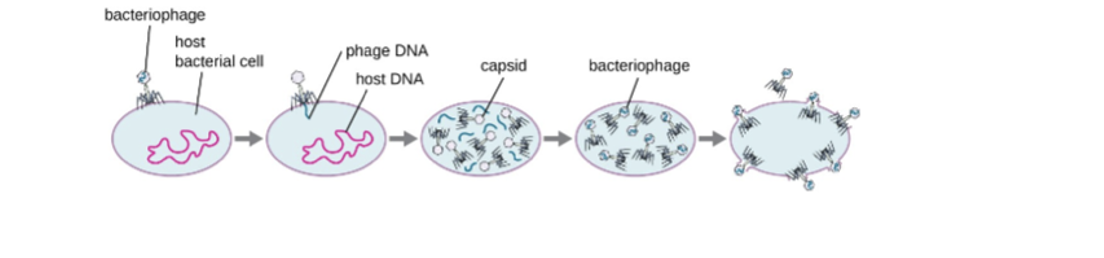
Temperate Phage Def
don’t always lyse the host cell(Temperate, “mild”, as opposed to “virulent”); they can persist within the host cll or lyse the host cell
Note:
Lyse: the breakdown of a cell caused by damage to its plasma (outer) membrane
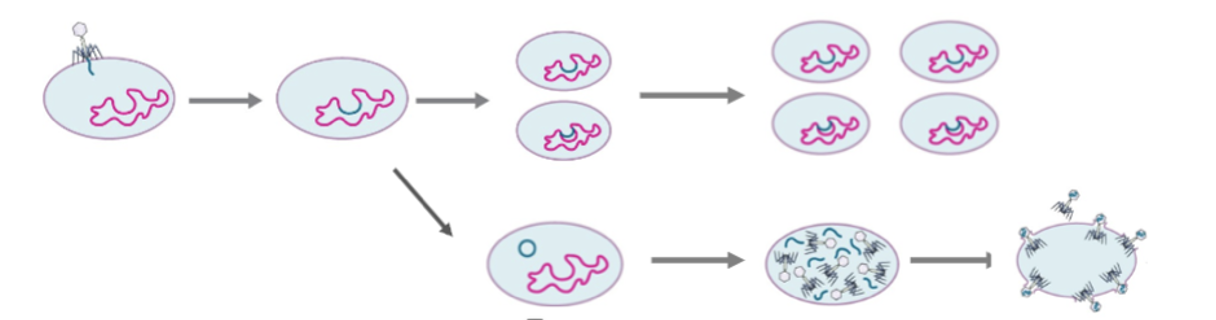
Temperate phage
a virus that can infect bacteria in two ways: lysogeny and lysis
What is a prophage?
A prophage is a bacteriophage genome that is integrated into the circular bacterial chromosome
What happens when a prophage is activated (induction)
“Induction”: the lysogenic state induced to enter the lytic state
What is lysogenic conversion? How does that lead to emergence of new pathogenic bacteria?
Lysogenic Conversion: conversion of phenotype
How does that lead to emergence of new pathogenic bacteria?
a bacteriophage (a virus that infects bacteria) introduces new virulence factors or traits that make the bacterium more harmful to the host
What is lysogenic conversion? How does that lead to emergence of new pathogenic bacteria?
lysogenic conversion: conversion of phenotype
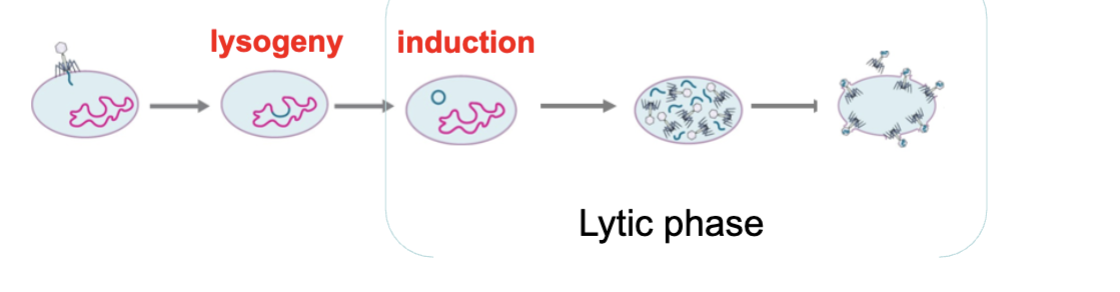
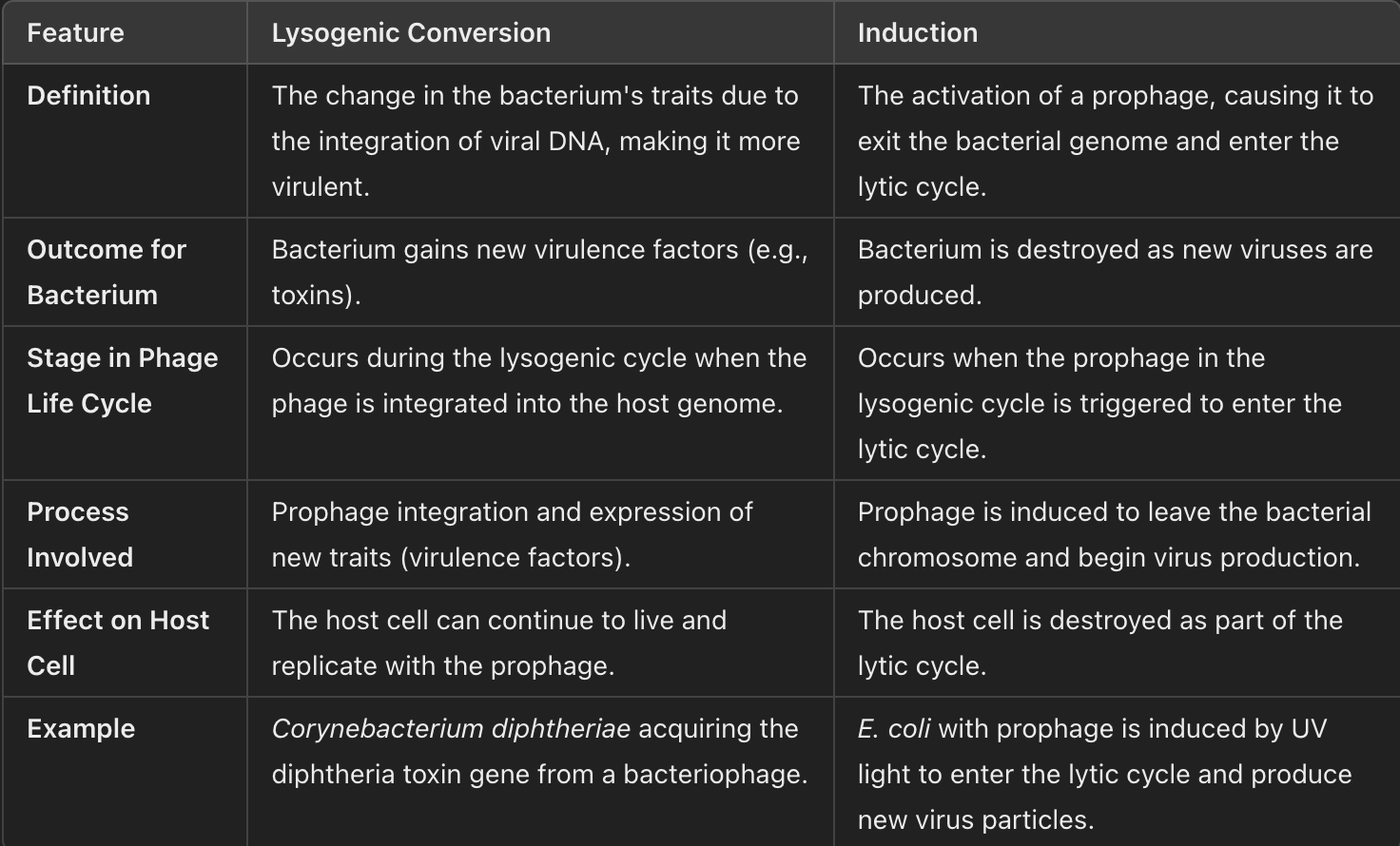
Differentiate “lysogenic conversion” and “induction”
Examples of Lysogenic conversation
Difference: lysogenic conversion alters the bacterium's traits, …
… while induction activates the bacteriophage to begin producing new virus particles, causing cell lysis.
- Ex.) many nonpathogenic bacteria can become pathogenic after acquiring
a temperate phage which may carry toxin genes
Corynebacterium diphtheriae: the diphtheria toxin is encoded by the
prophage b. When the nontoxigenic bacterium C7 is infected by b, àit
becomes a toxin-producing pathogen C7(b) and can cause diphtheria, a
respiratory infection that can lead to deathCholera toxin (Vibrio cholerae) and botulism toxin (Clostridium botulinum)
genes are all phage-encoded
Viral cultivation methods;
why can we culture bacteria on agar plates or in broth, but can’t grow viruses directly on agar plates?
Viruses cannot be cultured directly on agar plates because they are not living cells and require a host cell to reproduce.
What methods are used for viral cultivation
In vitro method
cell or tissue culture
In vivo method(for animal viruses)
lab animals
embryonic bird tissue (chicken egg, turkey, duck)
What is a plaque? (in context of viral nfection)
plaque: is the area of host lysis
plaque can be used to enumerate viruses
What are prions and viroids? (Which types of macromolecules are they made of?)
Prions: are infectious protein particles from diseased animals (no nucleic acid, no envelope, no capsid)
Made of: Proteins
Viroids: contain RNA only, plant pathogens (tomatoes, potatoes, cucumbers), short RNA pieces (1/10th size of normal viruses), naked strands of RNA, no capsid proteins
Diseases caused by prions and viroids in animals and plants, difference between a satellite virus and a regular virus
Disease caused by… prions and viroids
-Prions: Mad cow disease (CGAD in humans) & sheep scrapies= FATAL
-Viroids: primarily effect plants and we don’t know much on them
Satellite viruses: defective viruses dependent on other viruses for replication (steal spike protein form HPV)
Ex.) delta agent (hepatitis D virus), can only be multiple in the presence of Hepatitis B virus
Regular viruses: Regular viruses are fully independent, capable of replicating on their own, while satellite viruses depend on another virus (the helper virus) for replication and often exhibit smaller and simpler genomes.
Anabolism (biosynthesis) and catabolism: definitions; relationships between the two
Anabolism: building of complex molecules from numerous simple ones.
Catabolism: breakdown of complex molecules into numerous simple ones
Relationship: Catabolism breaks down molecules to release energy, while anabolism uses that energy to build and repair essential cellular components.
essential for life and are closely regulated to ensure energy homeostasis in the cell.
ATP molecule structure: how many high energy bonds does it have?
2 high energy bonds
Define phosphorylation and dephosphorylation
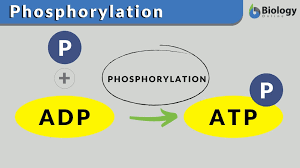
phosphorylation: the process of adding a phosphate group to a molecule or ion
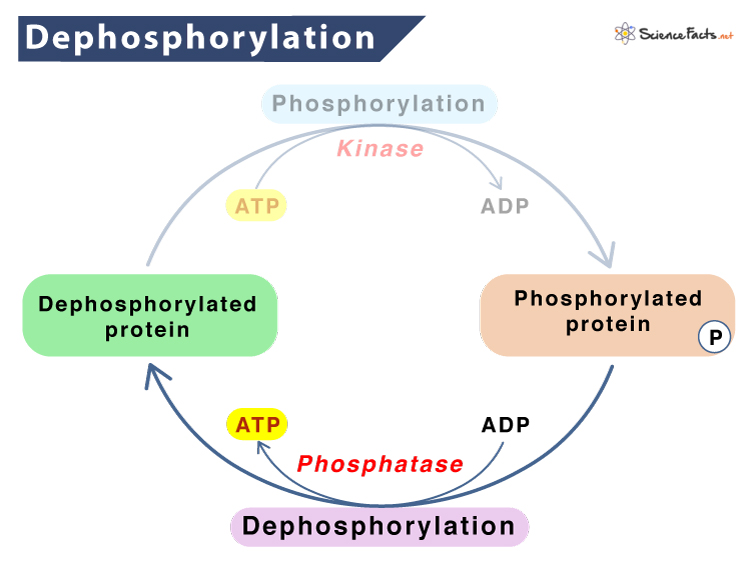
dephosphorylation: is when ATP+ becomes (ADP-) ---> energy is released, to be used in endergonic run
ATP
Adenosine triphosphate is the energy carrier in the cell
- a nucleotide that stores energy in the form of high-energy bonds
- 2 high energy bonds will release energy when broken
ADP- adenosine diphosphate
ATP—> ADP +Pi: is this reaction dephosphorylation or phosphorylation? Dephosphorylation
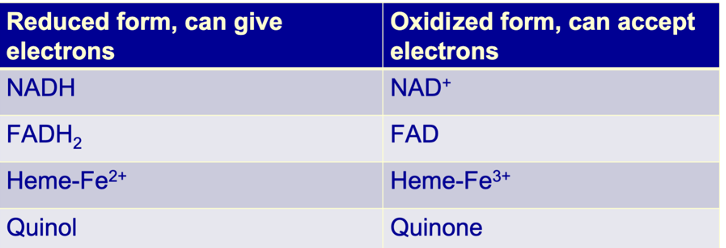
Electron carrier pairs: NADH/NAD+, FADH2/FAD: Which one is the reduced form and oxidized form in the pair? Which one in the pair can donate electrons? Which one can accept electrons?
NAD+ accepts 2 e- and becomes NADH
NADH can donate 2 e- to the respitory chain and become NAD+ again
Consider this overall reaction that depicts glucose catabolism in aerobic respiration:
Glucose + O2 + ADP 6 CO2 + 6 H2O + ATP
Pathways of aerobic respiration
Stage 1) Glycolysis, Stage 2) TCA cycle, Stage 3) Electron transport (ETC)
At which stage(s) is ATP produced?  |
Gylcolysis, TCA
At which stage is oxygen (O2) directly involved?
(Does glycolysis need oxygen?)
ETC
Glycolysis DOESN”T need oxygen
At which stage(s) are electrons released from organic molecules to produce either NADH or FADH2? |
Glycolysis, TCA
At which stages does substrate-level phosphorylation occur? |
glycolysis
At which stage(s) does oxidative phosphorylation occur? |
ETC
Which process (stage) is responsible for the majority of the cellular ATP produced? |
ETC
Does substrate-level or oxidative phosphorylation produce more ATP?
oxidative pophoylation produces more ATP
Cellular locations of the TCA cycle and the electron transport chain (ETC) in bacteria and in eukaryotic cells
Bacteria: TCA and ETC (cytoplasm, specifically plasma membrane)
- Eucaryotic Cells: TCA (mitochondrial matrix), ETC (inner mitochondrial membrane)
Anaerobic respiration vs. aerobic respiration:
What is the terminal electron acceptor for aerobic respiration?
oxygen
What is the terminal electron acceptor for anaerobic respiration using nitrate?
Nitrate (NO3-)
In the absence of oxygen: what type(s) of microbial metabolism can take place?
aerobic respiration AND fermentation
Fermentation reactions in alcoholic and lactic acid fermentation
What are the main fermentation products in the yeast (Brewer’s or Baker’s yeast)?
ethanol and gas
In general, what is the fermentation product for most bacteria?
usually produce acids and sometimes gas
How about in E. coli? (These two fermentation products are important for the diagnosis and identification of E. coli)
produces large amounts of acids AND gas is a mixture of CO2 + H2); positive for the Methyl Red test (MR test, positive if acid is produced)
What fermentation products does the MR-VP test detect?
MR-VP test for acid production (MR) and ethanol (VP)
Based on its metabolism in the presence and absence of oxygen (aerobic and anaerobic respiration, fermentation
what is a facultative anaerobe?
If O2 is present they produce lots of energy, if O2 is absent they have to use fermentation and have enzymes to protect them
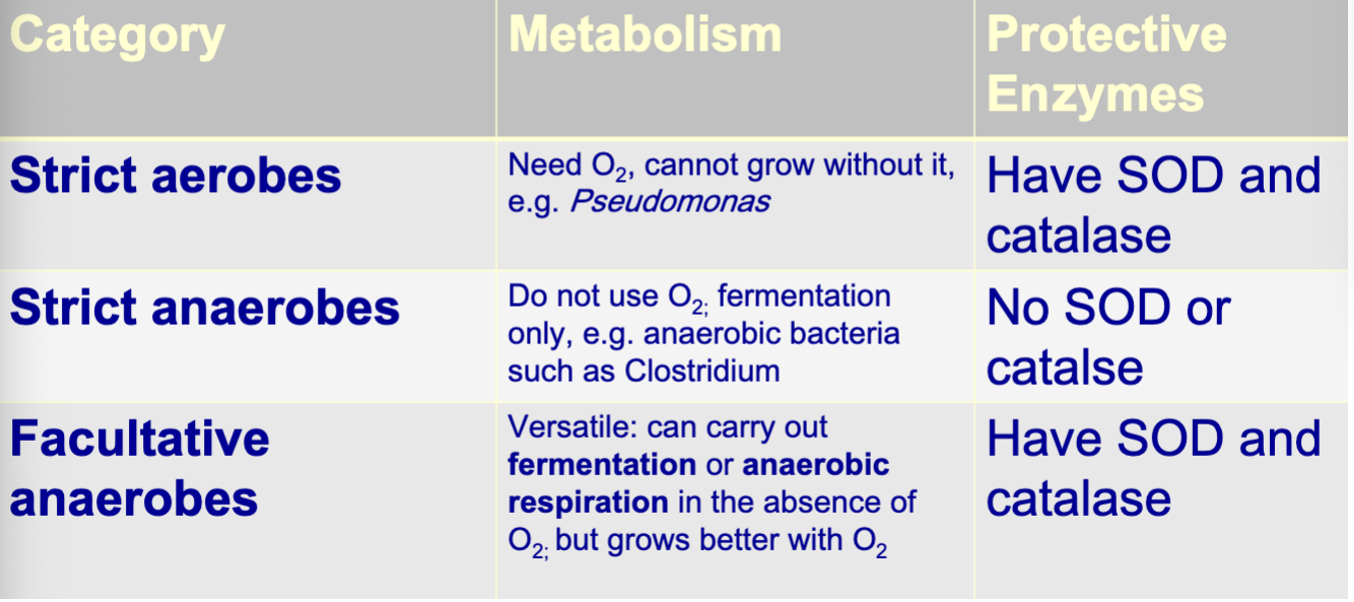
What is a (strict anaerobe)?
doesn’t have membrane chains & don’t use anaerobic/aerobic respiration, but ferment and must live in O2 free environments; don’t have enzyme to neutralize
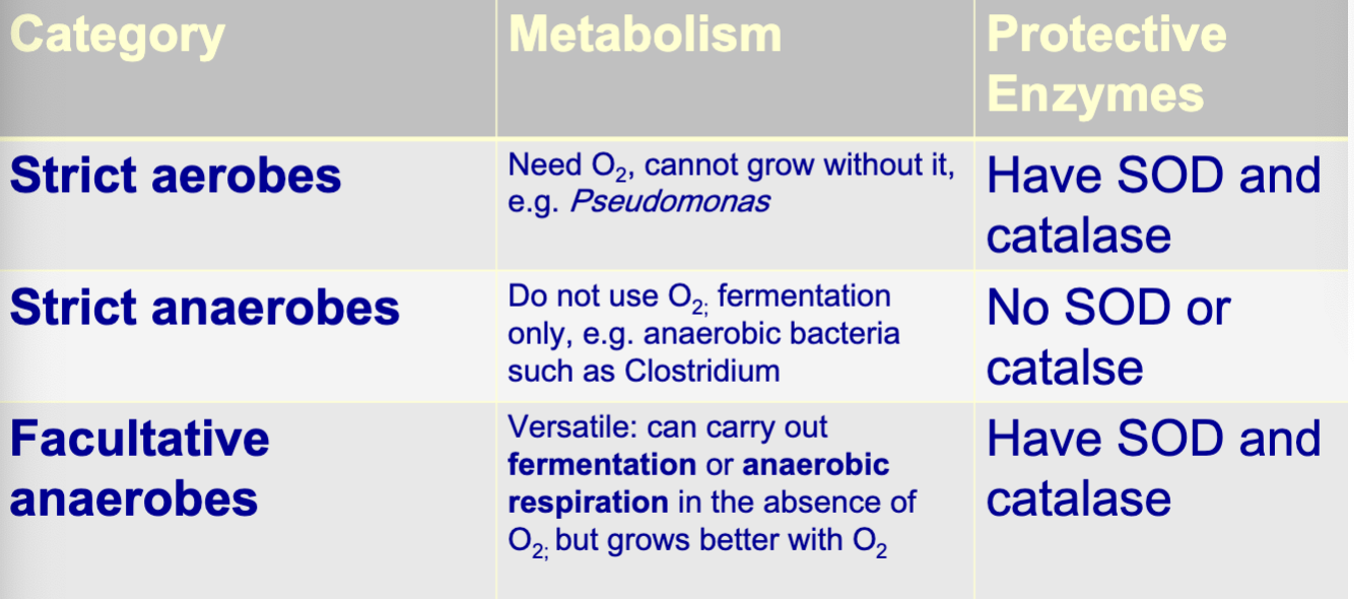
What is a (strict) aerobe?
Must use oxygen and have enzyme to protect them
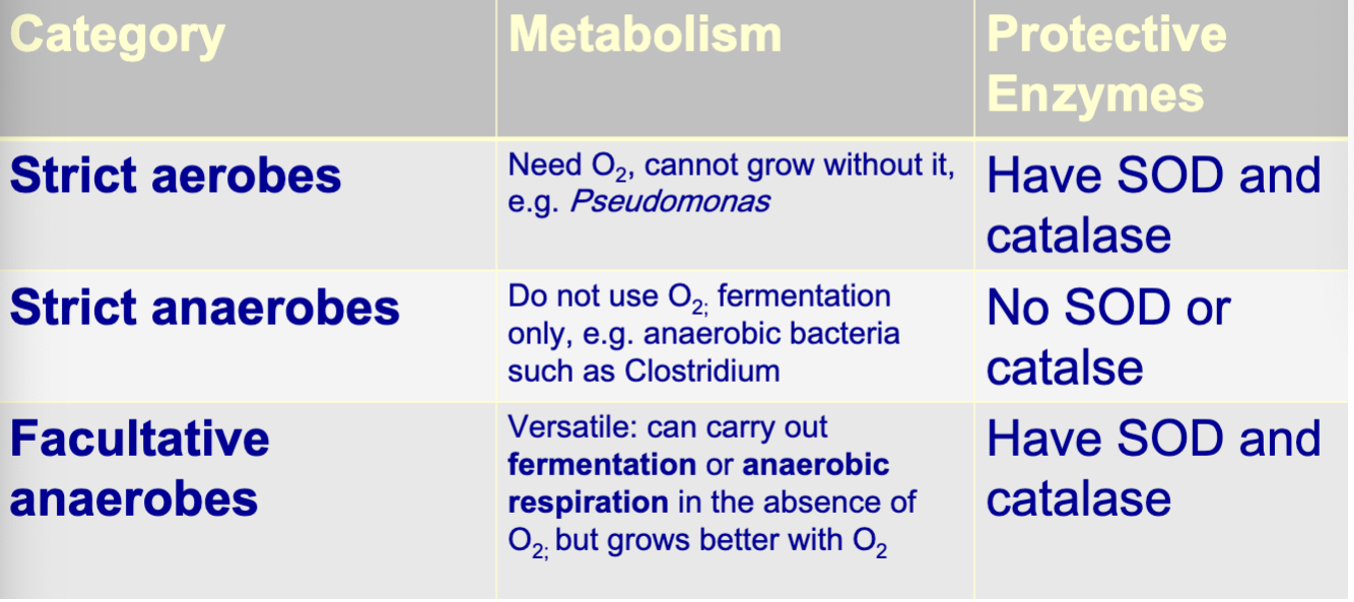
Which enzymes are required for the metabolism of polysaccharides such as lactose and starch?
Enzymes for Starch: Amylase and maltase
Ultimately broken down into glucose, which can enter glycolysis or be stored as glycogen (in animals) or starch (in plants).
Enzymes for Lactose: galactose, lactase
Converted to glucose and galactose, which can enter glycolysis for energy production.
Compare genome vs. chromosome; parts of the eukaryotic cell where genetic materials can be found
Genome: all genetic material from an organism
- Composed of double stranded DNA(dsDNA)
Chromosome: carry DNA into nucleus
Eukaryotic cell: genetic material is found in the Nucleus
Review DNA structure
what are the 3 parts of a nucleotide?
- Phosphate group, sugar(pentose), nitrogen
base pairing rules in DNA and RNA
Nucleotide in DNA | Matching nucleotide | |
In DNA | In RNA | |
A | T | U |
G | C | G |
T | A | U |
C | G | C |
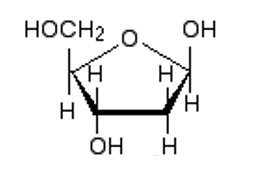
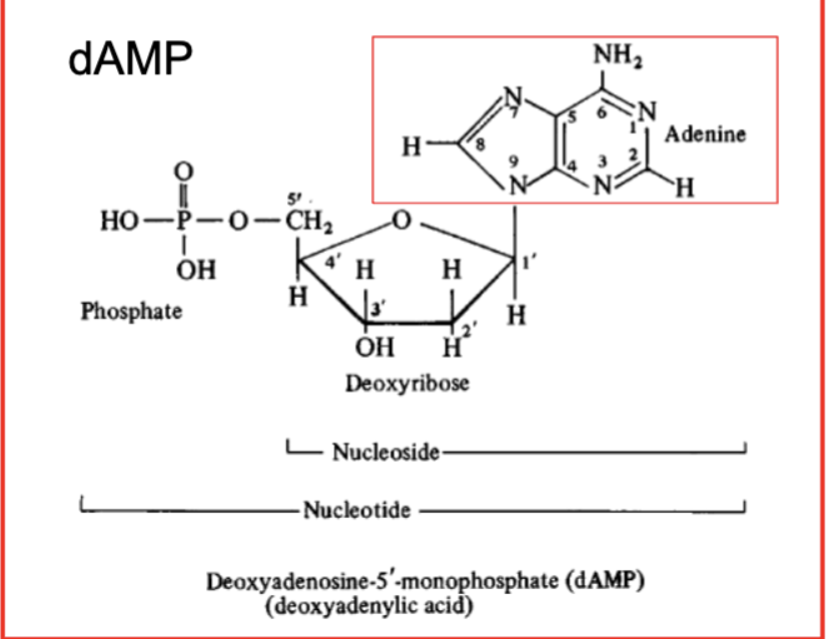
67 Is the following pentose (5-carbon sugar) a ribose or deoxyribose? Label the 1’, 2’ 3’, 4’ and 5’ carbon on the sugar ring; where does the pentose connect to the nitrogen base? Where does it connect to the phosphate?
- Deoxyribose 5’,4’, 3’, 2’, 1’
where does the pentose connect to the nitrogen base?
carbon 1’
Where does it connect to the phosphate?
carbon 5’
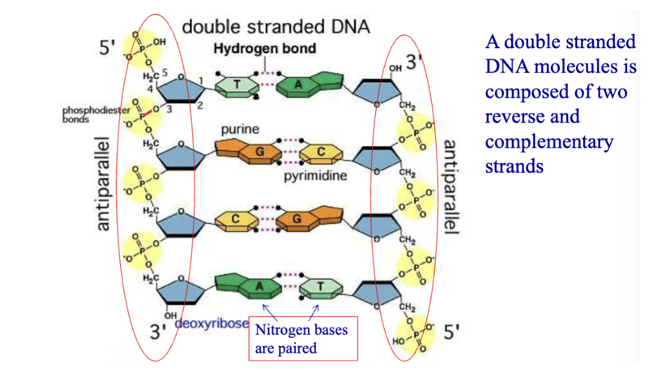
What is the antiparallel structure of a DNA molecule
- Two DNA strands run in opposite directions (one in 5’3’ and the other in 3’ 5’) – antiparallel
Which of the following is an accepted way for DNA sequence?
a. 5’ AMP GMP AMP AMP TMP GMP GMP 3’
b. 5’ dAMP dGMP dAMP dAMP dTMP dGMP dGMP 3’
c. 5’ AGAATGG 3’
d. 5’AGAAUGG 3’
c. 5’ AGAATGG 3’
DNA replication:
What is an origin? What is a DNA polymerase? What is the semiconservative nature of DNA replication
- Origin: the specific location on a DNA molecule where the replication begins, acting as a starting point for the process
- DNA polymerase: is the enzyme that plays a crucial role in the synthesis of new DNA strands during replication. Its primary function is to add nucleotides (the building blocks of DNA) to the growing DNA strand by reading the template strand.
- Semiconservative nature of DNA replication: refers to the way the two strands of the original DNA molecule separate (each used as a template for the synthesis of new strands)
Each new DNA molecule consists of the original strand (from the parent DNA) and one newly synthesized strand.
Practice of DNA, RNA and protein sequences:
How should each be label (3’-5’)
protein sequence should have N-_______ C- terminus
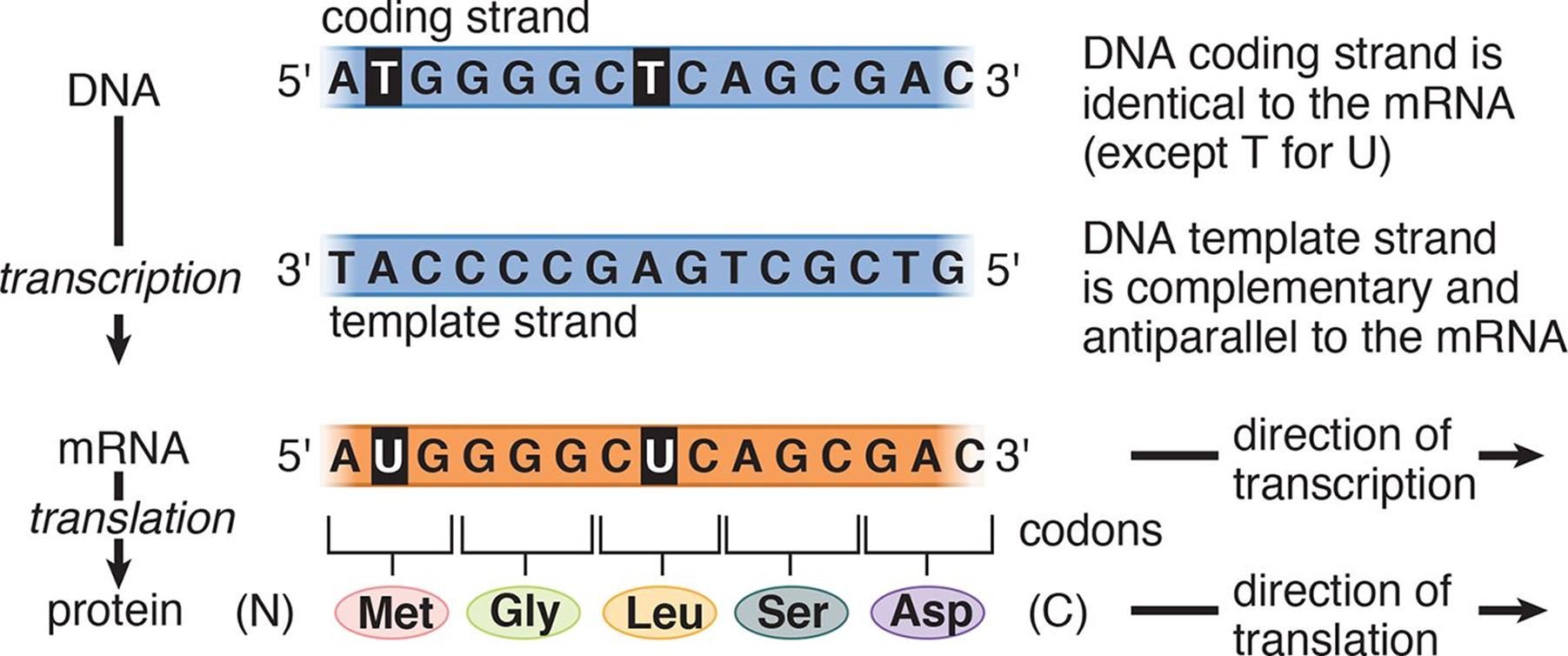
Which strand of the DNA is the coding strand?
has the same sequence as the mRNA (except for T → U).
Which one is the template strand
the strand that RNA polymerase reads to make the mRNA.
The terms: replication, transcription, and translation: complete the following table (choose from the following: DNA, RNA, promoter, DNA polymerase, RNA polymerase, ribosome, codon, anticodon, start codon, stop codon, etc.)
| Template type (DNA, RNA or protein) | Product type (DNA, RNA or protein) | Where does it start (names of the initiation sites) | Main enzyme or organelle required |
replication | DNA | DNA | Origin | DNA polymerase |
transcription | DNA | RNA | Promoter | RNA polymerase |
translation | RNA | Protein | Start codon | ribosome |
If the coding region on a DNA strand is 1200 bases long (including the start codon by not including the stop codon), what is the size of the protein product (the number of amino acids in this peptide)? Hint: use the 3:1 ratio
o The "3:1 ratio" mentioned refers to the fact that every 3 nucleotides in the DNA sequence code for 1 amino acid in the protein
- If the coding region is 1200 bases long, and each codon (a group of 3 bases) codes for one amino acid, then the protein product will consist of 1200 bases / 3 bases per codon = 400 amino acids
1. Cellular locations (cytoplasm or nucleus) for transcription and translation in eucaryotes
1.
Genetic processes | Cellular location: cytoplasm or nucleus? | |
Procaryotes | Eucaryotes | |
Replication | ? | ? |
Transcription (RNA splicing occur?) | ? | ? |
Translation (70s or 80s ribosome?) | ? | ? |
Genetic processes | Cellular location: cytoplasm or nucleus? | |
Procaryotes | Eucaryotes | |
Replication | Cytoplasm | Nucleus |
Transcription (RNA splicing occur?) | Cytoplasm | Nucleus (RNA splicing occurs) |
Translation (70s or 80s ribosome?) | Cytoplasm(70S) | Cytoplasm(80S) |
What does the Ames test detect? What is the relationship between mutagens and cancers?
Detects: substance can cause mutations, helping identify potential mutagens.
The relationship between mutagens and cancer lies in the fact that mutations, especially in genes that regulate cell growth and division, can lead to uncontrolled cell growth—a hallmark of cancer
Point Mutation Types
Def of point mutations: change of a single nucleotide(letter), or nitrogen base
Nonsense Mutation
Silence Mutation
Missense Mutation
Frameshift Mutation
Missense Mutation
DEF: causes change in a single amino acid residue in the protein and can change the protein function dramatically
EX.) GGU (Gly) ——> GCU (Ala)
Nonsense Mutation
DEF: mutation on DNA changes a normal codon on mRNA to a stop codon
EX.) UAC (tyr) —> UAA (stop)
Silent Mutation
DEF: alters a base but does not change the amino acid
Ex.) GGC—> GGU
base(letter) changes but both codons are both Gly doesn’t change
Frameshift Mutation
DEF: insertion or deletion of a nucleotide; adding an extra “letter”
very serious mutation
What kind of mutation are these? Which will most likely cause a defective protein product?
i) codon UGG is mutated to codon UGA
ii) codon GGG is mutated to codon AGG
iii) codon ACU is mutated to ACC
iv) codon AAA is mutated to AAGA
i) codon UGG is mutated to codon UGA= nonsense mutation
ii) codon GGG is mutated to codon AGG= missense mutation
iii) codon ACU is mutated to ACC= silent mutation
iv) codon AAA is mutated to AAGA= frameshift mutation
Which of the above will most likely cause a defective protein product? Why is a frameshift mutation so serious to the cell?
Nonsense mutation (i) and Frameshift mutation (iv).
Frameshift mutations are particularly dangerous because they alter the entire downstream sequence of amino acids, often leading to a nonfunctional protein.