Honors Biology - Ecology Unit Study Guide
 Call Kai
 Learn
 Practice Test
 Spaced Repetition
 Match
 Flashcards
 Knowt Play
1/41

Earn XP
Description and Tags
Honors Biology
42 Terms
Biotic factor
any living part of the environment with which an organism might interact (ex. plants and animals)
Abiotic factor
physical, or non-living, factor that shapes and ecosystem (ex. sunlight, temperature, water)
Ecosystems
all the organisms that live in a place, together with their nonliving enviroment
Population
group of individuals of the same species that live in the same area
Biome
a group of ecosystems that share similar climates and typical organisms
Biosphere
Part of earth in which life exists including land, water, and air/atmosphere
Community
assemblage of different populations that live together in a defined area
Place the ecological levels of organization in order
organisms, population, community, ecosystem, biome, biosphere
carnivore
any animal that eats the flesh of another living thing
Trophic level
each step in a food chain or web
Biomass
Total amount of living tissue within a given trophic level
Biomass pyramid
a model that illustrates the relative amount of living organic matter in each trophic level in an ecosystem
Food web
a network of complex interactions formed by the feeding relationships among the various organisms in an ecosystem
food chain
a series of steps in an ecosystem in which organisms transfer energy by eating and being eaten
Denitrification
process by which bacteria converts nitrates into nitrogen gas
Nitrofixation
process of converting nitrogen gas into nitrogen compounds that plants can absorb and use
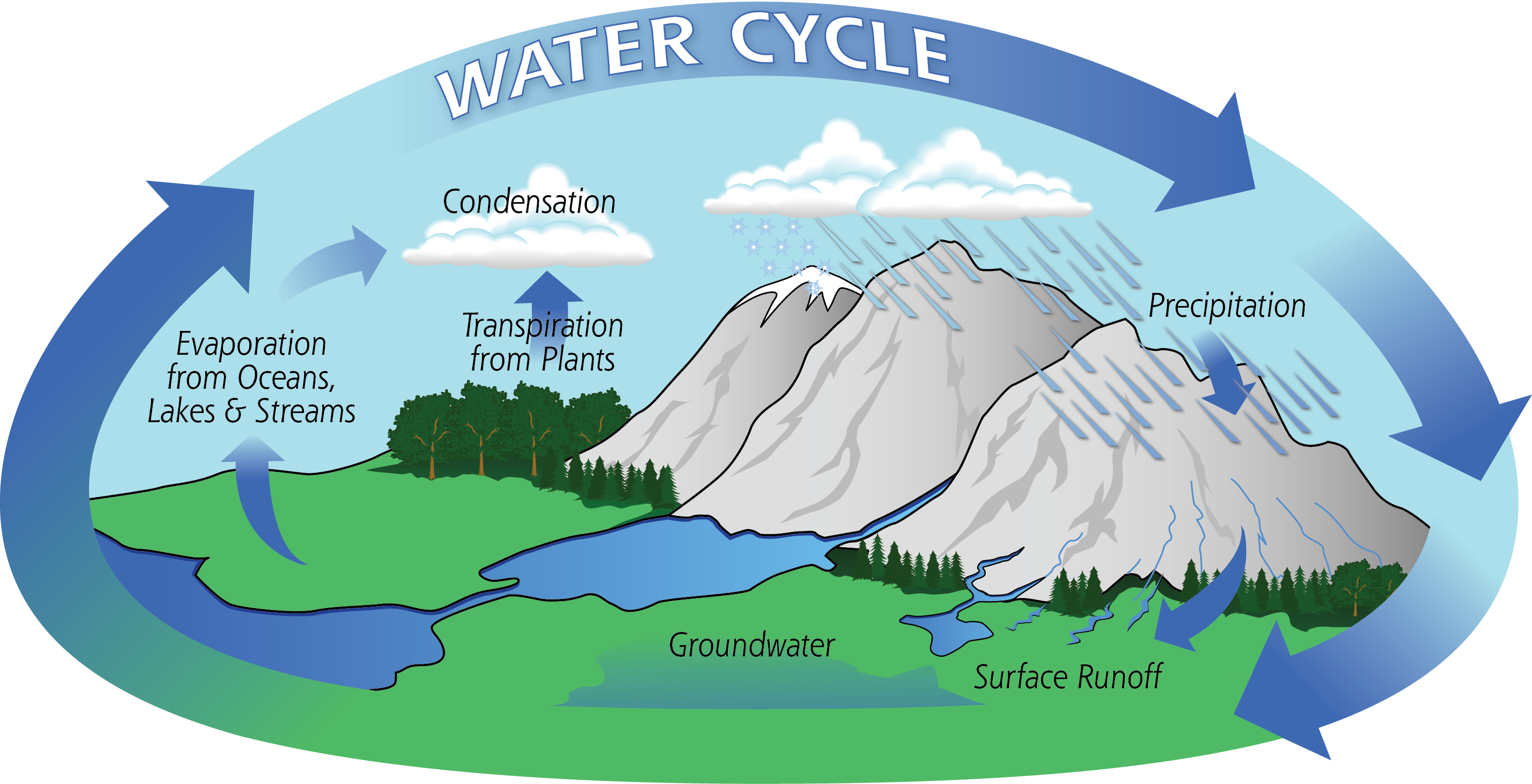
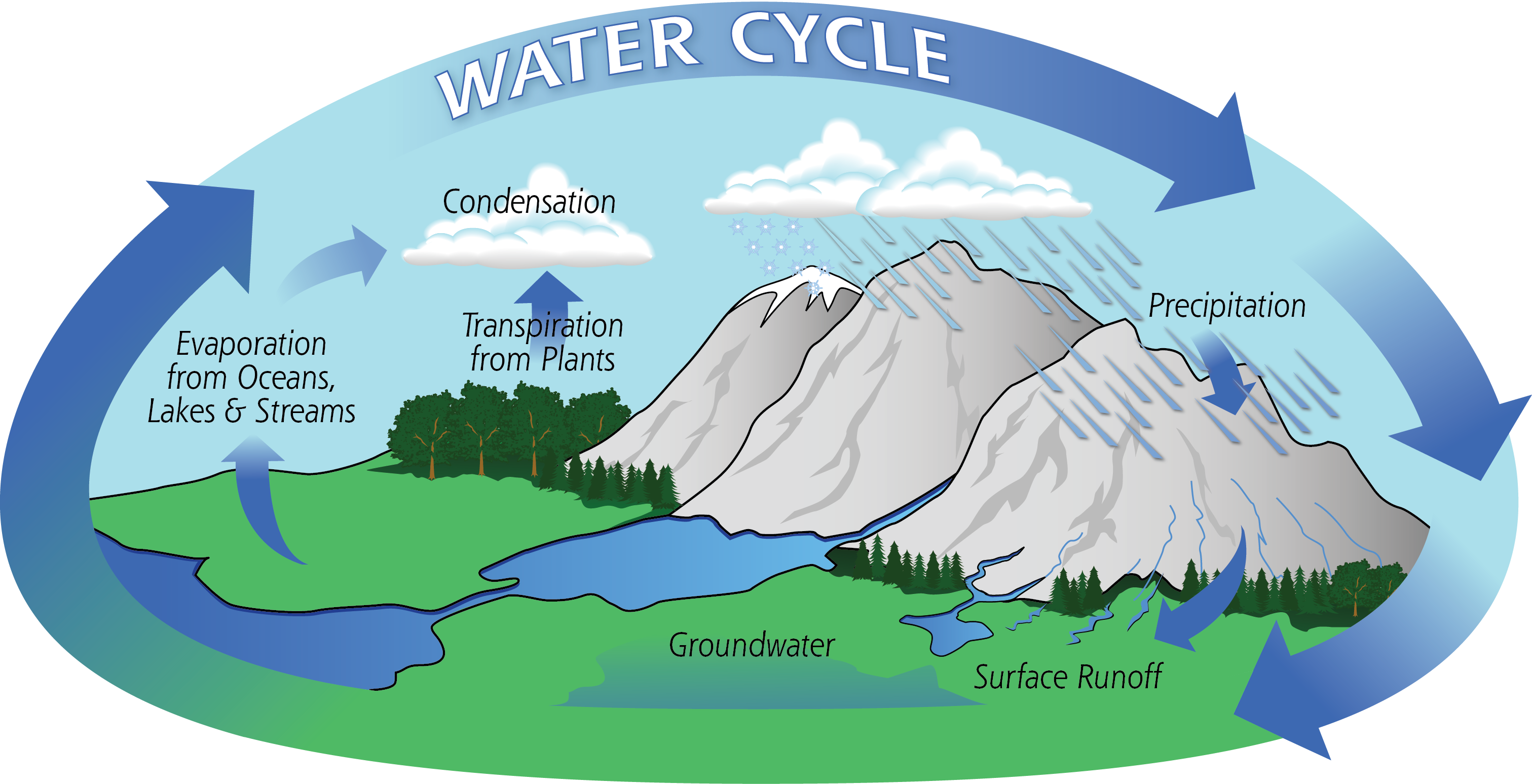
Water cycle
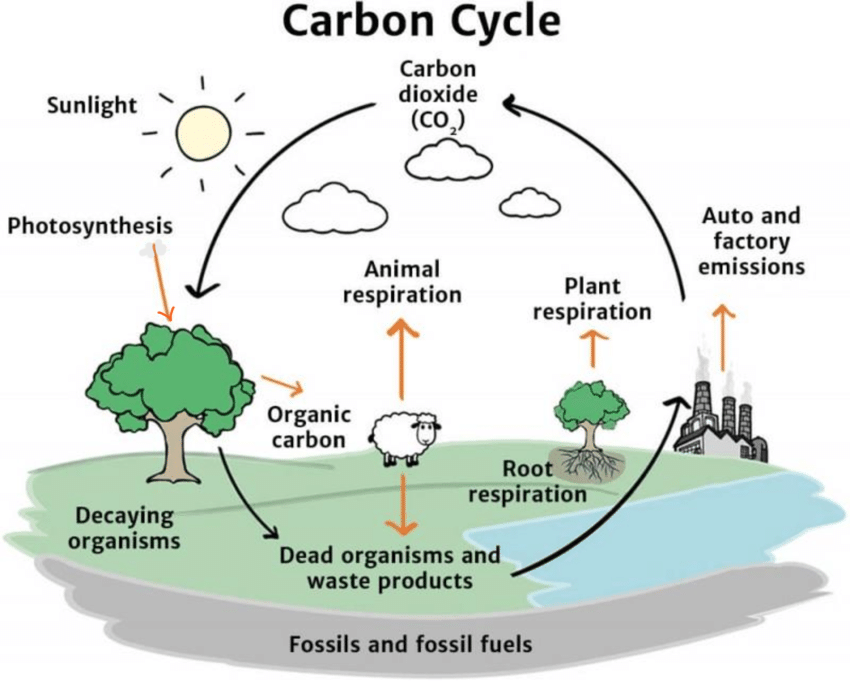
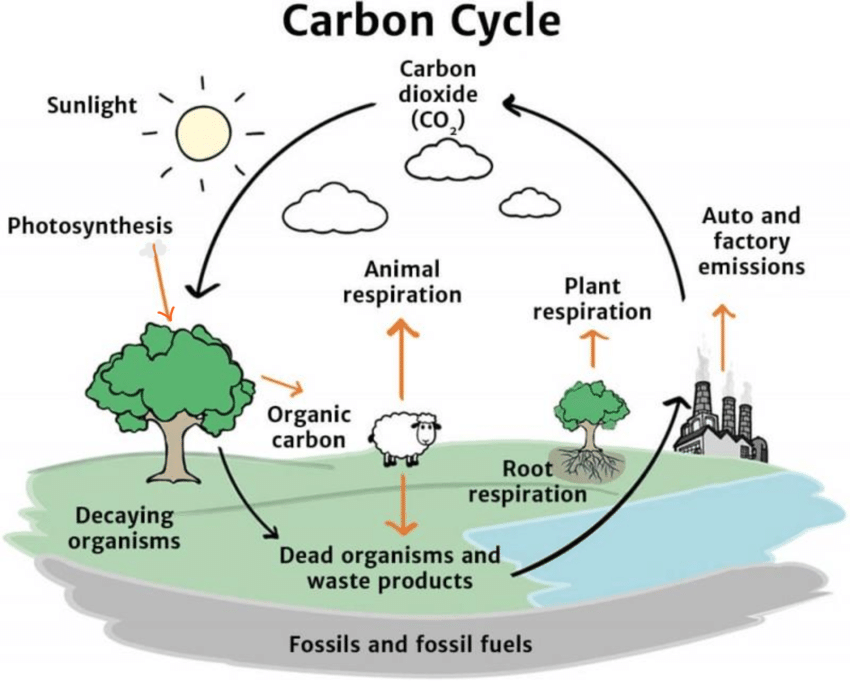
Carbon cycle
Exponential growth
growth pattern in which the individuals in a population reproduce at a constant rate
Limiting factors
factor that causes population growth to decrease
Energy pyramid
a model that shows the flow of energy form one trophic level to another in an ecosystems
Consumer
an organisms that cannot produce its own food and must eat other plants and/or animals to get energy
Climate
the weather conditions prevailing in an area
Greenhouse affect
a process that occurs when gasses in earth atmosphere trap the suns heat
Logistic growth
a type of population growth where the growth rate is influenced by the population size and natural resistance, leading to sustainable maximum point know as the carrying capacity
Primary succession
when a new patch of land is created or exposed for the first time
Competition
2 or more organisms fighting for the same resource
Climax community
an ecological in which populations of plants or animals remain stable and exist in balance with each other and their environment
Invasive species
animals or plants from another region of the world that doesnt belong in their new enviroment
Decomposers
organisms that break down dead organisms and release the nutrients from the dead matter into the enviroment around them
Compare and contrast energy flow versus the flow of matter through an ecosystem.
Energy flows only one way. Matter can move any direction.
What are the ecological levels of organization in order?
Organism, species, population, community, ecosystem, biome, biosphere.
What is the 10% rule and how do you use it?
Only 10% of energy moves up a trophic level.
How does the greenhouse affect change earths average temperature?
The more greenhouse gases, the more heat that is trapped in the atmosphere.
Explain for population can stabilize after a period of exponential growth.
It hits carrying capacity.
What are the limiting factors and how do they affect populations?
food, water, living space, disease. can change populations of organisms when they do not have enough resources.
Compare and contrast primary and secondary succession.
Primary: starts from rock after volcanic eruption or glacier caps melting.
Secondary: starts from soil after wildfire, hurricanes, or desorestation.
Explain how nitrogen cycles between. the atmosphere, biosphere, and geosphere.
How do invasive species affect the ecosystem?
They take away resources from other organisms.
Know the water cycle.
Know common traits / characteristics of ALL the bioms.
NO
Review notes from climate change case studies.
NO