painters and composers -Second Stage
 Call Kai
 Learn
 Practice Test
 Spaced Repetition
 Match
 Flashcards
 Knowt Play
1/35

There's no tags or description
Looks like no tags are added yet.
36 Terms
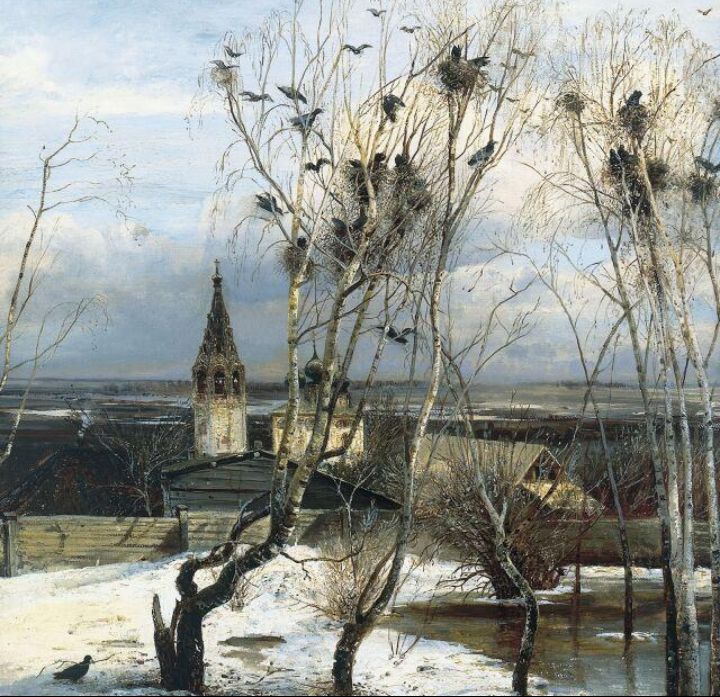
The Rooks Have Returned (1871) — Alexei Savrasov
What is Savrasov known for?
He helped develop the lyrical Russian landscape: ordinary countryside scenes that express emotion and the changing seasons.

Portrait of an Unknown Woman (1883), also called The Unknown Woman — Ivan Kramsko
What is Kramskoy known for?
Psychological portraits that reveal a person's character, dignity and inner life. He was also an important organiser of the Peredvizhniki, or Wanderers.
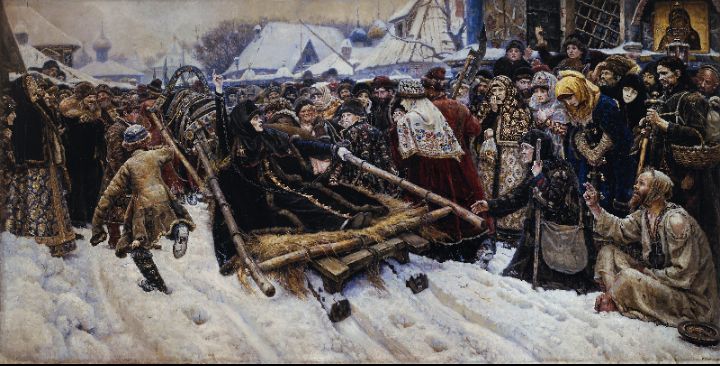
Boyarynya Morozova (1887) — Vasily Surikov
What is Surikov known for?
Large, dramatic paintings of Russian history, with detailed costumes, crowds and powerful human emotions.

Religious Procession in Kursk Province (1880–1883) — Ilya Repin
What is Surikov known for?
Realistic scenes of Russian society, showing ordinary people, social inequality, authority and human behaviour. He was a leading Peredvizhniki painter.
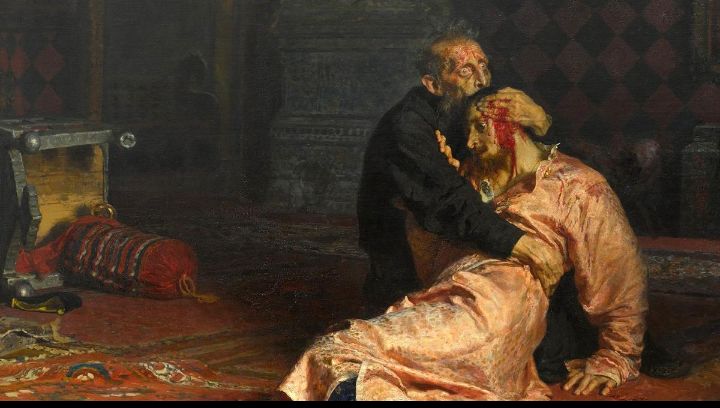
Ivan the Terrible and His Son Ivan (1885) — Ilya Repin

The Bogatyrs (completed 1898) — Viktor Vasnetsov
What is Vasnetsov known for?
Paintings of legendary heroes, fairy tales and the imagined heroic past of Russia.

Alyonushka (1881) — Viktor Vasnetsov

Girl with Peaches (1887) — Valentin Serov
What is Serov known for?
Lively portraits, natural expressions and attention to light, colour and the personality of the person being painted.

The Ninth Wave (1850) — Ivan Aivazovsky
What is Aivazovsky known for?
Dramatic seascapes, especially storms, waves, shipwrecks and glowing light over the sea.

Golden Autumn (1895) — Isaac Levitan
What is Levitan known for?
Emotional or mood landscapes: natural scenes that communicate feelings such as peace, sadness or loneliness.

Above Eternal Peace (1894) — Isaac Levitan

The Demon Seated (1890) — Mikhail Vrubel
What is Vrubel known for?
Mysterious, imaginative and symbolic subjects, often painted with unusual colours and faceted, mosaic-like brushwork.

The Swan Princess (1900) — Mikhail Vrubel
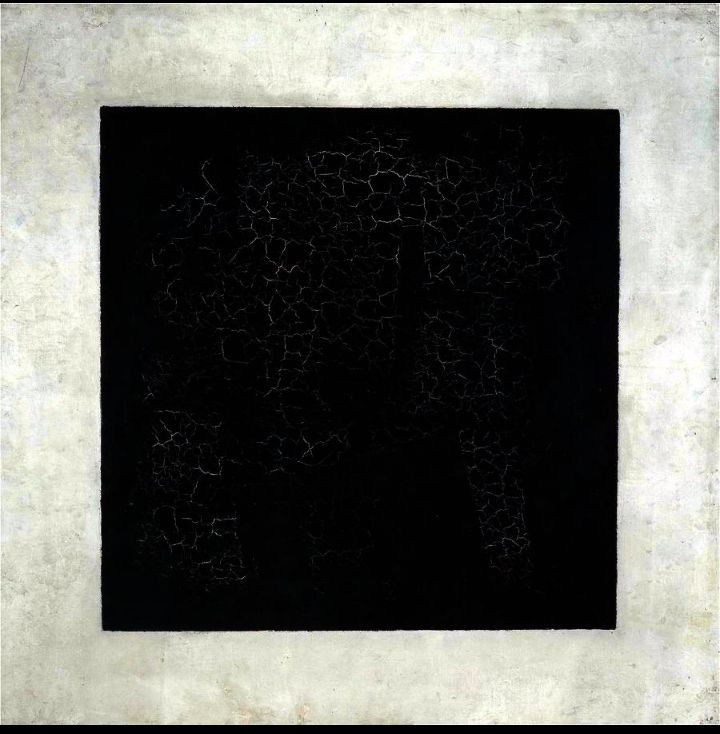
Black Square (1915) — Kazimir Malevich
What is Suprematism?
An abstract art movement based on basic geometric shapes and colours rather than realistic objects.

Morning in a Pine Forest (1889) — Ivan Shishkin and Konstantin Savitsky
What is Shishkin known for?
Highly detailed and realistic landscapes, especially forests, trees and Russian wilderness.

Moonlit Night on the Dnieper (1880) — Arkhip Kuindzhi
What is Kuindzhi known for?
Dramatic lighting effects and strong contrasts between darkness and bright light.

Composition VII (1913) — Wassily Kandinsky
What is Kandinsky known for?
Abstract compositions using colour, lines, shapes and movement to express emotions and ideas without realistic representation.

Moscow Courtyard (1878) — Vasily Polenov
What is Polenov known for?
Peaceful, realistic scenes, natural light and carefully observed surroundings.