Complementary & Alternative Medications
 Call Kai
 Learn
 Practice Test
 Spaced Repetition
 Match
 Flashcards
 Knowt Play
1/20

There's no tags or description
Looks like no tags are added yet.
21 Terms
National Center for Complementary and Integrative Health (NCCIH)
• Complementary: A nonmainstream practice used together with conventional medicine
• Alternative: a nonmainstream practice that is used in place of conventional medicine.
• Herbs, supplements, probiotics, vitamins
• Meditation, acupuncture, therapeutic touch
• In 2015 ~ 32.2% adults use some form of CAM
• 1994 – Dietary Supplement Health and Education Act (DSHEA) = exempt from FDA rigorous evaluation of safety and efficacy before marketing
• Must be labeled as dietary supplement.
• Restrictions on package labels: cannot claim used to diagnose, prevent, treat or cure a disease
• “Helps promote….”, “Supports…..”, “Improves….”, “Reduces….”

Black Cohosh
• Phytoestrogen. Used to treat vasomotor symptoms = menopause
• Hot flashes, vaginal dryness, palpitations, depression, irritability, sleep disturbances
• Unknown MOA
• ADR: liver inflammation, rash, headache, dizziness, abd discomfort
• Do not take if on Tamoxifen or SERMs
• May potentiate hypotension effect of antihypertensives, increase liver damage potential
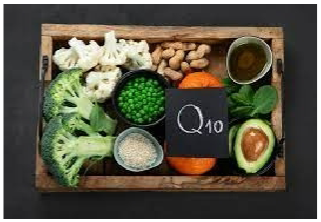
Coenzyme Q-10 * CoQ-10
• Antioxidant that serves a role in cellular energy production. Aging depletes levels
• Used to treat heart failure, muscle injury caused by statins
• ADR: well tolerated, high doses may cause GI distress, elevated LFTs
• Interactions: similar structure to Vit K.
May antagonize warfarin

Cranberry Juice
• Used to prevent UTI and decrease urine odor in urinary incontinence
• Compound prevents bacteria from adhering to urinary tract wall; does NOT acidify the urine
• Should NOT be used as treatment
• ADR: >1L/day increase risk for GI upset, uric acid kidney stones and increase blood sugar
• Interaction: may increase risk for bleeding for patients on warfarin

Echinacea
• Coneflower plant. Administered topically and orally.
• Used to stimulate immune system, suppress inflammation, treat viral infection. Topically for wounds, burns, eczema, psoriasis and herpes simplex.
• ADR: unpleasant taste, allergic reaction
• Can oppose immunosuppressant drugs = compromise tx for CA, TB, HIV
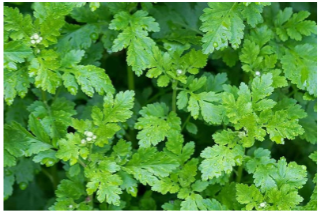
Feverfew
• Prophylaxis for migraine, allergies, asthma, RA and psoriasis
• MOA: probable vasoconstriction action; suppression of serotonin
• ADRs: well tolerated, no long- term data
• Interaction: suppresses platelet aggregation = increased risk of bleeding on anticoag or ASA
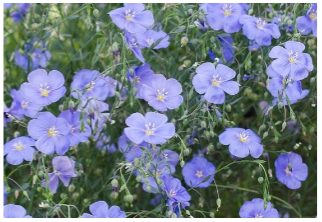
Flaxseed
• Small seeds from the flax plant, soluble plant fiber and alpha-linolenic acid
• Uses: constipation, phytoestrogen, dyslipidemia, good source of omega-3 fatty acid
• ADR: bloating, flatulence, abd discomfort
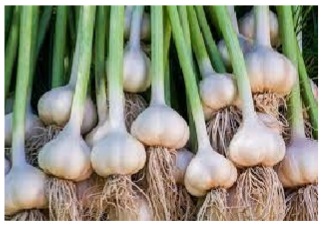
Garlic
• Uses: reduces triglycerides and LDLs, decrease BP, suppress platelet aggregation, increase arterial elasticity, decrease atherosclerotic plaque; antimicrobial and anti-cancer
• ADRs: bad breath, body odor, heartburn, flatulence, N/V/D
• Interactions: increase risk of bleeding taking ASA and anticoag; reduce levels of cyclosporine and saquinavir
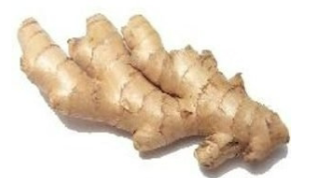
Ginger Root
• Uses: vertigo, suppress N/V, anti- inflammatory, analgesic, URIs,
• MOA: blocks serotonin receptor in CTZ and on afferent vagal neurons
• ADR: excessive doses can cause CNS depression and cardiac dysrhythmias (>5g/day)
• Interactions: suppresses platelet aggregation = increased risk of bleeding in pts taking ASA or anticoags; can lower BS = potentiate hypoglycemia

Ginkgo biloba
• Used for memory, slow progression of dementia, decrease intermittent claudication. Well studied.
• MOA: Improves blood flow = vasodilator. Suppresses platelet activating factor.
• ADR: well tolerated. Don’t eat raw seeds = toxic.
• Interaction: Caution in patients on anticoags/ASA. Avoid in pts with high risk of seizures.
Glucosamine and Chondroitin
• Always given together.
Essential part of cartilage.
Natural sources = animal cartilage or made in lab.
• Used to treat osteoarthritis.
• ADR: GI distress. Allergy – if source is shellfish.
• Interactions: increase bleeding….avoid in anticoag/ASA
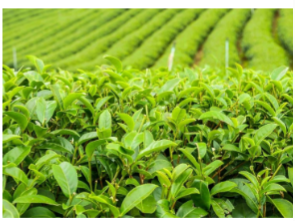
Green Tea
• Uses: weight loss, improve mental clarity, prevent/treat cancer (stomach, skin, bladder, breast)
• MOA: polyphenols = anti- inflammatory, chemoprotective, antioxidant; caffeine is responsible for weight loss, mental clarity
• ADR: overconsumption – HA, N/V, anxiety, insomnia, palpitations, increased urination
• Interactions: caution in pts on vasodilators, stimulants or psychoactive meds
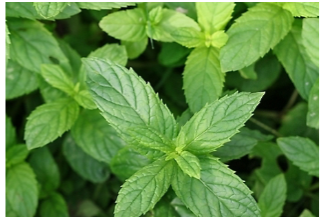
Peppermint
• Uses: culinary flavoring, decrease nausea, IBS, small bowel bacterial overgrowth (due to PPI use). Topical for HA.
• MOA: inhibits smooth muscle activity. Bacteriostatic and menthol properties.
• ADR: lower esophageal sphincter pressure = reflux, allergic reaction
• Interactions: may cause additive effect if given with antispasmotic

Probiotics
• Lactobacilli and bifidobacterial = normal gut flora
• Uses: IBS, UC, C. diff, metabolize food, promote nutrient absorption, prevent adherence of bad bacteria to intestinal wall
• ADR: flatulence, bloating, contraindicated in pts with central lines
• Interactions: give a minimum of 2 hr before antibiotic or antifungal med

Saw Palmetto
• Uses: urinary symptoms due to BPH
• MOA: ??? Maybe blocks testosterone receptor
• ADR: nausea or HA
• Interactions: Pregnant women should not ingest –antiandrogenic effect on fetus

Soy
• Uses: treat vasomotor symptoms
• MOA: phytoestrogen
• ADR: GI effects, large doses cause kidney stones. Infants drinking soy milk can have goiter/hypothyroid
• Interactions: do not take if on Tamoxifen or Aromatase inhibitor
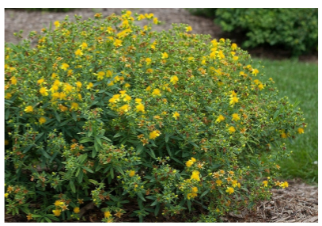
St. John’s Wort
• Uses: mild to moderate depression; topical – anti-inflammatory
• MOA: decrease reuptake of serotonin, norepinephrine, dopamine
• ADR: allergic reaction, CNS effects – vivid dreams, anxiety, restlessness, GI discomfort, fatigue; high-doses – photosensitivity
• Interactions: MANY!! Always double check

Valerian
• Uses: insomnia, restlessness
• MOA: Increases GABA in CNS (similar to benzos)
• ADR: drowsiness, dizziness, dyspepsia, dependence
• Interactions: potentiate CNS depressants – ETOH, benzos, barbiturates, muscle relaxants, opioids

Melatonin
• A naturally occurring hormone that plays a role in sleep.
• Production and release is connected to time of day, increases when dark and decreasing when it’s light.
• Declines with age.
• ADR: HA, dizziness, nausea, drowsiness
• Contraindicated in autoimmune disease.
• Interaction: anticoagulants, anti-platelet, herbs and supplements. May effect blood sugar and blood pressure.
• Must take 90 minutes prior to intended time of sleep
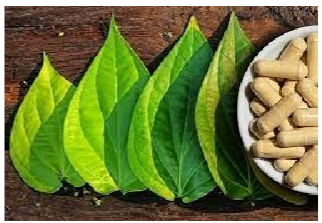
Kava
• Uses: relieve anxiety, promote sleep, relax muscles
• MOA: natural benzo alternative
• ADR: hepatotoxicity! Requiring liver transplant. CDC warning.
Mineral Cheat Sheet
Ca, Mg, P, K, Na, Cl, S, Fe, Cu, Zn
