FSCI 4300 Pharmacology and Toxicology Exam 1
 Call Kai
 Learn
 Practice Test
 Spaced Repetition
 Match
 Flashcards
 Knowt Play
1/102

Earn XP
Description and Tags
103 Terms
Pharmacology
the effects of a drug on the body
Toxicology
the adverse effects of a drug on the body
Euphoria
a state in which a person feels pleasure or excitement and intense feelings of joy and happiness
Dysphoria
a state in which the person feels intense dissatisfaction or unease, possibly resulting in anxiety, agitation or outward physical distress
Addiction
most severe, chronic-stage of substance use disorder, where there is a substantial loss of self control
Craving
strong desire or urge
Substance use disorder
clinical diagnostic term used in the 5th edition of the DSM
What is the criteria to be diagnosed with a substance use disorder in the DSM-5
Experience two or more of following symptoms
hazardous use
social/interpersonal problems relating to use
neglected major roles due to use
withdrawal
tolerance
used larger amounts/longer
repeated attempts to quit/control use
activities given up to use
cravings
Addiction is…
a cycle of craving and lack of control
Craving is linked to…
positive reinforcement
Lack of control is linked to…
negative reinforcement
Sympathetic nervous system
speed up/constrict
Parasympathetic nervous system
slow down/dilate
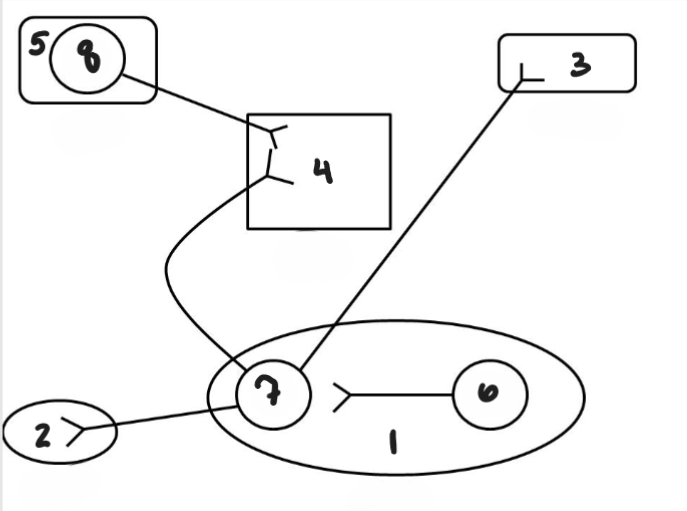
What are the names of each area?
1 - Ventral Tegmental Area (VTA)
2 - Amygdala (AMG)
3 - Hippocampus (HIPP)
4 - Nucleus Accumbens (NAc)
5 - Prefrontal Cortex (PFC)
6 - Gabapentin (GABA)
7 - Dopamine (DA)
8 - Glutamate (GLU)
Effective dose/Lethal dose
dose that is considered effective for 50% of the population, dose that is considered lethal for 50% of the population
What is a drug package insert?
small pamphlet that is required to be sent with all bulk order tablets from the manufacturer, it is required by the FDA and contains the chemistry, pharmacology and toxicology of the drugs
Drugs
any natural or synthetic substance that is used to produce physiological or psychological effects in humans and other higher order animals
What are the steps to getting a drug FDA approved?
Cell line testing - test drug interactions with transfected human embryonic kidney cells
Animal models - small rodents typically, due to growth and life span, may also require specific animals depending on the testing
Human testing - start with testing on healthy population, record all side effects, then move to testing on effected/diseased population
What defines measurable results in drug testing?
may be a change in the electrical potential intra- versus extracellular
may be a change in neurotransmitter levels
may be change in physiologic response
Receptor families
G protein coupled receptor
Ion channels
Enzyme-linked receptors
G protein coupled receptors
seven transmembrane domains
serotonin is a CNS neurotransmitter and G protein ligand
Ion channels
hydrophobic and hydrophilic membrane spanning regions
GABA is the major inhibitory neurotransmitter
Enzyme-coupled receptors
three major sections; extracellular binding location, transmembrane portion, and intracellular binding location
ADME
absorption
distribution
metabolism
excretion
Absorption
how the drug enters the blood stream
Distribution
where the drug goes once it has entered the blood stream
Metabolism
altering the chemical structure of the drug so the body can get rid of it
Excretion
act of eliminating the drug from the body
What are the routes of administrating a drug?
orally
inhalation
insufflation
injection
topical
buccal
anaI
What is the fastest route of administration?
seems to be tied between inhalation and injection
What is the main metabolic rate for drug metabolism?
Cytochrome P450 - accounts for ~75% of drug metabolism
What organs are involved in excretion of drugs?
Kidneys - glomerular filtration, active secretion, passive diffusion
Liver - biliary and fecal excretion
Lungs - gases
Physiology
study of living systems
Cellular physiology
study of how a cell lives
Receptors
protein that receives a signal and causes a response
Ionotropic receptors
fast acting receptors
ligand-gated changes ion movement through cell membranes
glutamate, glycine, gaba, nicotinic, some serotonin
G-protein coupled receptors
slower acting (difference of milliseconds)
metabotropic based, second messenger system
dopamine, some glutamate receptors
Cationic ionotropic receptors
nicotinic acetylcholine receptors (nAchR)
serotonin (only 5-HT3)
glutamate (AMPA and NMDA)
Nicotinic acetylcholine receptors (nAchR)
controls flow of Na in and K out of the cell
Serotonin (5-HT3)
Na, K and Ca channels, peripherally activation can lead to emesis, centrally activation leads to anxiety, nausea
Glutamate (AMPA and NMDA)
Na and Ca primarily
NMDA functions with memory
Anionic ionotropic receptors
GABAa
GABAa
Controls flow of Cl in resulting in hyperpolarization, major inhibitor neurotransmitter in CNS
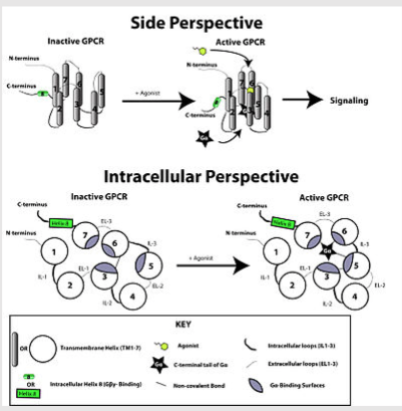
G-protein couples receptors
Behavior of G-protein coupled receptors
involved with sensory system, especially vision, taste, smell
effects behavior and mood regulation, binds to dopamine and serotonin, as well as glutamate and GABA
regulates immune system
involved with blood pressure and heart rate
linked to some cancer cells
linked to endocrine system
1906
Pure Food and Drug Act - drugs are still legal, however must be properly labeled with dosage
1907
California outlaws marijuana as a poison
1914
Harrison Narcotics Act - regulated production and distribution of opium
1919
18th amendment begins prohibition
1933
21st amendment repeals 18th
1937
Marijuana Tax Act - forces sellers to present sales records, drives underground market
1970
Controlled Substances Act - created 5 schedules and regulations related to those schedules

amphetamine
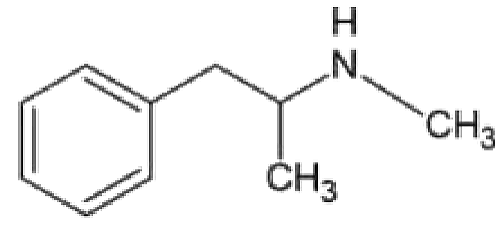
methamphetamine
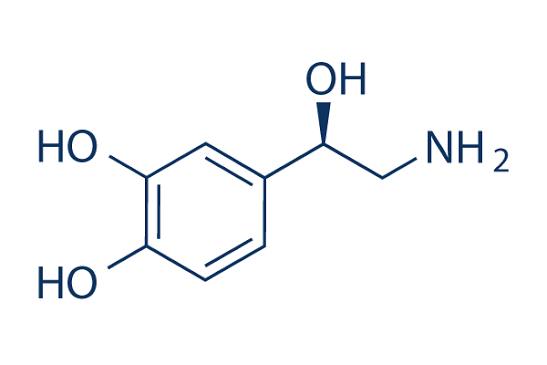
norepinephrine

dopamine
Agonist
binds to the receptor to produce an effect within a cell
Antagonist
blocks the receptor to produce an effect within a cell
Effects of amphetamines on dopamine
alters monoamine transporters in reward center
trace amine-associated receptor 1 (TAAR1)
full agonist
activation inhibits monoamine transporter function, phosphorylates DAT and inhibits DAT, increasing DA in synapse
vesicular monoamine transporter 2 (VMAT2)
inhibits function of VMAT2
DA released, not take up into vesicles, leaving it in terminal so more can exit through the PO4-DAT
net effect - more dopamine in the system
Effects of amphetamines on norepinephrine
alters monoamine transporters in reward center
trace amine-associated receptor 1 (TAAR1)
full agonist
activation inhibits monoamine transporter function, phosphorylates DAT and inhibits DAT, increasing NE in synapse
vesicular monoamine transporter 2 (VMAT2)
inhibits function of VMAT2
NE released, not take up into vesicles, leaving it in terminal so more can exit through the PO4-DAT
net effect - more epinephrine in the system
Effects of amphetamines on serotonin
alters monoamine transporters in reward center
trace amine-associated receptor 1 (TAAR1)
full agonist
activation inhibits monoamine transporter function, phosphorylates DAT and inhibits DAT, increasing 5HT in synapse
vesicular monoamine transporter 2 (VMAT2)
inhibits function of VMAT2
5HT released, not take up into vesicles, leaving it in terminal so more can exit through the PO4-DAT
net effect - more serotonin in the reward center, far less pronounced than with DA or NE
Bioavailability of amphetamines
orally - 75%
15-40% is bound to plasma proteins in blood
30-40% unchanged in urine
absorption can be effected by diet, acid shortens half-life to 8-11 hrs, alkaline lengthens half-life to 16-31 hrs
Metabolism of amphetamines
main enzymes used are CYP2D6, and dopamine beta-hydroxylase, may also be sweat out
Effects of amphetamines on the CNS
constant depletion of DA leads to nerve terminal degeneration, DA dysregulation syndrome, paranoia, agitation
Effects of amphetamines on the cardiovascular system
symptoms related to excess NE in system, tachycardia, edema
How do amphetamines react with MAOIs?
increases level of DA, NE, 5-HT in system
How do amphetamines react with antidepressants?
most antidepressants try to increase DA in synapses, overloads system with DA

ephedrine
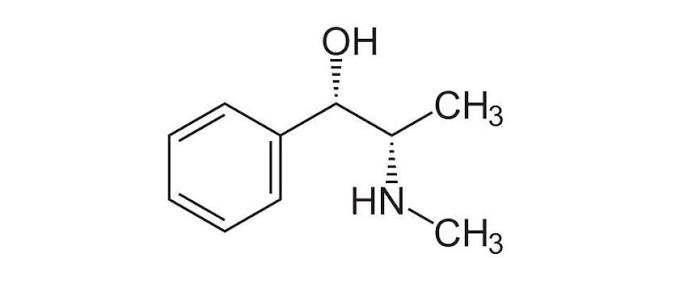
pseudoephedrine
What are the direct acting effects of ephedrine?
binds to adrenergic receptors, G protein receptors
alpha 1 is located in smooth muscle, leads to vasoconstriction, centrally can cause anorexia
alpha 2 is located in coronary smooth muscles, inhibits release of norepinephrine, central activation leads to sedation and analgesia
beta 2 is located in bronchiole smooth muscle, vasodilation of bronchi, centrally causes sedation and analgesia
What are the indirect acting effects of ephedrine?
ephedrine acts by increasing NE from nerve terminals through re-uptake transporters
How does ephedrine effect the cardiovascular system?
tachycardia, arrythmias, angina, hypertension
How does ephedrine effect the integumentary system?
flushing, sweating
How does ephedrine effect the CNS?
restlessness, insomnia, confusion, paranoia, agitation
How does ephedrine effect the respiratory system?
dyspnea, edema
How do amphetamines react with NDRIs (norepinephrine-dopamine reuptake inhibitors)?
increase level of NE in system
What disease states can prolonged ephedrine use cause?
impaired adrenal function
hypertension
prostatic hypertrophy
tachyarrhythmias

nicotine
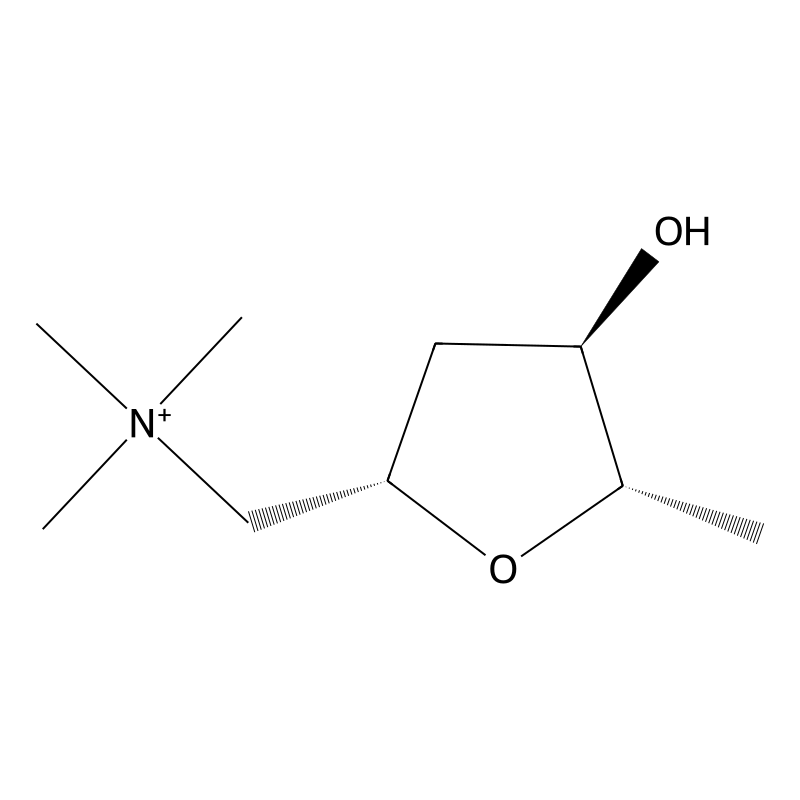
muscarine
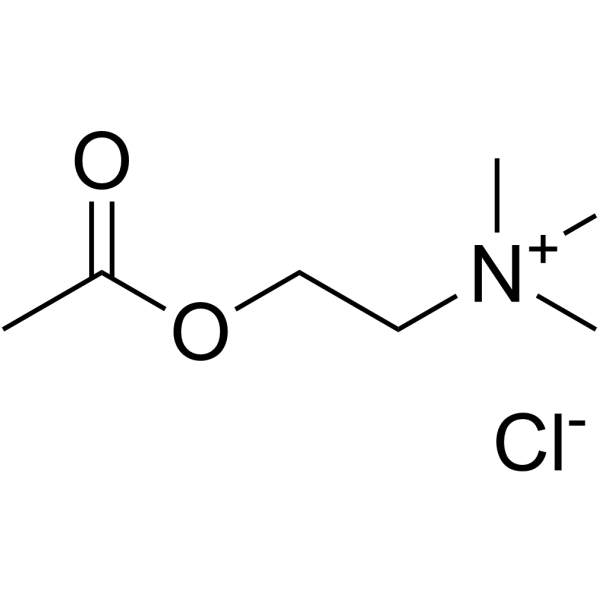
acetylcholine
How does nicotine react at the nicotinic acetylcholine receptors (nAchRs)?
agonist
activates alpha 4 beta 2 receptors within VTA, releases DA
binds to opioid receptors causing release of endogenous opioids
activates sympathetic nervous system
volume inducer, increases various neurotransmitters, like DA, 5-HT, NE, Epi, endorphins
How does nicotine react at nAchRalpha9 and nAchalpha10?
antagonist
What is the bioavailability of nicotine?
if inhaled, reaches brain in 10-20 seconds, some say as little as 7 seconds
half life is around 2 hours
How is nicotine metabolized?
main enzymes are CYP2D6 and Flavin containing monooxygenase 3
main metabolite is cotinine, metabolism is inhibited by menthol
How does nicotine affect the CNS?
lightheadedness, headache, irritability
How does nicotine affect the cardiovascular system?
atherosclerosis, increased blood pressure, tachycardia
What is the lethal dose of nicotine?
difficult to estimate or say for certain, estimates anywhere between .5mg/kg to 95mg/kg
What is the difference between low dose nicotine and high dose nicotine?
low dose nicotine is a depressant, high dose is a stimulant, may change dependent on mood
What are the effects of the alpha 1 receptors?
peripheral vasoconstriction, increased heart rate, increased blood pressure
What are the effects of the beta 1 receptors?
increased heart rate, increased blood pressure

cocaine

serotonin
What are the pharmacological effects of cocaine?
antagonist at dopamine transporter, increased DA in synaptic cleft
antagonist at serotonin transporter, increased 5-HT in synaptic cleft
inhibits catecholamine uptake resulting in sympathetic nervous system stimulation
effects ion channels to decrease post-synaptic firing
What is the bioavailability of cocaine?
dependent on route of administration
orally 33% viable
insufflation 60-80% viable
only 1% unchanged in urine
half life is 45-90 minutes, however if insufflated may be stuck in nose for longer
How is cocaine metabolized?
extensively metabolized in liver, esterases do major metabolic processes
What are the acute effects of cocaine on the CNS?
hyperactivity, headache, potential seizures
What are the acute effects of cocaine on the cardiovascular system?
vasoconstriction, arrhythmia, coronary artery spasms
What are the acute effects of cocaine on the respiratory system?
edema
What are extraneous acute effects of cocaine?
hyperthermia, rhabdomyolysis
What are the chronic effects of cocaine use?
tolerance, sensitization, psychosis, ingestion-site problems