Biology Lab Final Flashcards (Chapters 3–5)
 Call Kai
 Learn
 Practice Test
 Spaced Repetition
 Match
 Flashcards
 Knowt Play
1/117

Earn XP
Description and Tags
Comprehensive vocabulary review flashcards for Biology Lab Chapters 3 through 5 covering microscopy, cellular organelles, Protista, histology, natural selection, Porifera, and Cnidaria.
118 Terms
Two types of microscopes studied
Compound microscope and dissecting (stereoscopic) microscope.
Compound microscope
Microscope used for viewing small, thin specimens; light passes through the specimen.
Dissecting microscope
Microscope used for viewing larger or thicker specimens, often in 3D.
Ocular lens
The eyepiece you look through; commonly magnifies 10×.
Revolving nosepiece
Holds and rotates the objective lenses.
Microscope stage
Supports the microscope slide.
Condenser
Directs light toward the specimen.
Iris diaphragm
Controls the amount of light passing through.
Coarse adjustment knob
Makes large focusing adjustments; use it only at scanning power.
Fine adjustment knob
Makes small, precise focusing adjustments.
Microscope carrying technique
Carried with two hands: one holding the arm and one supporting the base.
Total magnification formula
Ocular magnification×objective magnification
Total magnification (10× ocular and 4× objective)
40×
Total magnification (10× ocular and 10× objective)
100×
Total magnification (10× ocular and 40× objective)
400×
Total magnification (10× ocular and 100× objective)
1000×
Cell theory principles
Living things are made of cells; cells are the basic unit of life; cells come from pre-existing cells.
Schleiden's conclusion
Plants are made of cells.
Schwann's conclusion
Animals are made of cells.
Prokaryotic cell
A cell without a nucleus or membrane-bound organelles.
Eukaryotic cell
A cell with a nucleus and membrane-bound organelles.
Nucleus
Contains DNA and helps control cell activities.
Nucleolus
Makes components used to assemble ribosomes.
Ribosomes
Make proteins.
Mitochondria
Produce ATP, the cell's usable energy.
Rough endoplasmic reticulum (Rough ER)
Helps make and transport proteins.
Smooth endoplasmic reticulum (Smooth ER)
Makes lipids and helps with detoxification.
Golgi apparatus
Modifies, sorts, packages, and ships materials.
Lysosomes
Break down waste and worn-out cell parts.
Cell membrane
Controls what enters and leaves the cell.
Cytoplasm
Material inside the cell where organelles are located.
Cytoskeleton
Supports cell shape and helps with movement.
Chloroplasts
Carry out photosynthesis.
Vacuole
Organelle used for storage of water and other materials.
Cell wall
Provides structural support and protection.

Euglena (identification)
Recognizable by green appearance, flagellum, and eyespot.
Euglena locomotion
Movement using a flagellum.
Euglena nutrition
Mixotrophic: can photosynthesize and obtain food in other ways.
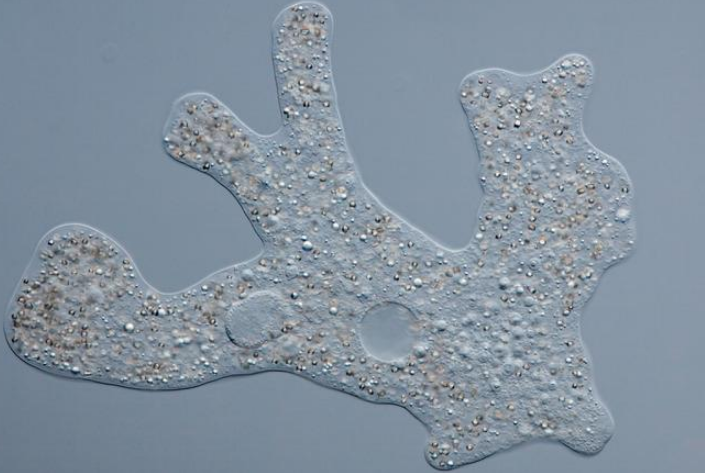
Amoeba locomotion
Movement using pseudopodia, or false feet.
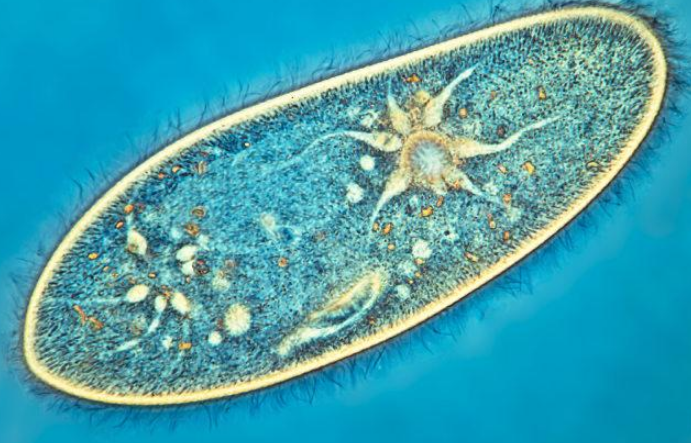
Paramecium (identification)
Recognizable by slipper-like shape and many cilia.
Paramecium locomotion
Movement using cilia.

Diatoms
Notable for glass-like silica cell walls.
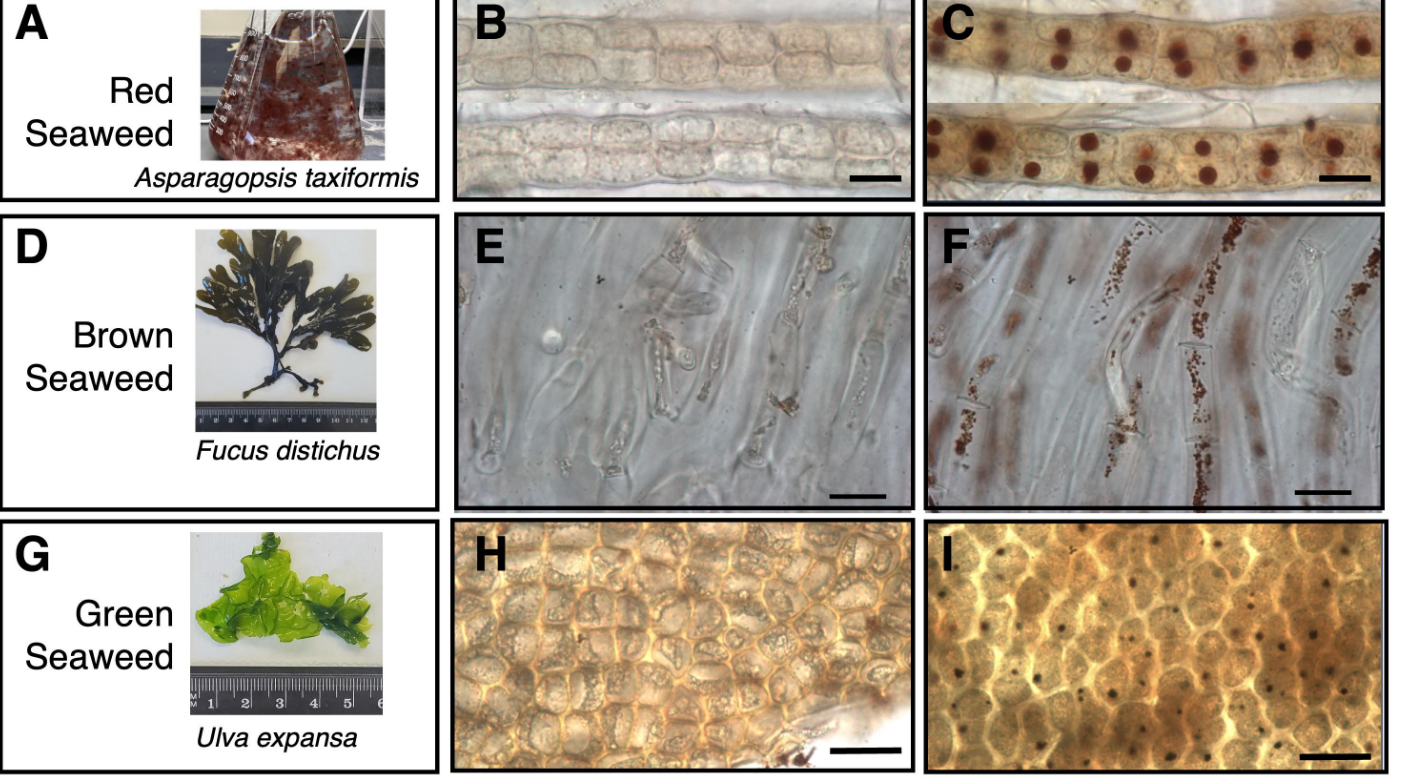
Algae
Generally able to photosynthesize; may be unicellular or multicellular.

Dinoflagellates (flagella)
Commonly associated with two flagella.
Dinoflagellates (distinguishing features)
Some can cause red tides or produce bioluminescence.

Apicomplexans
Parasitic protists generally lacking locomotor structures in the stages commonly studied.
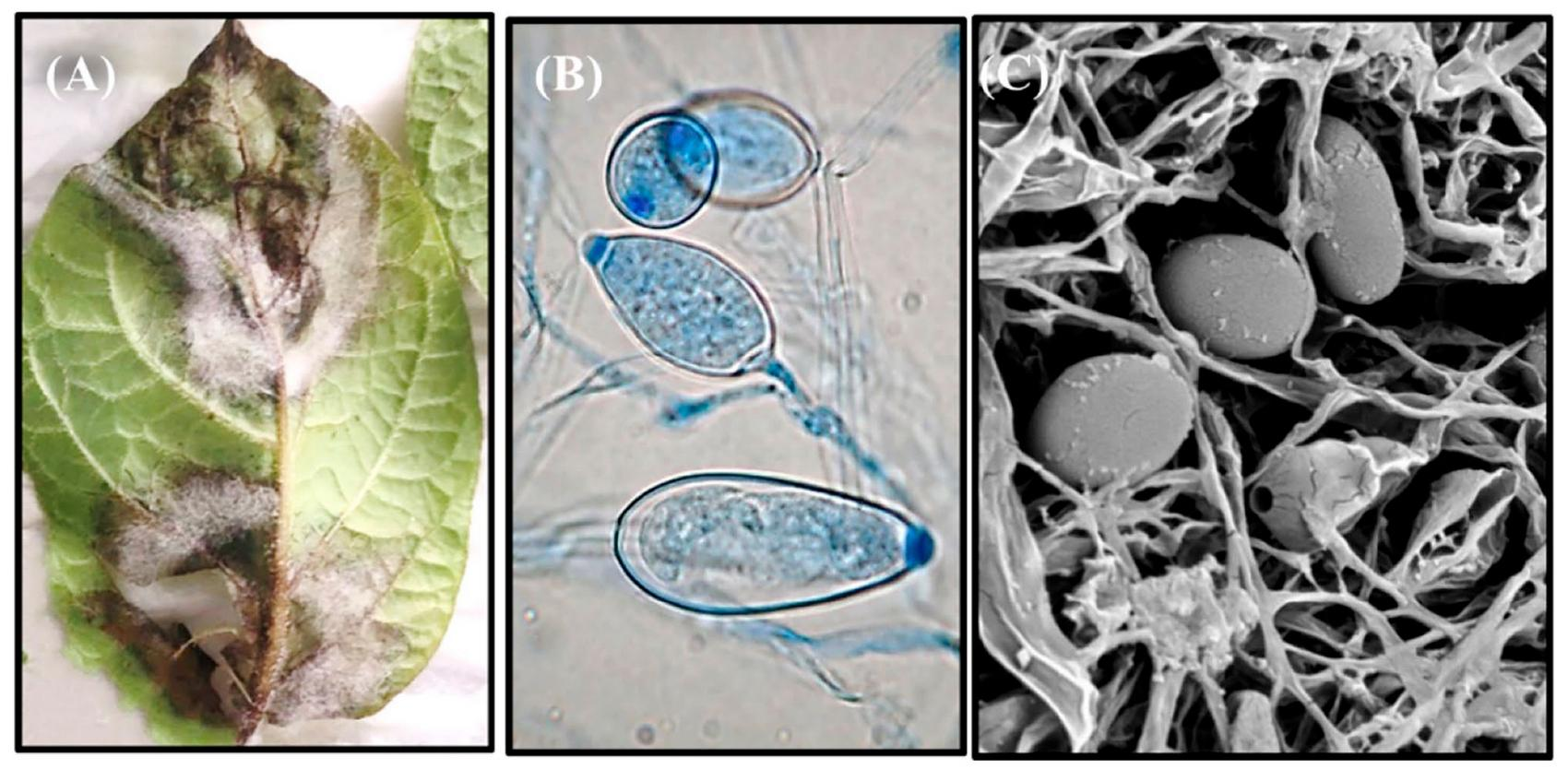
Water molds
Fungus-like protists; some are decomposers and others parasites.
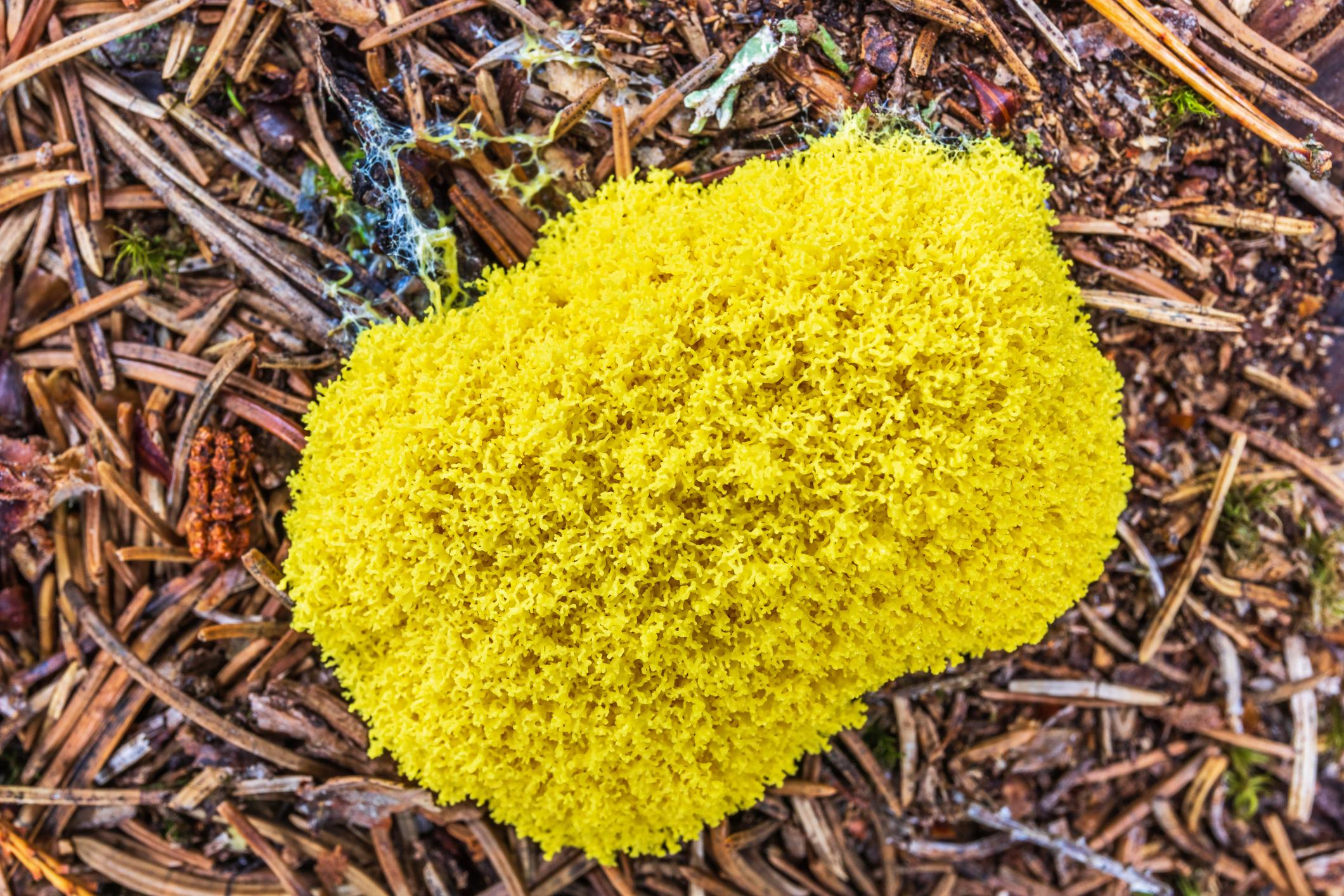
Slime molds
Fungus-like protists that commonly act as decomposers.
Cilia
Short hair-like structures used for movement or feeding.
Flagellum
A long, whip-like structure used for movement.
Pseudopodia
Temporary extensions used by amoebas for movement and feeding.
Giardia transmission
Commonly transmitted through contaminated water.
Giardiasis
Disease associated with Giardia.
Trypanosoma brucei transmission
Transmitted by the tsetse fly.
African sleeping sickness
Disease associated with Trypanosoma brucei.
Plasmodium transmission
Transmitted by mosquitoes.
Malaria
Disease associated with Plasmodium.
Animal structural organization
Ordered from smallest to largest: Cell → tissue → organ → organ system → organism.
Histology
The study of tissues.
Four basic animal tissue types
Epithelial, connective, muscle, and nervous.
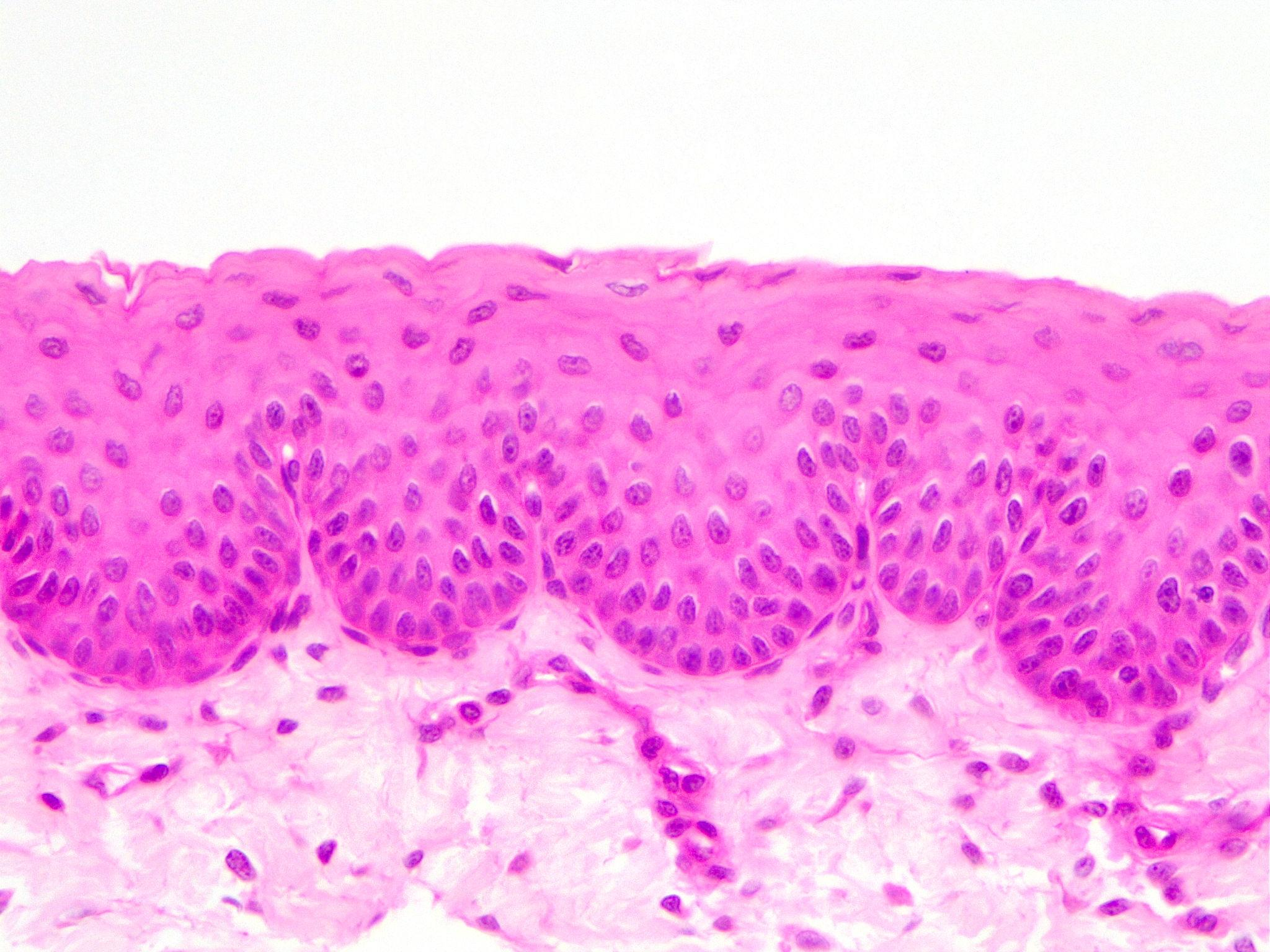
Epithelial tissue
Covers and lines surfaces; can protect, absorb, and secrete.

Connective tissue
Supports, connects, protects, and can store energy.
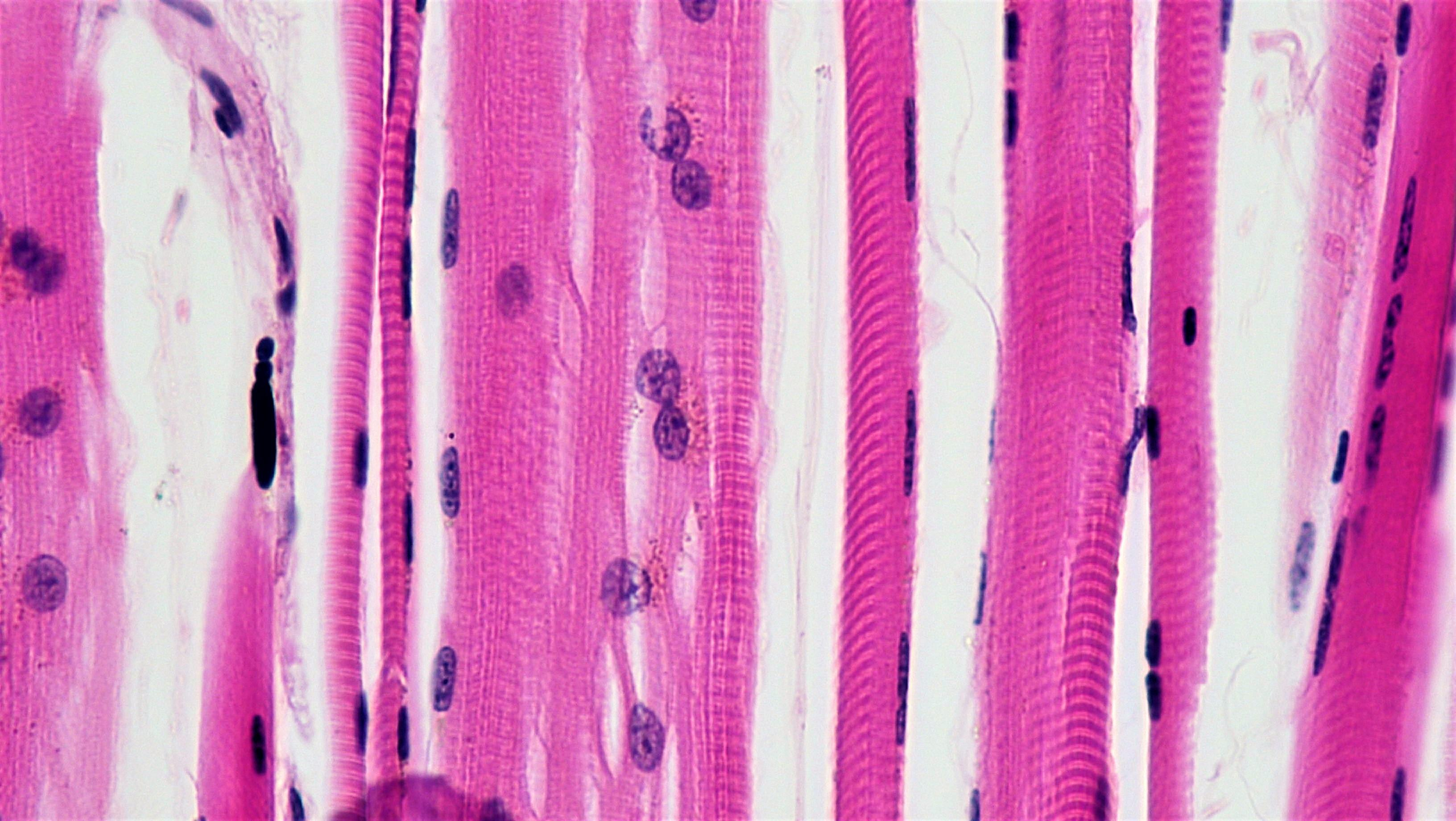
Muscle tissue
Contracts to create movement or move materials.
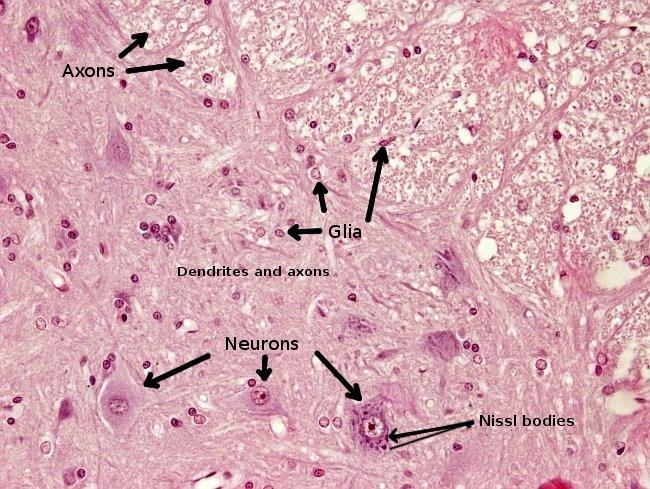
Nervous tissue
Receives and transmits signals.
Taxonomic hierarchy
Ordered from broad to specific: Domain → Kingdom → Phylum → Class → Order → Family → Genus → Species.
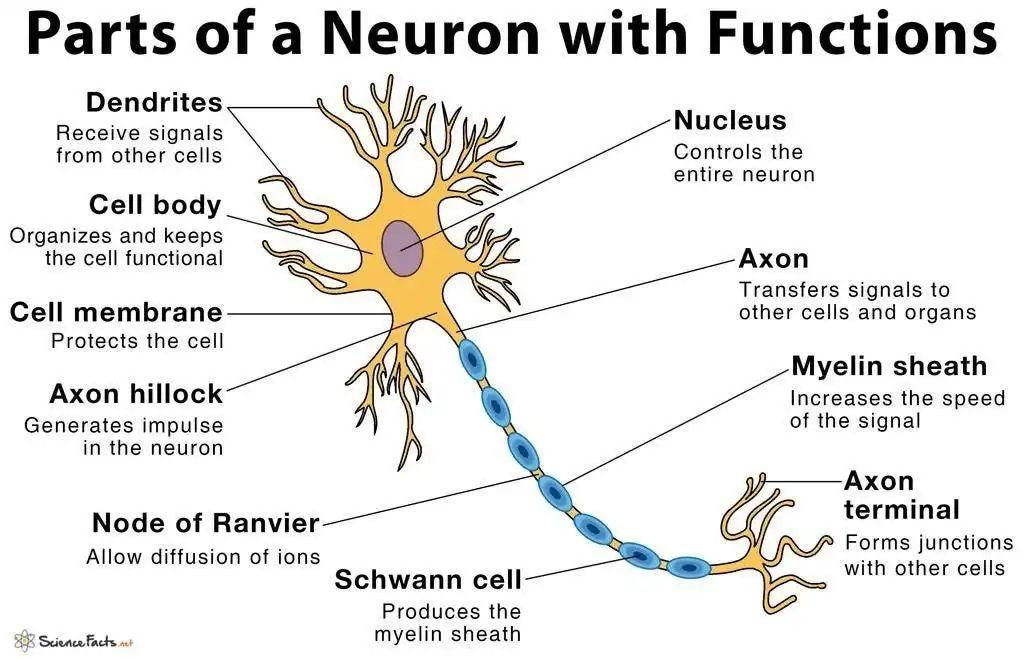
Neuron dendrites
Parts of a neuron that receive signals.

Neuron axon
Carries signals away from the cell body.

Axon terminals
Transmit signals to another cell.

Myelin sheath
Insulates the axon and helps signals travel faster.
Nodes of Ranvier
Gaps in the myelin sheath.
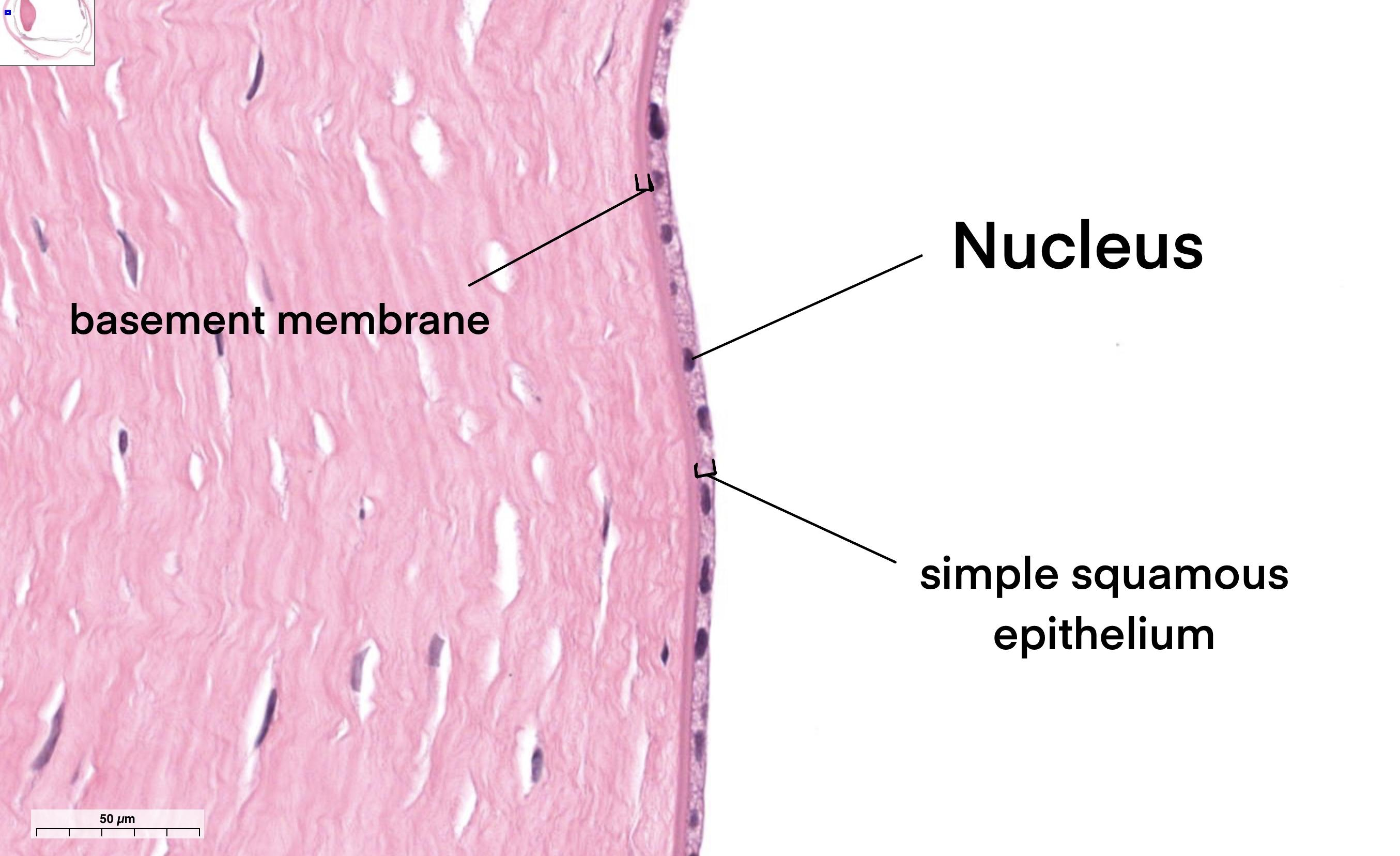
Squamous epithelium
Epithelial tissue composed of flat, thin cells.
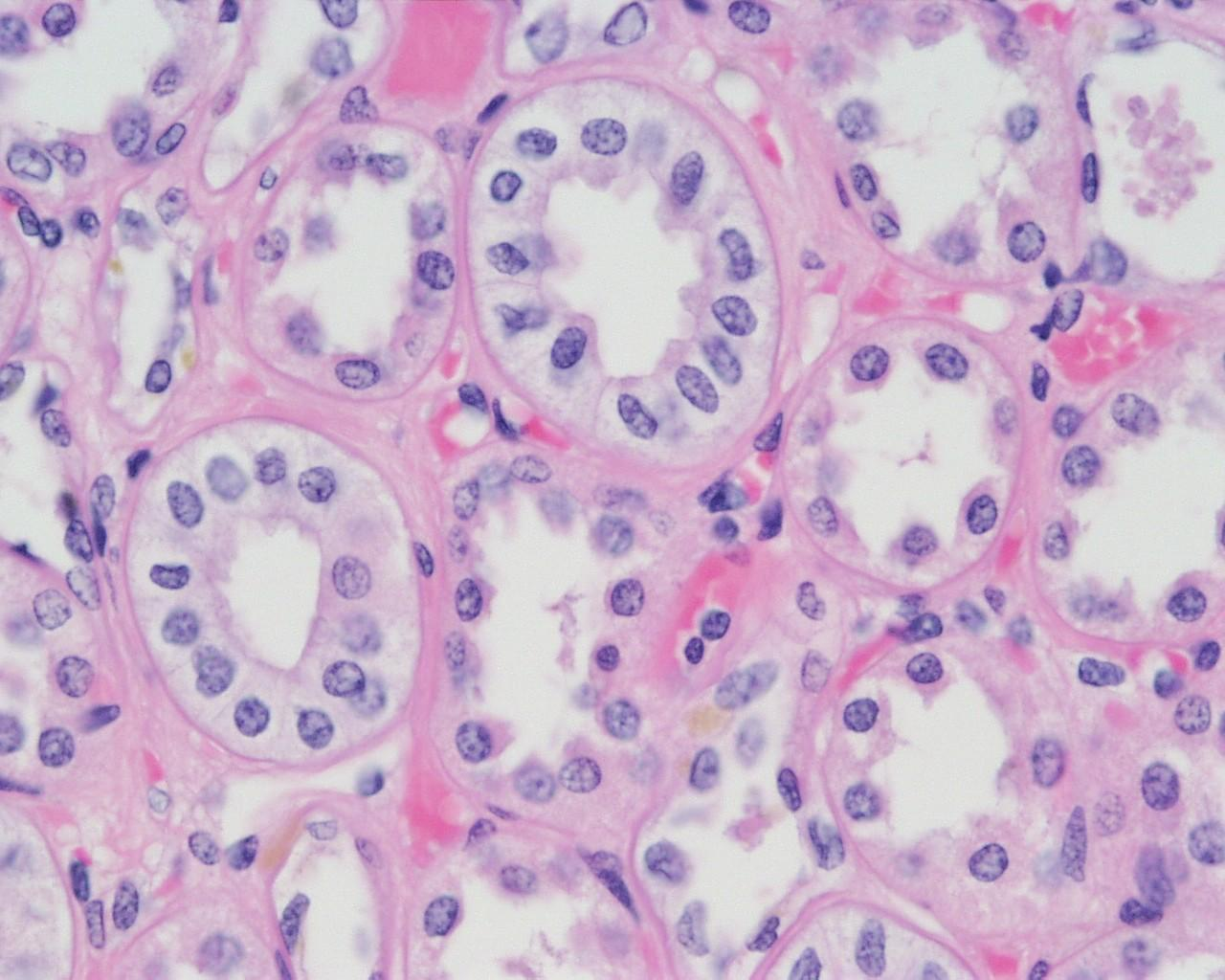
Cuboidal epithelium
Epithelial tissue composed of cube-shaped cells.

Columnar epithelium
Epithelial tissue composed of tall, column-shaped cells.
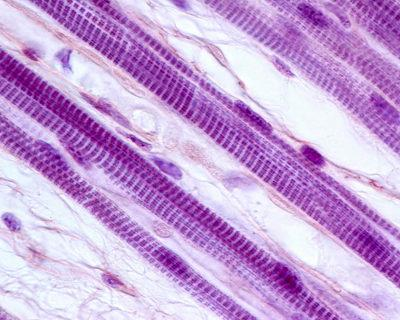
Skeletal muscle
Striated and voluntary; moves the skeleton.

Cardiac muscle
Striated, involuntary, and found in the heart.

Smooth muscle
Non-striated and involuntary.
Natural selection
Inherited traits that improve reproductive success can become more common over generations.
Variation
Differences among individuals in a population.
Inheritance (in natural selection)
Traits must be heritable to be passed across generations.
Competition
Organisms competing for limited resources.
Differential reproduction
Some individuals reproduce more successfully than others.
Charles Darwin and Alfred Russel Wallace
Naturalists associated with the theory of natural selection.
Peppered moth example
Demonstrated that environmental change can alter which traits are advantageous and become more common.
Cladogenesis
Evolutionary branching into separate lineages.
Anagenesis
Evolutionary change within one lineage without branching.
Genotype
An organism's genetic makeup or allele combination.
Phenotype
Observable traits.
Allele
A version of a gene.
Homozygous
Having two identical alleles for a gene.
Heterozygous
Having two different alleles for a gene.
Porifera
The sponge phylum.
Sessile
Attached in place rather than moving around.
Sponge feeding method
They filter food particles from water.
Ostia
Small pores where water enters a sponge.
Osculum
The large opening through which water exits a sponge.
Spongocoel
The central cavity in a sponge's simpler body forms.
Choanocytes
Create water currents and capture food particles.
Amoebocytes
Help transport nutrients and perform other functions in sponges.
Spicules
Structural support elements in sponges.
Spongin
A protein fiber that helps support some sponges.