ArtHist252 Midterm Review
 Call Kai
 Learn
Learn Practice Test
 Spaced Repetition
 Match
Match Flashcards
 Knowt Play
1/179

There's no tags or description
Looks like no tags are added yet.
Name | Mastery | Learn | Test | Matching | Spaced | Call with Kai | Chat |
|---|
No analytics yet
Send a link to your students to track their progress
180 Terms

Self-Portrait with other figures - 1593
Annibale Carracci
Milan, Pinacoteca di Brera

Boy Drinking - 1582-83
Annibale Carracci
Cleveland, Museum of Art
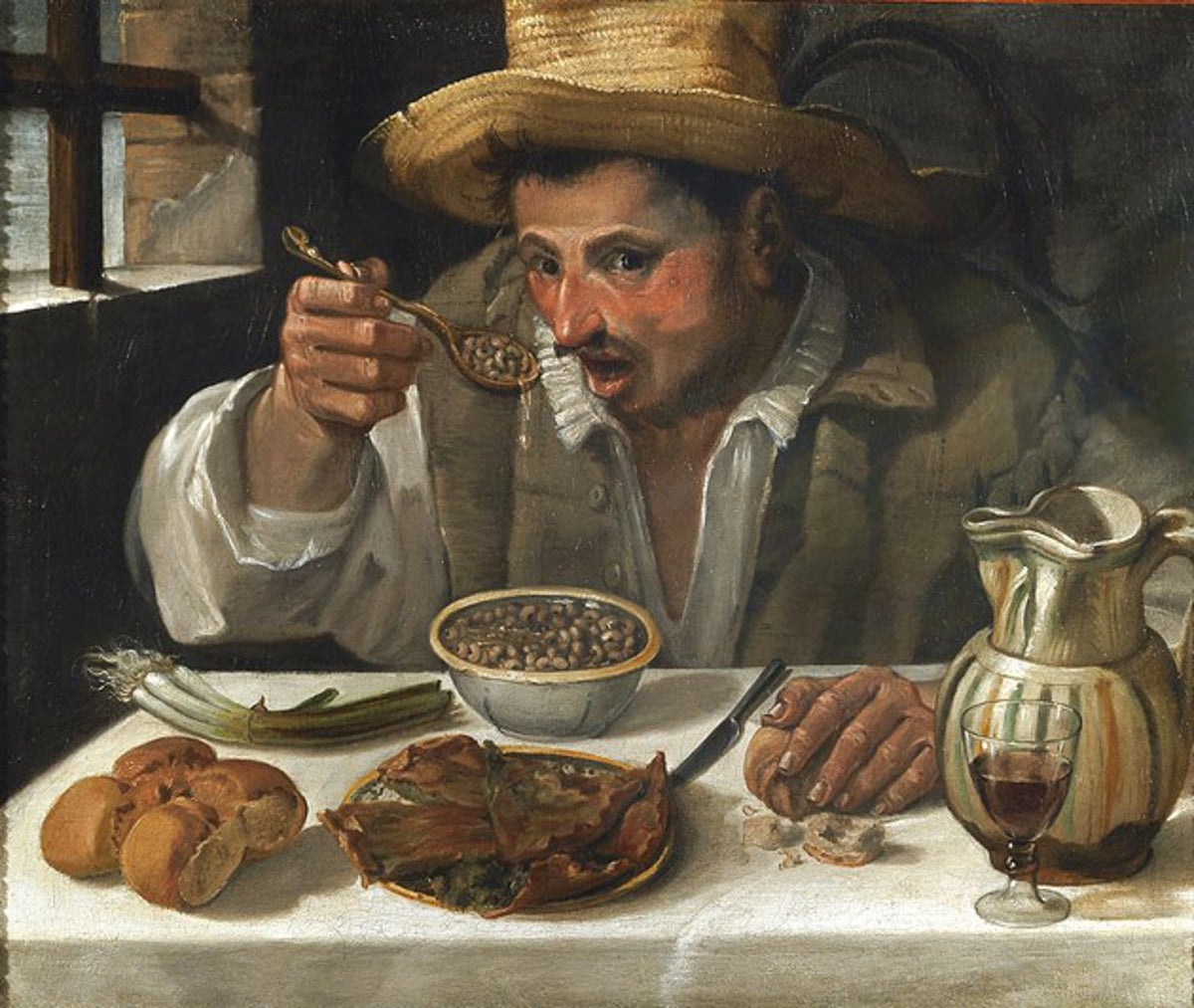
Bean Eater - 1584-85
Annibale Carracci
Rome, Galleria Colonna

Butcher’s Shop - 1580-82
Annibale Caracci
Oxford, Christ Church

Butcher’s Shop - early 1580s
Annibale Carracci
Fort Worth, Kimbell Art Museum

Crucifixion with Saints - 1583
Annibale Caracci
Bologna, Santa Maria della Carita

Assumption of the Virgin - 1587
Annibale Carracci
Madrid, Prado

The San Ludovico Altar (Madonna and Child in Glory) - 1590-92
Annibale Caracci
Bologna, Pinacoteca Nazionale

Pieta with Saints - 1585
Annibale Caracci
Parma, Pinacoteca

Venus Adorned by Graces - 1590-95
Annibale Carracci
Washington, National Gallery

Conversion of St. Paul - 1587-89
Ludovico Carracci
Bologna, Pinacoteca Nazionale

The Flagellation - 1589
Ludovico Carracci
Douai, Musee de la Chartreuse
leccata
(literally meaning licked in Italian) refers to a painting style or technique characterized by an ultra-smooth, meticulous, and highly polished surface finish where all individual brushstrokes are completely erased.
Palazzo Fava
In Bologna. The birthplace of the Carracci family’s revolutionary naturalism and their first major public-facing commission.
Palazzo Magnani
Most famous for housing the groundbreaking fresco cycle of the Histories of the Foundation of Rome (1588–1590) painted by Annibale, Agostino, and Ludovico Carracci.
Gabriele Paleotii
Bishop of Bologna, wrote Discorso intorno alle imagini sacre e profane, 1582.
Ulisse Aldrovandi
Naturalist at the University of Bologna
Pastosita
(often anglicized as pastosita, meaning "pastiness" or "doughiness" in Italian) refers to a thick, rich, and, viscous application of paint.
Viva carne
(Italian for "living flesh" or "red meat") represents a major conceptual and stylistic shift during the Late Renaissance and Early Baroque periods. It denotes the conscious rejection of stylized, artificial forms in favor of raw, vivid realism observed directly from life.

Galleria Farnese, ceiling, 1597-1600
Annibale Carracci
Palazzo Farnese, Rome

Triumph of Bacchus and Ariadne
Annibale Carracci
Farnese Gallery ceiling

Pan and Diana
Annibale Carracci
Farnese Gallery ceiling

Mercury and Paris
Annibale Carracci
Farnese Gallery ceiling

Polyphemus Wooing Galatea
Annibale Carracci
Farnese Gallery ceiling
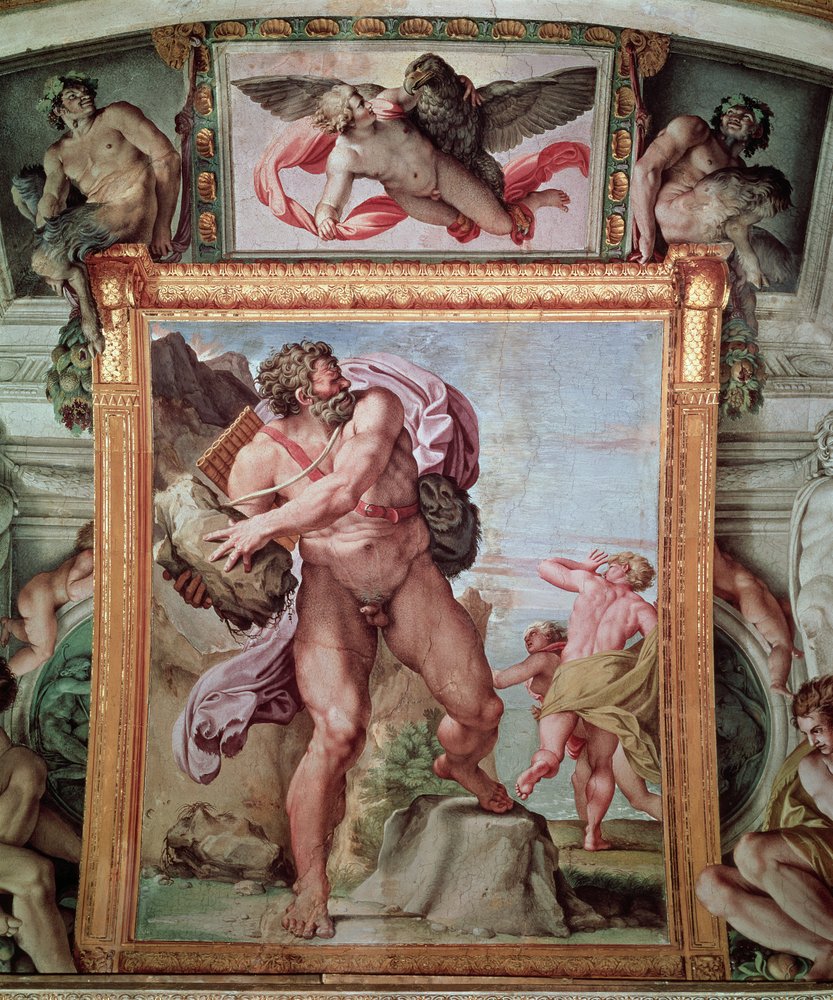
Polyphemus Slaying Acis
Annibale Carracci
Farnese Gallery ceiling

Cephalus and Aurora
Annibale Carracci
Farnese Gallery ceiling

Venus and Triton
Annibale Carracci
Farnese Gallery ceiling

Juno and Jupiter
Annibale Carracci
Farnese Gallery ceiling

Hercules and Iole
Annibale Carracci
Farnese Gallery ceiling

Diana and Endymion
Annibale Carracci
Farnese Gallery ceiling
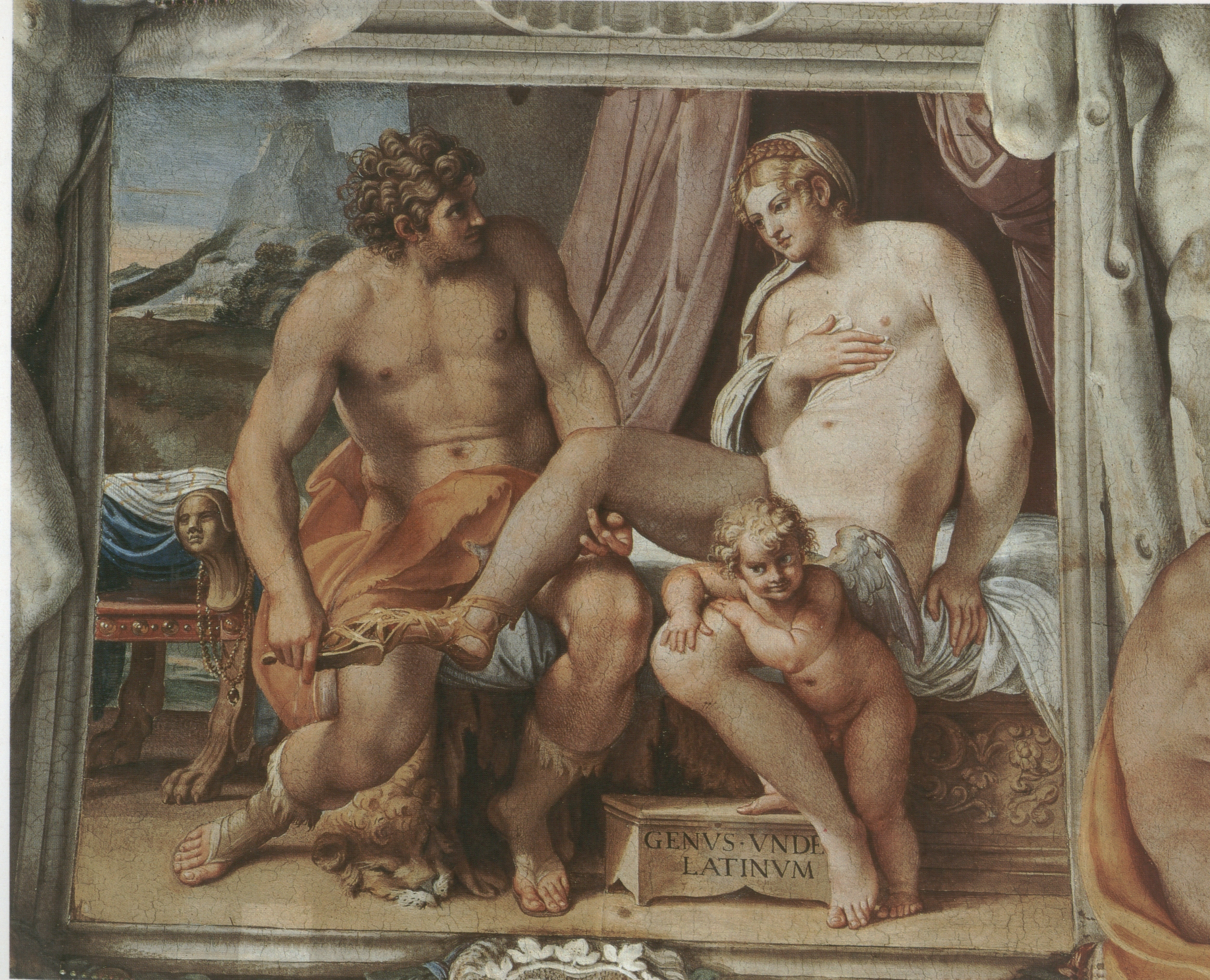
Venus and Anchises
Annibale Carracci
Farnese Gallery ceiling

The Dead Christ Mourned - 1603-04
Annibale Carracci
London, National Gallery

Pieta - 1599-1601
Annibale Carracci
Naples, Museo di Capodimonte
Illusionism
Represents the tradition of creating a convincing impression of three-dimensional reality on a two-dimensional surface, or making art appear to share the physical space of the viewer.
Quadro riportato
A ceiling painting designed to look like a normal, framed easel painting that has been lifted and attached to an overhead surface.
Di sotto in su
An extreme illusionistic painting technique in art history where figures and architecture are painted with steep foreshortening so they appear to float, stand, or recede directly above the viewer.
Paragone
(Italian for "comparison" or "touchstone") was a central debate in Renaissance art history, where different art forms—most notably painting and sculpture—competed for intellectual supremacy and higher status.

Self-Portrait as Bacchus - 1593-94
Caravaggio
Rome, Galleria Borghese

Boy with a Basket of Fruit - 1593-94
Caravaggio
Rome, Galleria Borghese

Still Life with Basket of Fruit - 1601
Caravaggio
Milan, Pinacoteca Ambrosiana
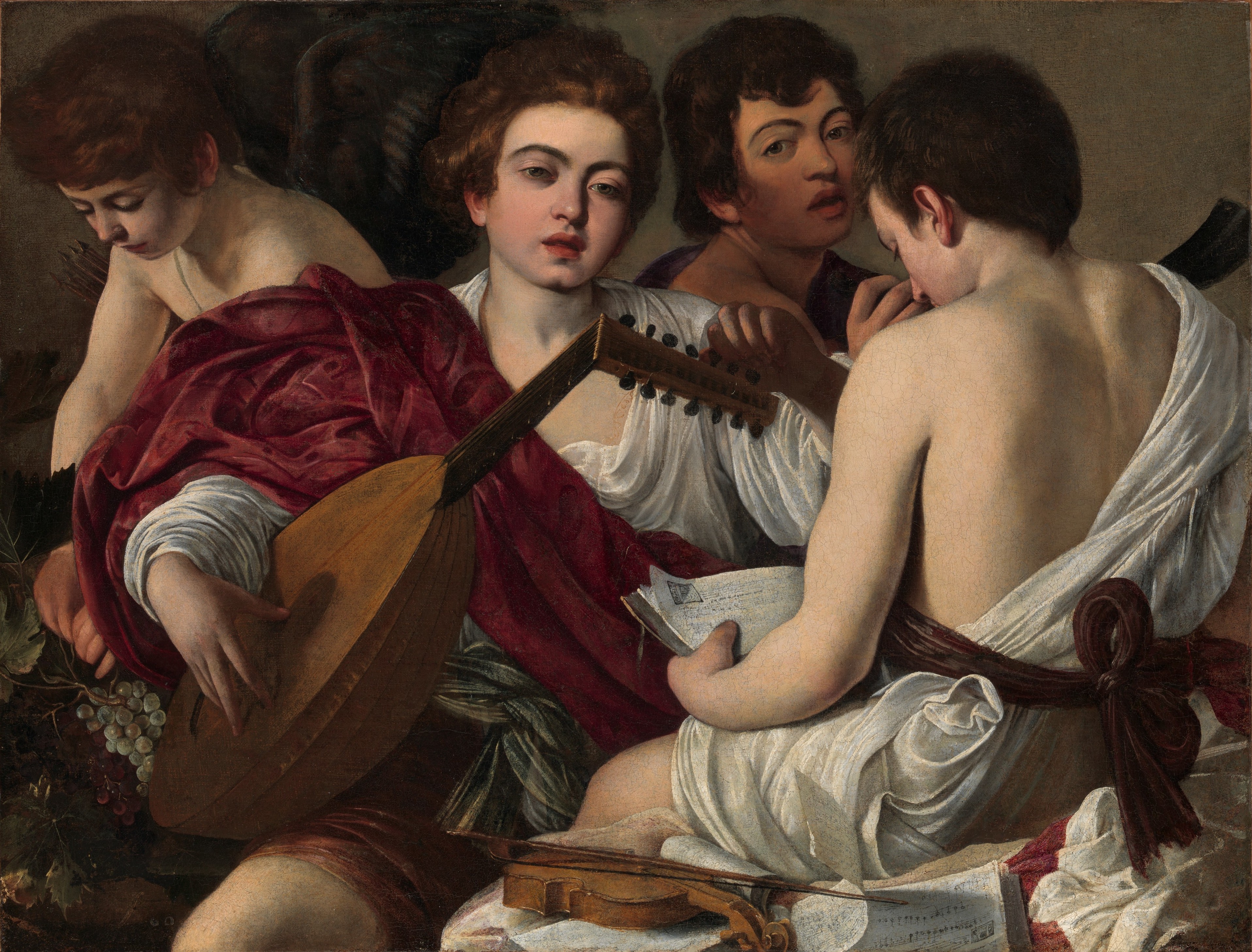
The Musicians - 1595
Caravaggio
New York, Metropolitan Museum of Art

The Lute Player - 1595-96
Caravaggio
St. Petersburg, The Hermitage

Saint Francis of Assisi in Ecstasy - 1595-96
Caravaggio
Hartford, The Wadsworth Antheneum

Crucifixion of St. Peter - 1600-01
Caravaggio
Rome, Cerasi Chapel, S. Maria del Popolo

Conversion of St. Paul - 1600-01
Caravaggio
Rome, Cerasi Chapel, S. Maria del Popolo

Supper at Emmaus - 1601
Caravaggio
London, National Gallery

Supper at Emmaus - 1606
Caravaggio
Milan, Brera

Seven Works of Mercy - 1606-07
Caravaggio
Naples, Pio Monte della Misericordia

Flagellation - 1607
Caravaggio
Naples, Capodimonte

The Beheading of St. John the Baptist - 1608
Caravaggio
Valetta, Co-Cathedral of St. John

The Burial of Saint Lucy - 1608
Caravaggio
Syracuse, Museo di Palazzo Bellomo

David with the Head of Goliath - 1606-10
Caravaggio
Rome, Galleria Borghese
Tenebrism
A dramatic painting technique from the 17th-century Baroque period that uses extreme, violent contrasts between light and dark to make select subjects pop out from a pitch-black background.
Chiaroscuro
combining the Italian words chiaro ("light") and scuro ("dark")—is a foundational technique in art history that uses strong tonal contrasts to create the illusion of three-dimensional volume, depth, and dramatic focus on a flat surface.

Boy Bitten by a Lizard - 1595-96
Caravaggio
London, National Gallery

Head of Medusa - 1598
Caravaggio
Florence, Uffizi

Bacchus - 1597
Caravaggio
Florence, Uffizi

The Card Sharps - 1594-95
Caravaggio
Fort Worth, Kimbell Art Museum

The Fortune Teller - 1598-99
Caravaggio
Paris, Louve

Judith and Holoferenes - 1599
Caravaggio
Rome, Galleria Nazionale d’Arte Antica

St. John with a Ram - 1602
Caravaggio
Rome, Capitoline Museum

Entombment - 1602-04
Caravaggio
Rome, Pinacoteca Vaticana

Madonna di Loreto - 1603-06
Caravaggio
Rome, S. Agostino

The Calling of St. Matthew - 1599-1600
Caravaggio
Contarelli Chapel, 1599-1602, S. Luigi dei Francesi, Rome

The Martyrdom of St. Matthew - 1599-1600
Caravaggio
Contarelli Chapel, 1599-1602, S. Luigi dei Francesi, Rome

The Inspiration of St. Matthew - 1602-03
Caravaggio
Contarelli Chapel, 1599-1602, S. Luigi dei Francesi, Rome

The Inspiration of St. Matthew (1st version) destroyed 1602
Caravaggio
Contarelli Chapel, 1599-1602, S. Luigi dei Francesi, Rome

Assumption of the Virgin - 1600
Annibale Caracci
Cerasi Chapel, 1600-01, S. Maria del Popolo, Rome

Death of the Virgin - 1601-03
Caravaggio
Paris, Louve
Cardinal Francesco Maria del Monte
The first major Roman patron of Caravaggio and an influential cultural agent for the Medici family.
Decorum
The principle that all elements of a work of art must be fitting, appropriate, and harmonious with its subject matter, social rank, setting, and moral purpose.
Mathieu Cointrel
Much better known by his Italianized name Matteo Contarelli, holds massive significance in art history as the patron behind one of the most transformative commissions in Western painting: the Contarelli Chapel.
Tiberio Cerasi
Commissioned the Cerasi Chapel inside Rome's Santa Maria del Popolo, setting up a direct, monumental clash between the two dominant artistic geniuses of the early Baroque era: Caravaggio and Annibale Carracci.

The Liberation of Peter - 1615
Giovanni Battista Caracciolo
Pio Monte della Misericordia, Naples

The Fortuneteller - 1616-17
Bartolomeo Manfredi
Michigan, Detroit Institute of Arts

The Fortuneteller - 1620
Simone Vouet
Ottawa, National Gallery

The Fortuneteller - 1630s
Georges de la Tour
New York, Metropoitan Museum of Art

The Cardsharps - 1615-18
Valentin de Boulogne
Dresden

Judith and Holofernes - 1626
Valentin de Boulogne
Valetta, National Museum

The Lute Player - 1612
Orazio Gentileschi
Washington DC, The National Gallery

Danae - 1623
Orazio Gentileschi
Cleveland Museum

Lot and his Daughters - 1622
Orazio Gentileschi
Los Angeles, The J. Paul Getty Museum

Self-Portrait as “La Pittura” - 1638
Artemisia Gentileschi
London, St. James Palace
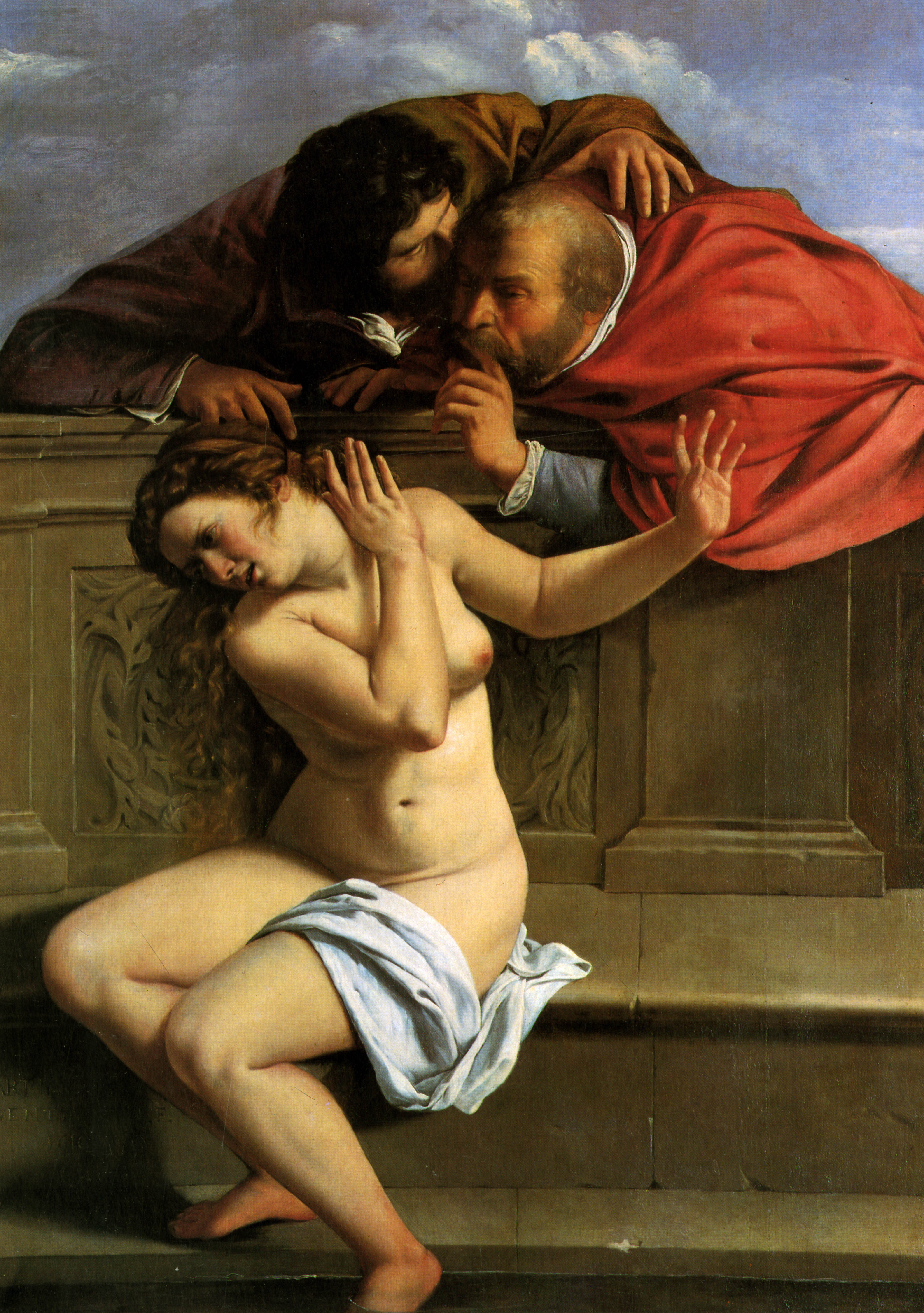
Susanna and the Elders - 1610
Artemisia Gentileschi
Pommersfelden

Judith and Holofernes - 1612-13
Artemisia Gentileschi
Naples, Capodimonte

Judith and her Maid - 1623-25
Artemisia Gentileschi
Detroit, Institute of Arts
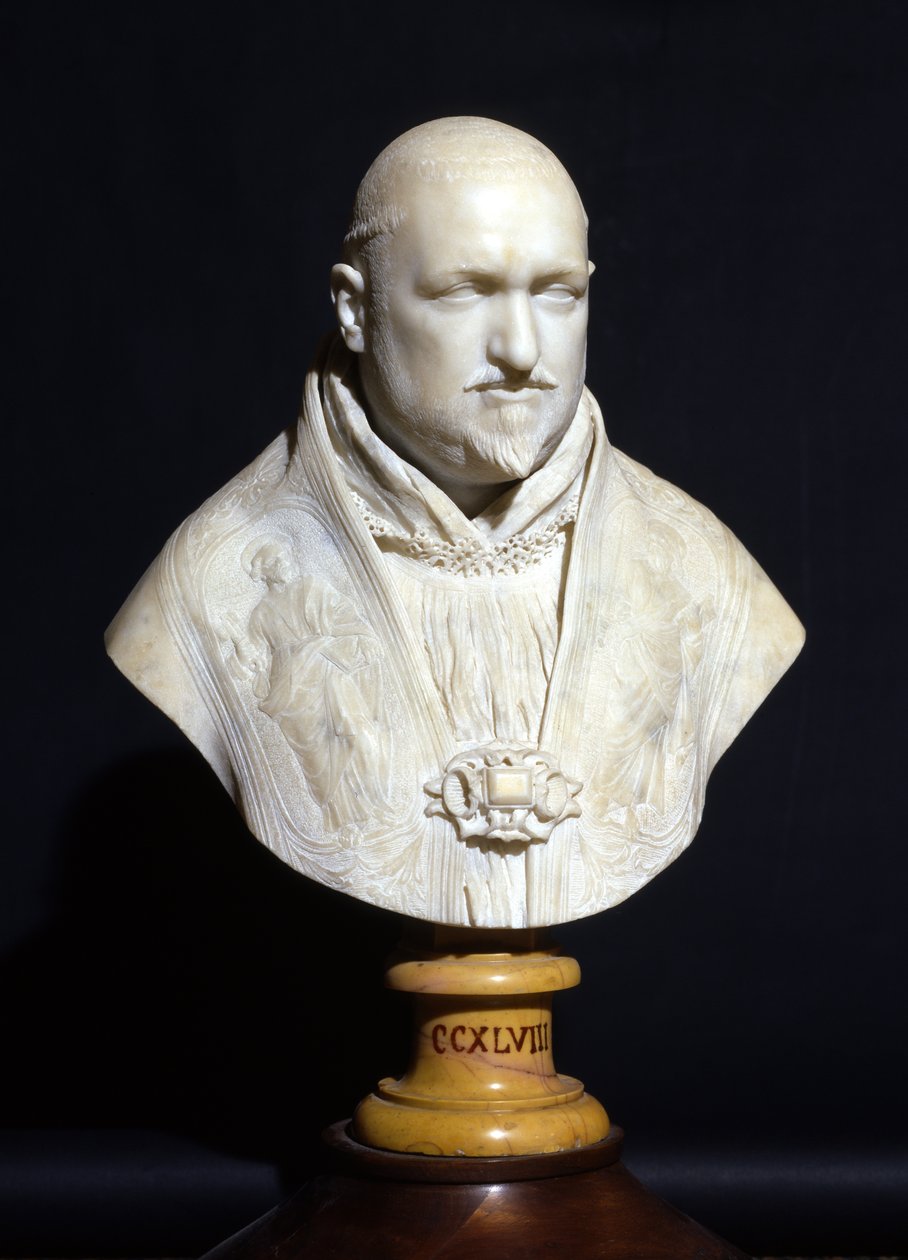
Pope Paul V - 1618
Gianlorenzo Bernini
Rome, Galleria Borghese

Cardinal Scipione Borghese
Gianlorenzo Bernini
Rome, Galleria Borghese

St. Peter’s Basilica
Carlo Maderno
Facade and nave - 1608-12

Crucifixion of St. Peter - 1604-05
Guido Reni
Rome, Pinacoteca Vaticana

David with the head of Goliath - 1605-06
Guido Reni
Paris, Louve

St. Andrew Adoring his Cross - 1609
Guido Reni
Oratory of St. Andrew, S. Gregorio Magno, Rome

Flagellation of St. Andrew - 1609
Domenichino
Oratory of St. Andrew, S. Gregorio Magno, Rome

Ceiling fresco of Aurora - 1613
Guido Reni
Casino of Aurora, Palazzo Rospigliosi-Pallavicini, Rome

S. Cecilia - 1600
Stefano Maderno
Rome, S. Cecilia

S. Cecilia distributing her clothes to the poor
Domenichino
Cappella Polet, S. Luigi dei Francesi, Rome

The Condemnation of S. Cecilia
Domenichino
Cappella Polet, S. Luigi dei Francesi, Rome

The Martyrdom of S. Cecilia
Domenichino
Cappella Polet, S. Luigi dei Francesi, Rome

S. Cecilia in Glory
Domenichino
Cappella Polet, S. Luigi dei Francesi, Rome
Affetti
(Italian for "movements of the soul") is an art-historical and rhetorical concept describing human passions, emotions, and psychological states conveyed through physical gestures, facial expressions, and bodily movements.