chapter 13: somatic nervous system
 Call Kai
 Learn
 Practice Test
 Spaced Repetition
 Match
 Flashcards
 Knowt Play
1/177

There's no tags or description
Looks like no tags are added yet.
178 Terms
the PNS
what is the somatic nervous system a part of?
voluntary (of conscious control)
what does somatic mean?
stimulus
a change in either the internal or external environment
sensation (perception)
a conscious awareness (stimulus triggering receptor)
adaptation
the decrease in a receptors' sensitivity to a stimulus (at the receptor level) ex: smell of your house OR cold pools
habituation
reduced perception of a continuous stimulus (at the brain level/brain's awareness)
transduction
the process of sensory receptors converting a stimulus into an action potential
receptor potentials
what are graded potentials?
stimulus, action potential
receptor potentials-
-their magnitude varies with the strength of the ______
-if the receptor potential reaches threshold the neuron will fire an ____
sensory receptor distribution, stimulus origin, modality
what are the three criteria used to describe receptors?
general and the 5 special senses
what two types of senses fall under sensory receptor distribution?
general senses
type of sensory receptor distribution- distributed throughout the body
temperature, pain, touch, pressure, and proprioception
what are the 5 general senses?
somatic or visceral
general senses can be either what or what?
somatic senses
type of general sense that comes from external stimuli
visceral senses
type of general sense that comes from internal stimuli (organs)
stimulus origin
receptors that detect
exteroceptor and interoceptor
what are the 2 receptors that detect called?
exteroceptor
stimuli from the external environment, such as skin sensation
interoceptor
stimuli from internal organs, such as smooth muscle stretch receptors
modality
the cause of the stimulus
chemoreceptors
receptors that detect chemicals dissolved in fluid, such as ingested food and drink, body fluids, and inhaled air components
chemoreceptors
receptors that are helpful to detect taste, smell, and sodium and glucose levels
thermoreceptors
receptors that are located in the skin and hypothalamus and respond to temperature changes
photoreceptors
receptors that are located in the eyes that detect changes in light intensity, color, and movement
mechanoreceptors
receptors that respond to touch, pressure, vibration, and stretch
movement
mechano means what?
nociceptors
receptors that detect pain
proprioceptors
receptors that detect limb movement, skeletal muscle stretch, and contraction; found in the muscles, tendons, and joints
special sense
what is the receptor distribution of auditory receptors?
exteroceptor
what is the stimulus origin of auditory receptors?
mechanoreceptor
what is the modality of stimulus of auditory receptors?
general sense AND visceral (coming from internal body)
what is the receptor distribution of sodium receptors?
interoceptor
what is the stimulus origin of sodium receptors?
chemoreceptor
what is the modality of stimulus of sodium receptors?
free nerve endings
when dendrites themselves act as receptors it is called what?
encapsulated nerve endings
when sensory nerve endings are wrapped in connective tissue that enhances their sensitivity
olfaction
the special sense known as smell
olfactory epithelium
what is the organ of olfactory?
olfactory receptor cells, supporting cells, and basal cells
what are the cells of the olfactory epithelium?
olfactory receptor cells
a cell of the olfactory- job is to detect odorants (stimulus/chemicals in the air)
olfactory hairs
a cell of the olfactory, but more specifically an olfactory receptor cell- dramatically increases surface area for detecting odorants/bind to them
supporting cells
a cell of the olfactory- ciliated cells that move the mucus and support and protect olfactory receptors
basal cells
a cell of the olfactory- closest to the basement membrane; stem cells meant to replace damaged cells
epithelium
olfaction is deep to the what?
connective tissue
epithelium typically sits on what?
lamina propria
connective tissue underlying a mucous membrane and contains bowman's glands
bowman's glands
These are mucus glands found in the lamina propria that moisten olfactory epithelium and dissolve odor molecules.
chemoreceptors, odorants
olfaction relies on _____ to detect _____
cranial nerve I
what is the olfactory nerve?
olfactory foramina, ethmoid, olfactory bulb, olfactory tract
neurons of the olfactory nerve pass through the _____ ______ in the _____ bone. they then join with the _____ ______, which leads to the _____ _____
frontal lobe, primary olfactory cortex, limbic system
in olfaction- action potentials are sent to what 3 specific regions of the brain?
decision making, emotions
in olfaction- action potentials are sent to the frontal lobe because it is involved in _____ ______ and the limbic system because smell is tied to ______
gustation
what is the special sense known as taste?
lingual papillae
bumps on the tongue that MAY contain taste buds and help to manipulate food
filliform
what are the only lingual papillae with no tastebuds?
receptors, supporting cells, basal cells
what are taste buds made up of?
gustatory receptor cells
part of gustation- receptors that detect chemicals
tastants
what is the chemical called for gustation (like odorants for olfaction)
gustatory microvilli
part of gustation- help with surface area and are hair cells that project from the receptor cell to the external surface through the taste pore in taste bud
supporting cells
part of gustation- cells between receptor cells
basal cells
part of gustation- stem cells to replace damaged cells
sweet, salty, sour, bitter, umami
what are the 5 tastes?
salty
stimulant- presence of sodium ions
sweet
stimulant- presence of sugar/monosaccharides
sour
stimulant- presence of H+ ions (acidic)
bitter
stimulant- presence of OH- ions (basics/alkaloids)
umami
stimulant- presence of L-glutamate
facial, glossopharyngeal, vagus
neurotransmitters from the gustatory receptor cells can activate sensory neurons in what 3 cranial nerves?
temporal lobe
gustatory information is perceived by which lobe in the brain?
olfaction
gustation relies heavily on the sense of what?
increased mucus means less odorants can get to chemoreceptors
what happens to your sense of taste when you have a cold?
bipolar
olfactory receptors are what kind of neurons?
cilia, dendrites
olfactory hairs are ____ and are found on the _____ of olfactory receptor cells
to replace damaged cells
what is the function of basal cells?
action potentials, olfactory
_____ _____ initiated by the protein receptors are carried on the _____ nerve
mucus
bowman glands produce what?
chemoreceptors/chemical
receptors for olfaction and taste rely on what modality of stimulus?
eyebrows, eyelashes
external accessory structures of vision- ____ prevent sweat from dripping into the eye; ____ prevent foreign debris from reaching the eye
palpebra(e)
external accessory structures of vision- superior and inferior eyelids

medial and lateral palpebral commissures
external accessory structures of vision- corners of the eye where palpebrae meet

tarsal glands
external accessory structures of vision- produce oily secretion to reduce friction of palpebrae over eye
lacrimal caruncle
external accessory structures of vision- pink ball in medial commissures that produce secretion to protect eye

4 rectus muscles
extrinsic muscles of vision- superior, inferior, medial, and lateral

2 oblique muscles
extrinsic muscles of vision- superior and inferior; wrap around

oculomotor, trochlear, abducens
remember: the majority of the extrinsic eye muscles are controlled by the _____ nerve (III) while the superior oblique muslce is controlled by the _____ nerve (IV) and the lateral rectus is controlled by the ______ nerve (VI)
ocular and palpebral
internal accessory structures of vision- what are the two types of conjunctiva?
ocular conjunctiva
internal accessory structures of vision- covers the anterior eyeball (not the cornea)
palpebral conjunctiva
internal accessory structures of vision- covers internal surface of eyelids
lacrimal
internal accessory structures of vision- what is the word for tears?
lacrimal apparatus
internal accessory structures of vision- structures that produce, collect, and drain lacrimal fluid
components of tears
internal accessory structures of vision- water, Na+, antibodies, lysozyme (antibiotic enzyme)
lacrimal gland with ducts
internal accessory structures of vision- what produces lacrimal fluid on the lateral side?

lacrimal puncta
internal accessory structures of vision- 2 tiny pores that drain fluid

lacrimal canaliculi
internal accessory structures of vision- 2 tiny canals that transport lacrimal fluid into lacrimal sac
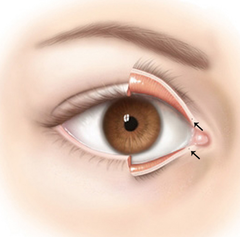
lacrimal sac
internal accessory structures of vision- sac that sits in the lacrimal bone

nasolacrimal duct
internal accessory structures of vision- duct that drains fluid into nasal cavity

fibrous, vascular, and neural tunic
what are the 3 layers of the eyeball?
fibrous tunic
the outermost layer of the eyeball
sclera and cornea
what 2 structures make up the fibrous tunic?