AP12 Unit 2
 Call Kai
 Learn
Learn Practice Test
 Spaced Repetition
 Match
Match Flashcards
 Knowt Play
1/26

Earn XP
Description and Tags
For Us
Name | Mastery | Learn | Test | Matching | Spaced | Call with Kai | Chat |
|---|
No analytics yet
Send a link to your students to track their progress
27 Terms
The Cell is ____________________?
The smallest unit of life.
Animals Cells are Eukaryotic, what does Eukaryotic mean?
Eukaryotic means: Cells that have a nucleus and membrane-bound organelles.

What are the Functions of Cells? (5 Things)
Metabolism
-Converting nutrients into energy and building larger molecules.
Homeostasis
-Maintaining pH, temperature, and ion-concentrations.
Reproduction
-Replicating by Mitosis or Meiosis
Responding to Stimuli
-Responding to environmental change or signals from other cells.
Protein Synthesis
-Transcribing DNA to mRNA and using the mRNA to build proteins.
Why are Cells so Small?
Surface Area and Volume:
-Cells are so small (small volume) so their membrane (surface area) is enough to let in/out waste or nutrients.
-If the cell was larger, the surface area won’t increase the same so their won’t be enough surface area.
Organelles of the Cell: Peroxisomes
Contains Enzymes to break down H2O2 (Hydrogen Peroxide) from the Mitochondria.

Organelles of the Cell: Cilium (Cilia is the Plural)
Hairs on the outside of the cell that sweep.

Organelles of the Cell: Centriole
Used for Cell Divison.

Organelles of the Cell: Lysosomes
Produced by the Golgi Body, they contain Enzymes to recycle and break down biomolecules.
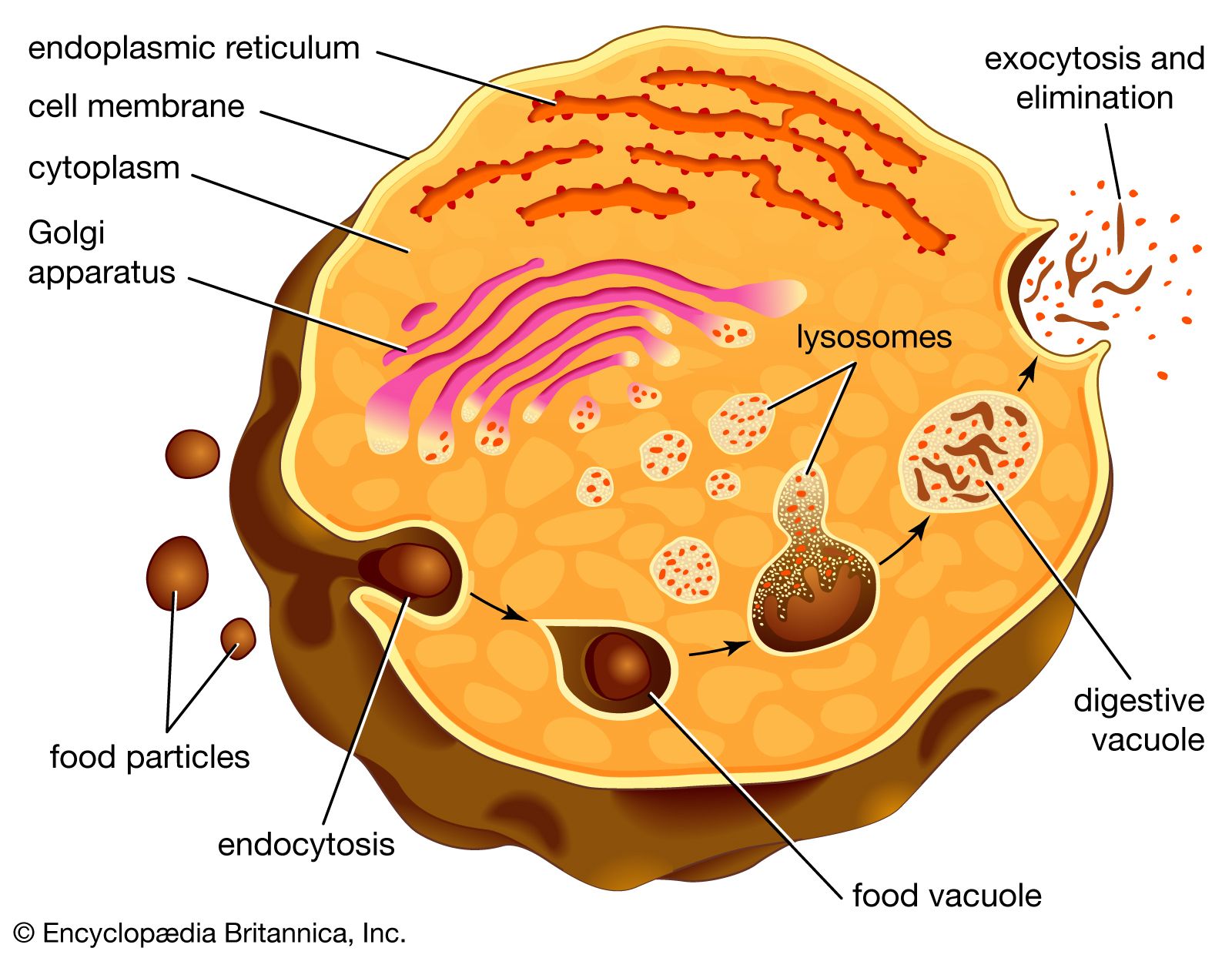
Organelles of the Cell: Cell/Plasma Membrane
Made of the Phospholipid Bilayer with Cholesterol and Protein built within. It controls what goes in and out.

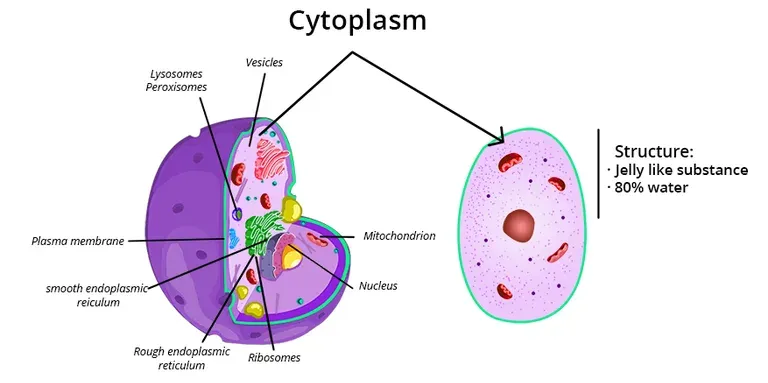
Organelles of the Cell: Cytoplasm
Gelatinous liquid that fills the cell. It is made of Salt, Water, and other organic materials.
Organelles of the Cell: Mitochondrion (Mitochondria is Plural)
“The Powerhouse of the Cell”, it generates ATP which is used for Cellular Functions.

Organelles of the Cell: Smooth Endoplasmic Reticulum
Lipid Synthesis, it includes Steroid Hormones, Phospholipids, and Vesicles.

Organelles of the Cell: Flagellum
Whip-Like appendage for Movement.

Organelles of the Cell: Cytoskeleton
Provides structural framework, transports organelles, and is responsible for some movements of the cell.

Organelles of the Cell: Nuclear Pores
Channels in the nuclear membrane that allow small molecules in and out.
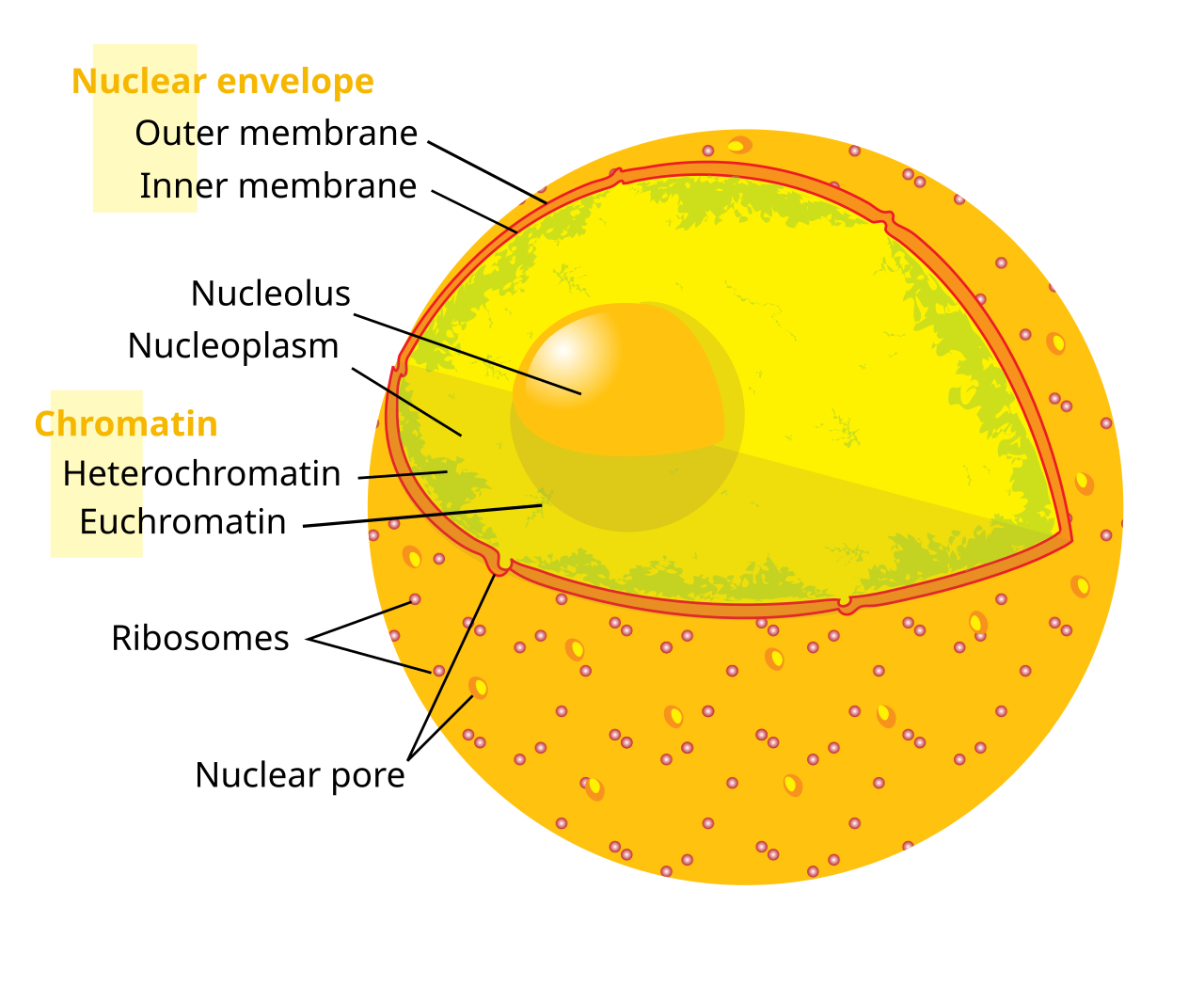
Organelles of the Cell: Nuclear Membrane
A Phospholipid Bilayer that separates the Nucleus and Cytoplasm.

Organelles of the Cell: DNA in Nucleoplasm
Holds the Genetic Information, it has instructions for making proteins.
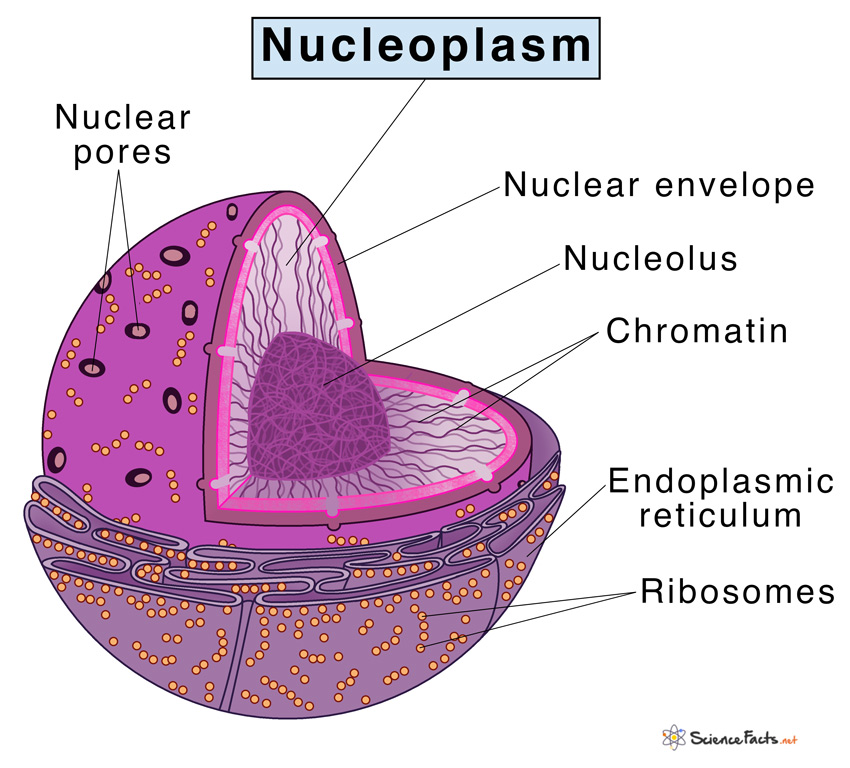
Organelles of the Cell: Nucleolus
Produces rRNA (Ribosomal RNA) and assembles Ribosomes.

Organelles of the Cell: Nucleus
Contains the DNA in the Nucleoplasm, Nucleolus, and has a Nuclear Membrane with Nuclear Pores. It’s the “Control Center” and directs the cell activities.
-Site of DNA Replication & mRNA Transcriptions.

Organelles of the Cell: Rough Endoplasmic Reticulum
Covered in Ribosomes, it processes and modifies proteins.

Organelles of the Cell: Ribosomes
Site of the translation for protein synthesis.

Organelles of the Cell: Golgi Body
Packages proteins and lipids. These packages are to export away from the cell.

Organelles of the Cell: Golgi Vesicle
They “Bud off” the Golgi Body and transport the proteins to the cell membrane.

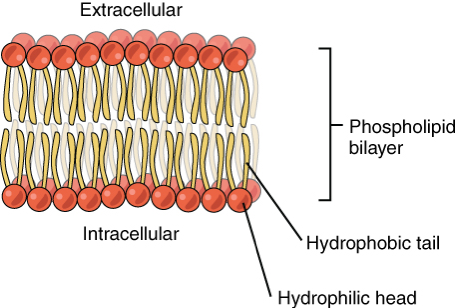
The Phospholipid Bilayer
Phospholipids are a major part of the cell membrane. They are also found in the membranes of the organelles in the cell. Two layers of phospholipids come together to make the bilayer.
The Endomembrane System
The endomembrane system is a network of different membranes and organelles (parts of the cell) that modify, package, and transport proteins and lipids in the cell.
-Includes the Cell Membrane, Nuclear Envelope, Smooth & Rough Endoplasmic Reticulum, Golgi Body, Vesicles, Vacuoles, and Lysosomes.

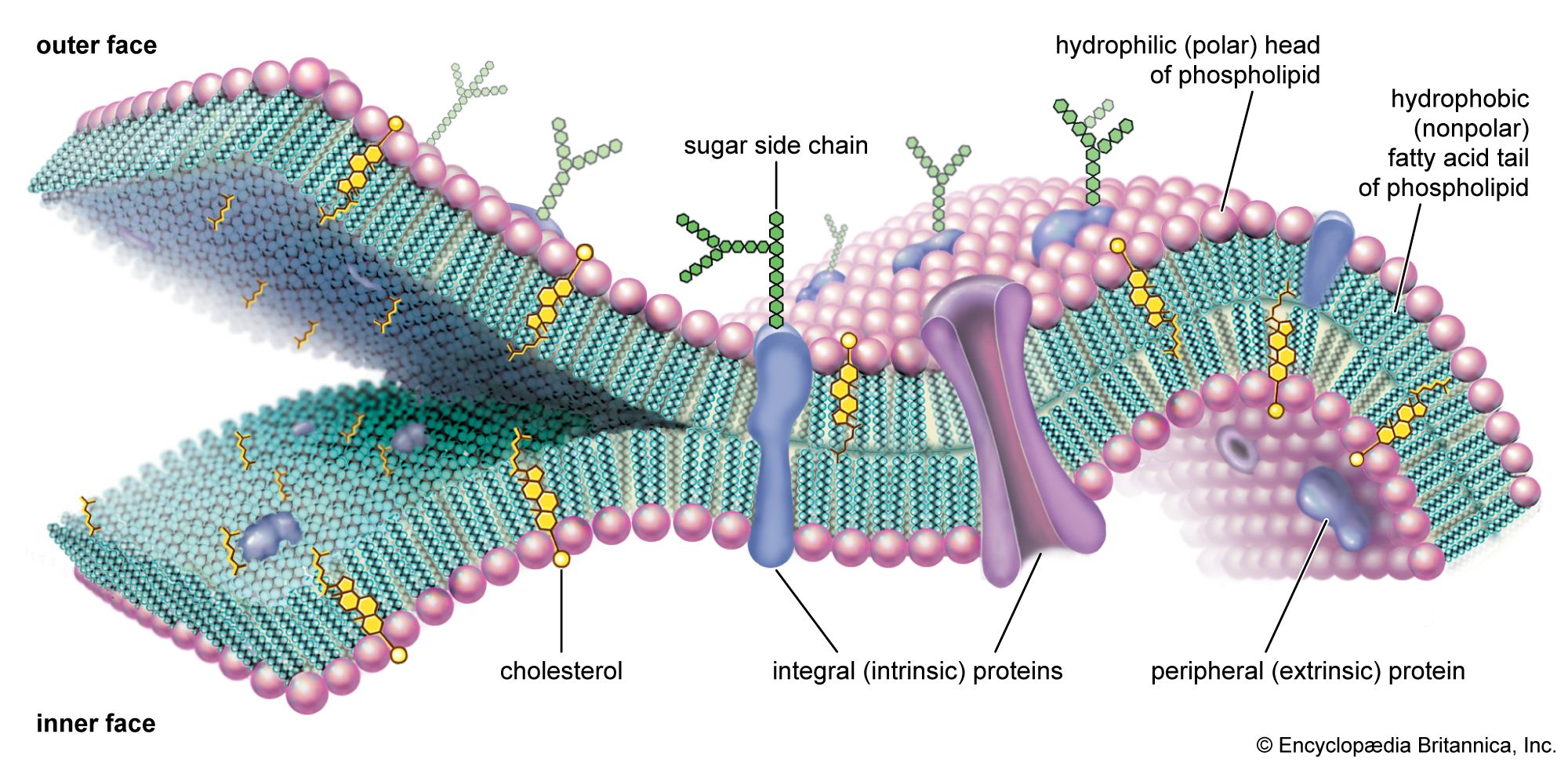
What makes up the Cell Membrane? (5 things)
Phospholipids
-These are amphipathic and compose most of the cell membrane.
Cholesterol
-Helps with the membrane’s stability and rigidity (stiffness).
Integral Proteins
-They act as channels and carriers all over the cell membrane.
Peripheral Proteins
-Helps with transport or communication.
Glycoproteins & Glycolipids
-Acts as recognition between cells.
The membrane is made of many macromolecules such as phospholipids, proteins, glycoproteins, glycolipids, and cholesterol, all pieced together like a mosaic.
About Membrane Transport
Cells need to move substances in and out of the membrane.
The cell membrane is selectively permeable (only allows certain molecules and ions through).
Integral Proteins or Phospholipids themselves help move molecules in and out.
