music and arts summative
 Call Kai
 Learn
Learn Practice Test
 Spaced Repetition
 Match
Match Flashcards
 Knowt Play
1/48

Earn XP
Description and Tags
spooky
Name | Mastery | Learn | Test | Matching | Spaced | Call with Kai | Chat |
|---|
No analytics yet
Send a link to your students to track their progress
49 Terms
western art
is a form of art that shows the history, culture, beliefs, and ideas of Western countries through painting, sculpture, architecture, and other visual arts. It often focuses on themes such as religion, nature, human life, emotions, beauty, and important historical events.
western art
includes different forms such as painting, sculpture, architecture, drawing, and decorative arts. Many famous artworks from Western countries are connected to religion, mythology, nature, human life, beauty, power, and historical events.
religion
mythology
human life and emotions
heroism
nature
common themes in western art
religion
Many artworks show Biblical stories, saints, churches, and religious symbols.
mythology
Some artworks show gods, goddesses, heroes, and stories from Greek and Roman myths.
human life and emotions
Artists created artworks about family, love, sorrow, victory, struggle, and daily life.
heroism
Kings, queens, leaders, warriors, and important historical events were often shown in paintings and sculptures.
nature
Many artists used landscapes, plants, animals, and natural light as subjects in their artworks.
human figure
balance and proportion
symmetry
beauty and harmony
common styles in western classical art
human figure
Western Classical Art usually shows realistic____________. Artists tried to make the body look natural and accurate.
balance and proportion
This means that the parts of the artwork are arranged properly, and the size of each part looks correct.
symmetry
Many buildings, sculptures, and paintings were designed to look balanced on both sides.
beauty and harmony
Artists wanted their artworks to look pleasing, organized, and meaningful.
perspective
shading
proportion
light and shadow
common techniques in western classical art
perspective
This makes the artwork look deep or three-dimensional, as if some objects are near and others are far.
shading
Artists use light and dark areas to make objects and people look more realistic.
proportion
to show the correct size and relationship of body parts and objects.
light and shadow
They use _______________ to create depth, mood, and emotion in the artwork.
Italy, France, Spain, Britain, Greece, and Rome.
western countries examples
western art
artworks produced in these countries reflect their history, beliefs, culture, religion, government, and way of life.
italy
country known for renaissance art
greece and rome
countries/cities that influenced classical structure and architecture
france
country that contributed to later movements such as Impressionism.
Italy – Renaissance Art: The School of Athens by Raphael
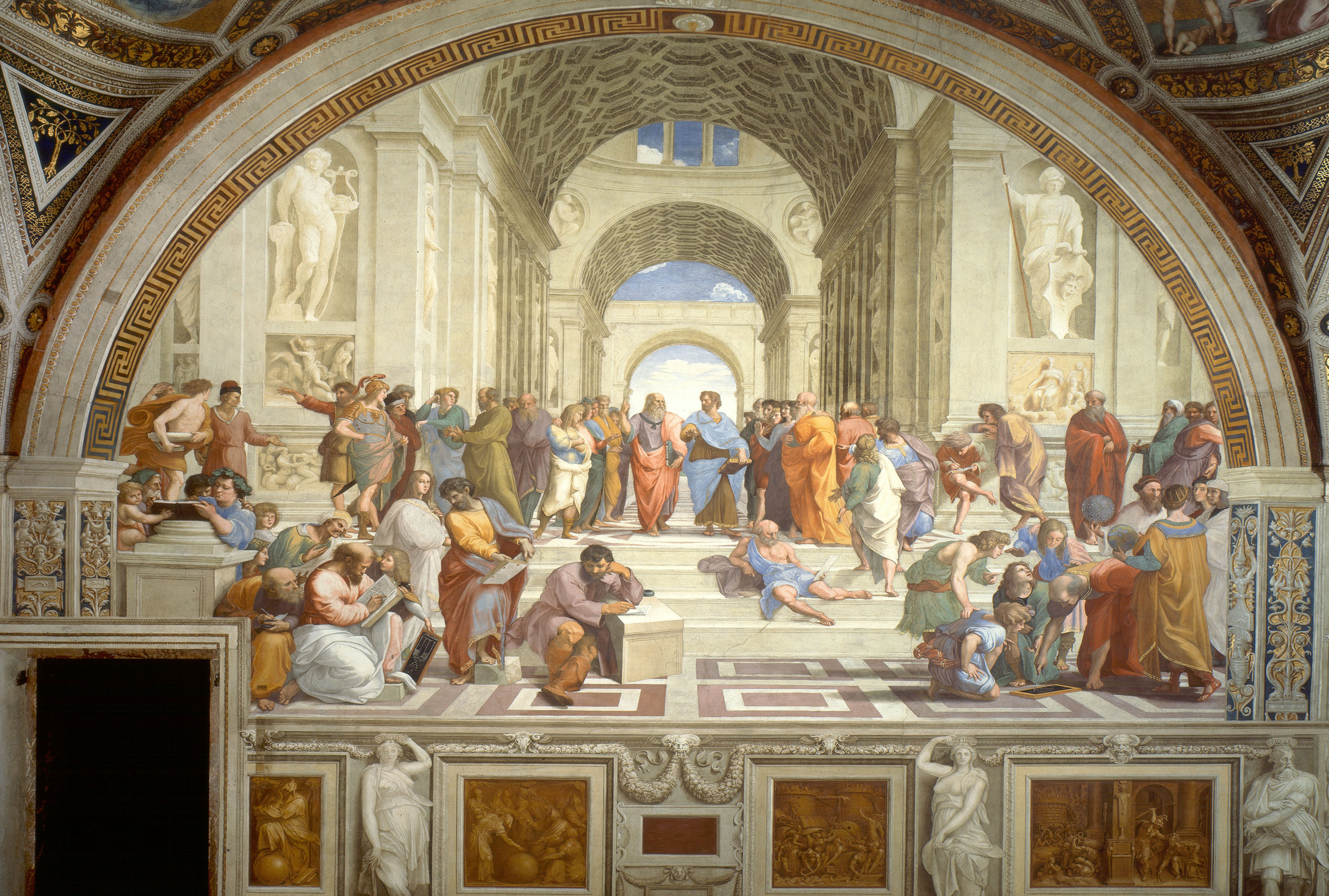
what is this
Greece – Classical Architecture: Parthenon

what is this
Greece – Classical Sculpture: Venus de Milo

what is this
Rome – Classical Architecture: Colosseum Save Share

what is this
France – Impressionism: Impression, Sunrise by Claude Monet

what is this
greco-roman arts
foundation of western arts
greco-roman arts
•It is the foundation of Western
classical arts
•Emphasizes balance, symmetry, and proportion
•Common in architecture, sculpture, and design
•Often used in temples, public buildings, and monuments
greco-roman arts
•Reflects ideals of order,
harmony, and human perfection
•Influenced later Western art movements
•Used as reference in modern visual culture and media
landscape drawing
is a genre of drawing where man-made or natural sceneries are drawn. But before we draw landscapes, we will start first by drawing the three orders of Greek columns (which are common motifs we see in Greek and Roman classical antiquity.
perspective
blocking
detailing
shading
basic steps on how to sketch a draft of a landscape
perspective
Using lines, you can establish the perspective you want to draw.
blocking
Begin by lightly sketching the major elements in the chosen landscape.
detailing
Once you have a rough sketch already, one may start adding details to make the landscape more established.
shading
adds depth and dimension in the landscape.
National Fine Arts Museum, Manila Greco-Roman

what is this
Quiapo Church, Manila Renaissance Architecture

what is this
Immaculate Conception Church, Puerto Princesa, Palawan Gothic-Medieval
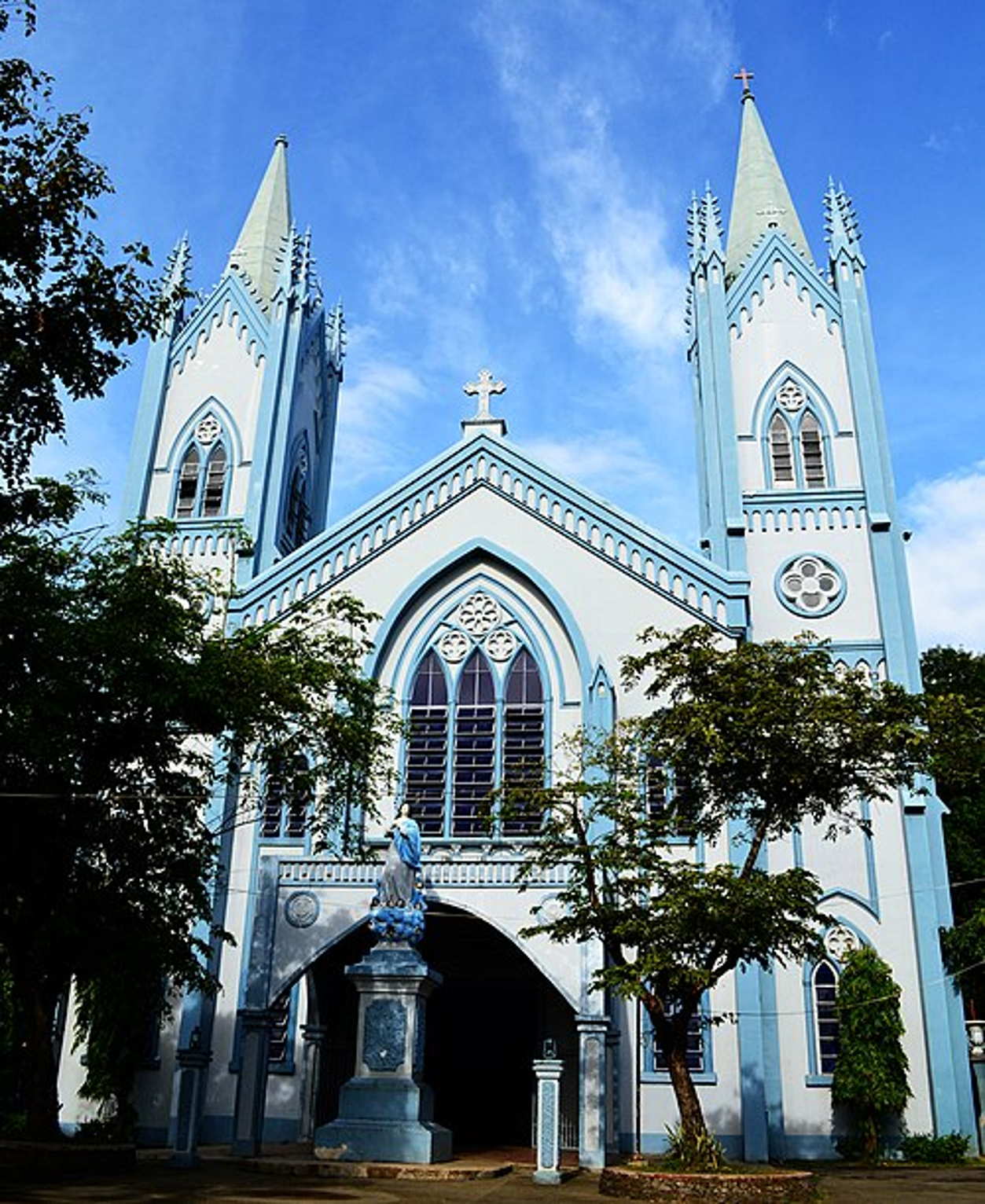
what is this
greco-roman
renaissance
medieval
enumerate art periods
greco-roman
structures emphasize balance and order, with buildings often mirroring each other.
(Doric, Ionic, Corinthian)
- The three Greek column orders that are usually present in the facade of the building.
renaissance
- Just like in Greco-Roman structures, Renaissance buildings focuses on harmony and proportion
- incorporated elements such as columns, pediments (triangular shapes above windows or doors), and arches.
medieval
- _____l or Gothic buildings usually are upright and focus on verticality.
- These took inspiration from religious symbolisms/Catholicism.
- Stained glass windows are usually found in _______l structures.
pre-baroque
During this time, artists focused on balance, harmony, proportion, order, and realistic human figures. Their artworks looked calm, organized, and carefully planned. They also used perspective to make paintings look deep and realistic.
pre-baroque art
In _______, many artworks were still connected to religion, mythology, important people, and human life. Artists tried to show beauty, proper body proportions, and clear arrangement of figures. The mood of the artworks was usually peaceful, balanced, and controlled.
baroque art
_______ became popular in Europe during the 17th century. It is known for being dramatic, emotional, grand, and full of movement. Unlike the calm and balanced look of earlier artworks, Baroque artworks often look more powerful, exciting, and expressive.
baroque
word that means a style that uses strong emotions, rich details, dramatic lighting, and energetic movement to catch the viewer’s attention.