AP Microeconomics Chapter 7 Key Terms

0.0(0)
Studied by 0 people
call kaiCall Kai
learnLearn
examPractice Test
spaced repetitionSpaced Repetition
heart puzzleMatch
flashcardsFlashcards
GameKnowt Play
Card Sorting

1/21

encourage image

There's no tags or description

Looks like no tags are added yet.

22 Terms

1
New cards

chapter 7

card #1

short run

A period in which some resources are fixed and some are variable.

  • Long Run

  • Fixed and Variable Resources


<p><span>A period in which some resources are fixed and some are variable.</span></p><ul><li><p>Long Run</p></li><li><p>Fixed and Variable Resources</p></li></ul><p></p>
2
New cards

chapter 7

card #2

long run

A period of time in which all resources are variable.

  • Short Run

  • Variable Resources


<p>A period of time in which all resources are variable.</p><ul><li><p><span>Short Run</span></p></li><li><p><span>Variable Resources</span></p></li></ul><p></p>
3
New cards

chapter 7

card #3

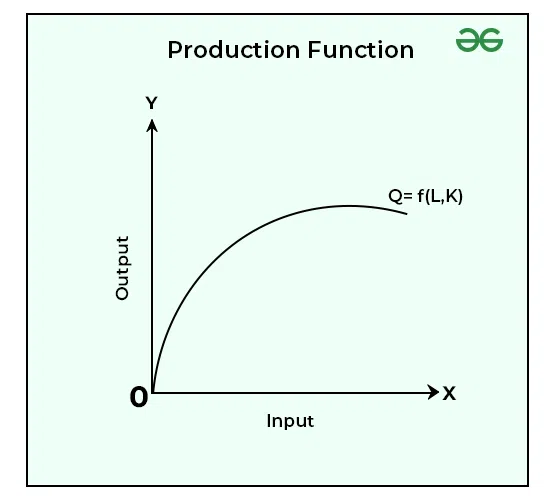
production function

The mechanism by which inputs are transformed into outputs.

  • Output (Quantity)

  • Total Product, Marginal Product


<p><span>The mechanism by which inputs are transformed into outputs.</span></p><ul><li><p>Output (Quantity)</p></li><li><p>Total Product, Marginal Product</p></li></ul><p></p>
4
New cards

chapter 7

card #4

total product (TP)

The total output of a particular good or service produced by a firm (or a group of firms or the entire economy).

  • Marginal Product

  • Production Function


<p>The total output of a particular good or service produced by a firm (or a group of firms or the entire economy).</p><ul><li><p>Marginal Product</p></li><li><p>Production Function</p></li></ul><p></p>
5
New cards

chapter 7

card #5

marginal product (MP)

The additional output produced when 1 additional unit of a resource is employed.

Formula: ∆TP/∆labor input

  • Total Product

  • Law of Diminishing Marginal Returns


<p>The additional output produced when 1 additional unit of a resource is employed.</p><p>Formula: ∆TP/∆labor input</p><ul><li><p>Total Product</p></li><li><p>Law of Diminishing Marginal Returns</p></li></ul><p></p>
6
New cards

chapter 7

card #6

average product (AP)

The output per unit of labor input. (Labor productivity)

Formula: TP/Units of labor

  • Total Product

  • Inputs


<p>The output per unit of labor input. (Labor productivity)</p><p>Formula: TP/Units of labor</p><ul><li><p>Total Product</p></li><li><p>Inputs</p></li></ul><p></p>
7
New cards

chapter 7

card #7

law of diminishing returns

The principle that as successive increments of a variable resource are added to a fixed resource, the marginal product of the variable resource will eventually decrease.

  • Marginal Product

  • total product


<p>The principle that as successive increments of a variable resource are added to a fixed resource, the marginal product of the variable resource will eventually decrease.</p><ul><li><p><span>Marginal Product</span></p></li><li><p><span>total product</span></p></li></ul><p></p>
8
New cards

chapter 7

card #8

economic cost

The payment that must be made to obtain and retain the services of a resource.

  • firms

  • factors of production


<p>The payment that must be made to obtain and retain the services of a resource.</p><ul><li><p>firms</p></li><li><p>factors of production</p></li></ul><p></p>
9
New cards

chapter 7

card #9

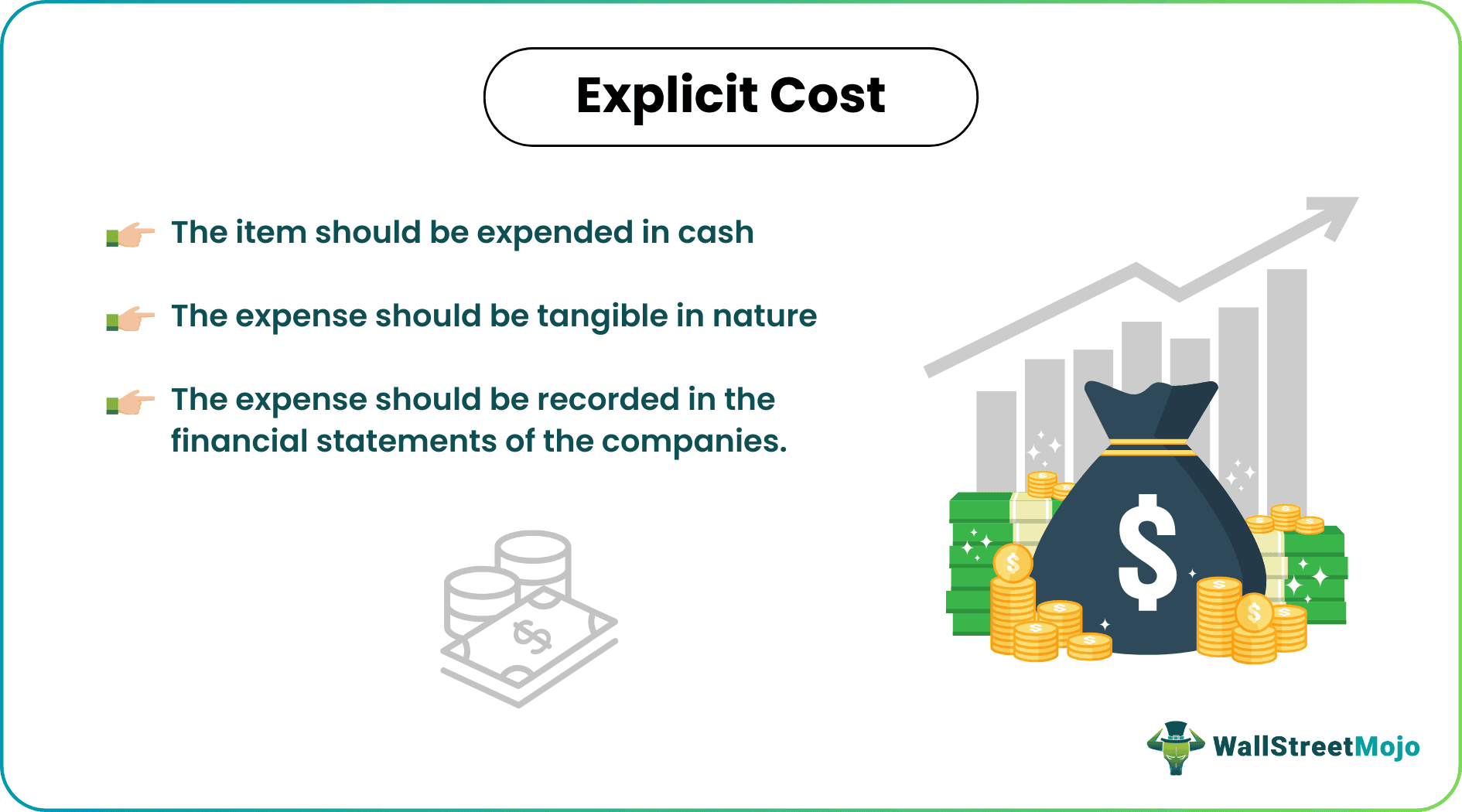
explicit cost

The monetary payment made by a firm to an outsider to obtain a resource.

  • Implicit Costs vs Explicit Costs

  • Economic Cost


<p>The monetary payment made by a firm to an outsider to obtain a resource.</p><ul><li><p>Implicit Costs vs Explicit Costs</p></li><li><p>Economic Cost</p></li></ul><p></p>
10
New cards

chapter 7

card #10

implicit cost

The monetary income a firm sacrifices when it uses a resource it owns rather than supplying the resource in the market.

  • Economic Cost

  • Explicit Costs vs Implicit Costs


<p>The monetary income a firm sacrifices when it uses a resource it owns rather than supplying the resource in the market.</p><ul><li><p> Economic Cost</p></li></ul><ul><li><p>Explicit Costs vs Implicit Costs</p></li></ul><p></p>
11
New cards

chapter 7

card #11

fixed cost (FC)

Any cost that in total does not change when the firm changes its output.

  • Variable Costs

  • Total Cost


<p>Any cost that in total does not change when the firm changes its output.</p><ul><li><p>Variable Costs</p></li></ul><ul><li><p>Total Cost</p></li></ul><p></p>
12
New cards

chapter 7

card #12

variable cost (VC)

A cost that increases when the firm increases its output and vice versa.

  • Fixed Costs

  • Total Cost


<p>A cost that increases when the firm increases its output and vice versa.</p><ul><li><p>Fixed Costs</p></li></ul><ul><li><p>Total Cost</p></li></ul><p></p>
13
New cards

chapter 7

card #13

total cost (TC)

The sum of fixed and variable costs.

Formula: TC = FC + VC

  • Fixed Costs

  • Variable Costs


<p>The sum of fixed and variable costs.</p><p>Formula: TC = FC + VC</p><ul><li><p>Fixed Costs</p></li></ul><ul><li><p>Variable Costs</p></li></ul><p></p>
14
New cards

chapter 7

card #14

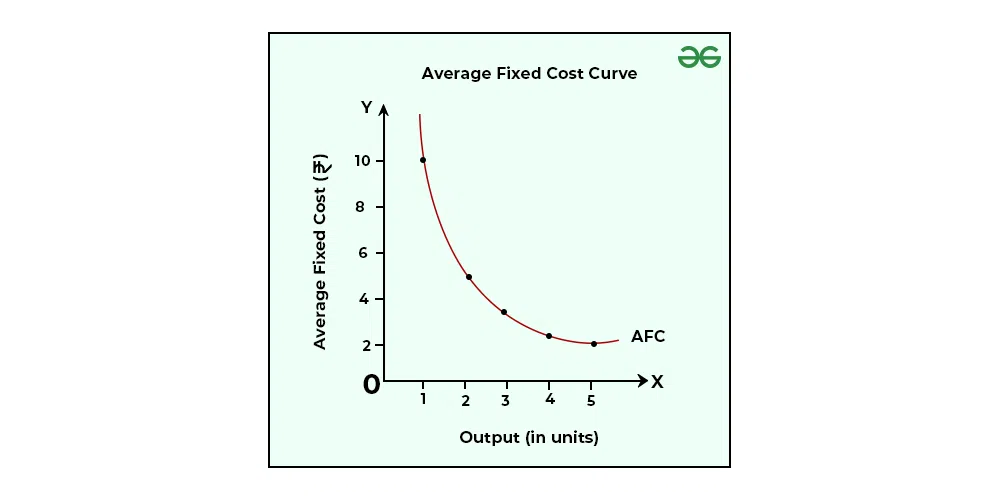
average fixed costs (AFC)

A firm's total fixed costs divided by output.

Formula: AFC = TFC/Q

  • Fixed Costs

  • Outputs


<p>A firm's total fixed costs divided by output.</p><p>Formula: AFC = TFC/Q</p><ul><li><p>Fixed Costs</p></li></ul><ul><li><p>Outputs</p></li></ul><p></p>
15
New cards

chapter 7

card #15

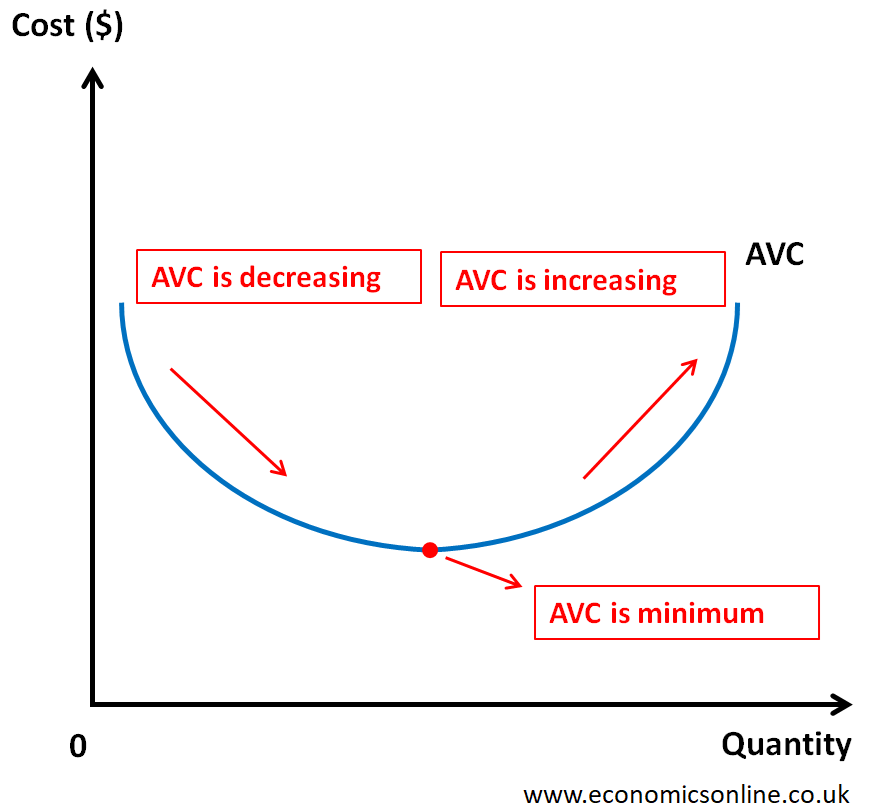
average variable cost (AVC)

A firm's total variable costs divided by output.

Formula: AVC = TVC/Q

  • Fixed Costs

  • Outputs


<p>A firm's total variable costs divided by output.</p><p>Formula: AVC = TVC/Q</p><ul><li><p>Fixed Costs</p></li></ul><ul><li><p>Outputs</p></li></ul><p></p>
16
New cards

chapter 7

card #16

average total cost (ATC)

A firms total variable cost divided by output.

Formula: AVC = TVC/Q

  • Average Fixed Costs

  • Variable Costs


<p>A firms total variable cost divided by output.</p><p>Formula: AVC = TVC/Q</p><ul><li><p>Average Fixed Costs</p></li></ul><ul><li><p>Variable Costs</p></li></ul><p></p>
17
New cards

chapter 7

card #17

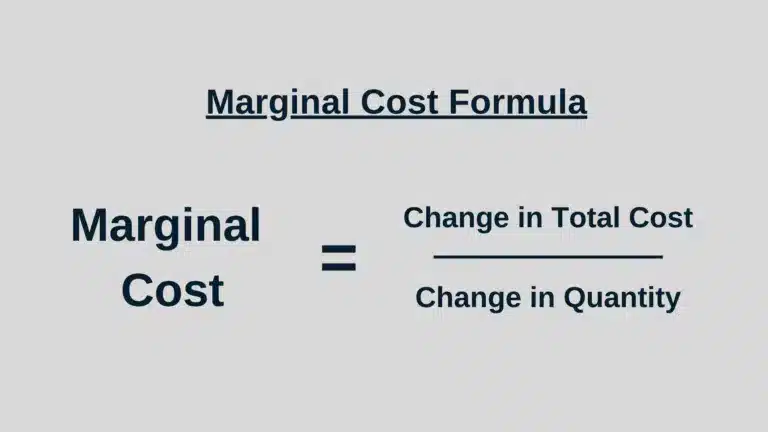
marginal cost (MC)

A firms total costs divided by quantity of output.

Formula: ATC = TC/Q = TFC/Q + TVC/Q = AFC + AVC

  • Average Fixed Costs

  • Average Variable Costs


<p>A firms total costs divided by quantity of output.</p><p>Formula: ATC = TC/Q = TFC/Q + TVC/Q = AFC + AVC</p><ul><li><p>Average Fixed Costs</p></li></ul><ul><li><p>Average Variable Costs</p></li></ul><p></p>
18
New cards

chapter 7

card #18

economies of scale

The situation when a firm's average total cost of producing a product decreases in the long run as the firm increases the size of its plant (and, hence, its output).

  • Law of Diminishing Returns

  • Total Cost


<p>The situation when a firm's average total cost of producing a product decreases in the long run as the firm increases the size of its plant (and, hence, its output).</p><ul><li><p>Law of Diminishing Returns</p></li></ul><ul><li><p>Total Cost</p></li></ul><p></p>
19
New cards

chapter 7

card #19

constant returns to scale

The situation in which a firm's long-run average costs remain unchanged as it increases output.

  • Long Run

  • Economies of Scale


<p>The situation in which a firm's long-run average costs remain unchanged as it increases output.</p><ul><li><p>Long Run</p></li></ul><ul><li><p>Economies of Scale</p></li></ul><p></p>
20
New cards

chapter 7

card #20

diseconomes of scale

The situation in which a firm's long-run average costs rise as the firm increases output.

  • Long Run

  • Total Cost


<p>The situation in which a firm's long-run average costs rise as the firm increases output.</p><ul><li><p>Long Run</p></li></ul><ul><li><p>Total Cost</p></li></ul><p></p>
21
New cards

chapter 7

card #21

minimum efficient scale (MES)

The lowest level of output at which a firm can minimize long-run average costs.

  • Long Run

  • Economies of Scale, Diseconomies of Scale, Constant Returns to Scale


<p>The lowest level of output at which a firm can minimize long-run average costs.</p><ul><li><p>Long Run</p></li></ul><ul><li><p>Economies of Scale, Diseconomies of Scale, Constant Returns to Scale</p></li></ul><p></p>
22
New cards

chapter 7

card #22

natural monopoly

An industry in which economies of scale are so great that a single firm can produce the product at a lower average total cost than would be possible if more than one firm produced the product.

  • Economies of Scale

  • Markets (Producers-Firms)


<p>An industry in which economies of scale are so great that a single firm can produce the product at a lower average total cost than would be possible if more than one firm produced the product.</p><ul><li><p>Economies of Scale</p></li></ul><ul><li><p>Markets (Producers-Firms)</p></li></ul><p></p>