HUMA 204 Exam 2 (H-T)
 Call Kai
 Learn
 Practice Test
 Spaced Repetition
 Match
 Flashcards
 Knowt Play
1/66

There's no tags or description
Looks like no tags are added yet.
67 Terms

Ghiberti, Gates of Paradise, 1425-1452 (15th Century)

Brunelleschi, Dome of Florence Cathedral, 1436 (15th Century)

Donatello, Lo Zuccone, 1423-1425 (15th Century)

Donatello, David, 1430-1432 (15th Century)
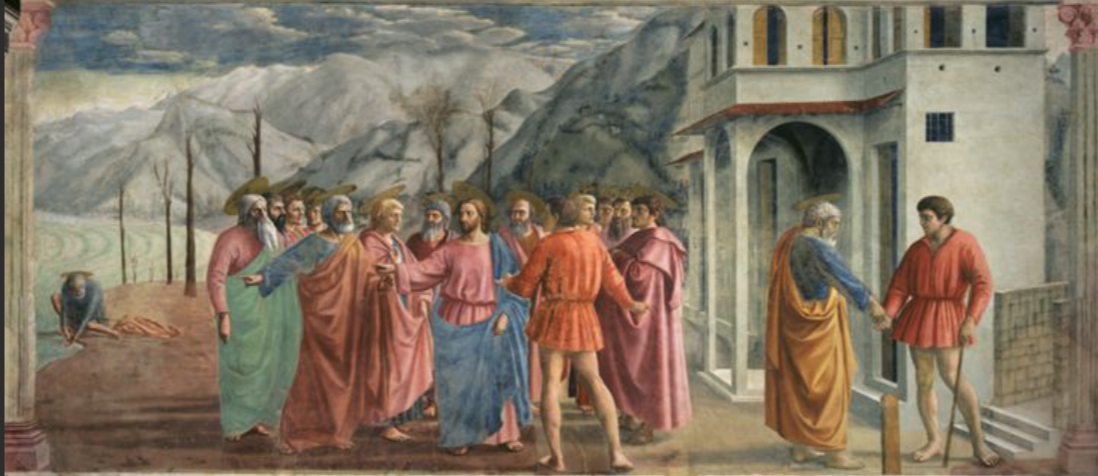
Masaccio, The Tribute Money, 1425 (15th Century)

Botticelli, Primavera, 1478 (15th Century)

da Vinci, Last Supper, 1295-1498 (15th Century)

da Vinci, Mona Lisa, 1503-1506 (16th Century)

Michelangelo, David, 1501-1504 (16th Century)

Michelangelo, Creation of Adam, 1508-1512 (16th Century)

Michelangelo, Moses, 1513-1515 (16th Century)

Raphael, Portrait of Pope Julius II, 1511 (16th Century)

Raphael, School of Athens, 1510-1512 (16th Century)

van Eyck, The Annunciation, 1434 (15th Century)

van Eyck, The Arnolfini Portrait, 1437 (15th Century)

van der Weyden, Seven Sacraments Altarpiece, 1445-1450 (15th Century)

Memling, The Last Judgment Triptych, 1467-1473 (15th Century)

Josquin, Ave Maria, Virgo Serena, 1502 (16th Century)
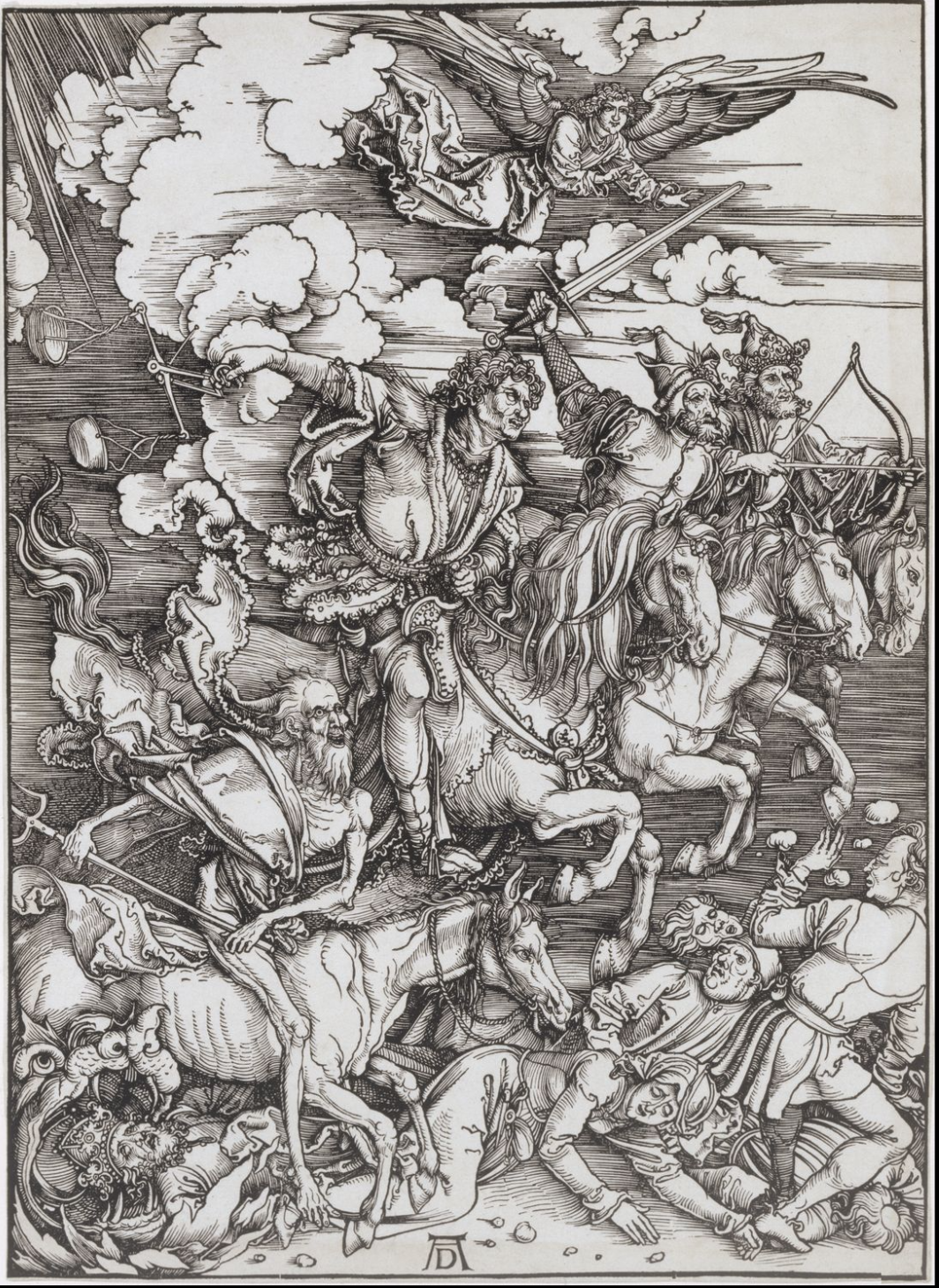
Dürer, The Four Horsemen of the Apocalypse, 1498 (15th Century)

Dürer, Knight, Death and Devil, 1513 (16th Century)
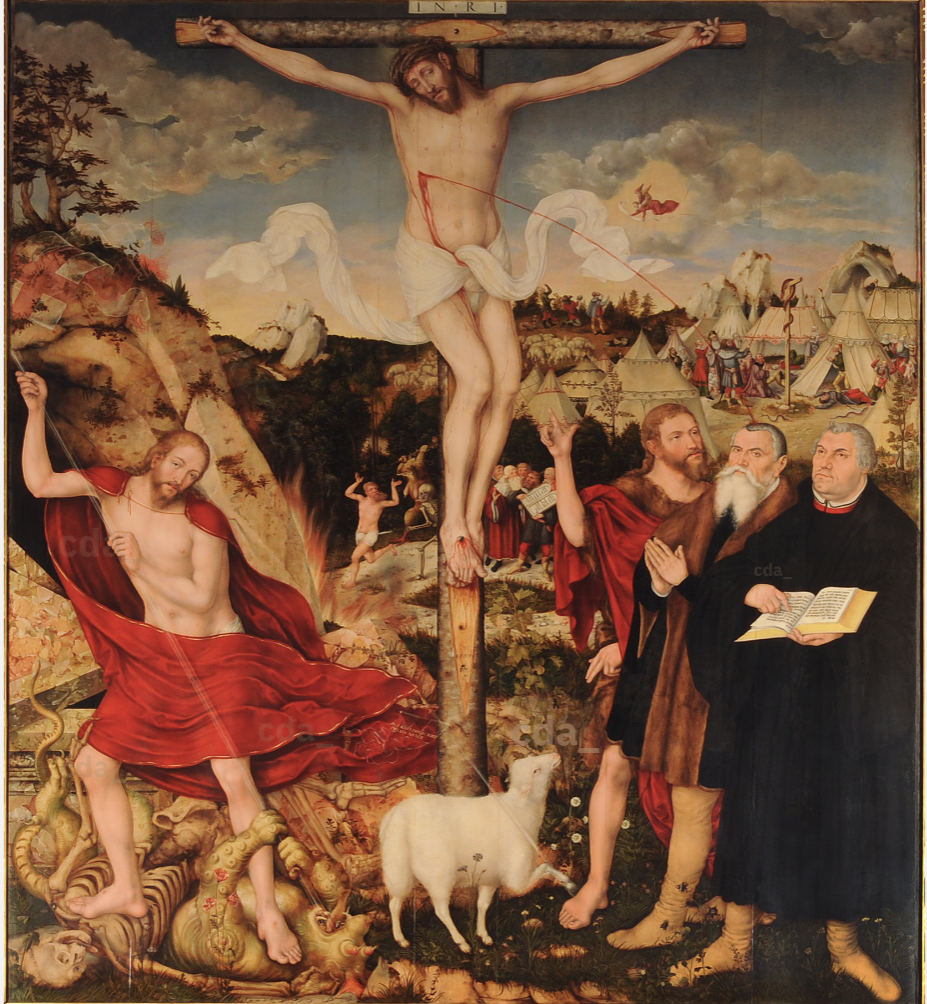
Cranach, Central Panel from the Triptych of the Weimar Altarpiece, 1555 (16th C)
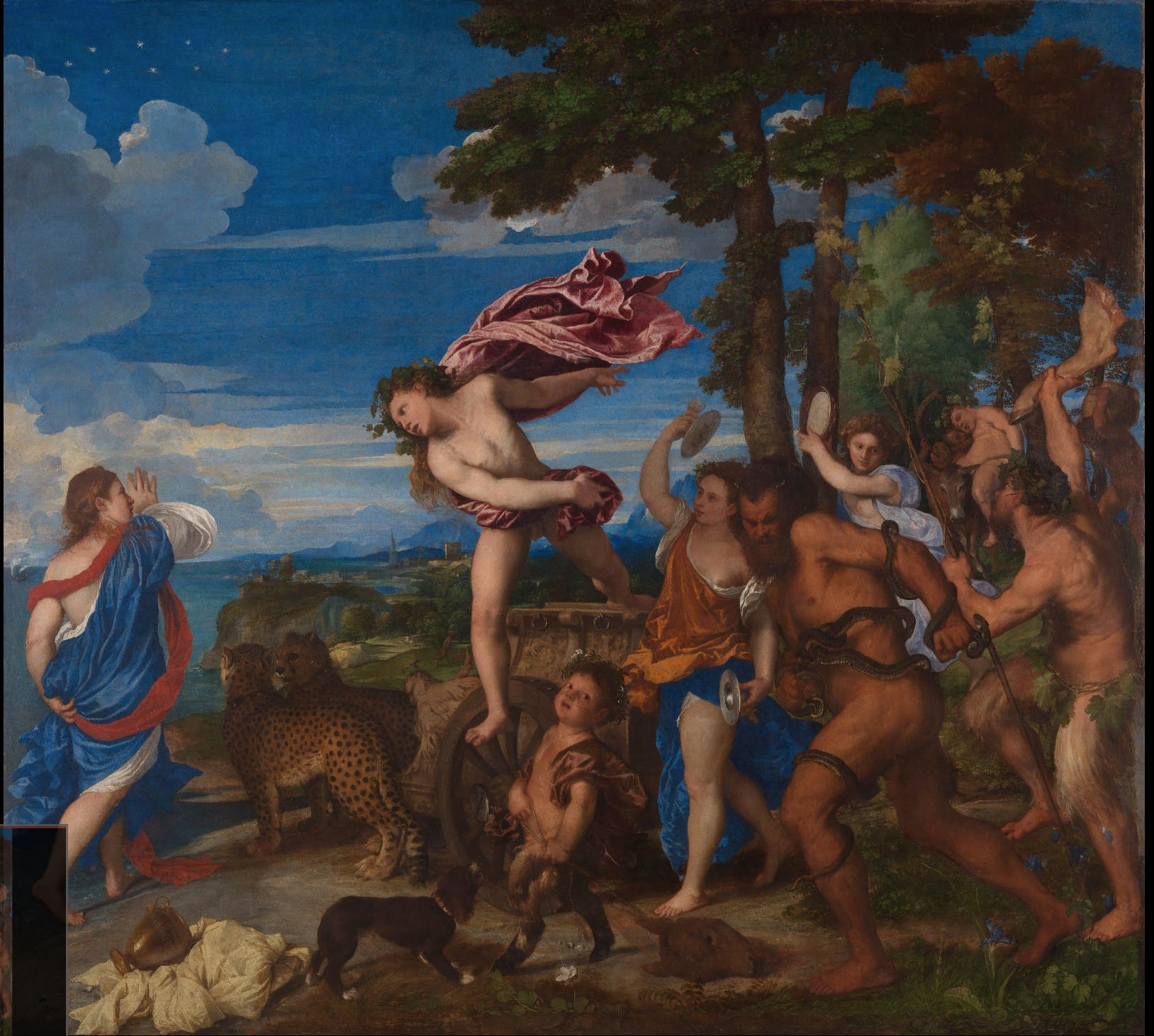
Titian, Bacchus and Ariadne, 1520-1523 (16th Century)

Weelkes, As Vesta Was From Latmos Hill Descending, 1601 (17th Century)

Caravaggio, Judith Beheading Holofernes, 1597-1598 (16th Century)
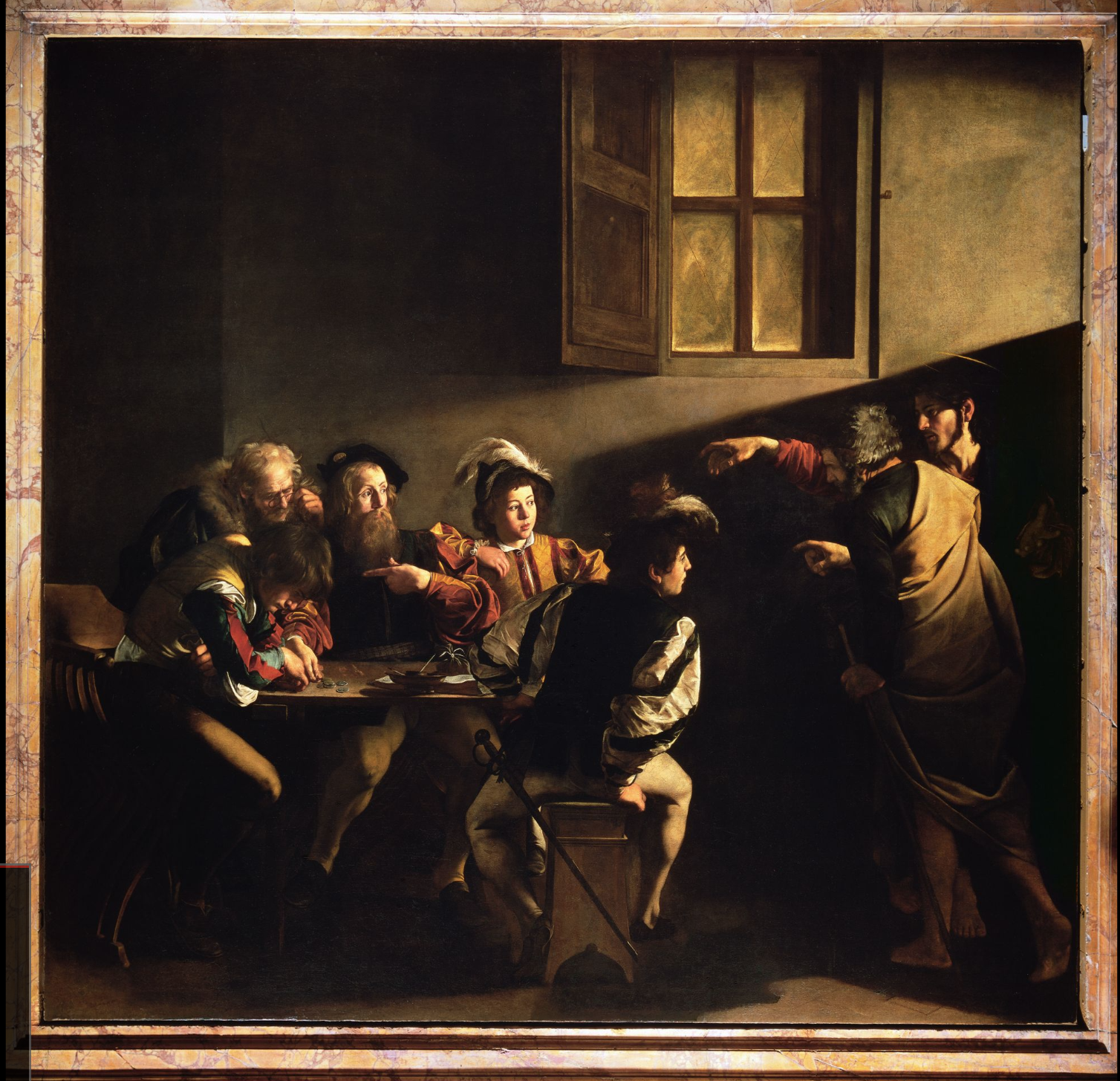
Caravaggio, Calling of St. Matthew, 1599-1600 (16/17 Century)

Bernini, Apollo and Daphne, 1622-1624 (17th Century)

Rubens, Raising of the Cross, 1638 (17th Century)

Hals, The Merry Drinker, 1628 (17th Century)

Rembrandt, The Night Watch, 1642 (17th Century)

Vermeer, The Kitchen Maid, 1660 (17th Century)

van Ostade, Peasants in an Interior, 1661 (17th Century)

Antonio Vivaldi, The Four Seasons: Spring, 1725 (18th Century
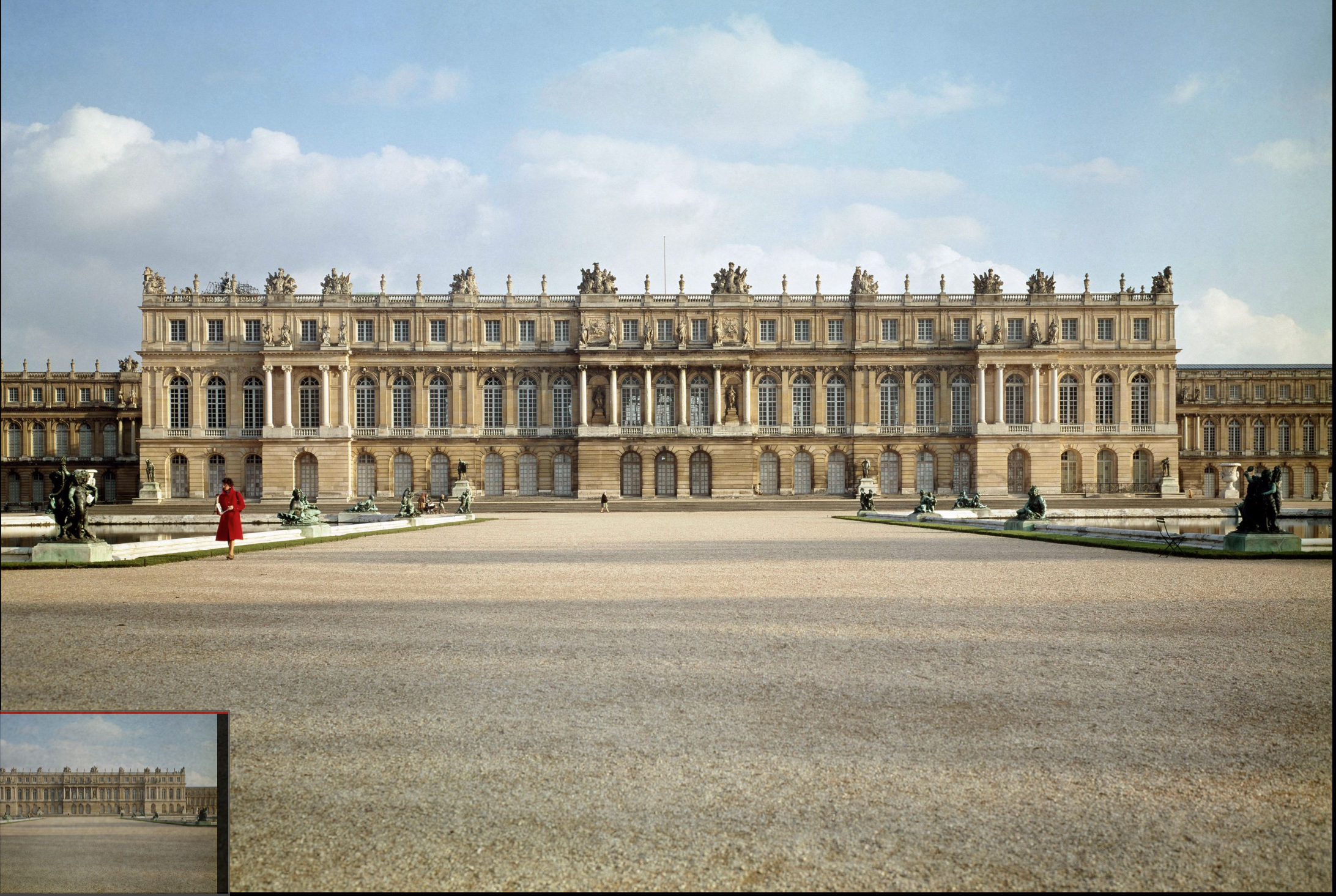
Hardouin-Mansart, Palace of Versailles, 1668-1685 (17th Century)
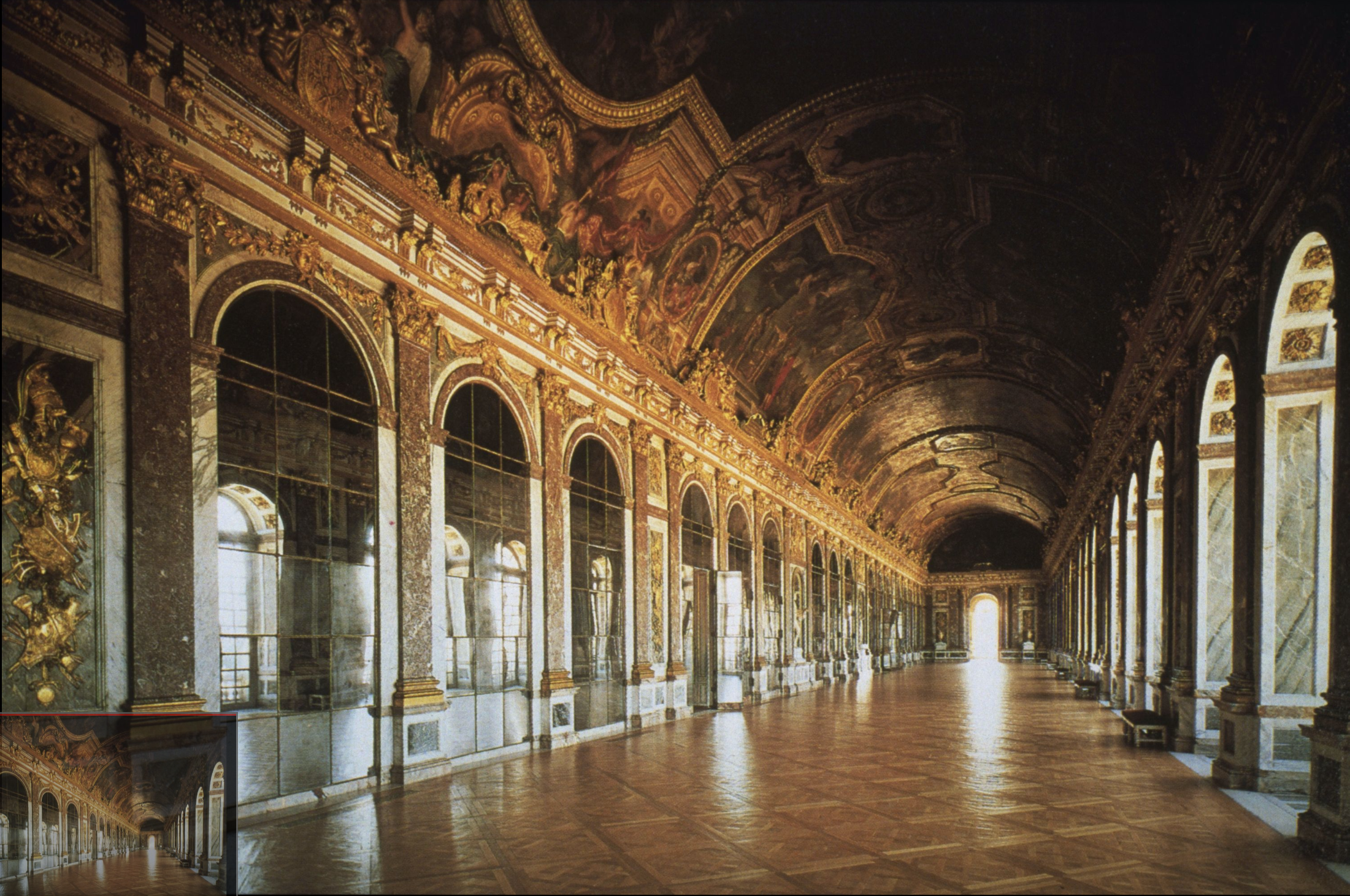
Hardouin-Mansart, Palace of Versailles: Hall of Mirrors, 1678-1681 (17th Century)

Watteau, The Pleasures of the Ball, 1717 (18th Century)

Fragonard, The Swing, 1767 (18th Century)
very wealthy, bank family, gave all the money for the art work to get done
The Medici Family
The art of depicting solid objects on a two-dimensional or shallow surface so as to give the right impression of their height, width, depth, and position in relation to each other.
Perspective
Technique of representing graphically, by means of lines, an object as it appears to the eye, suggesting three dimensions.
Linear Perspective
Vitruvius, the architect, says in his architectural work that the measurements of man are in nature distributed in this manner, that it is 4 fingers make a palm, 4 palms make a foot, 6 palms make a cubit, 4 cubits make a man, 4 cubits make a footstep, 24 palms make a man and these measures are in his buildings
Vitruvian Man
A term used to describe the subtle blending of colors and tones to such an extent that they seem subtly to melt into one another
Sfumato
The illusion of distance in landscape painting achieved by making objects paler and bluer the further they are from the viewer
Aerial Perspective
The opposition of light and dark in painting and drawing
Chiaroscuro
Created by the reactions of the human eye to certain properties possessed by an object when it reflects or emits light
Color
The perceived physical appearance of the surface of an artwork
Texture
What it would actually feel like
Actual texture
What the artist implies is there
implied texture
Repetition of the melodic contour of one part by another “echoing”
Imitation
An image or design impressed or stamped on a support such as paper or fabric that can be reproduced in multiples
The artist draws the design and then carves it out of\n the wood. The block is then inked and printed from, either using a printing press or hand pressure
Woodcut
A printmaking technique in which the design is carved into a copper plate. Ink forced into the resulting grooves and then pressed onto paper
Engraving
A picture consisting of three parts, usually a central panel flanked by wings (or shutters) which could be closed both for the protection of the central image and the limitation of when it can be viewed
Triptychs
A secular, polyphonic, unaccompanied song that became popular during the Renaissance
Madrigal
compositional device in which the music reflects the meaning of the text, a common feature of madrigals
text painting
A form of chiaroscuro characterized by extreme contrasts between light and darkness
Tenebrism
The area between, around, above, below, or within objects
Space
The shapes or forms of interest
Positive Space
The empty space between the shapes or forms
Negative Space
A musical work that features a soloist performing in dialogue with an orchestra. Typically in three movements: Fast, Slow, Fast
Concerto
Music that is narrative or descriptive, or that attempts to represent extra-musical concepts without words
Program Music
Baroque from standardized by Vivaldi that features an alternation of the “ritornello” and various “episodes”
Ritornello Form
The distinctive musical material played by the full orchestra that returns throughout the movement. Can vary slightly, including tonality (major or minor)
Ritornello
The musical material played by the soloist in between each ritornello. Can be quite different each time
Episode.
Musical composition in which a particular number of voices enter successively in imitation of each other, each stating the “subject”
Fugue
The melodic phrase stated by the first voice from the beginning until the entry of the second voice
subject
the lightness or darkness of a color. Used to show three-dimensionality, creates depth, accurately represents shadows and light
Value
Depicted lighthearted scenes of interest to the aristocracy, including romantic encounters set in nature. Characterized by pastel colors, curved lines, and ornate decorations
Rococo