ART 303 - Mesoamerican Art History - MIDTERM (Art ID)
 Call Kai
 Learn
 Practice Test
 Spaced Repetition
 Match
 Flashcards
 Knowt Play
1/18

There's no tags or description
Looks like no tags are added yet.
19 Terms

Votive Adze
Formative Period, circa B.C. 1200-500
This large jade sculpture is in the form of an axe or adze, though it was most certainly used for ceremonial purposes. The adze takes on the form of a were-jaguar, or were-jaguar baby, characterize snarling mouth with fangs and feline nose. Were-j
Discovery Site: Mexico and Central America
Medium: Stone
Repository: American Museum of Natural History, New York, New York,Donor: Kunz, George F.,
Wrestler(ball player)
Culture: Olmec
Image View Description: figure from Minatitlan, Veracruz
Date: ca. 12th-6th century B.C.E.
Location: Museo Nacional de Antropologia, Mexico City
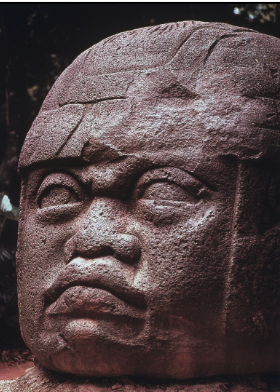
Colossal Head #1 from La Venta
1000-800B.C
Culture: Olmec
Medium: basalt

Seated Figure
12th–9th century BCE
Culture: Olmec
Work Type: Ceramics-Sculpture
Location: Mexico, Mesoamerica
Medium: Ceramic, pigment

Las Limas Figure, Monument I
c.800 B.C
Culture: Olmec
Medium: greenstone

Ceremonial Ballgame Yoke
Creator: Classic Veracruz
Work Type: Ceremonial Objects
Style/Period: Late Classic
Date: A.D. 600-900
Medium: Granite with traces of red pigment
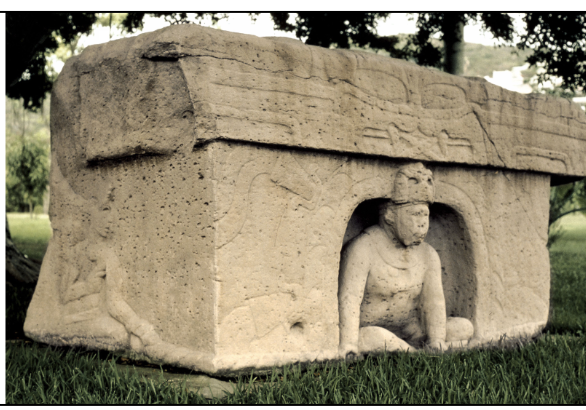
Altar #4 at La Venta
Work Type: Sculpture
Date: Classic Period; circa 200 CE
Description: Temple platform of god Tlaloc (?)
Location: Mexico; Teotihuaca
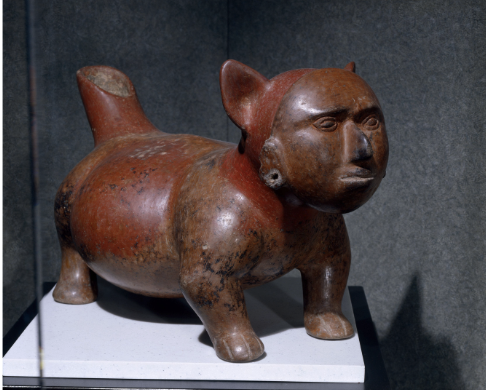
Dog with mask
Work Type: sculpture
Style/Period: Pre-Columbian
Date: 300 BCE - 300 CE
Description: proto classic, from Colima
Medium: terracotta

Ceremonial ball game
Culture: Nayarit, Pre-Columbian
Subjects: Pre-Columbian,Sculpture Nayarit Special
Societal Groups

Mask
Culture: Teotihuacan
Work Type: mask
Date: ca. 450
Medium: stone, turquoise, and shell

North Acropolis - Arial View
Location: TIKAL, Guatemala

Young Maize God
715 C.E.
Culture: Maya
Site: Copan
Location: Honduras
Subject: Ceramic figural sculpture
Medium: Limestone,

Palace and Temple of Inscriptions
Location: PALENQUE, Mexico

Metropolican Vase: cylindrical vessel
Pre-Columbian
Iconography--Maya
Painting--Maya
Rollouts--Maya
Vessels--Maya

Pyramid of the Sun: general view taken from the Pyramid of the Moon
c.100
Pre-Columbian
Pyramids (tombs)
Teotihuacan

Pyramid of Quetzacoatl
Culture: Pre-Columbian
Location: Teotihuacan
Work Type: Sculpture
Date: Classic Period; Circa 200 CE
Description: Staircase; decorated façade; left: serpent heads surrounded by petals, image of god Tlaloc

Tepantitla, Portico 11, Tetila, Great Godess,
650-750
Teotihuacan
Medium: fresco mural painting
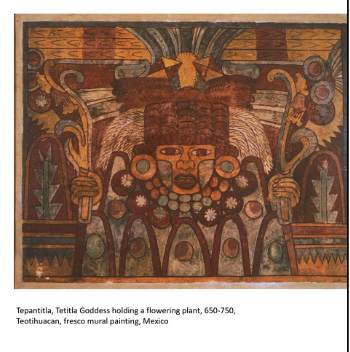
Great Goddess holding a flowering plant
650-750
Teotihuacan
Medium: fresco mural painting

Basin
Date: 400-750
Culture: North American; Central American; Mesoamerican; Teotihuacán
Work Type: Decorative Arts and Utilitarian Objects,Ceramic
Style/Period: Mexico, Teotihuacan
Medium: earthenware with fresco
This is one of the largest and most beautiful fresco-decorated vessels surviving from Teotihuacan. The vessel was constructed of clay and allowed to partially dry before the interior and underside were burnished. The exterior walls were left unpolished to