Integumentary System
 Call Kai
 Learn
Learn Practice Test
 Spaced Repetition
 Match
Match Flashcards
 Knowt Play
1/36

There's no tags or description
Looks like no tags are added yet.
Name | Mastery | Learn | Test | Matching | Spaced | Call with Kai | Chat |
|---|
No analytics yet
Send a link to your students to track their progress
37 Terms
integumentary system characteristics
largest organ we have, includes skin, hair, glands, nails, and subcutaneous tissue
integumentary system functions
protection (regulates barrier between internal and external environment, protects against UV, bacteria, and fluid loss), sensation, temperature regulation, vitamin D production, excretion
epidermis
outermost layer, made up of epithelial tissue that is avascular and innervated
dermis
fibrous connective tissue that is vascular, used for protection and structural strength, sits above subcutaneous tissue

hypodermis/subcutaneous tissue
made up of loose, adipose tissue, protective
cell types in epidermis
keratinocytes, melanocytes, epidermal dendritic cells (Langerhan’s), Merkel/tactile cells
keratinocytes
cell that produces keratin, primary cell of epidermis
melanocytes
produce melanin that gives us pigment, in stratum basale, transfers melanin to keratinocytes
epidermal dendritic cells/langerhans
function as macrophages for immune function, form continuous network
tactile/merkel cells
in epidermis, used for touch with sensory nerve endings
layers of epidermis
stratum basale, stratum spinosum, stratum granulosum, stratum lucid, stratum corneum

stratum basale
deepest layer made up of single layer of cuboidal or columnar cells, anchored to hemidesmosome, incredibly fast mitosis rate, gives rise to keratinocytes
stratum spinosum
second deepest layer made of weblike network of keratinocytes and formation of lamellar bodies
lamellar body
little sac of fat

stratum granulosum
3-5 cell layers thick where cells begin to flatten out and keratohyaline and lamellar bodies release lipid to reduce water loss
stratum lucidum
fourth layer that is clear and made up of flattened, dead keratinocytes; layer only occurs in thick skin
stratum corneum
final layer 20-30 cells thick filled with keratin and glycoproteins protect against abrasion and loss of water
melanocyte
produces melanin and despots it into a mnelanosome, found in basal layer, stimulated by sunlight, protects DNA from UV
laters of dermis
papillary and reticular
cells of dermis
fibroblasts, macrophages, mast cells, white blood cells
structures of dermis
nerves, blood vessels, hair follicles, lymphatic vessels, smooth muscle
papillary layer
thin, superficial layer of dermis containing blood vessels and meissner’s corpuscles with papillae that project into epidermal layer
reticular layer
layers that makes up most of dermis, made of dense irregular connective tissue and made up of collagen and elastin fibers to withstand much tensile force and recoil in all directions
cleavage layers
map of elastic and collagen fibers oriented in specific patterns
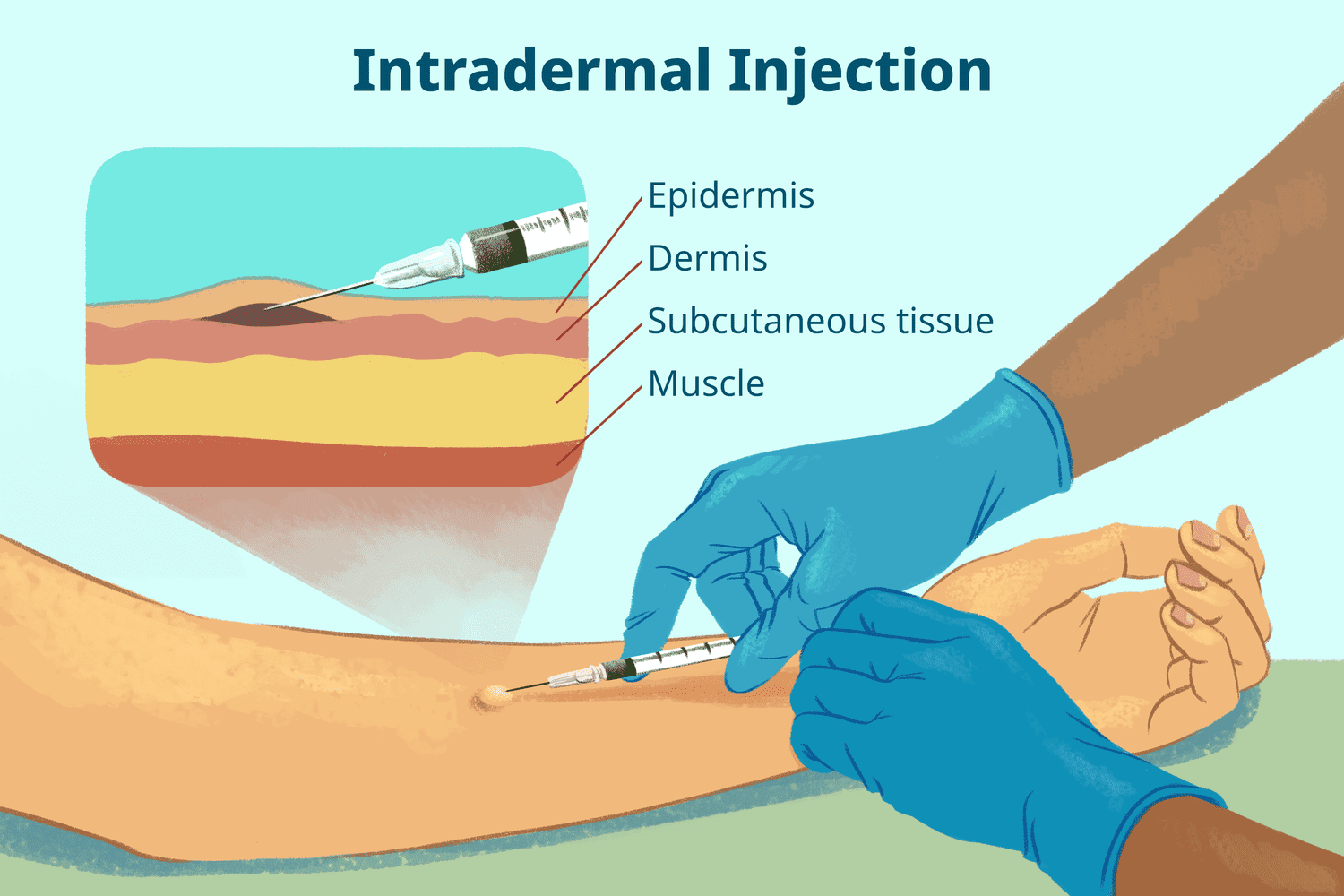
intradermal tissue
injection though epidermis
subcutaneous tissue
injection into subcutaneous layer

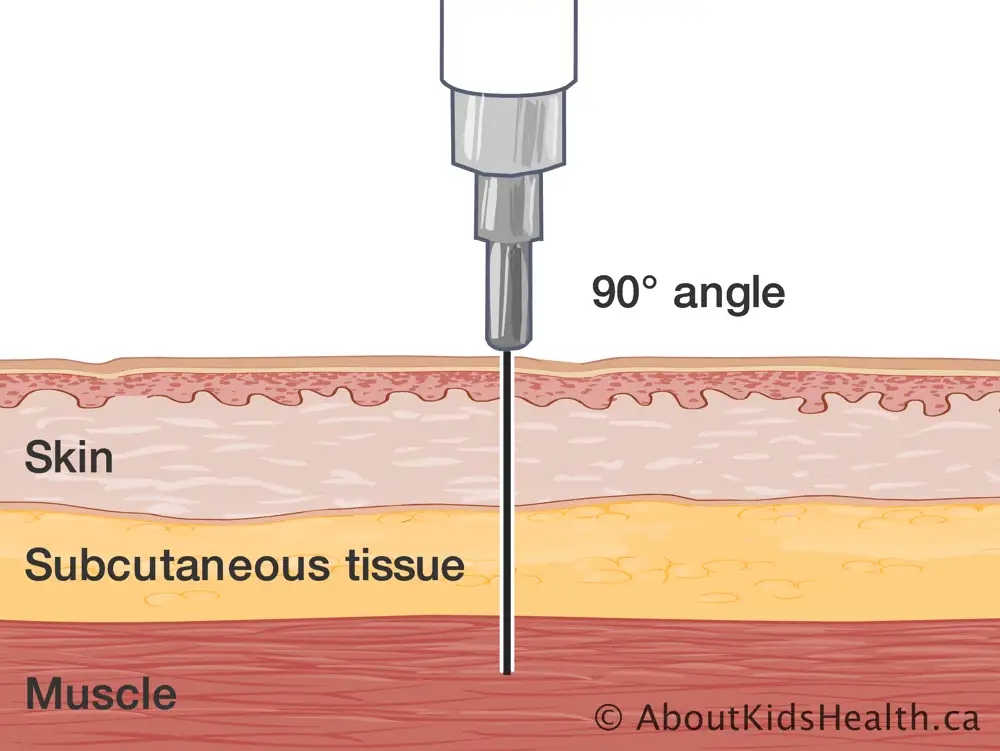
intramuscular injection
injection into muscle
lanugo hair
sheds quickly, delicate and unpigmented, found in newborns/fetuses
terminal hair
adult hair, long, coarse, pigmented on scalp, eyelids, facial, pubic
vellus hair
hair everywhere else, fine and short
hair shaft
hair that sticks out of root, above skin surface
hair root
part of hair structure below skin surface
hair papilla/dermal papilla
finger-like projection at very base of hair follicle with tiny artery and vein that supplies blood and nutrients for hair growth
glands of the skin
sebaceous gland, aprocrine sweat gland, eccrine gland
sebaceous gland
creates oil (sebum) that is secreted to moisturize and waterproof hair and skin
eccrine sweat gland
type of merocrine gland that is coiled, tubular, but penetrates to surface; found in places with not much hair (palms and feet), used for temperature regulation
apocrine sweat gland
coiled and tubular, produces sweat, has large ducts that empty into hair follicle, found in hair, genitalia, becomes active during puberty and turned on by sex hormones