Psychology - Biological Bases of Behaviour
 Call Kai
 Learn
 Practice Test
 Spaced Repetition
 Match
 Flashcards
 Knowt Play
1/147

There's no tags or description
Looks like no tags are added yet.
148 Terms

Neuron
A specialized nerve cell that receives and sends information
86 billion in the human brain

Dendrites
THE KEYBOARD
RECEIVES signals from other neurons

Cell body (soma)
Contains nucleus and keeps the neuron functioning

Axon (The Wire)
THE WIRE → AWAY
A long, slender nerve fiber extending from the cell body
Carry signals AWAY from the body

Myelin sheath
The fatty protective covering made of myelin around the axon
Axons with fastest impulses
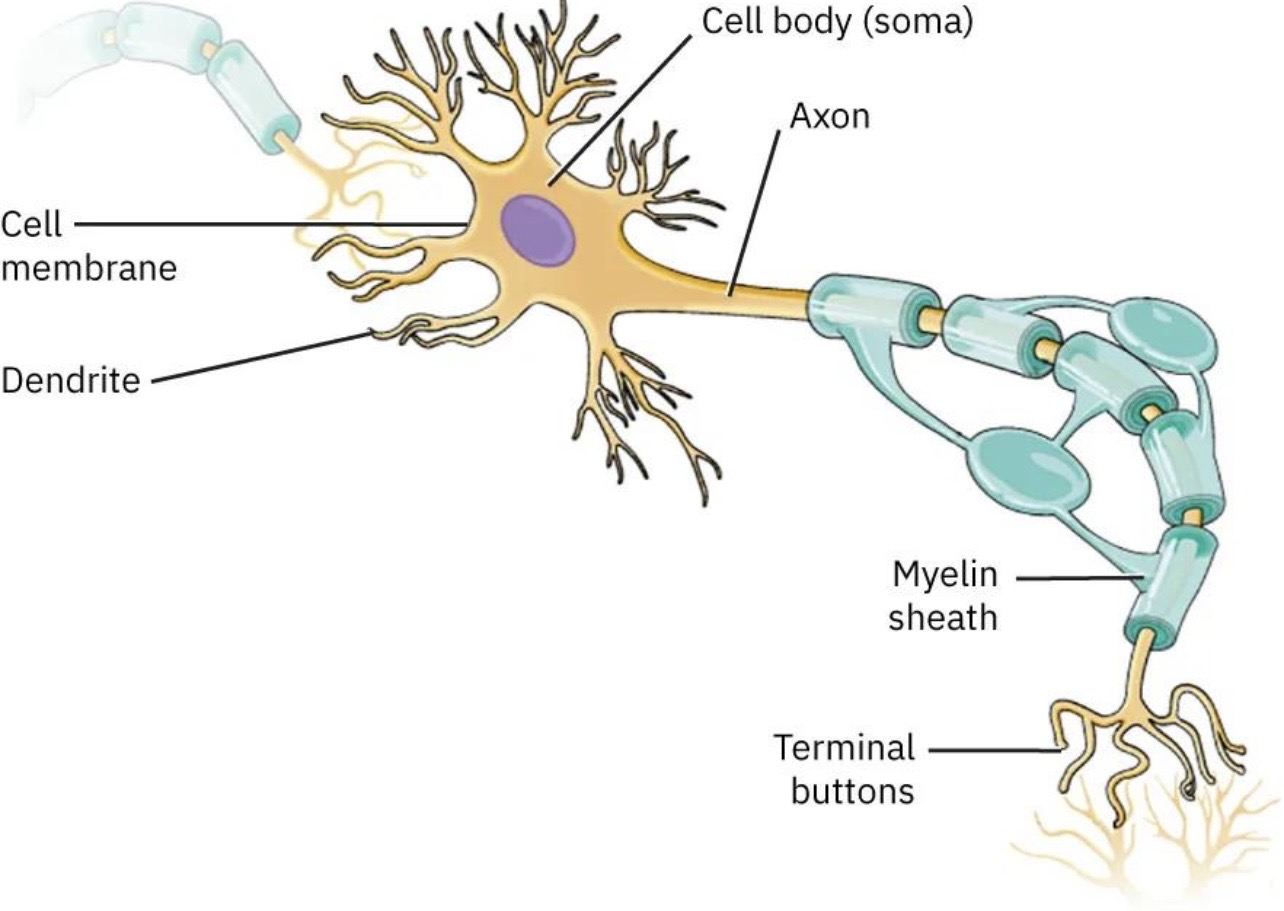
Axon terminals
The specialized, button-shaped endings at the distal tip of an axon
Release neurotransmitters into the synaptic gap.
Glial cells
A cell that supports and protects neurons
metabolic nourishment, myelin insulation, and clearance of cellular debris.
1:1 with neurons
Resting potential
Neuron is at Rest.
Measuring around −70mV.
Threshold
The voltage a neuron must reach to fire an action potential.
Impulse typically around −55mV.
Action potential
An electrical impulse that travels down the axon
All-or-none law
A neuron fires a full action potential or none at all, once threshold is reached
Refractory period
The short period after firing when a neuron cannot fire normally again
Absolute refractory period
The neuron cannot fire another action potential

Synapse
The tiny gap where neurons communicate
100 trillion in the human brain
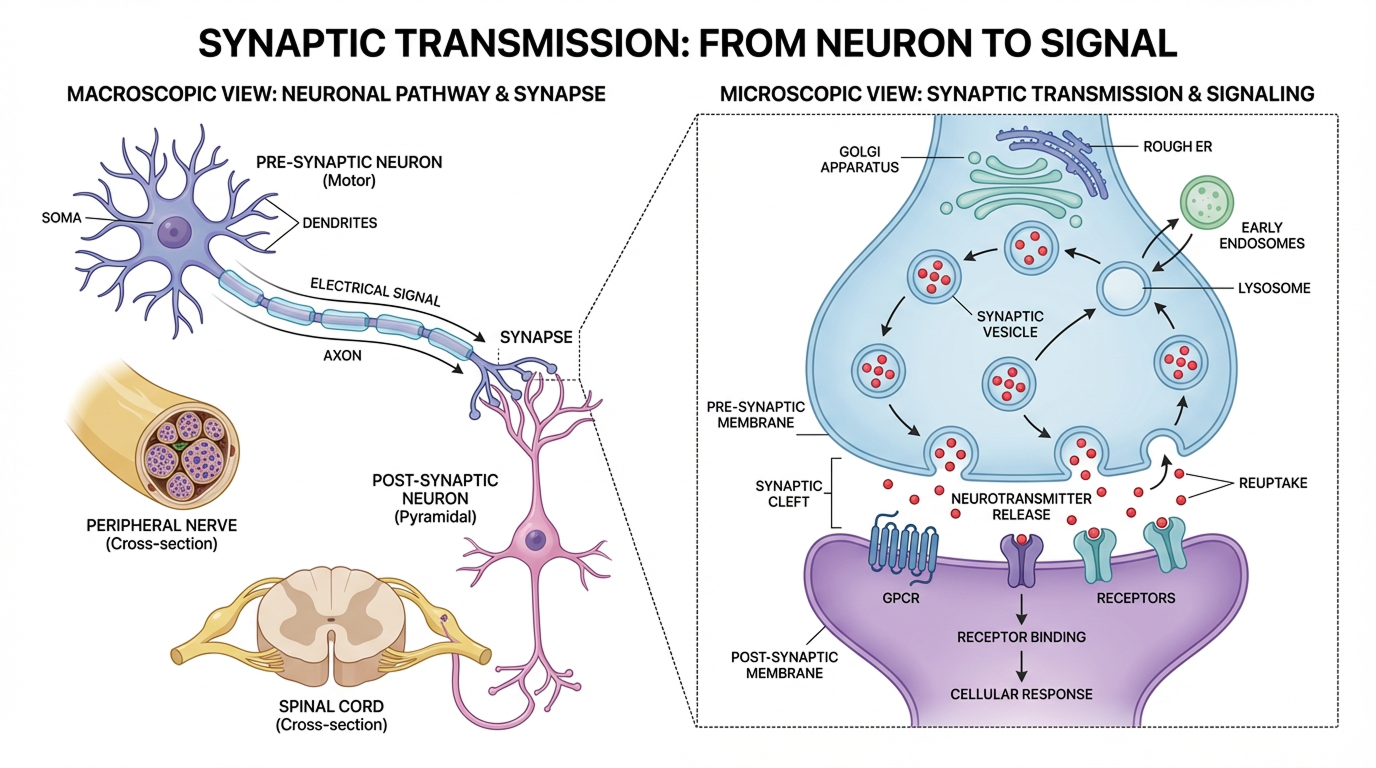
Presynaptic neuron
The nerve cell positioned upstream from a junction that initiates and transmits chemical signals into the cleft.
Postsynaptic neuron
The receiving cell positioned downstream from a junction whose surface receptors bind released chemical messengers.

Neurotransmitters
Chemical messengers that transmit signals between cells

Synaptic vesicles
Where neurotransmitters are stored

Receptors
Specialized transmembrane protein complexes located on receiving cells that selectively bind specific signaling molecules to trigger a downstream response.

Lock-and-key principle
The structural specificity concept describing how a signaling molecule binds selectively only to receptor sites possessing a complementary geometric shape.
Excitatory postsynaptic potential (EPSP)
A graded, local depolarization of the postsynaptic membrane that shifts the electrical potential closer to threshold, increasing the probability of firing.
Inhibitory postsynaptic potential (IPSP)
A graded, local hyperpolarization of the postsynaptic membrane that shifts the electrical potential farther from threshold, reducing the probability of firing.

Reuptake
The sending neuron reabsorbs released neurotransmitters from the synapse

Neurotransmitter degradation
The rapid enzymatic inactivation and breakdown of chemical messengers within the synaptic cleft.
Autoreceptor
A receptor on the sending neuron that detects its own neurotransmitter and helps regulate further release

Agonist
A chemical or drug that binds to a receptor site and activates it, mimicking or amplifying the action of an endogenous signaling molecule.


Antagonist
A chemical or drug that binds to a receptor site without activating it, effectively blocking or dampening the action of endogenous signaling molecules.

Local anesthetics (-caine)
Pharmacological agents that reversibly block voltage-gated sodium channels, preventing the initiation and conduction of sensory impulses.
Channelopathy
A clinical disease or pathological condition arising from structural or functional abnormalities in ion channel proteins.
Acetylcholine (ACh)
Twitches and spasms
TRIGGERS skeletal muscle contraction
Dopamine
A monoamine messenger involved in movement, reinforcement learning, reward processing, and motivation.
Serotonin
modulates MOOD, emotional stability, sleep-wake cycles, and APPETITE, and is directly influenced by hallucinogens.
Norepinephrine
A monoamine that helps regulate ALERTNESS, attention and arrousal

GABA (gamma-aminobutyric acid)
“The brains brakes”
MAIN inhibitory neurotransmitter
Slows down brain activity
Reduced = increased anxiety
Glutamate
The primary excitatory chemical messenger of the central nervous system, critical for long-term potentiation, synaptic plasticity, and learning.
Glycine
An amino acid that acts as a primary inhibitory chemical messenger within the brainstem and spinal cord.
Endorphins
Endogenous opioid peptides that bind to opioid receptors to blunt pain perception and induce sensations of pleasure.
Alcohol and GABA
Enhances inhibitory tone by binding as an allosteric modulator on GABAA receptor complexes, thereby depressing central nervous system excitability.
Valium (Diazepam)
A prescription benzodiazepine medication that acts as an allosteric enhancer of inhibitory GABAA receptor activity to produce anxiolytic and sedative effects.
Opioids
A class of analgesics that bind to selective receptor sites to mimic endogenous endorphins, producing pain relief and euphoria.
Naloxone (Narcan)
A rapid-acting competitive antagonist that binds opioid receptors with high affinity to displace narcotics and reverse life-threatening respiratory depression.
Stimulants
A broad pharmacological class of psychoactive agents that elevate central nervous system activity, alertness, cardiovascular output, and monoaminergic signaling.
Caffeine
A widely consumed psychoactive stimulant that promotes wakefulness and alertness primarily by competitively blocking adenosine receptors.
Nicotine
A potent psychoactive stimulant found in tobacco that acts as a direct agonist at ionotropic nicotinic acetylcholine receptors.
Cocaine
A powerful stimulant drug that amplifies synaptic monoamine transmission primarily by blocking dopamine transporter reuptake mechanisms.
Amphetamines
Sympathomimetic stimulant compounds that stimulate reverse transport and inhibit reuptake, markedly elevating synaptic dopamine and norepinephrine.
Methylphenidate (Ritalin) and lisdexamfetamine (Vyvanse)
Prescription stimulant formulations commonly used for ADHD that increase cognitive focus primarily by inhibiting the reuptake of dopamine and norepinephrine.
Methamphetamine
A potent synthetic stimulant that both massively stimulates reverse-transport dopamine release and impedes its reuptake, resulting in prolonged neurochemical surges.
Hallucinogens
A diverse category of psychoactive compounds (e.g., LSD, psilocybin, ketamine) that significantly alter sensory processing, subjective perception, and thought patterns.
Neuromodulators
Chemical substances that diffuse across neural populations without directly transmitting fast signals, instead modulating baseline excitability and circuit sensitivity.
Endocannabinoids
Naturally produced lipid-based retrograde messengers synthesized on demand by the body to regulate synaptic transmission.
Anandamide
A prominent endogenous cannabinoid neurotransmitter named from the Sanskrit word for bliss that participates in mood, appetite, and nociceptive regulation.
CB1 receptors
Mainly in the CNS/brain
Involved in effects on memory, mood and movement
CB2 receptors
Mainly associated with immune cells and peripheral tissues
Involved in immune responses and inflammation
THC (Tetrahydrocannabinol)
The principal psychoactive component of cannabis that binds as a partial agonist to central CB1 receptors.
CBD (Cannabidiol)
A non-intoxicating constituent of cannabis that displays low direct affinity for CB1 receptors and interacts predominantly with CB2 and non-cannabinoid targets.
Placebo effect
A beneficial physical or cognitive change attributable purely to a subject's expectations, beliefs, and positive anticipation of a simulated therapeutic intervention.
Nocebo effect
When negative expectations or beliefs cause negative symptoms or effects

Central nervous system (CNS)
consisting of the brain and the spinal cord.

Peripheral nervous system (PNS)
The network of cranial and spinal nerves that lies outside the skull and spine
Connects CNS to the rest of the body

Somatic nervous system
Controls vuluntary SKELETAL MUSCLES

Autonomic nervous system
Controls automatic functions like heart rate and digestion

Sympathetic division
Fight or Flight
increases heart rate and alertness

Parasympathetic division
REST and DIGEST
Slows cardiac rate
Conserves metabolic energy
Afferent neurons (SENSORY)
Arrives → carries sensory info to the CNS
Efferent neurons (Motor)
Exits→ carries motor commands away from the CNS
Reflex
A rapid, involuntary, and stereotypic functional response to a specific sensory stimulus, typically coordinated through a localized spinal arc.

Endocrine system
Glands that produce and release hormones
An integrated communication system composed of ductless glands that secrete long-distance chemical messengers directly into the bloodstream.
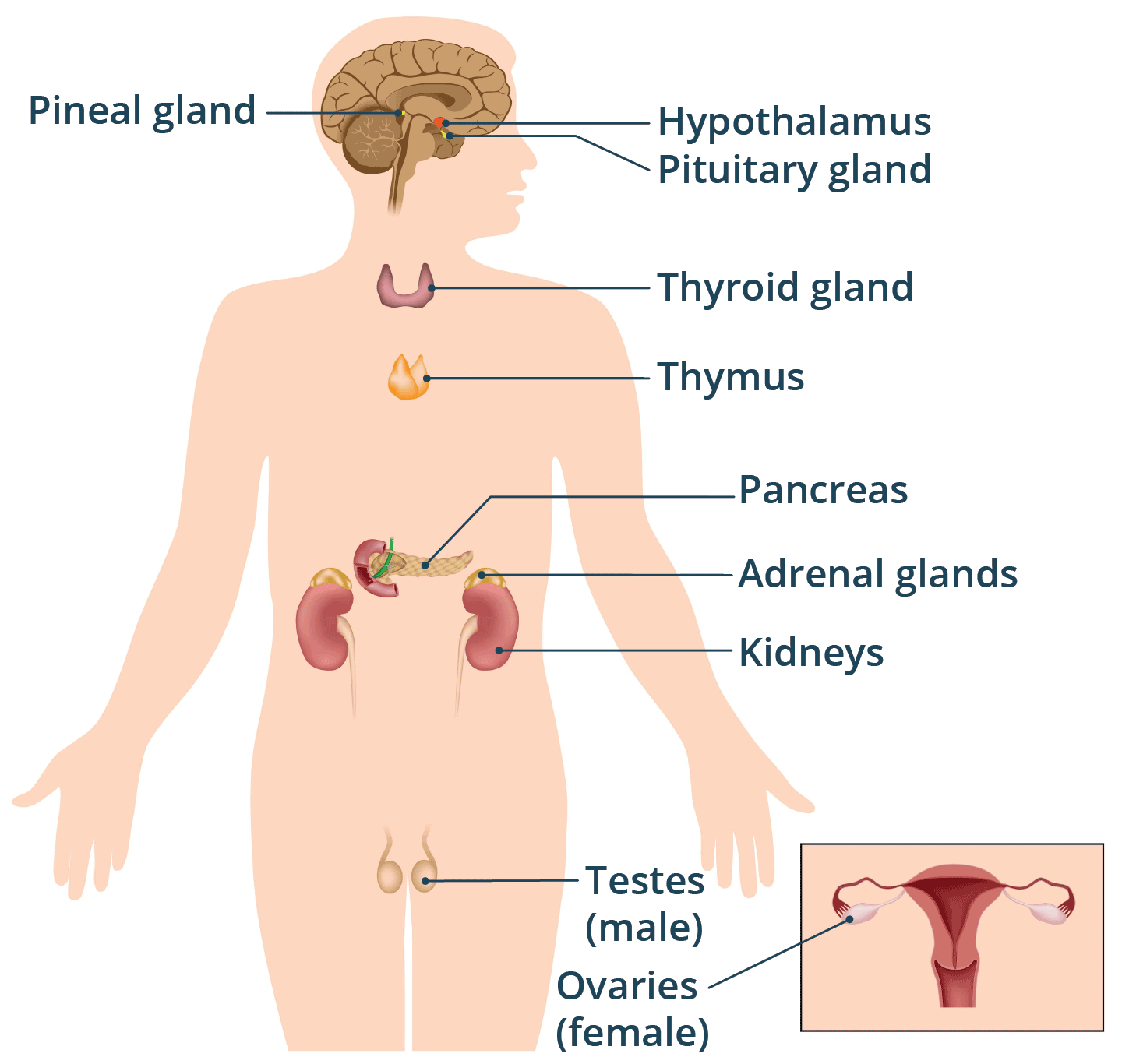
Hormones
Circulating biochemical messengers produced by endocrine glands that travel through the cardiovascular system to alter distant target tissue physiology.

Hypothalamus
SWEATING, HUNGER, thirst, BODY TEMP and maintain homeostasis
helps regulate hormone release from the PITUITARY GLAND
🍔 Hypothalamus = hunger and body balance

Pituitary gland
The 'master' endocrine gland
Releases hormones and helps control other endocrine glans
helped by the hypothalamus with hormone release

Thyroid gland
A butterfly-shaped endocrine organ in the anterior neck that secretes thyroxine to modulate the basal metabolic rate and protein synthesis.

Parathyroid glands
Small endocrine structures embedded on the posterior thyroid surface that produce hormones controlling systemic calcium and phosphate homeostasis.
Adrenal glands
Endocrine organs positioned superior to the kidneys that release corticosteroids and catecholamines (epinephrine and norepinephrine) during stress responses.

Pancreas
A dual endocrine-exocrine abdominal organ that secretes insulin and glucagon to tightly control systemic glucose concentration.

Gonads (ovaries and testes)
Primary reproductive organs that secrete sex steroids (such as estrogens, progesterone, and testosterone) to guide sexual differentiation, development, and gametogenesis.
Biological psychology
The scientific branch that investigates how biological foundations, neural circuitry, genetics, and physiological mechanisms govern behavior and mental processes.
Biopsychosocial approach
A multi-layered conceptual model explaining health, mental processes, and behavior through the reciprocal interaction of biological, psychological, and sociocultural factors.
Neuroplasticity
The capacity of the nervous system to dynamically modify its synaptic connections, structural architecture, and functional pathways in response to experience, learning, or injury.
Neurogenesis
The developmental and biological process by which new, functional neurons are generated from neural stem or progenitor cells.
Lesioning
A neuroscientific research method that deduces functional brain localization by observing behavioral or cognitive deficits following natural trauma or surgical tissue destruction.
Electroencephalography (EEG)
A non-invasive diagnostic technique
Records ELECTRICAL activity in the brain
Magnetoencephalography (MEG)
A functional mapping technique that measures minute magnetic fields generated by synchronized neuronal electrical currents with high temporal precision.
Computed tomography (CT/CAT scan)
Uses XRAY SLICES to create images of the brain structures
Positron emission tomography (PET scan)
Measures brain activity by measuring METABOLIC ACTIVITY using a radioactive tracer
Can be consumed or injected
Magnetic resonance imaging (MRI)
A non-invasive diagnostic
Detailed and High Resolution images of brain structures using magnets
Functional magnetic resonance imaging (fMRI)
Measures changes in blood oxygenation to estimate brain activity.
Electrical stimulation of the brain (ESB)
An experimental technique applying micro-currents through inserted electrodes to depolarize specific neural substrates and observe resulting motor or experiential effects.
Transcranial magnetic stimulation (TMS)
A non-invasive technique
Uses magnetic pulses to temporarily disrupt activity in a targeted brain region.

Brainstem
comprising the medulla, pons, and midbrain

Medulla
Controls breathing, heart rate and blood pressure
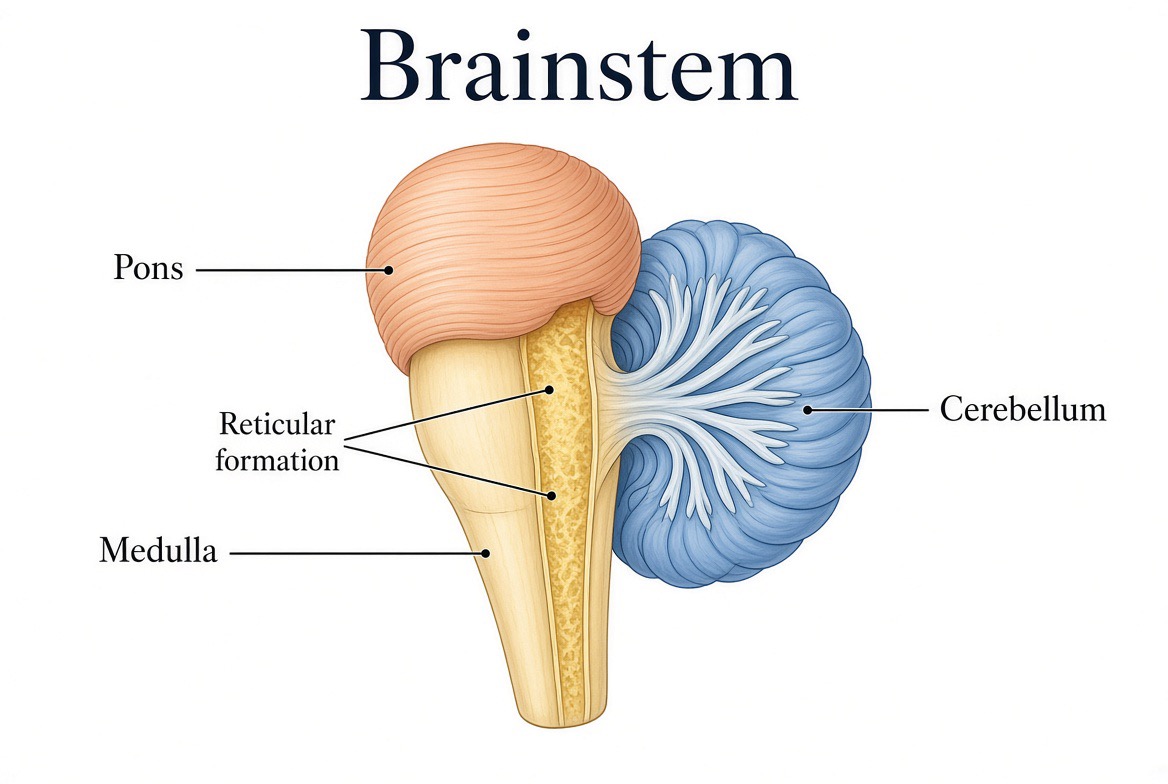
Pons
relays motor signals between the cortex and cerebellum
while participating in sleep architecture and arousal
Reticular formation
ALERTNESS and wakefulness


Cerebellum
The hindbrain structure positioned dorsal to the brainstem
Controls balance, coordination and smooth movements

Hindbrain (Rhombencephalon)
composed of the medulla, pons, and cerebellum.
BASIC survival functions
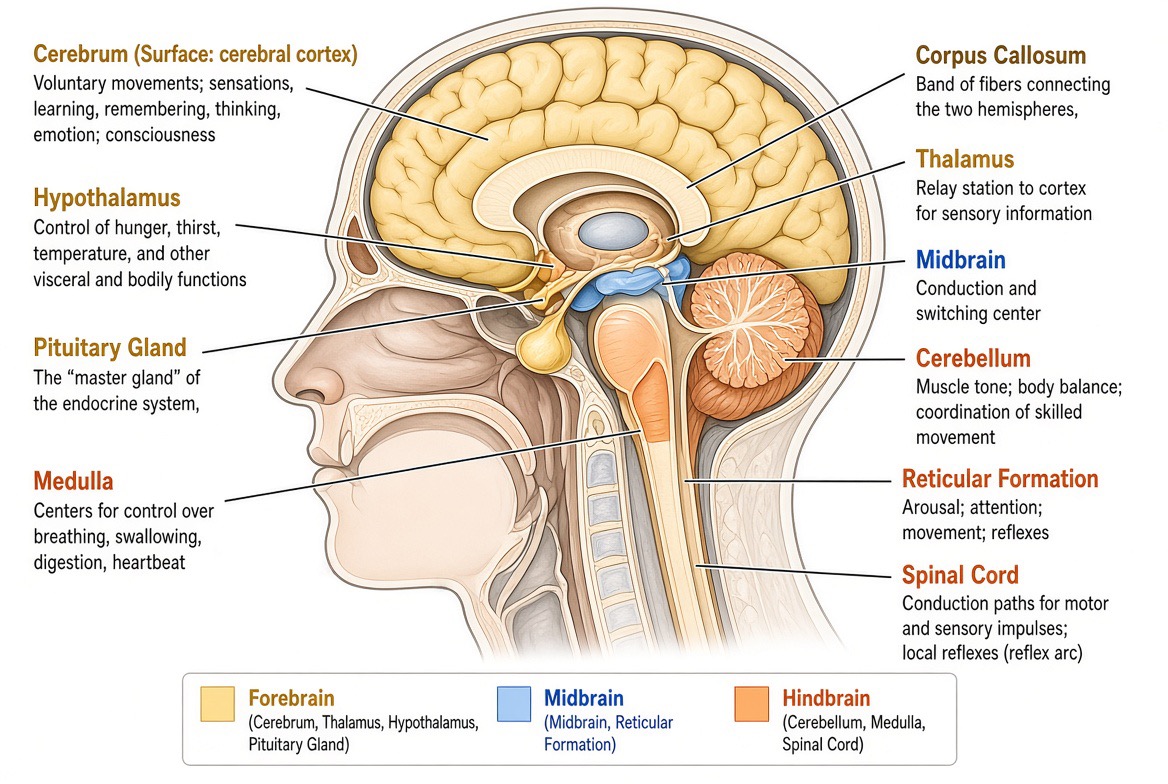
Midbrain (Mesencephalon)
Movement, Senses and Reflex


Forebrain (Prosencephalon)
The largest, most rostral division of the brain
containing thalamus, hypothalamus and cerebral cortex and limbic structures.

Thalamus
Relays most sensory information to the cerebral cortex
The brains sensory relay station

Limbic system
Pleasure, Emotions, motivation and memory
KEY STRUCTURES including the amygdala and hippocampus
🧠 Hippocampus = memories
😨 Amygdala = emotions
🍔 Hypothalamus = hunger and body balance
📡 Thalamus = relays sensory information

Hippocampus
🧠 Hippocampus = memories
Helps form NEW MEMORIES and supports LEARNING