Chapter 8: The Adaptive Mind: Learning
 Call Kai
 Learn
 Practice Test
 Spaced Repetition
 Match
 Flashcards
 Knowt Play
1/25

There's no tags or description
Looks like no tags are added yet.
26 Terms

Reflexes
An inevitable, involuntary response to stimuli.
instinct, NOT a learned or trained behavior.
Learning
relatively permanent change in behavior due to experience.
Classical conditioning
A type of learning in which associations are formed between two stimuli that occur sequentially in time.

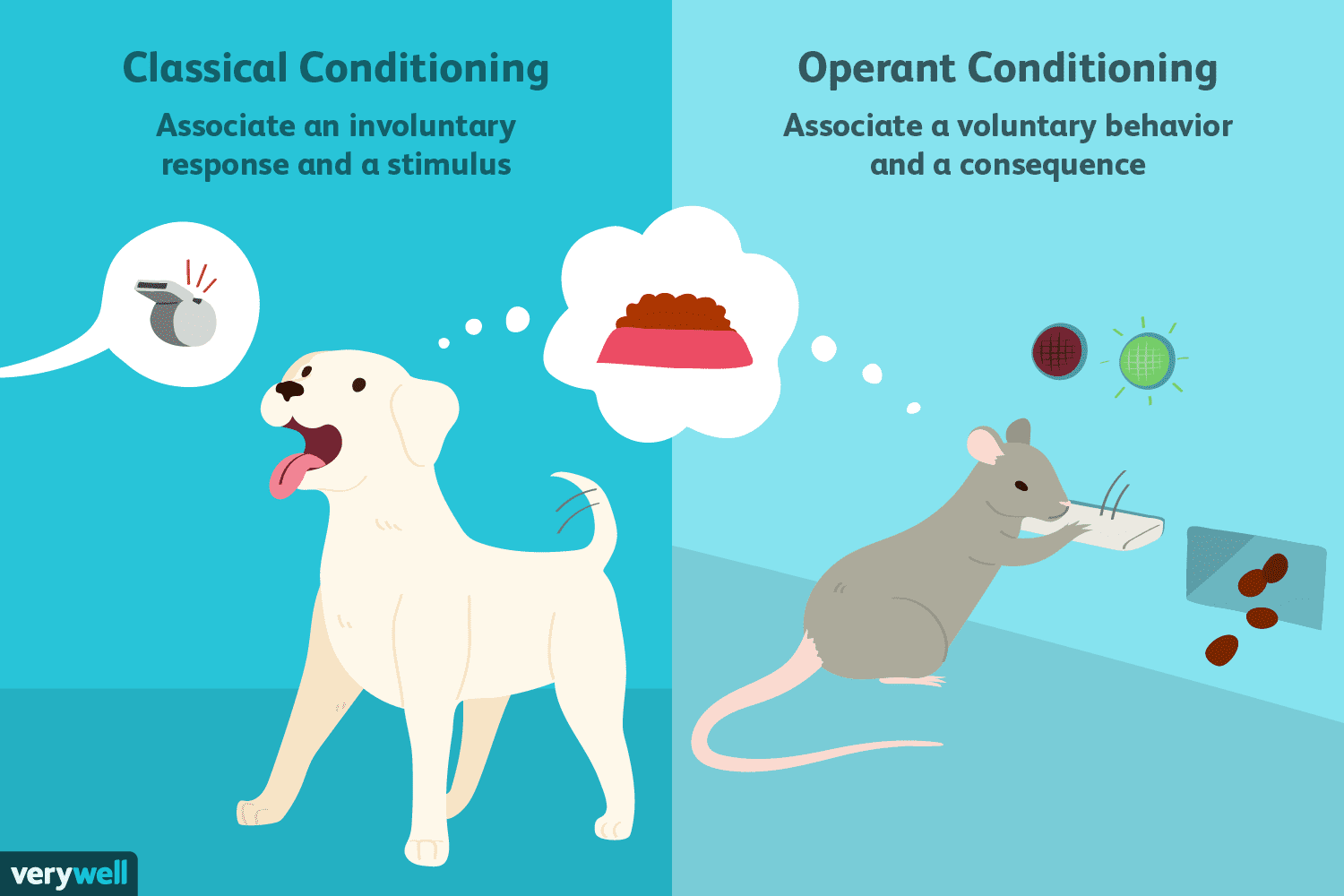
Operant conditioning
A type of learning in which associations are formed between behaviors and their outcomes.
Habituation
A simple form of learning in which reactions to repeated stimuli that are unchanging and harmless decrease.
Sensitization
An increased reaction to many stimuli following exposure to one strong stimulus

conditioned stimulus (CS)
An environmental event whose significance is learned through classical conditioning.
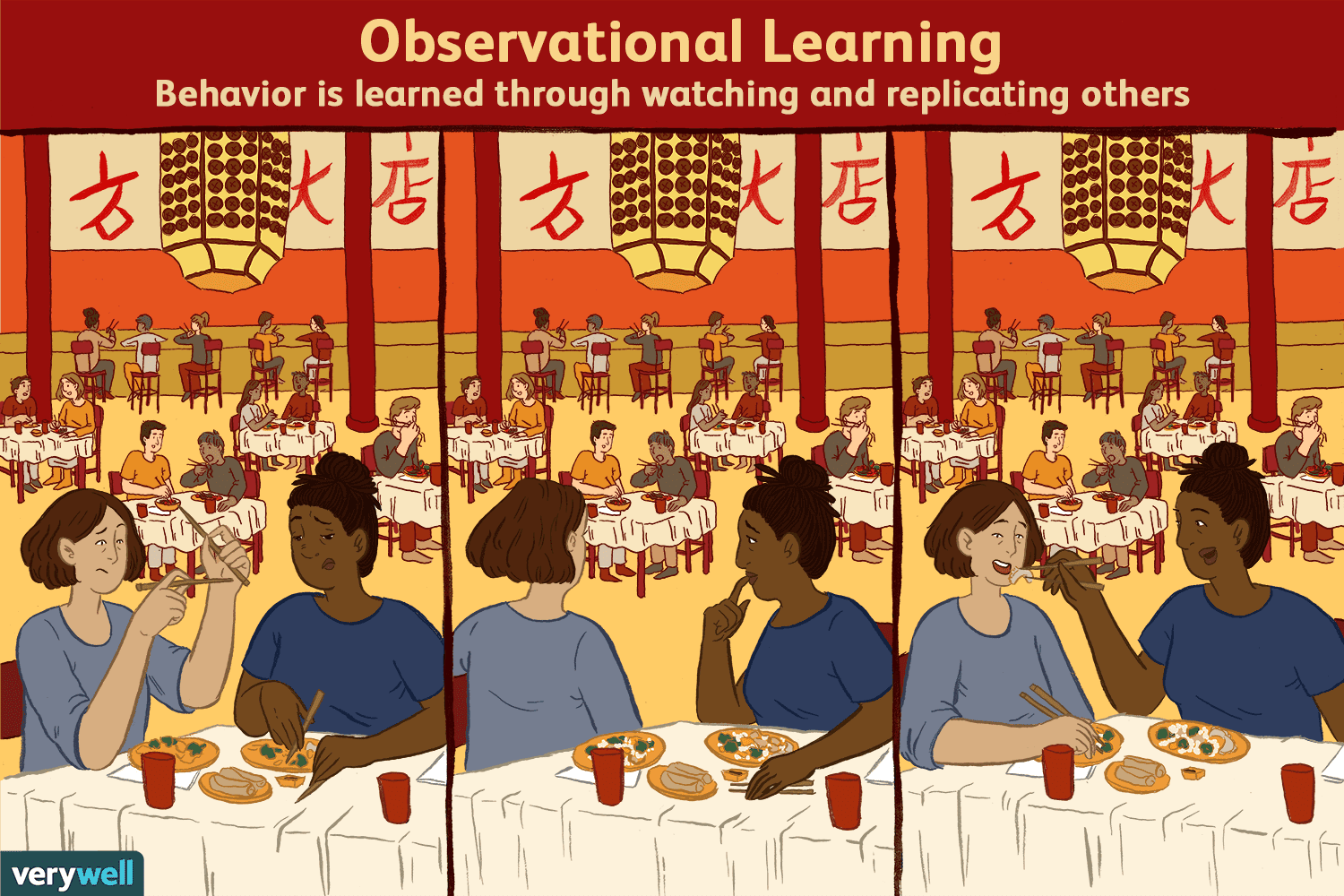
Observational learning
Learning that occurs when one organism watches the actions of another organism
Unconditioned stimulus (UCS)
A stimulus that elicits a response without prior experience.
Conditioned response (CR)
a learned reaction to classical conditioning

Unconditioned response (UCR)
a reaction that does not need to be learned
Acquisition
development of a conditioned response (CR)
must be correlation between CS and UCS
Extinction
reduction of a learned response.
spontaneous recovery
the reappearance of conditioned responses (CRs) after periods of rest.

Inhibition
A feature of classical conditioning in which a conditioned stimulus (CS) predicts the nonoccurrence of an unconditioned stimulus (UCS).
generalization
tendency to respond to stimuli similar to an original conditioned stimulus (CS)
Discrimination
allows us to make fine distinctions between the implications of stimuli
Higher-order conditioning
Learning in which stimuli associated with a conditioned stimulus (CS) also elicit conditioned responses (CRs).
Latent inhibition
The slower learning that occurs when a conditioned stimulus (CS) is already familiar
a positive stimulus/reward given to encourage desired behavior
Positive reinforcement

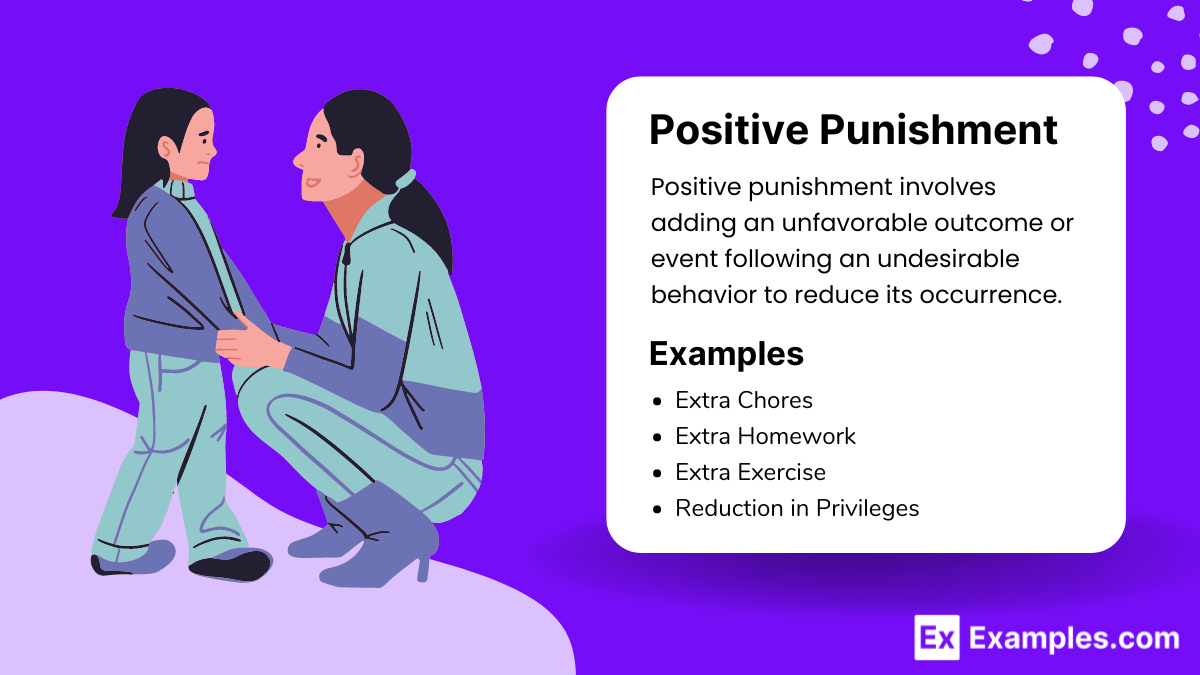
A consequence that reduces unwanted behavior by applying an aversive stimulus.
Positive punishment
Remove something DESIRABLE to decrease UNDESIRED behavior
Negative punishment

Partial reinforcement
The reinforcement of a desired behavior on some occasions, but not others.
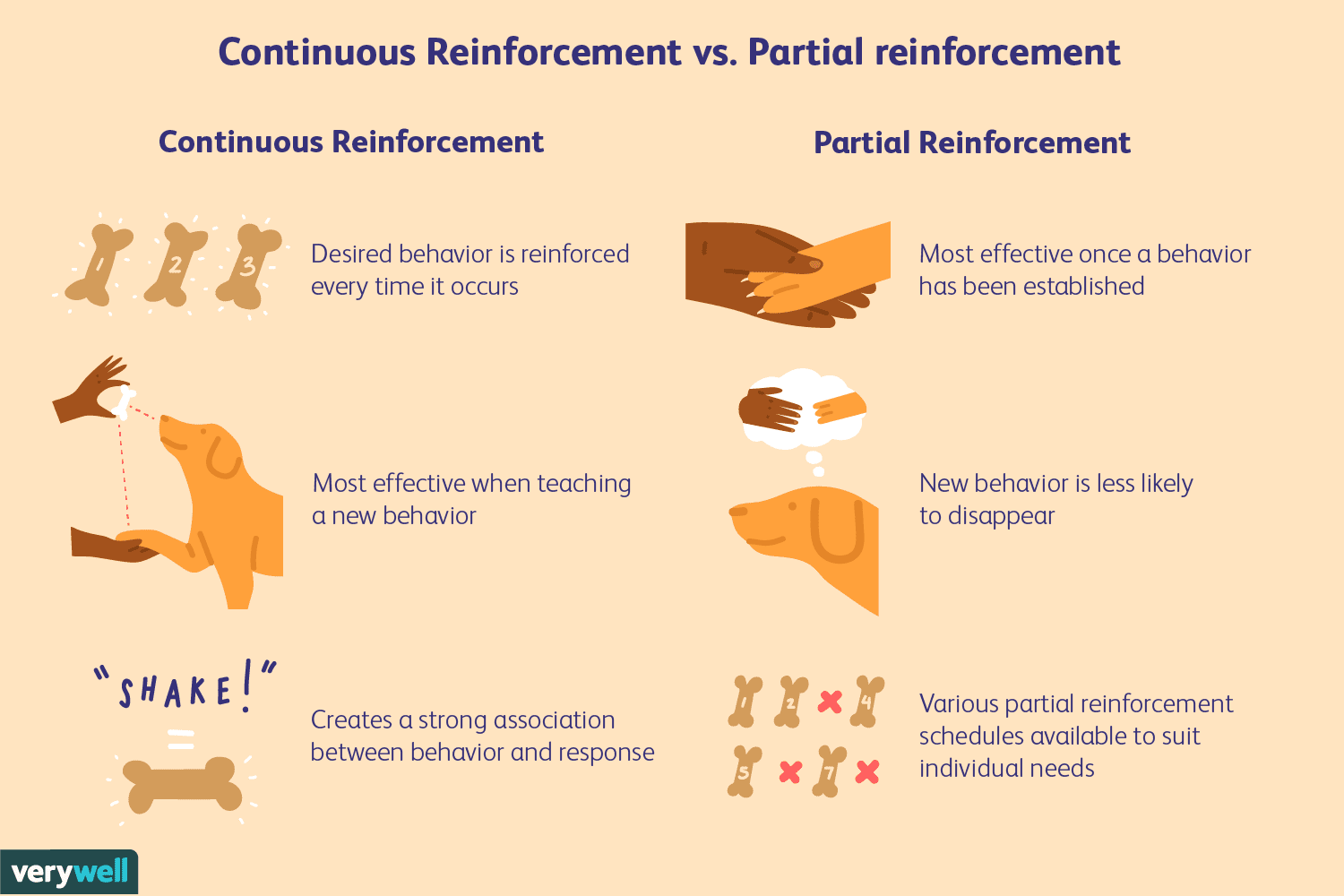
partial reinforcement effect in extinction
The more rapid extinction observed following continuous reinforcement compared to that following partial reinforcement.
Instinctive drift
tendency of an animal to revert to its natural, instinctive behaviors instead of continuing a learned response from operant conditioning

Shaping
A method for increasing the frequency of behaviors that never or rarely occur