❄️ adapting to the cold

0.0(0)
Studied by 0 people
call kaiCall Kai
learnLearn
examPractice Test
spaced repetitionSpaced Repetition
heart puzzleMatch
flashcardsFlashcards
GameKnowt Play
Card Sorting

1/17

flashcard set

Earn XP

Description and Tags

animals have evolved sets of structural, physiological, and behavioural adaptations for cold conditions and reduced heat loss.

18 Terms

1
New cards

insulation

  • having a thick, insulating layer covering the entire body

    • e.g. thick fur, fluffy plumage (feathers), subdermal fat (deepest layer of skin)

      • thick fur and fluffy feathers prevent heat from being released into the environment

      • subdermal fat = poor conductor of heat → reduces heat loss


<ul><li><p>having a <strong>thick, insulating</strong> layer covering the entire body</p><ul><li><p>e.g. thick fur, fluffy plumage (feathers), subdermal fat (deepest layer of skin)</p><ul><li><p>thick fur and fluffy feathers prevent heat from being released into the environment</p></li><li><p>subdermal fat = poor conductor of heat → reduces heat loss</p></li></ul></li></ul></li></ul><p></p>
2
New cards

SA:V

  • ↓ SA:V – release heat slower into the environment

    • ↑ time for body temp to drop

    • the more you resemble an O (sphere), easier it is to maintain consistent body temperature

most animals: large size, small SA:V

  • reduces heat loss


3
New cards

physiological adaptations

  • endotherms vs ectotherms

  • torpor

  • vasoconstriction

  • circulation

  • countercurrent circulation


4
New cards

endotherms vs ectotherms

  • endotherms generate heat from within their bodies whereas ectotherms obtain their heat from external sources

  • cold: endotherms > ectotherms

    • endotherms can maintain a consistent body temperature


<ul><li><p>endotherms generate heat from <strong>within</strong> their bodies whereas ectotherms <strong>obtain</strong> their heat from <strong>external sources </strong></p></li><li><p>cold: endotherms &gt; ectotherms  </p><ul><li><p>endotherms can maintain a consistent body temperature </p></li></ul></li></ul><p></p>
5
New cards

circulation

  • vasoconstriction

    • diameter of red blood vessel decreases

      • constricts

    • less heat exposed to air


<ul><li><p><strong>vasoconstriction</strong></p><ul><li><p>diameter of red blood vessel <strong>decreases</strong></p><ul><li><p>constricts </p></li></ul></li><li><p><strong>less</strong> heat <strong>exposed </strong>to air </p></li></ul></li></ul><p></p>
6
New cards

torpor

  • metabolism is reduced to conserve energy

    • endotherms: hibernation

      • minimal activity

      • metabolic reduction

    • ectotherms: brumation

      • similar to hibernation

      • dormancy


<ul><li><p><strong>metabolism </strong>is <strong>reduced</strong> to conserve energy </p><ul><li><p>endotherms: hibernation </p><ul><li><p>minimal activity </p></li><li><p>metabolic reduction </p></li></ul></li><li><p>ectotherms: brumation </p><ul><li><p>similar to hibernation </p></li><li><p>dormancy </p></li></ul></li></ul></li></ul><p></p>
7
New cards

benefits of turpor

  • allows mammals to stay alive when it is difficult to venture outside

    • reside in shelter for extended periods

    • minimal activity – preserve heat

    • no need to go outside for foraging / food

    • avoid harsh weather


8
New cards

countercurrent circulation

  • warm blood going out and cold blood coming back passes close to each other

    • heat transfer

  • warms returning blood so core stays warm

  • cooling outgoing blood so less heat lost to environment


<ul><li><p>warm blood going out and cold blood coming back passes close to each other </p><ul><li><p><strong>heat transfer</strong></p></li></ul></li><li><p>warms returning blood so core stays warm </p></li><li><p>cooling outgoing blood so less heat lost to environment </p></li></ul><p></p>
9
New cards

behavioural adaptations

  • change shape

  • huddling

  • seeking shelter

  • migrating to a warmer environment


10
New cards

change shape

  • reduces exposed SA

    • hide / protect peripheral parts

  • e.g. mammals curl up, birds stand on one leg
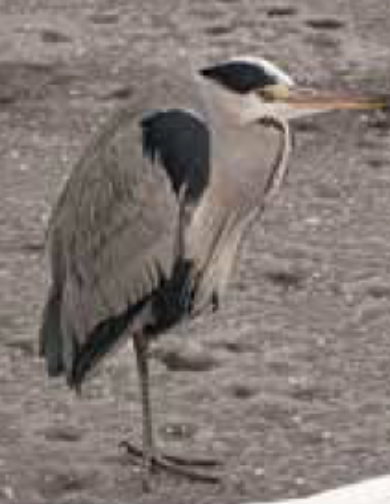

<ul><li><p>reduces exposed SA </p><ul><li><p>hide / protect peripheral parts </p></li></ul></li><li><p>e.g. mammals curl up, birds stand on one leg </p></li></ul><p></p>
11
New cards

huddling

  • artificially decrease individual SA:V, decreasing a mount colony releases into the atmosphere

  • e.g. emperor penguins


<ul><li><p>artificially <strong>decrease </strong>individual SA:V, decreasing a mount colony releases into the atmosphere </p></li><li><p>e.g. emperor penguins </p></li></ul><p></p>
12
New cards

seeking shelter

  • underground burrows, dens, rocky outcrops to protect from cold, windy conditions


13
New cards

migrating to a warmer climate

  • food + resources are readily available

  • typically easier for breeding, raising newborns

  • e.g. shearwater birds, humpback whales


<ul><li><p>food + resources are readily available </p></li><li><p>typically easier for breeding, raising newborns </p></li><li><p>e.g. shearwater birds, humpback whales </p></li></ul><p></p>
14
New cards

why do plants need adaptations?

  • cellular reactions slow due to enzymes

  • formation of ice crystals can rupture cell membrane sand other cell contents

  • vascular systems cannot transport nutrients when blocked by ice


<ul><li><p>cellular reactions <strong>slow</strong> due to enzymes </p></li><li><p>formation of <strong>ice crystals </strong>can <strong>rupture </strong>cell membrane sand other cell contents </p></li><li><p><strong>vascular systems </strong>cannot <strong>transport nutrients</strong> when blocked by ice </p></li></ul><p></p>
15
New cards

plant adaptations

  • receive signal to increase concentration of solutes such as glucose in cells

    • increases resistance to freezing

  • produce antifreeze proteins to disrupt the formation of ice crystals in the cell

    • water remains liquid at lower temperatures


<ul><li><p>receive signal to increase concentration of solutes such as glucose in cells </p><ul><li><p>increases resistance to <strong>freezing</strong></p></li></ul></li><li><p>produce <strong>antifreeze proteins </strong>to disrupt the <strong>formation</strong> of ice crystals in the cell</p><ul><li><p>water remains liquid at lower temperatures </p></li></ul></li></ul><p></p>
16
New cards

seed dormancy

  • dormant seed = unable to germinate during a specific time under certain environmental conditions

  • seeds dispersed before winter months, remain dormant until warmer weather

  • live in favourable conditions


<ul><li><p>dormant seed = unable to germinate during a <strong>specific</strong> time under certain <strong>environmental conditions</strong></p></li><li><p><em>seeds dispersed before winter months, remain dormant until warmer weather </em></p></li><li><p>live in favourable conditions </p></li></ul><p></p>
17
New cards

deciduous trees

  • seasonally drops all of its leaves at once to avoid harsh conditions


18
New cards

advantages of deciduous trees

  • avoid frozen leaf tissue during winter

  • require less energy and water during winter months

  • experience less branch breakage


<ul><li><p>avoid frozen leaf tissue during winter </p></li><li><p>require less energy and water during winter months </p></li><li><p>experience less branch breakage </p></li></ul><p></p>



