Mammalogy Exam 1
 Note
 Call Kai
 Learn
 Practice Test
 Spaced Repetition
 Match
 Flashcards
 Knowt Play
1/66

Earn XP
Description and Tags
BIO-445 W Dr. O
67 Terms
What is the diversity of body form and ecological role?
It refers to the various physical structures and adaptations organisms possess, allowing them to occupy different niches in their ecosystems.
How many mammals compared to other tetrapods?
There are about 6,400 species of mammals, which is a smaller subset compared to other tetrapods.
What is taxonomy?
The science of classifying living organisms into categories based on shared characteristics.
What are Phylogenetic Systematics?
A method of classification that uses shared derived traits to determine evolutionary relationships.
What is Binomial nomenclature?
A two-part naming system for species developed by Carl Linnaeus, where the first part is the genus and the second is the species.
What is the correct order of Taxonomic Hierarchy?
Kingdom, Phylum, Class, Order, Family, Genus, Species.
What is the difference between Synapomorphy and Symplesiomorphy?
Synapomorphy is a shared derived characteristic, while Symplesiomorphy is a shared ancestral characteristic.
What is Phylogeny?
The evolutionary history and the relationships among a group of organisms.
How do the Phylogenetic vs. Traditional systems differ?
Phylogenetic systems are based on evolutionary relationships, while traditional systems may rely more on morphological similarities.
What is Convergent evolution?
The independent evolution of similar traits in different lineages.
How do Synapsids differ from Sauropsids?
Synapsids have a single temporal fenestra skull opening, while Sauropsids have two.
What is temporal fenestra?
An opening in the skull behind the eyes that allows for muscle attachment and expansion of the jaw.
When did non-mammalian synapsids dominate and undergo mass extinction?
They dominated during the late Paleozoic and underwent mass extinction at the end of the Permian.
What are Pelycosaurs (e.g., Dimetrodon)?
They are early synapsids characterized by a large sail on their back.
What are Noncynodont Therapsids?
A group of synapsids that were more advanced than pelycosaurs but not true mammals.
What are Cynodonts?
A group of advanced synapsids that led to the evolution of mammals.
What are Synapsid characteristics?
Characteristics include differentiated teeth, a larger temporal fenestra, and a more advanced jaw structure.
When did the first mammals appear?
The first mammals appeared during the late Triassic period.
Describe the characteristics of the earliest mammals.
Early mammals were small, likely nocturnal, and had diverse diets; they had warm-blooded metabolism and developed senses for better survival.
What were Mesozoic mammal niches and characteristics?
Mesozoic mammals occupied ecological niches such as small insectivores or herbivores, often living in the shelter of dinosaurs.
Know order of Eras and Periods of synapsid evolution.
Paleozoic, Mesozoic, and Cenozoic Eras, with key periods like Permian, Triassic, and Jurassic.
What non-mammalian synapsid or mammalian group arose or declined in each Era or Period?
Triassic saw the rise of true mammals; Permian had non-mammalian synapsids dominating.
What skeletal modifications reflect the trend toward endothermy?
Changes include a more complex skull, changes in limb posture, and development of a diaphragm.
What is the evolution of jaws and the mammalian middle ear?
The jaw evolved from multiple structures in synapsids, with some parts forming the middle ear bones in mammals.
What is the difference between Homodont and Heterodont teeth?
Homodont teeth are all of the same type, while Heterodont teeth are specialized into different types.
What is precise occlusion in teeth?
It refers to how upper and lower teeth align and fit together for effective chewing.
What is the secondary palate?
A bony structure that separates the nasal cavity from the oral cavity, allowing mammals to breathe while chewing.
What is Parietal foramen?
A small hole in the skull that allows for the passage of blood vessels and nerves.
What are postcranial skeletal modifications reflecting a change in locomotion?
Changes include longer limbs and a more upright posture, indicating running or jumping adaptations.
What are the drivers behind important mammalian characteristics and trends?
Key drivers include changes in habitat, temperature regulation needs, and dietary diversification.
What is the importance of thermoregulation?
Thermoregulation is crucial for maintaining optimal body temperature, enabling activity in diverse environments.
What is the difference between Ectothermy and Endothermy?
Ectothermy relies on external sources for body heat, while endothermy generates heat internally.
Compare and contrast two strategies for thermoregulation.
Endothermy provides stability and higher activity levels but requires more energy; ectothermy needs less energy but limits activity in cooler temperatures.
Contrast the following between endotherms and ectotherms: Efficiency of biomass conversion.
Endotherms convert energy more efficiently for sustained activity, while ectotherms utilize less food but are less active.
Contrast Development between endotherms and ectotherms.
Endotherms typically develop more complex and lengthy parental care, while ectotherms often have more independent early stages.
How do ecological niches differ between endotherms and ectotherms?
Endotherms can occupy a broader range of niches due to thermal independence, while ectotherms are limited by temperature.
How do integument, hair, and skin glands differ between endotherms and ectotherms?
Endotherms have insulating fur and specialized skin glands for temperature regulation, while ectotherms have scales or no insulation.
What is pelage?
The fur or hair covering of mammals used for insulation and protection.
What are some derivatives of integument?
Derivatives include hair, nails, sweat glands, and sebaceous glands.
What is lactation, and why might it have first evolved?
Lactation is the production of milk for nourishing young, likely evolved for increasing offspring survival.
What are adaptations for suckling?
Adaptations include specialized nipples and the development of a strong bond between mother and offspring.
What is adipose tissue?
A type of connective tissue that stores fat, providing insulation and energy reserves.
What role does the circulatory system play in mammals?
It transports nutrients, oxygen, and waste products throughout the body, critical for metabolic processes.
What is the function of the respiratory system in mammals?
It allows for gas exchange, bringing oxygen in and expelling carbon dioxide out.
How does the digestive system in females vs males differ?
There are no major structural differences; however, females may show adaptations based on reproductive needs.
What is the Neopallium/Neocortex?
The neocortex is the part of the brain responsible for higher-order brain functions such as sensory perception and cognition.
What is the corpus callosum?
A bundle of nerve fibers that connects the left and right hemispheres of the brain, facilitating communication.
What role does olfaction play in mammals?
Olfaction is crucial for detecting scents, important for foraging, predator detection, and social interactions.
How important is vision to mammals?
Vision is essential for navigation, hunting, and avoiding predators, varying greatly among species.
What is the role of hearing in mammals?
Hearing aids in communication, environmental awareness, and locating prey or danger.
What tactile senses do mammals possess?
Mammals have sensitive skin and specialized structures that provide information about their environment.
What trends are seen in the skeletal elements of mammals?
Trends include increased complexity, reduction of certain bones, and adaptations to diverse lifestyles.
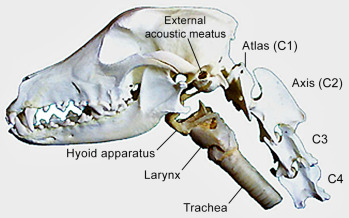
What is the Atlas-Axis complex?
The cervical vertebrae that allow for the head's rotation and nodding movement.
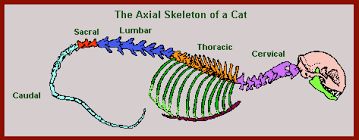
What trends are observed in the axial skeleton of mammals?
Trends include increased flexibility and strength, allowing for varied locomotion.
What trends in limbs, girdles, and joints are seen in mammals?
There is a trend towards longer limbs with specialized joints for more efficient movement.
What is the manus?
Refers to the forelimb or front foot of mammals.
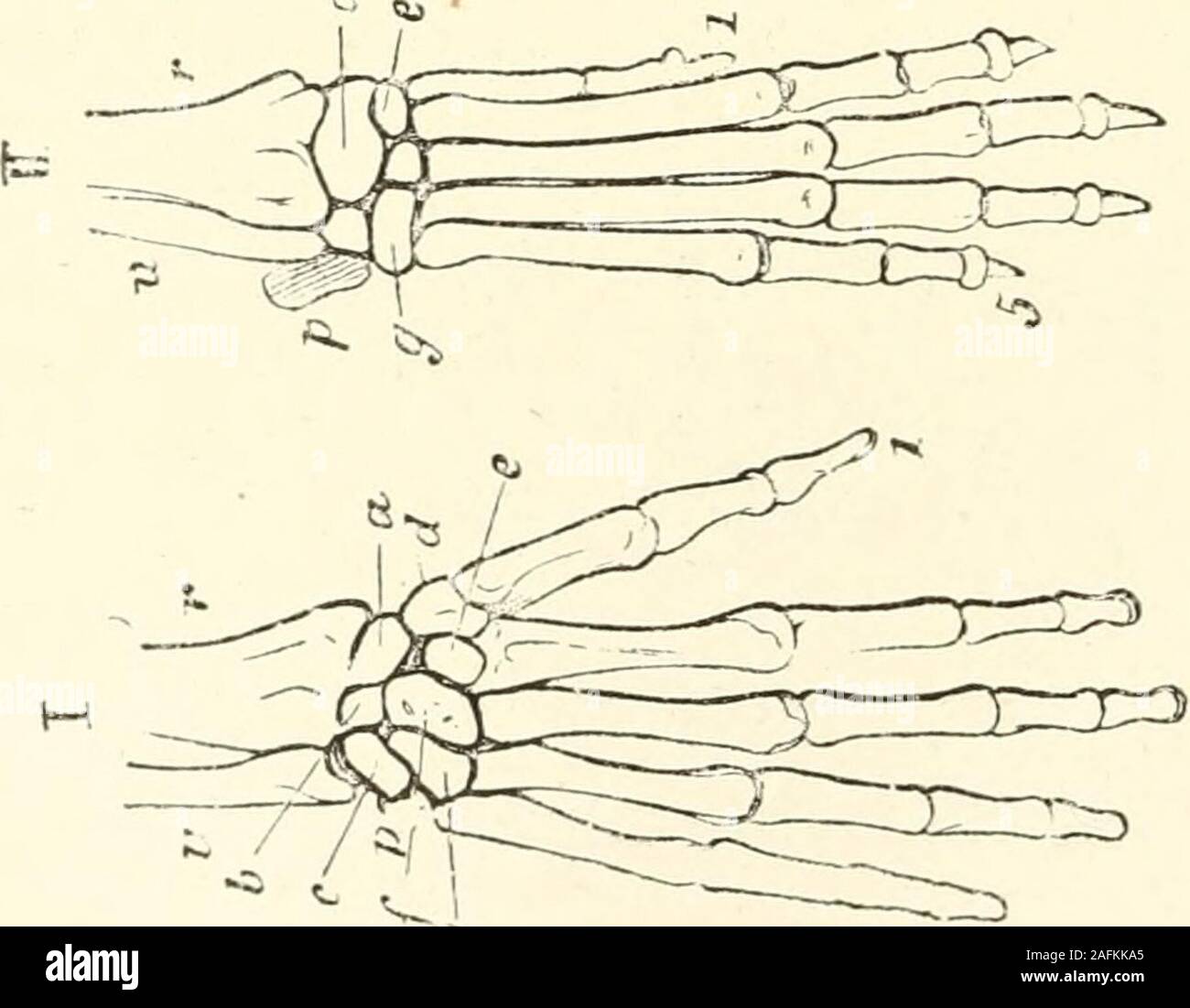
What is the pes?
Refers to the hind limb or back foot of mammals.
What is the pollex & hallux?
Pollex is the thumb, and hallux is the big toe in mammals.
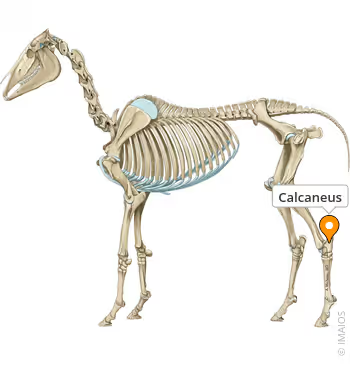
What is the calcaneus?
The heel bone in mammals that supports weight during standing and walking.
What is the zygomatic arch?
A bony arch that forms the cheekbone, contributing to jaw muscle attachment.
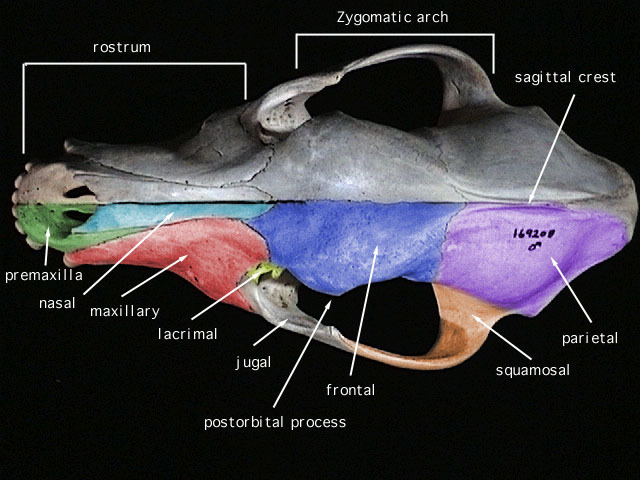
What trends are seen in the cranial skeleton of mammals?
Trends include a more domed skull and modifications for stronger jaw musculature.
What is dentition in mammals?
Dentition refers to the arrangement and types of teeth in mammals, important for feeding.
How do you compare 'primitive' mammalian dentition to 'modern'?
Primitive dentition has uniform teeth; modern dentition shows specialization for different food types.
What is deciduous dentition?
Temporary teeth that fall out as permanent teeth develop, seen in young mammals.
What is mastication?
The process of chewing food to break it down into smaller pieces for digestion.
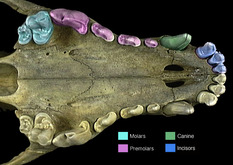
What are the four main types of mammalian teeth?
Incisors, canines, premolars, and molars.
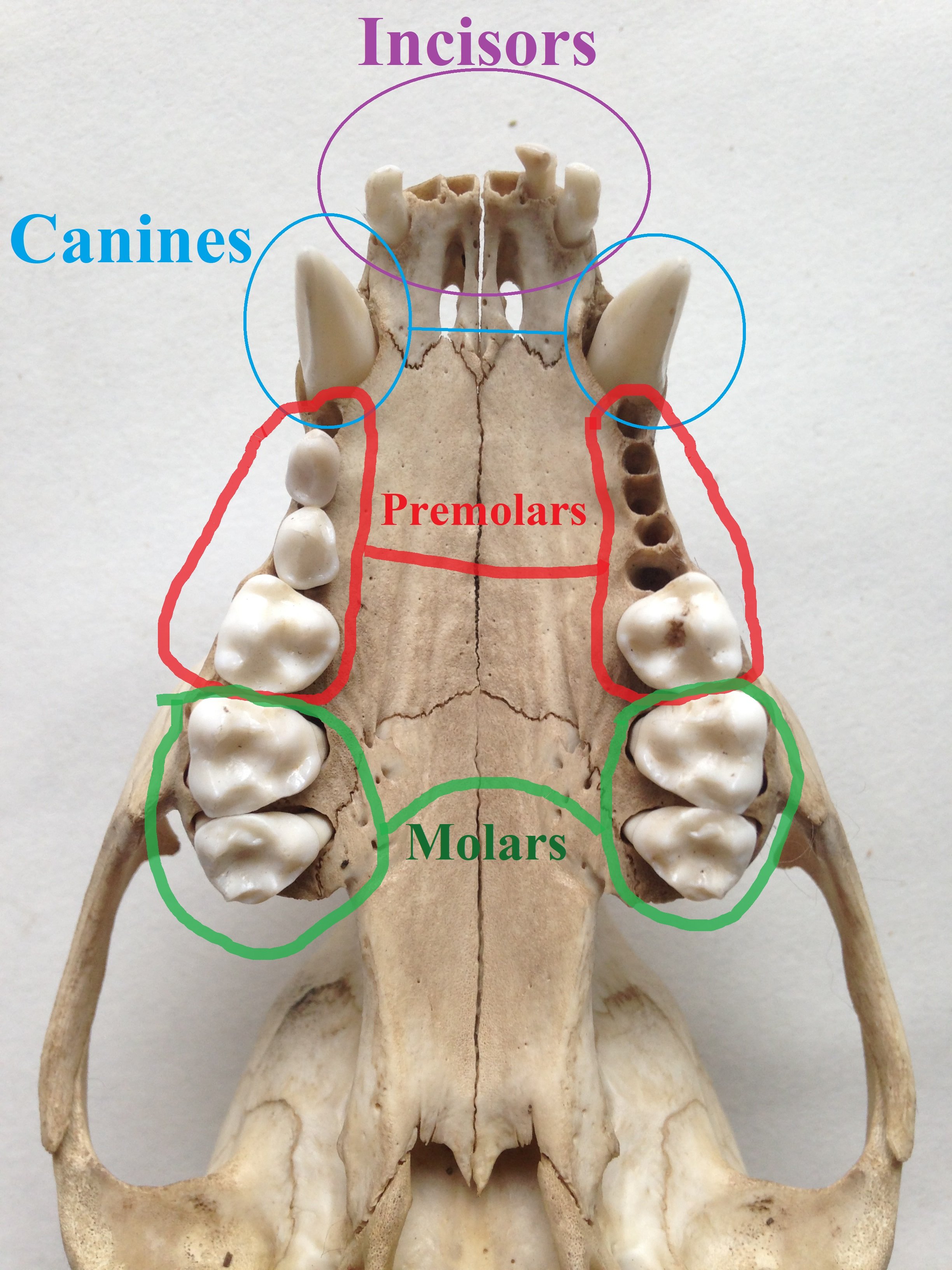
How do you calculate dental formula?
By noting the number of each type of tooth in one quadrant of the mouth and multiplying as needed.