Design Thinking test 2
 Call Kai
 Learn
Learn Practice Test
 Spaced Repetition
 Match
Match Flashcards
 Knowt Play
1/85

There's no tags or description
Looks like no tags are added yet.
Name | Mastery | Learn | Test | Matching | Spaced | Call with Kai | Chat |
|---|
No analytics yet
Send a link to your students to track their progress
86 Terms
Importance of materials
Materials have a huge impact on the user experience and well-
being in the space.
Materials reflect or absorb light, sound and heat.
Materials define the space's functionality and durability.
Certain materials – especially artificial ones – can ultimately be
harmful to the occupant's health.
wood, solid
used for structure, cladding, and flooring
rapidly renewable, moderate durability
wood, plywood/sheets
tree sliced into sheets and then many sheets put together to create plywood
wood, veneer
tree sliced into thin high quality sheets that are applied to backer board
masonry, brick
made from clay, formed into blocks dried then fired in kiln
soft when wet, hard when dry
common, very durable
masonry, stone
made from stone, can be any size
stone can be solid or a veneer
incredibly durable
polycarbonate, plastic
plastic granules made from petroleum
affordable, but non-renewable and difficult to recycle
metal, steel
produced from iron and alloys
very durable, easy to recycle
gypsum wall board
sheets made from gypsum material
must be tapped and mudded to achieve smooth surface
not recyclable
most common interior finish
concrete
mixture of cement and water made into a liquid form that is poured and dried as concrete
primary ingredients are lime and silica
“plastic” material- can be made into any shape
can be emulated with stucco, plaster, or concrete tiles
constraint
external limit
budgets, deadlines, and regulations
brand guidelines and usability requirementsboundaries that are provided by the client and context
These are limits outside of our control that must be accepted and
consciously responded to in the design.
rules
internal limits
designers create their own rules to help them make decisions
rules create a design concept
Create predictability and organization
Prevents chaos and confusion
Brings order
Provides guidance for behavior (design decisions in our case)
common constraints in design
Location
Solar orientation
Climate
Timeline
Client
Scope
Budget
Functional
Regulatory
Physical
rules bring
Rigor
Clarity
Consistency
Logic
Comprehension
material strategy
A Material Strategy is a type of rule that helps us make decisions about how and where to use what materials
Example:
Public spaces have hard furniture and materials.
Private spaces have soft furniture and materials.
Design Efficiency
What is absolutely necessary to create a given space and satisfy functional requirements? What can be removed or edited how do we do more with less?
editing
-less expensive/ less material
-easier to build
-clearer design strategy
Principles of Design
Principles of Design are core concepts that all designers use.
Ordering Principles
• Axis
• Symmetry
• Hierarchy
• Rhythm
• Datum
• Transformation
Principles of Design examples
Alignment
Hierarchy
Symmetry
Contrast
Balance
Repetition
Proximity
Color
Negative Space
Rhythm
Proportion
Unity
Variety
Line
Shape
Emphasis
Peter Zumthor teaching architecure reading
Architecture is a process of questioning and problem-solving
2. Architecture combines emotion and reason
Personal experiences shape architectural understanding
Materials must be understood through the senses
Architecture must become physical to be fully experienced
Architectural design should begin with real materials and objects
Architects think through mental images of complete spaces
refuge space
Refuge spaces are where a person feels calm, safe and internally
focused.
Associated with heavy, dark spaces like caves
prospect space
where a person is elevated, feels open, looks
out and at the world around us
heavy materials
Heavy – having great weight
Of weighty import
Thick, dense
Characterized by depth of intensity : profound
Heaviness is often related to weight, or a space that has gravity.
We also associate heaviness with the earth, foundations and
anchors
Heaviness can be material but also color or tone.
Associate dark colors with heaviness
heavy materials examples
Metals (Steel, brass, copper etc)
Concrete
Brick
Tile
Stone
concrete qualities
Concrete is 'plastic' - it can be sculpted into any shape
Concrete can be used on interior spaces as a concrete tile, or a
fine, cast-in place concrete
More often than not, concrete in a space will be part of the 'building
shell'
Formwork
Concrete is poured into formwork and takes the shape of the form. Steel and wood are typical Other materials like fabric, bamboo, plastic etc – anything that can contain the concrete can be a formwork!
metal qualities
Incredibly malleable – formed into any shape imaginable
Also ductile – metals can bend and stretch but not break
One gram of gold can be stretched into a wire one mile long!
Metals are great for crafting thin elements that are also incredibly strong and can be shaped into complex forms
metal types
Steel is heavy and structural – used for elements that have to
hold a lot of weight (stairs, structure etc)
Copper, brass, stainless steel and chrome (more precious
metals) tend to be used for fixtures and hardware.
brick qualities
Often seen on the exterior of buildings...
Used on the inside, it can bring a casual, rustic and textured
experience
Brick patterns are also used for tile.
Commonly used are Running, Herringbone, Crosshatch, Stack!
brick v tile
both made of clay
brick is structural and thick
tile is thin and applied to a structural surface
The Four Elements of Architecture
Gottfried Semper
hearth – metallurgy, ceramics
roof – carpentry
enclosure – textile, weaving
mound – earthwork
transparent
allowing light to pass through so that objects on the other side can be clearly seen
Translucent
a material or substance that allows light to pass through, but
diffuses it so that objects on the other side cannot be seen clearly
opaque
does not let light through the material
glass
used in sheets, blocks and extruded "c" shapes called "channels"
Incredibly heavy!
Many finishes and tints available – clear most common
Tempered (shatters into non-cutting pieces)
Laminated (layered with resin to resist shattering)
Glass Mullions
Mullions are the structural frames that hold up glass
Screens Are Great When...
The space needs physical separation
A level of privacy
Need for light, air and view to penetrate
Screens can be made of materials that are not, in themselves,
translucent
thin materials
allow lots of light through
connect spaces
What are details?
How materials intersect or transition
How things attach to other things
standardized v custom
Modern construction is based on mass-produced elements or things
made in a factory and sold to contractors or consumers.This is in contrast to how elements have been made for centuries :
through hand-made or perhaps machined labor.Anything that can be sold "standardized" (like a car!) is usually
made in a factory for cost and production efficiency.
wall partition
definition: non-load bearing interior wall
Can be almost any thickness
Rule of thumb:
"Basic" interior wall = 4"
Plumbing wall = 6"
Exterior wall = 8"
common wood joints BUTT

tounge and groove joint

half-lap joint

mitered joint
you know this you made it
dado joint

mortise and tenon joint

permitting
Process where designers submit drawings to a governing body
AHJ reviews drawings for compliance with all life, safety and
welfare codes
NCIDQ
Series of tests to show competency in interior design with
focus on health, safety and welfare
commerical v resedential
Commercial
Spaces for public occupation (building code)
Must adhere to lots of codes to ensure public HSW
vs
Residential
Single-family homes (residential code)
Much less restrictive
Health, safety, and welfare (HSW)
in interior design refers to the professional responsibility of designers to protect the physical, mental, and social well-being of building occupants through code-compliant, functional, and thoughtful spatial planning
Design for Disassembly
Design for Disassembly
Materials and components designed and installed so they can be disassembled rather than demolished.
Uses non-destructive attachment methods
issac newton color wheel
Newton identified three color groups
• Primary: yellow, red, blue
• Secondary: orange, purple, green
(mixes of primary colors)
• Tertiary: yellow-orange, red-orange, red-violet, etc
(mixes of primary and secondary)
issac newton also used white light to create color on a spectrum
munsell color system
Hue – color --
measured by degrees around
horizontal circles
Chroma – saturation --
measured radially outward from the
neutral (gray) vertical axis
Value – lightness/darkness -
measured vertically on the core
cylinder from 0 (black) to 10 (white)

hue =
color
chroma =
saturation
value =
lightness/darkness
Goethe – Color and Emotion
Linked each color to specific emotions
Triangles show how colors are perceived and their psychological impact
Johannes Itten 7 color contrasts
Contrast of Hue
Contrast of Saturation
Contrast between Warm and Cold
Simultaneous Contrast (Saturated color inside gray)
Contrast of Proportion (Two colors occupy different areas)
Contrast of Complementary Colors
textile v fabric
fabric
finished material
extra processing
specific use
textile
broader term
finished or unfinished product
any woven material
may or may not have a specific use
double rubs
measure of durability
higher number = greater durability
light < 14,000 double rubs
medium 15,000-30,000 double rubs
heavy duty > 30,000 double rubs
reduce
use less materials
reuse
adaptive reuse (making an old building new), design for disassembly
recycle
transforming material to be used again
adaptive reuse
bringing an old building up to code and giving it a new function
benefits: preserves architectural heritage, creates unique spaces, utilizes existing materials and diverts building waste
rapdily renewable materials
grown in 10 years or less
bamboo, cork, cotton, wood, straw
monochromatic
uses a single color in a variety of saturations and and lightnesses to unify a scheme
analogus
uses colors directly adjacent to each other
complimentary
using colors directly across from each other
split complimentary
one color and the colors on either side of its compliment
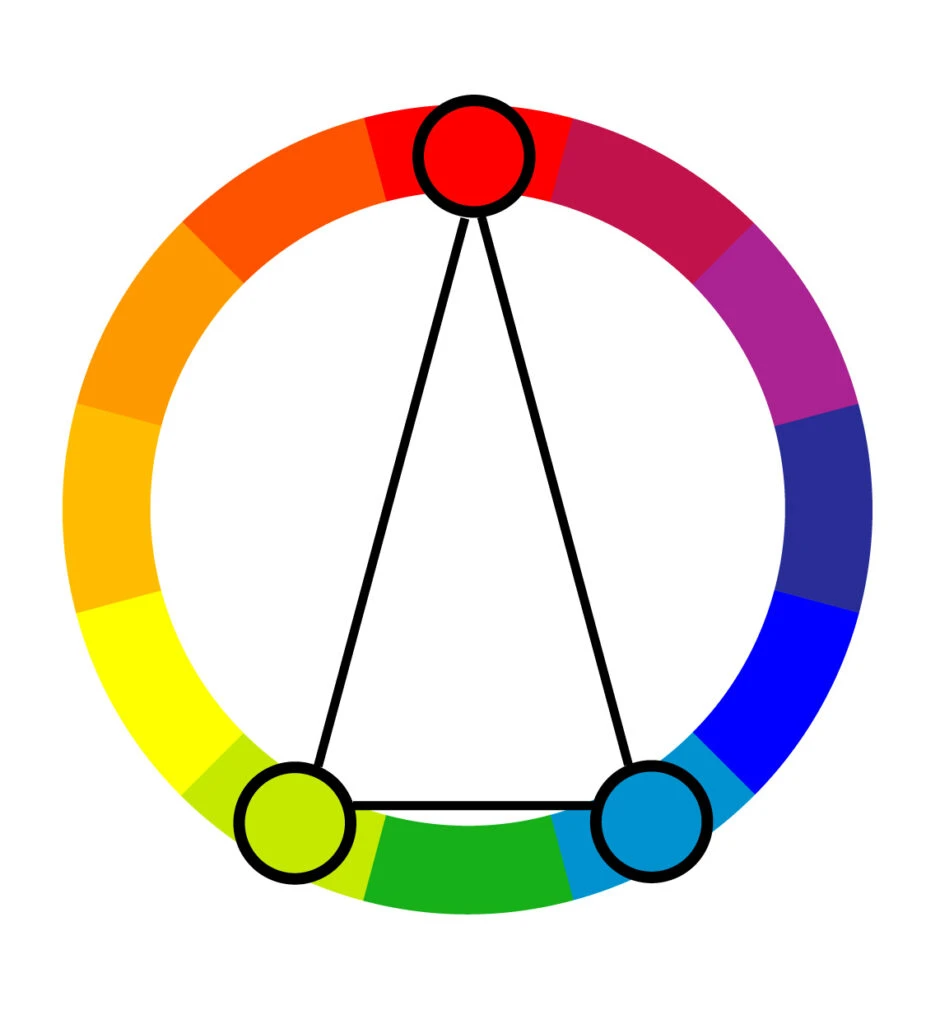
triadic
equally spaced triangular pattern on color wheel

tetratic
two complimentary pairs

natural color
Truth to materials
Every material has a natural color
Frank Lloyd Wright big proponent of only using natural materials!
Avoids "applied" color like paint on gyp board.
Neutral-plus – De Stijl (1917)
White, gray, black (majority neutral) + pops of red, blue, yellow
Frequently used in De Stijl (The Style) architecture and art
Functional Color
Color tone can offset/enhance environmental factors – warm colors used in cold spaces
Odd spaces can be rectified with color use
Elements emphasized or diminished
Color in Space
How colors and materials are used in a space affects how we
perceive the space.
It can make a room feel wider, larger, narrower etc
expand
all of the walls are a light color, adding windows
compact
painting all walls the same color, preferably something darker
lower ceiling
painting the ceiling a dark color
higher ceiling
painting all walls minus the celing and floor the same color
widen space
painting the back wall and celing the same color
narrow space
paint the side walls the same color
shorten space
paint the back wall a different color
highlight a wall
paint all the walls the color except the wall you want to highlight
shorten walls
paint the lower half of all the walls