UTK EEB:330 Botany Terms
 Call Kai
 Learn
 Practice Test
 Spaced Repetition
 Match
 Flashcards
 Knowt Play
1/105

There's no tags or description
Looks like no tags are added yet.
106 Terms
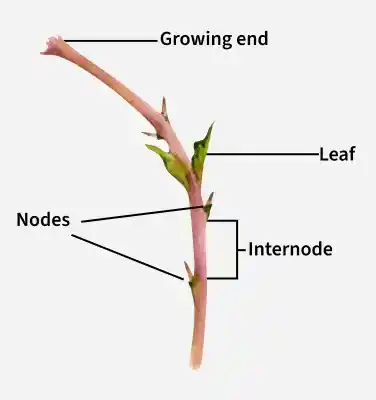
Internode
The portion of the stem between two nodes or points of leaf insertion.

Monoecious
Having male and female flowers on the same plant. (both unisexual individually)
Peduncle
Branch that supports the entire inflorescence.

Petiole
A leaf stalk.

Receptacle
The end of the stem to which flower parts are attached.
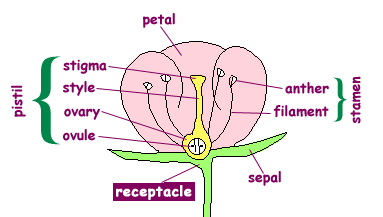
Tepals
Sepals and petals that look the same.

Terminal Flowers
The flower at the top of the stem and other flowers.

Achene
Small, dry, single-chambered, one-seeded fruit that does not split open when mature, with the seed coat and ovary wall separate.

Aggregate Fruit
A compound fruit derived from the coherence of two or more simple, superior ovaries of a single flower.

Berry
Pulpy or juicy, multi-seeded, indehiscent fruit.

Capsule
A dry, dehiscent fruit derived from two or more carpels.

Caryopsis

Drupe
A fleshy, pulpy, one-seeded fruit in which the seed has a protective stony covering.

Follicle
A dry, single-chambered pod-like fruit, splitting open along a single line on one side at maturity.

Locule
A compartment, cavity, or cell of an ovary, fruit, or anther.

Legume
A dry fruit from a simple pistil that opens along two lines or sutures.
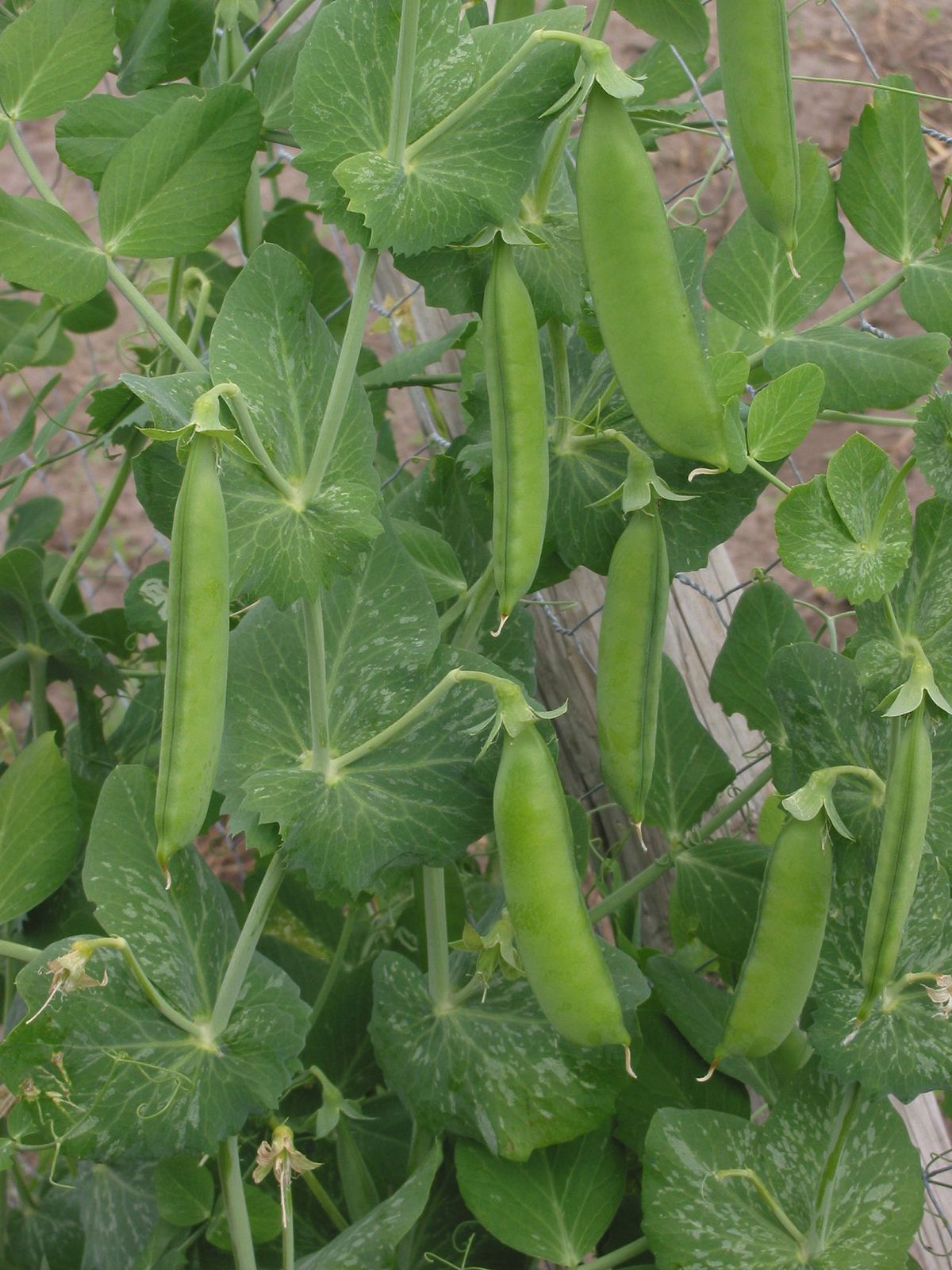
Loment
A type of legume fruit with constrictions between the seeds.

Multiple Fruit
A fruit derived from the fusion of the ovaries of numerous flowers; a ripened inflorescence.

Nut/Nutlet
A hard, dry, indehiscent, one-seeded fruit derived from a two-to-many carpellate ovary.

Pome
A fleshy, indescendent fruit derived from an inferior ovary and surrounded by an adnate hypanthium.

Samara
An indehiscent, single-seeded, dry-fruit with a prominent wing.

Schizocarp
A dry fruit splitting into two or more indehiscent segments or seeds.

Silique
A pod-like fruit of certain members of the Mustard family, splitting longitudinally, leaving a center partition with seeds.

Simple Fruit
Undivided fruit.

Deciduous
Falling after competition of its normal function, often at the approach of a dormant season.

Oxalic Acid
Acts as a defense mechanism against herbivores. When eaten, they cause immediate physical pain.
Urushiol
A colorless-to-pale-yellow, oily organic mixture found in the sap that causes severe itching, redness, swelling, and fluid-filled blisters when it comes into contact with skin. (Toxicodendron)fluid-filled blisters

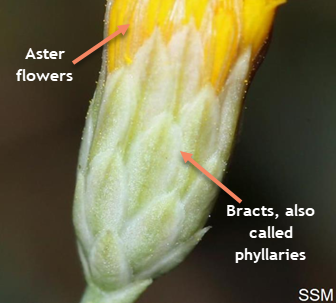
Bract
A reduced leaf at the base of a flower or an inflorescence.

Fascicles
A small bundle or dense, close cluster.

Plication
Folded; fan-like.

Chasmogamous Flowers
With pollination after the flower opens.
Cleistogamous Flowers
Bearing self-pollinated flowers that do not open.
Cross-pollination/Outcrossing
The transfer of pollen from one flower to the stigma of another.
Self-pollination/Inbreeding
When plants take pollen from their anther and transfer it to the stigma of the same flower or a different flower on the same plant.
Haustorium
A specialized rootlike or branchlike organ that parasitic plants use to penetrate a host organism and absorb water, minerals, and organic nutrients.
Diadelphous
Filaments united into two bundles; nine united and one free filaments.

Monadelphous
Filaments united into one bundle with sheath continuous or split.

Epidermal Extensions
Outgrowths of the outer epidermal layer that serve critical functions like water absorption, protection, and defense.

Porate
Anthers that open via terminal or apical pores rather than splitting open longitudinally.

Terminal Spike
At the apex or tip.

Verticillasters
Arranged in compressed whorls.

Allelopathy
When a plant releases a biochemical compound into the environment around it that kills off other plants surrounding it.
Early Leaf-Out
A tree or plant sprouts and opens its new leaf buds earlier in the spring or earlier than its usual historical average.
Explosive Dehiscence
Mature plant fruits, pods, or capsules split along built-in lines of weakness violently, catapulting seeds away from the parent plant.
Infructescence
An inflorescence in fruiting stage.

Areola
A clearly delineated area on a surface such as a seed of leaf.

Compressed Stem
A plant stem with very short internodes.
Convergent Evolution
The independent evolution of similar traits or features in unrelated or distantly related species.
Cyathium
Reduced inflorescence of cymes. Inflorescence of Euphorbaceae.

Mericarp
An individual carpel that separates in a compound fruit.

Spines
Modified leaves or modified stipules.

Biennial
Living for 2 years. Only flowering the 1st year and bearing fruit the 2nd.
Bipinnate Leaves
Twice pinnate.

Tri-pinnate Leaves
Three times pinnate, with leaflets twice divided again.

Dissected Leaves
A simple leaf with deep lobes that make it look like it might be compound.

Stolons
Connecting stems above ground.
Rhizomes
Connecting stems underground.
Spathe
Bract beneath inflorescence or flower.

Cypsela
An achene with an adherent calyx or pappus.

Air Roots
Any plant root that grow above the ground, water or soil.

Anther Cap
The lid-like or cap-like tissue structure at the tip of an orchid’s flower column that covers and protects the pollinia until ready to spread.

Chaffy Bract
Thin, dry scales or bracts; often used for the bracts in the flower head of Asteraceae.

Column (Gyandry/Gyandrium)
The central part of an orchid flower, in which the stamen, style, and stigma are united into a common structure.

Epiphyte vs. Terrestrial
An epiphyte is a plant that grows on another plant, but doesn’t insert itself into it. Just grows on top of it.
Terrestrial is when a plants grows in the ground or soil.

Floret
Individual, usually small, flowers in Asteraceae and Poaceae.

Involucral Bracts/Phyllary
One or more series of bracts immediately surrounding a flowers cluster(s).
Pappus
Modified calyx. Types: Scale, Bristle, Plumose, and Capillary.

Pollen Sacs (Pollinia)
A mass of waxy pollen, as in orchids.

Ray Flowers
A flower with a strap=like corolla.

Disk Flowers
A flower with a tubular corolla.

Receptive
Fertile = split stigma
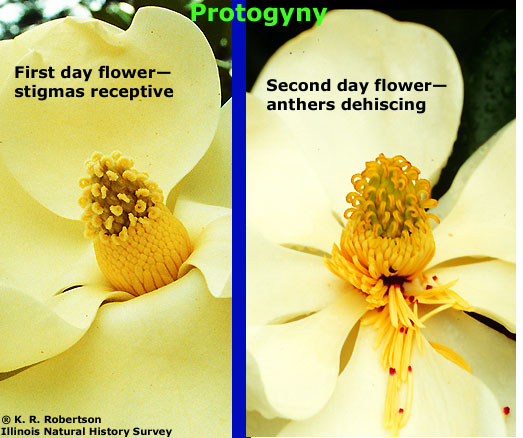
Not Receptive
Sterile = unsplit stigma.
Resupinate
Inverted, reversed, or appearing upside down.

Viscid
Sticky.
Tuber
A thick, underground storage system.
Corms
A solid, more or less globular, underground stem.

Formic Acid
In Urticaceae, stinging hairs cause the stinging sensation.
Calcareous soil
Substrate with limestone or marble rock base = Calcium-rich soils
Mafic Soil
Substrate with silicate or igneous rock base = Magnesium & Iron Rich soils
Winter Annual
Specific type of Biennial Plant. They germinate in late summer or autumn, survives through cold winter months as a small plant, and then matures, produces flowers and seeds, and dies during the following spring or summer.
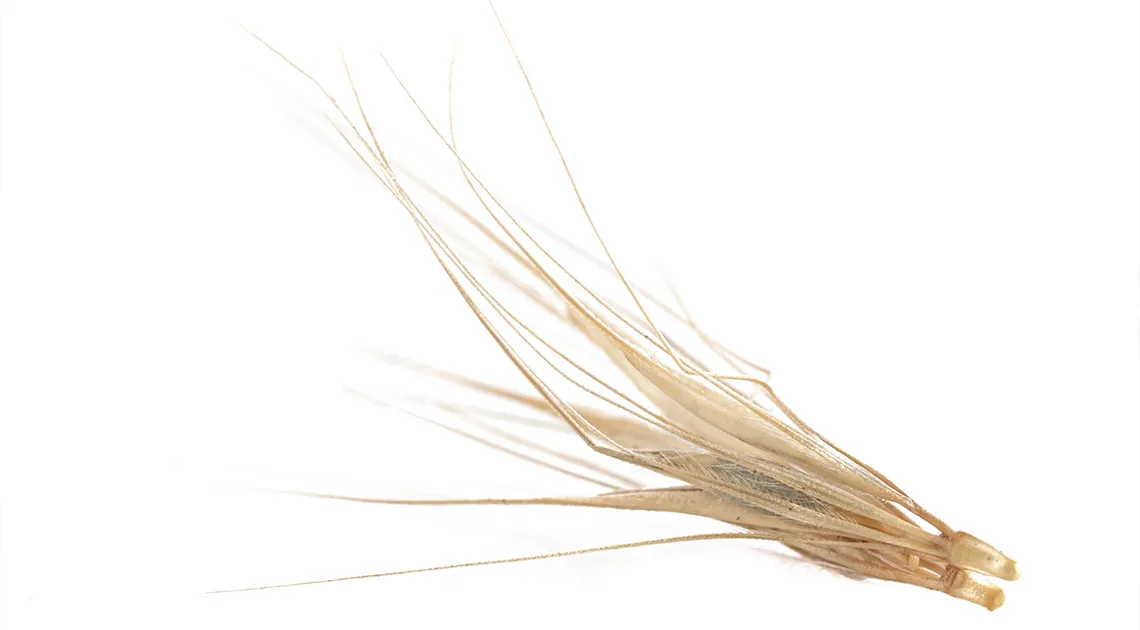
Awn
Hair point on pappus.
Closed/Fused vs Not Closed/Unfused Sheathing Leaves
Closed/Fused Sheathing Leaves: Look at the tube surrounding the stem; there is no split. You cannot pull the edges apart without tearing the tissue.
Not Closed/Unfused Sheathing Leaves: the edges usually overlap or sit against one another, but they feature a vertical split. You can easily peel or separate the edges away from the stem without ripping the tissue.

Culm
The flowering stem of grasses and sedges.

Glume
One of the two sterile bracts at the base of a grass spikelet.

Lateral vs terminal inflorescences
A terminal inflorescence forms directly at the tip of the main stem or branch, while a lateral inflorescnce forms along the sides of the stem in the axils of leaves.inflorescence

Lemma
The lower of the two bracts immediately enclosing the grass flower.

Ligule
A tongue-like appendage at the juncture of the leaf sheath and blade in Cyperaceae and Poaceae; the limb of the corolla of a ray flower in Asteraceae.

Perigynium
The membranous or papery sack-like structure that envelopes the achene in the sedge Genus Carex.

Plumose
Resembling a feather, a central axis bearing fine hairs or side branches.

Solid stems
A plant stem that is filled with tissue through its center, rather than being hollow.
Spikelets
The basic unit of the inflorescence of grasses and sedges, composed of reduced flowers and their subtending bracts.

Tristichous
Leaves arranged in three vertical rows or ranks.

Sedges have edges, rushes are round, grasses have knees that bend to the ground.
Cyperaceae = Triangular cross-section, Juncaceae = Round, smooth stems, and Poaceae = have hollow stems and swollen nodes.
Palea
The uppermost of the two bracts immediately enclosing the grass flower.

Aril
A fleshy stem structure is part of the Taxaceae family.

Cone (Male/Female) what are the differences between male and female cones
Evergreen vs deciduous
Integument
Pollen Tube
Resin