Chapter 6: Blood and the Lymphatic & Immune Systems
 Call Kai
 Learn
 Practice Test
 Spaced Repetition
 Match
 Flashcards
 Knowt Play
1/136

There's no tags or description
Looks like no tags are added yet.
137 Terms
Clinical Laboratory Science / Medical Laboratory Science
Clinical laboratory technologists and technicians perform clinical tests using laboratory equipment, microscopes, and computers. These tests include chemical analyses on body tissues, blood, and other body fluids, growing bacterial cultures, and cross-matching blood for transfusion
Clinical Laboratory Scientist (CLS) / Medical Technologist (MT)
Performs complex medical laboratory tests in addition to administrative and supervisory duties
Phlebotomist
Draws venous blood; Does not perform tests
Transports gases, nutrients, and wastes to all areas of the body either attached to red blood cells or dissolved in the plasma
What is the function of blood?
Fight infection and disease, and platelets initiate the blood-clotting process
What is the function of white blood cells?
Formed Elements
What are the primary components that comprise blood?
Five
The average adult has about ____ liters of blood that circulates throughout the body within the blood vessels of the cardiovascular system.
Plasma
Liquid portion of blood containing 90% water; Remaining 10% consists of plasma proteins (serum albumin, serum globulin, fibrinogen, and prothrombin), inorganic substances (calcium, potassium, and sodium), organic components (glucose, amino acids, cholesterol), and waste products (urea, uric acid, ammonia, and creatinine)
Mixture
Blood is a ____ of floating cells floating in watery plasma.
Formed Elements
Solid, cellular portion of blood; Consists of erythrocytes, leukocytes, and platelets
Erythrocytes
Cells that contain hemoglobin, an iron-containing pigment that binds oxygen in order to transport it to cells of body; Also called red blood cells (RBCs)
Leukocytes
Also called white blood cells (WBCs); Group of several different types of cells that provide protection against invasion of bacteria and other foreign material; Able to leave bloodstream and search out foreign invaders (bacteria, viruses, and toxins), where they perform phagocytosis
Platelets
Cells responsible for coagulation of blood; Contains no hemoglobin; Smallest of all the formed elements; Formed when the cytoplasm of a large precursor cell shatters into small platelike fragments; Also called thrombocytes

Hematopoiesis
Process of forming blood cells; Site in red bone marrow
Body
There are between 200,000 and 300,000 platelets per cubic millimeter in the ______.
Transporting
Plasma and erythrocytes are responsible for _____ substances.
Plasma Proteins
Found in the plasma; Includes serum albumin, serum globulin, fibrinogen, and prothrombin
55%
Liquid plasma composes about ____ of whole blood in the average adult and is 90–92% water. The remaining 8–10% portion of plasma consists of dissolved substances, especially plasma proteins.
Albumin
Helps transport fatty substances that cannot dissolve in the watery plasma.
Gamma
There are three main types of globulins; the most commonly known one, ____ globulin, acts as an antibody.
Fibrinogen
Blood-clotting plasma protein
Dissolved
In addition to the plasma proteins, smaller amounts of other important substances are also ______ in the plasma for transport: calcium, potassium, sodium, glucose, amino acids, fats, and waste products such as urea and creatinine
Biconcave
Erythrocytes, or red blood cells (RBCs), are _____ disks that are enucleated.
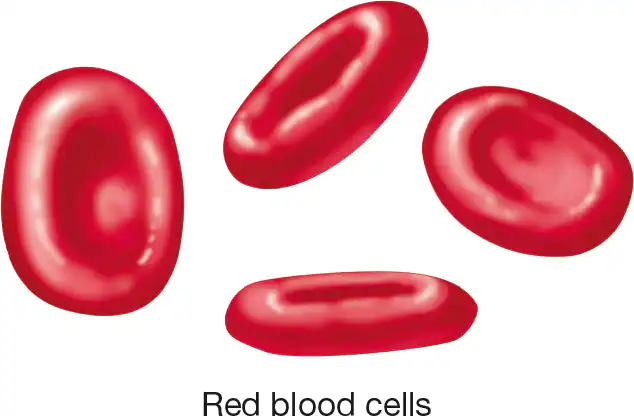
Enucleated
Loss of a cell’s nucleus
Hemoglobin
(Hgb, Hb), (1) iron-containing pigment of red blood cells that carries oxygen from lungs and delivers it to tissue; (2) blood test to measure amount of hemoglobin present in blood
Million
There are about 5 _____ erythrocytes per cubic millimeter of blood. The total number in an average-sized adult is 35 trillion, with males having more red blood cells than females.
120
Erythrocytes have an average lifespan of _____ days, and then the spleen removes the worn-out and damaged ones from circulation.
Reused
Much of the red blood cell, such as the iron, can be ______, but one portion, bilirubin.
Bilirubin
Waste product produced from destruction of worn-out red blood cells; Disposed of by liver
Spherical
In general, white blood cells have a ______ shape with a large nucleus, and there are about 8,000 per cubic millimeter of blood.

Cytoplasm
There are five different types of white blood cells, each with its own strategy for protecting the body. The five can be subdivided into two categories: granulocytes (with granules in the ______) and agranulocytes (without granules in the ______).
Granuloctyes
Granular polymorphonuclear leukocytes; Three types: neutrophil, eosinophil, and basophil
Agranulocytes
Nongranular white blood cells; One of two types found in plasma that are classified as either monocytes or lymphocytes.
Basophils
Granulocyte that releases histamine and heparin to damaged tissues.
Eosinophils
Granulocyte that destroys parasites and increases during allergic reactions
Neutrophils
Granulocyte that engulfs foreign and damaged cells (phagocytosis); Most numerous of the leukocytes.
Monoctyes
Agranulocyte that engulfs foreign and damaged cells (phagocytosis)
Lymphocytes
Agranulocyte that plays several different roles in immune response
Strategy
There are five different types of white blood cells, each with its own _______ for protecting the body.
Thrombocyte
Play critical part in blood-clotting process by agglutinating into small clusters and releasing thrombokinase; Also called platelets.
Hemostasis
Term for blood-clotting process; Also stopping of blood flow using instruments, pressure, and/or medication; Platelets play a critical role in this process
Agglutinate
Clumping together to form small clusters
Clotting
Platelets agglutinate to start the _____ process (Hemostasis). They agglutinate or clump together into small clusters when a blood vessel is cut or damaged.
Thromboplastin
Substance released by platelets; In the presence of calcium, reacts with prothrombin to form thrombin.
Prothrombin
Protein element within blood that interacts with calcium salts to form thrombin
Thrombin
Clotting enzyme that converts fibrinogen to fibrin.
Fibrin
Whitish protein formed by action of thrombin and fibrinogen, which is basis for clotting of blood, which eventually becomes a mesh-like blood clot.
Markers
Each person’s blood is different due to the presence of antigens or ________ on the surface of erythrocytes.
Transfusion
Before a person receives a blood _______, it is important to do blood typing. This laboratory test determines if the donated blood is compatible with the recipient’s blood.
Subgroups
There are many different _____ of blood markers, but the two most important ones are the ABO system and Rh factor.
ABO System
Major system of blood typing
A / B
In the ABO blood system, there are two possible red blood cell markers, ____ and ____. A marker is one method by which cells identify themselves.
Type A Blood
One of ABO blood types; person with type A markers on RBCs; type A blood will make anti-B antibodies that will attack type B blood.
Type B Blood
One of ABO blood types; Person with type B markers on RBCs; Type B blood will make anti-A antibodies that will attack type A blood.
Type AB Blood
One of ABO blood types; Person with both type A and type B markers on RBCs; Since it has both markers, it will not make antibodies against either A or B blood; Will not attack any other blood type; Universal recipient
Type O Blood
One of ABO blood types; Person with no markers on RBCs; The absence of either an A or B marker; Contains both anti-A or anti-B antibodies and will attack all other blood types (A, B, and AB); Therefore, is considered a universal donor
Attacked
Because type O blood does not have either the A or B marker, its red blood cells will not be _______ by the antibodies in type A, B, or AB blood
Universal Donor
Type O blood is considered ________ because its red blood cells will not be attacked by the antibodies in type A, type B, or type AB blood.
Universal Recipient
Person with type AB blood has no antibodies against other blood types and therefore, in emergency, can receive any type of blood
Rh-positive (Rh+)
A person with the Rh factor on their red blood cells. Since this person has the factor, they will not make anti-Rh antibodies.
Rh-negative (Rh−)
A person without the Rh factor and will produce anti-Rh antibodies
Rh+
_____ person may receive both an Rh+ and an Rh− transfusion
Rh−
_____ person can receive only Rh− transfusion.
Lymphatic System
Consists of a network of lymph vessels that pick up excess tissue fluid, cleanse it, and return it to the circulatory system. It also picks up fats that have been absorbed by the digestive system. The immune system fights disease and infections.
Lymph Nodes
Lymphatic Vessels
Spleen
Thymus Gland
Tonsils
The primary structures that comprise the lymphatic and immune systems:
Lymphatic Vessels
Extensive network of vessels throughout entire body; Conduct lymph from tissue toward thoracic cavity and return it into the circulatory system.
Lymph Nodes
Small organs in lymphatic system that filter bacteria and other foreign organisms from body fluids; Commonly referred to as lymph glands
Spleen
Organ in lymphatic system that filters microorganisms and old red blood cells from blood
Thymus Gland
Endocrine gland located in upper mediastinum that assists body with immune function and development of antibodies; As part of immune response it secretes the hormone thymosin that changes lymphocytes to T cells; Active in the unborn child and throughout childhood until adolescence, when it begins to shrink in size
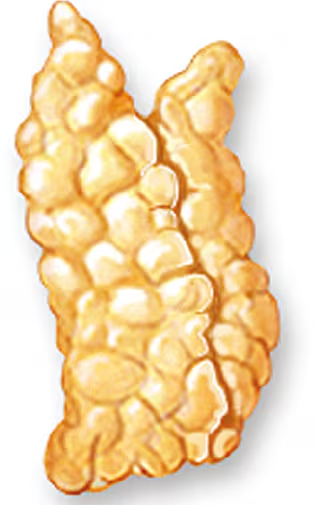
Tonsils
Collections of lymphatic tissue located in pharynx to combat microorganisms entering body through nose or mouth; Include pharyngeal tonsils, palatine tonsils, and lingual tonsils
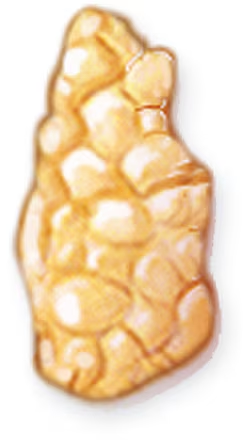
Lymph
Clear, transparent, colorless fluid found in lymphatic vessels.
Lacteals
Lymphatic vessels in intestines that serve to absorb fats from diet; Pickup absorbed fats for transport.
Immune System
The lymphatic system works with the _________ to form the groups of cells, tissues, organs, and molecules that serve as the body’s primary defense against the invasion of pathogens. These systems work together, defending the body against foreign invaders and substances, as well as removing the body’s own cells that have become diseased.
Closed Loop
Lymphatic vessels are not in a _____. They serve as one-way pipes conducting lymph from the tissues toward the thoracic cavity.

Lymphatic Capillaries
Smallest lymph vessels; Collect excessive tissue fluid to send it back to the circulatory system; Merges into larger lymphatic vessels
Valves
Flaplike structures found within tubular organs such as lymph vessels, veins, and heart; Function to prevent backflow of fluid; Low pressure system
Lymphatic Ducts
Two largest vessels in lymphatic system, right lymphatic duct and thoracic duct
Right Lymphatic Duct
One of two large lymphatic ducts that drains right arm and right side of head, neck, and chest; Empties lymph into right subclavian vein
Thoracic Duct
Largest lymph vessel; Drains entire body except for right arm, chest wall, and both lungs; Empties lymph into left subclavian vein
Purify
Lymphatic vessels pick up excess tissue fluid, _____ it in lymph nodes, and return it to the circulatory system.
Lymph Nodes
Small organs in lymphatic system that filter bacteria and other foreign organisms from body fluids; Composed of lymphatic tissue located along the route of the lymphatic vessels; Commonly referred to as lymph glands

Destroy
Lymph nodes also serve to trap and ______ cells from cancerous tumors
Concentrated
Although found throughout the body, lymph nodes are particularly ________ in several regions. For example, lymph nodes concentrated in the neck region drain lymph from the head.
Axillary
Site for lymph nodes; Drain arms and shoulder region; cancer cells from breast may be present
Cervical
Site for lymph nodes; Drain head and neck; May be enlarged during upper respiratory infections
Inguinal
Site for lymph nodes; Drain legs and lower pelvis
Mediastinal
Site for lymph nodes; Drains chest cavity
Pharynx
Medical term for throat; passageway that conducts air from nasal cavity to trachea and also carries food and drink from mouth to esophagus; divided into three sections: nasopharynx, oropharynx, and laryngopharynx
Palatine Tonsils
Tonsils located in lateral wall of pharynx close to mouth
Pharyngeal Tonsils
Tonsils that are collection of lymphatic tissue found in nasopharynx to combat microorganisms entering body through nose or mouth; Commonly referred to as adenoids
Lingual Tonsils
Tonsils located on very posterior section of tongue as it joins with pharynx.
Large
All tonsils contain a ______ number of leukocytes and act as filters to protect the body from the invasion of pathogens through the digestive or respiratory systems.
Not
Tonsils are ____ vital organs and can safely be removed if they become a continuous site of infection.
Spleen
Located in the upper left quadrant of the abdomen, consists of lymphatic tissue that is highly infiltrated with blood vessels; Filters out and destroys old red blood cells, recycles the iron, and also stores some of the blood supply for the body

Blood Sinuses
Spread-out blood vessels within spleen resulting in slow-moving blood flow
Macrophages
Phagocytic cells found in large quantities in lymph nodes; Engulf foreign particles; Because the blood is moving through the organ slowly, the ______ have time to carefully identify pathogens and worn-out red blood cells.
Increased
The spleen is not a vital organ and can be removed due to injury or disease. However, without the spleen, a person’s susceptibility to a bloodstream infection may be _______.
Thymosin
Hormone secreted by thymus gland; Causes lymphocytes to change into T lymphocytes
T Lymphocytes
Type of lymphocyte involved with producing cells that physically attack and destroy pathogens; Lymphocytes active in cellular immunity; Commonly called T cells
Immunity
Body’s ability to defend itself against pathogens