Controlled Substances Unit 2
 Call Kai
 Learn
 Practice Test
 Spaced Repetition
 Match
 Flashcards
 Knowt Play
1/111

There's no tags or description
Looks like no tags are added yet.
112 Terms
Drug
substance capable of a physiological change
Medicine
mixture of drugs and inert ingredients used to prevent or treat symptoms of disease
Forensic Toxicology
detecting and IDing the presence of drugs and poisons in body fluids, tissues, and organs in relation to the law
Drug Classification Methods
Origin
Effect
Chemistry
Use
Scheduling (potential for abuse)
Origin Drug Classification
1) Natural Product
opiate alkaloids = derived from opium poppy
2) Semi-Synthetic
heroin made by soaking morphine in vinegar
3) Synthetic
pharmaceuticals, valium, dronabinol (delta-9 THC)
Categories of Drug Classification Effects
CNS Depressants
CNS Stimulants
Hallucinogenics
Dissociative Anesthetics
Narcoctic Analgesics
Inhalants
Cannabis
Central Nervous System (CNS) Depressants
“downers”
slows down the operation of the brain and body
slowed heartbeat, lower blood pressure, reduced anxiety
alch, barbituates, anti-anxiety tranquilizers (Valium, Xanax, Prozac
antidepressants (ex. Zoloft)
CNS Stimulants
“uppers”
speed up and overstimulate the body
accelerated heart rate and elevated blood pressure
cocaine, amphetamine, meth
can be hallucinogenic in high doses
Hallucinogens
cause the user to have altered perception of reality
alter mental perception of time/space/feeling
LSD, MDMA (ecstacy), psilocybin (magic mushrooms), peyote
Dissociative Anesthetics
inhibit pain by dissociating the brain’s perception of the pain
PCP and dextromethorphan
Narcotic Analgesics
relieve pain, induce euphoria, and create mood changes in the user
Opium, codeine, heroin, morphine, methadone, vicodin, and oxycontin
Inhalants
breathable substances that produce mind-altering results and effects
toulene, rubber cement, paint, gasoline, paint thinners, hair sprays, and various anesthetic gases
Cannabis
majijuana
delta-9-tetrahydrocannabinol (THC)
includes all cannabinoids
Predator Drugs (USE)
Date-rape drugs, drug-facilitated sexual assault (DFSA)
Alcohol, ketamine, Rohypnol, GHB (Gamma-Hydroxybutyrate)
Lack of memory often leads to delayed testing
Club Drugs (USE)
Used to create “highs” and energy at parties and in clubs
Ecstasy (MDMA, methylenedioxymethamphetamine), LSD (lysergic acid diethylamide), psilocybin, PCP (phencyclidine)
Performance-Enhancing Drugs (USE)
Anabolic steroids, human growth hormones (HGH)
Horses too (gambling)
Controlled Substances Act
1970
placed regulated substances into 1 of 5 schedules
based on
accepted medical use
potential for abuse
safety or dependence libability (addition potential)
HIGHEST = SCHEDULE I
LOWEST = SCHEDULE V
Schedule I
no accepted medical use with a lack of accepted safety and high abuse potential; medications within this schedule may not be prescribed, dispensed, or administered for medical use
ex) heroin, peyote, ecstasy, LSD
Schedule II
high abuse potential with severe psychological or physical dependence; however, these medications have an accepted medical use and may be prescribed, dispensed, or administered
ex) morphine, codeine, hydromorphone, methadone, oxycodone, fentanyl, amphetamine, etc
Schedule III
abuse potential less than Schedules I or II but more than Schedule IV medications; abuse may lead to moderate or low physical dependence or high psychological dependence
ex) Tylenol with codeine, anabolic steroids, ketamine
Schedule IV
abuse potential less than Schedule III but more than Schedule V medications
ex) various benzodiazepines
Schedule V
medications with the least potential for abuse among the controlled substances
ex) phenergan with codeine, Robitussin AC, etc.
Drug Enforcement Administration (DEA)
primarily responsible for enforcement of Controlled Substances Act
updated implementation
gets confusing with weed
temporary control on emergency basis
in case there’s influx of drug associated deaths (need to see if something can be released back to public or permanently controlled)
can’t control everything because medicinal use
goal is to protect public health from dangerous controlled substances but ensure patients have access to pharmaceuticals for legitimate medicinal purposes
DEA registration required to work with controlled substances
pharmacies, academies, retailers
Cannabis
all products derived from the Cannabis Sativa L.
multiuse plant: stem (fiber), seeds (oil), resin (cannabinoids)
Cannabis Sativa
light green, narrow leaves, tall in stature, long-flowering cycle

Cannabis Indica
dark green, broad leaves, shorter in stature, long-flowering cycle

Cannabis Ruderalis
hybrid of cannabis sativa and cannabis indica

Dioecious plant
male and female components on separate plants
Male Cannabis sativa L.
harvested for hemp

Female Cannabis sativa L.
harvest for THC content
flowers contain ~4-24% THC
Leaves ~1-5% THC

delta9-tetrahydrocannabinol (THC)
main psychoactive component
Schedule 1 controlled substance
comes from resin
other cannabinoids are also present
Hand rubbing
collecting resin on hands
shaking
shake plant over plastic to collect resin
sieving
rub plant on mesh sieve to filter the small resin particles
Water Extraction
put plant in water and agitate
plant material floats and the resin sinks
Tumbling
plant material is tumbled in a vessel with small holes
Soaking
soak plant material in a solvent that will dissolve resin, and evaporate the solvent
Percolating
heat solvent in a container with marijuana suspended above liquid and allow vapors to condense on the plant material, dissolve resin, and drop back into the solvent
Effects of weed = ventral striatum
sense of euphoria/relaxation
Effects of weed = neocortex
distortions of sensory perceptions
Effects of weed = hypothalamus
increase in appetite
Effects of weed = amygdala
anxiety, fear, and panic
Effects of weed = hippocampus
impaired learning
Effects of weed = cerebelum
decreased motor control
Hemp
grown specifically for industrial use
hardy plant
easy to cultivate
used in fiber, clothing, rope, cosmetics, etc
Marijuana
grown specifically for psychoactive properties
delta9-THC typically 1-5% from leaves
higher from oily resin from flowering tops
selective breeding to increase delta9-THC content
2018 Federal Farm Bill
Marijuana means the plant Cannabis sativa L, whether growing or not, the seeds of that plant, and every compound, manufacture, salt, derivative, mixture, or prep of that plant/seeds
hemp = not more than 0.3% delta9-THC on a dry weight basis
since both come from Cannabis sativa L must identify delta9-THC and demonstrate that the concentration is greater than 0.3%
super confusing because what does “dry weight” mean?
Sinsemilla
Spanish for “no seed”
cultivation technique to get the highest delta9-THC content
female flower heads — “buds” that remain unfertilized throughout maturity
Trichomes
hair-like structures on the epidermis of the plant
Cystolithic Hairs
shape of a bear claw
base contains calcium carbonate
not unique to marijuana, but useful for identification
type of trichome
Glandular Hairs
round structures on the top
sometimes described as mushroom-shaped
type of trichome
Cover Hairs
long and thin
type of trichome
Delta9-THC
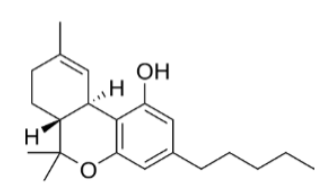
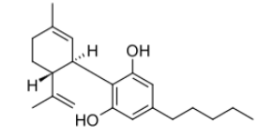
Cannabidiol (CBD)
non-psychoactive, medicinal target
Cannabinol (CBN)
mildy psychoactive, THC degredation product

Tetrahydrocannabinol Acid (THCA)
precursor to THC, decarboxylation to THC with heat

Cannabidolic Acid (CBDA)
precursor to CBD, decarboxylation to CBD

CNS Depressants
substance that slows down the operation of the brain and body
reduce anxiety
tranquilizers
sedatives
anti-depressants
anti-histamines
muscle relaxants
most are abused pharmaceuticals
ex) Xnanax, Valium, etc
CNS Depressant Types
Alcohol = social consumption
Barbiturates = sleep, sedative, anti-anxiety, prevent seizures (ex. phenobarbital)
Benzodiazepines = sleep sedative, anti-anxiety, depression (ex. Diazepine = Valium)
Nonbenzodiazepines = sleep sedative, anti-anxiety, depression (ex. Zolpidem = Ambien)
Miscellaneous = Gamma-Hydroxybutyric Acid (GHB)
Alcohol
most abused CNS depressant (Ethanol = intoxication, methanol = blindness = moonshine)
drinking alters an individual’s mood, behavior, and neuropsychological functioning
Commonly mixed with other CNS depressants (Benzodiazepines)
forensic relevance is blood alch testing (legal limit = 0.08 g/dl)
Barbiturates
barbituric acid first synthesized in 1864
German chemist Adolf von Baeyer
no sedative or hypnotic properties
nobel prize in 1905 for work with dyes (blue indigo dye)
mods to barbituric acid led to active compounds → barbital synthesized in 1902 by German chemists Emil Fischer and Joseph Merring

Barbiturate Categories
Long acting = barbital, phenobarbital (treat seizures in young children/animals)
Intermediate/Short Acting = pentobarbital, secobarbital (physician-assisted suicide), butalbital
Very-Short acting = methohexital & thiopental
Barbiturate Dangers
have one of the highest risks of overdose of all illegal drugs!
steep slope in dose-response curve
considerable overlap in therapeutic and toxic doses
numerous celebs have overdosed = Elvis, Marilyn Monroe, Hendrix
Physician-assisted suicides
Reccommends barbiturates for suicide (controversial)
Medicinal Uses of Barbiturates
migraine medications = fiorcet and fiorinal (barbital)
anticonvulsants for seizures = mebaral (mephobarbital)
surgical anesthetics = surital (thiamylal)
treatment of insomnia = luminal (phenobarbital)
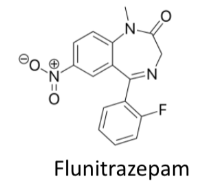
Rohypnol & Flunitrazepam
10x more potent than diazepam and rapid onset
extreme muscle relaxation and memory loss
used in drug-facilitated sexual assaults
Schedule I controlled substance
Nonbenzodiazepines
lates 1980s & early 1900s
Z-type drugs
primarily sleep aids
most common = Zolpidem (Ambien)
somewhat forensically relevant
same analysis techniques as benzodiazepines

Gamma-Hydroxybutyric Acid (GHB)
Dr. Henri Laborit discovered GHB in 1960 while researching GABA-like inhibitors (investigating possible anesthetics)
GHB sold as an anesthetic in Europe in 1964, but not widely adopted as it causes seizures
2022, sodium oxybate (Xyrem) released for narcolepsy
colorless and odorless (easy to spike into drinks unnoticed)
undetectable in urine after a few hours
best analysis = hair

Gamma-AminoButyric Acid (GABA)
GABA receptors are main target of almost all CNS depressants
originally available through supplements for body builders
produce Human Growth Hormone (HGH)
popular at raves
reduced inhibitions
most well-known for drug-facilitated sexual assaults
Schedule I in 2000

CNS Stimulant
compound that speeds up and overstimulates the body
accelerated heart rate and elevated blood pressure
can be hallucinogenic in high doses
common examples: cocaine, amphetamine, methamphetamine, MDMA
Cocaine
derived from coca leaves
Cocaine HCl = white crystalline powder that comes from coca leaves
Cocaine Base = “crack” → irregularly shaped white rocks
Street Names: Coke, Crack, Rock, Snow
Schedule II controlled substance → accepted medicinal use for it’s anesthetic properties (eye surgery)
increases energy levels by increasing synaptic dopamine levels → regulates movement and pleasure
increases norepinephrine → stimulates the CNS for flight or fight → stimulates the brain for alertness, attention, and memory
increases serotonin → promotes well-being and happiness
How much cocaine could be found in Coca-Cola?
Estimated 9 mg cocaine/glass
Harrison Act (1914)
banned non-medical use and imports of cocaine
taxed medicinal use (not to support addicts)
What are the active and nonactive forms of cocaine?
ENANTIOMERS
L-Cocaine = active (coca leaves)
D-Cocaine = not active (synthesized)
D-Cocaine is rarely seen without L-cocaine (1980s testimony)
GC-MS can’t differentiate

Amphetamine
comes from alpha-methylphenethylamine
belongs to the phenethylamine class
abuse is a relatively recent phenomenon → methamphetamine epidemic 1990s followed cocaine in 1980s
increases the production of dopamine in the brain and blocks its metabolism → energy/strength/confidence but hallucinogenic in higher doses (delusions, paranoia)
several current applications as prescription medications (ex. Aderall)

Methamphetamine
first synthesized in 1987 → structural analog of amphetamine (additional methyl group)
~5-10x more potent than amphetamine
extensively used during WWII by both sides
Schedule II controlled substance in 1970 CSA

Meth Mouth
severe tooth decay and gum disease
Meth Bugs
Formication → sensation that resembles that of small insects crawling on or under the skin when nothing is there
MDMA
3,4-Methylenedioxymethamphetamine = “ecstasy”
Schedule I
CNS stimulant and hallucinogen
Desired: increased empathy, euphoria, and heightened sensations
Adverse: memory problems, paranoia, difficulty sleeping, teeth grinding, blurred vision, sweating, and a rapid heartbeat
when taken by mouth, effects begin after 30-45 min and last 3-6 hours

MDA
3,4-Methylenedioxyamphetamine
synthesized in 1910
investigated for treatment of Parkinson’s disease and as cough suppressant

Alexander Shulgin
chemist for Dow Chemical Company in 1967 → rediscovered MDMA from 1912
experienced effects and changed his life forever
developed a new synthetic method and provided it to a psychologist friend who used it for talk therapy
“Cookbooks”
PiHKAL (Phenethylamines I Have Known And Loved): A Chemical Love Story (1991)
TiHKAL (Tryptamines I Have Known And Loved): The Continuation (1997)
Names, structures, active doses, effects, and synthetic routes
Over 250 hallucinogenic compounds between the two books
Hallucinogens
substances that cause the user to perceive things differently than reality
alter mental perception of time/space/feeling
very few hallucinogens cause true “hallucinations”
sometimes referred to as psychadelics
examples include: LSD, Psilocybin (magic shrooms), Peyote, MDMA (ecstacy)
Ayahuascas
South American psychadelic brew (hallucinogen)
Dr. Albert Hofmann
swiss chemist working for Sandoz
synthesized LSD in 1938 as an intermediate to ergonovine (circulatory stimulant)
in 1943, he began working with LSD again → this time, he was in search of a stimulant
Accidental exposure on April 16th, 1943
intentional ingestion of 250 micrograms 3 days later
became “Bicycle Day” → escorted home by an associate, thought he was going insane → 1st LSD trip
LSD Forms of Abuse
Sugar Cubes
Tablets/Capsules
Liquid Form (orally, intraveneously)
Blotter Paper → more distinguishable, light, and easy to transport/use'; put a logo on it
LSD Effects
Physical = dilated pupils, high body temperature, inceased heart rate/blood pressure, sweating/chills, sleeplessness
Physiological = depersonalization, distorted perception of reality, mood swings, paranoia, depression
**highest trip = first trip
Long-Term = flashbacks can occur weeks, months, or years later
most last a very short time (1-2 min)
decreased motivation
prolonged depression
impaired memory/concentration
possible severe mental disturbances
psychosis
increased delusions
LSD
schedule I controlled substance → anxiety/depression medicinal use research ongoing
powerful hallucinogen (easily absorbed through skin)
often abused as a club drug
abuse has declined since 1999
basic drug (multiple basic site [amines]) → base-base amphoteric molecule (complicated) and bulky

Dissociative Anesthetics
inhibits pain by cutting off or dissociating the brain’s perception of pain → not at all trying to solve the pain, just trying to ignore it
interferes with glutamate and NMDA receptors in brain to cut off the pain signal
important in cognition, emotion, and perception of pain
examples: PCP, Ketamine
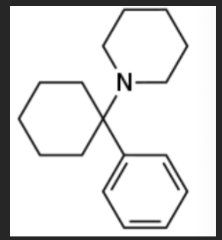
PCP
1-(1-Phenylcyclohexyl) Piperidine
phencyclidine
Schedule II synthetic drug
recreationally used for hallucnogenic effects
much more common in TX than in other states
“angel dust” = PCP on marijuana
PCP Forms of Abuse
Smoked → most common (dipped cigarette, vaporizer, easily soluble in water, angel dust onto weed that’s smoked)
Injected
Snorted
Ingested orally (pills & capsules)
PCP Effects
Short-Term = hallucinations, sedation, amnesia, immobility
effects felt within 2-5 min after smoking and 30-60 min after swallowing
intoxination may last from 4-8 hours
Long-Term = addition leads to physiological dependence
memory loss, mood swings, speech difficulty, and depression
if abused during a developmental stage, people may forget how to speak, etc
PCP Analogs
approx 30 PCP analogs
many Schedule I controlled substances
examples: Rolicyclidine, Eticyclidine, Tenocyclidine
similar chemical structur to other dissociative anesthetics (Ketamine)
Core is the exact same (“Chemical scaffold”), we just change functional groups

Narcotic Analgesics
used to relieve moderate-to-severe acute or chronic painj
can also induce euphoria and create mood changes in the user
overused, overprescribed, and misused
opium, morphine, heroin, hydrocodone, oxycodone, methadone, fentanyl (+ its analogs)
Opiates
alkaloids found naturally in opium
Opiods
natural, semisynthetic, or synthetic with opium— or morphine —like pharmacological action
can be chemically different from any components in opium
Opium Poppy
beautiful flower capable of growing nearly everywhere
hundred of rellated species, but only two capable of producing “opium”
approx 90 days for maturation
a golf-sized bulb, or pod, remains after the petals fall off
fully developed bulb full of small, blackish poppy seeds
must be harvested from the bulbs after the petals fall off but before the seeds fully develop
Harvesting Opium from Poppy
have to harvest the opium pod
each pod is carefully scored so the white milky latex oozes out
cannot cut too deeply
after several hours of air drying, latex becomes a discolored/gummy substance = raw opium
repeated 3-4 times per pod
Morphine
first isolated and identified in 1803 by German chemist Friedrich Serturner
10x more potent than raw opium
named after Morpheus, mythological son of sleep g-d Hypnos
first active substance to be extracted, isolated, and identified from a plant
first marketed by Serturner and Company as a pain med and treatment of opium/alch addition
Heroin
in search of a more powerful analgesic, scientists experiemented with morphine and made heroin
marketed as a non-addictive alternative to morphine (addictive) and a cough suppressant
found in southeast asia, southwest asia, south america, mexico
Harrison Tax Act (1923)
aims to curb drug abuse and addiction
doctors and pharmacists are required to register and pay a tax for using heroin and other narcotics
Heroin Act (1923)
made manufacture and possession of heroin illegal