AP HUG Unit 3
 Call Kai
 Learn
Learn Practice Test
 Spaced Repetition
 Match
Match Flashcards
 Knowt Play
1/77

There's no tags or description
Looks like no tags are added yet.
Name | Mastery | Learn | Test | Matching | Spaced | Call with Kai | Chat |
|---|
No analytics yet
Send a link to your students to track their progress
78 Terms
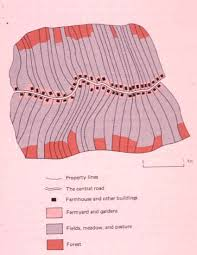
long-lot settlement pattern
a linear settlement pattern where each farmstead is at one end of a long, narrow rectangular lot. Ecah has access to a maor linear resource like a river, major road, etc.
Seen in North America, West Africa, Southeast Asia, and South America
examples of cultural traits that make up culture
architecture: modern housing may be easy to replicate but housing using local resources are regionally unique(EG adobe homes of the American Southwest). Streets, homes, building material, architectural styles, and buildings
food: historically shaped by local availability and cultural taboos. Change in food customes lead to broader cultural shifts.
technology: prioer to the industrial revolution, most goods were produced at home so ocal \cultures were distint(amish still reject tech and have a unique culture). But now, tech is everywhere and diffuses culture and allows for the distribution of mass produced goods
material culture vs nonmaterial culture
material culture(artifacts): the physical, visibile objects made and used by members of a cultural group(buildings, instruments, clothing, food artwork)
nonmaterial culture(mentifacts): intangible elements of culture that are passed down from generation to generation in a society
Cultural trait
a single aspect of a given culture
Types of cultures
local: rural, ethnically homogenous cultures deeply connected to the land. Regionally distinctive and resistant to change(old people cling to old practices)
indigenous cultures: local cultures that are no longer the dominant ehtnic group in their traditional homeland because of migraiton, colonization or political marginization
popular cultures: heterogenous cultures influenced by key urban areas and are quick to adopt new tech. Young drive change
cultura lattitudes
concepts and idea sin a society shaped by cultural opinions, beliefs and perspectives
language
a mutually agreed upon system of symbolic commmunication
polygots
those fluent in more than 2 languages
code switching
when cultural context affects how poeple behave in public and speak to others
a native spanish speaker interacts with spanish speaking friends different than english speaking ones
religion
a structures sed of beliefs and practices through which people seek mental and physical harmony with the powers of the universe
ethnic group vs race
ehtnic group: a people with common ancestry and cultural tradition. Has a strong feeling of cultural identity
race: defined by physical characeristics of a group(esp skin color)
ethnic geography
the study of the spatial aspects of ethnicity
multiculturalism
a set of policies tha tpromote the active participation and inclusion of minorities in national histories and policies and cultural institutions to embrace differences in society.
ethnocentrism vs cultural relativism
ethocentrism: evaluates other cultures from the perspective of your own culture(EG japanese people are inferior because they use chopsticks instead of the superior spoon and fork method)
cultural relativism: trie sto understand cultures from a wider perspective of cultural logic(using chopsticks in Japan is a very interesting cultural trait and it makes sense why they do that)
cultural landscape
landscapes that have been shaped by human involvedment(built environments). Tells us the story of the culture or place
EG signs in quebec are in english and french so that they can retain their french canadian heritage
Things making up cultural landscapes
religion: houses of worship, arhitectural style, cemetries, food taboos
Linguistic: signage, accent
Gender spaces: areas where particular genders are considered welcome or unwelcome. ex in traditional cultures, you wouldn’t have women in a workspace
sequent occupance
successive societies leave their cultural imprints on the place, each contributing to the cumulative cultural landscape
type of architecture
traditional(vernacular): uses local materials and knowledge. Buildings are simple and practical
Postmodern: started in the 1960s. Buildings are more artistic and also reflect the local culture
Modern architecture: functoinal, rational, and orderly building design`
physical landscape
all natural physical surroundings that create and shape teh places we are living in or examining(not built environment)
placelessness
the feeling resulting from the standardization of the built environment. Causes local distinctiveness to be erased so that many places have the same cultural landscape
sacred spaces
natural or human made sites that have religious meaning
secular
when something becoes less influenced by religion
subculture
people with distinct norms, values, and practices that distinguish them from the dominant culture. IE goths
iconclasm
destruction of statues, monuments, plaques, and others
sense of place
a person’s perception of a place; the distinctiveness of a place
placemaking
efforst to use adn design publc places to better serve the needs of the community and foster a stronger community
centripetal vs cetrifugal forces
centripetal: a force that brings people together and unifies a community
centrifugal: a force that threatens the cohesion of a community
secularization
the process in which religion becomes a less odminant force in everyday life than it was in the past
absorbing vs permeable barrier
absorbing: halts diffusion
Permeable: slow diffusion but still allow for partial or weakened diffusion. More common
pidgin
a trade language that has very small vocabulary derived from the languages of at least 2 groups
creole
a pidgin language that got a fuller vocabulary and has beomc the native language of its speakers IE hawaiin creole
creolization
the linguitsic process where languages converge and create new languages and forms of communication. Usually when a colonizer’s language mixes with the indigenous language.
lingua franca
a language of communication and commerce spoken across a wide area where it is not a mother tongue
bilingualism
ability to speak 2 languages fluently
empire
a sovereign poltical entity that seeks to expand beyond their orgin land to control lmore territory politically or economically
imperialism vs colonialism
imperialism: the motivating impulse to control greater amounts of territory
colonlialism: the act of forcefully controlling a foreign territory, which becomes a colony
genocide
the systematic killing of members of a racial, ethnic, or linguistic groups
dialects
variations of a standard lagnuage along regional or ethnic lines
categorized by spelling, vocab, syntax, pronunciation, cadence, pace of speech
isogloss
the boundary between the speaking of different dialects
silent trade and columbian trade
silent trade: silent barter system in early Africa when they didn’t have a common language or pidgin
columbian trade: trade with the new world
time-space convergence
the introduction of new transporation technologies progressively reduces the time it takes to travel between two places
endangered languages and exintct languages
endangered: not taught to children by parents; not activtely used in daily matters
extinct: no speakers or only a few elderly speakers
language hotspots
places with teh most unique, midunderstood, or endangered languages
convergence hypothesis
idea that cultures are converging(becoming more alike)
glocalization
adopting global practices to fit local cultural practices and preferences
Christiainity
Roman Catholicism(heart is Rome): churches are ornate, Southern Europe, southern america
Eastern Orthodox: churches have domes with a cross, in eastern europe
Protestant(started because Martin Luther wrote complaints on the door of a church. They protested roman catholicism which created a break. Solidified by King Henry VII’s church of England): churches are more modest, northern europe. north america
Dead in churches
universalizing; biggest in area and adherents(asia and africa are fastest growing)
islam
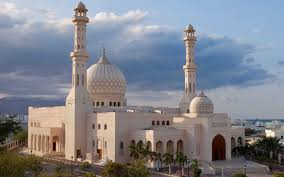
Mosques(domes and minarets-tall slender towers)
Crescent moon and star
No statues of people as that’s disrespectful to Allah
bury their dead in cemeteries
mostly in the desrt of Asia and north america and in the humid tropics
Fastest growig religion in terms of new followers because of missionary success in sub-saharan africa that has high birth rates
Muslims
Qur’an
Sharia: islamic law
Five pillars: allah, pray 5 times, give zakat to the poor, fast during Ramadan, make 1 pilgrimmage to Meca
Shi’a and Sunni Muslims
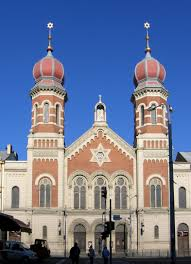
jewish
synagogues(Star of David)
bury in cemeteries
ethnic religion so anyone born from a jewish mother is jewish. Conversion is discouraged
First major monothesistic religion from southwestern asia
Torah
Historic diasporas meant that judaism is a miniority everywhere it goes
Ashkenazim: lived in germany and france before migrating to central and eastern europe
Mizrachim: never left middle east and north africa
sephardim: from spain and portugal
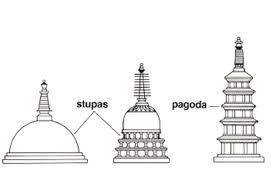
buddhist
symoblizes the five elements(fire, earth, air water, wisdom)
stupas in thailand(house relics)
Pagodas in Japan(inspire inner and outer peace)
traditionally cremate
child of Hindhiusm(share beliefs like dharma-harmonious and eternal truth- reincarnation, ahimsa-nonviolence)
reach nirvana(personal englightenment stemming from the quelling of desire) to become buddhas
most widespread in south and east asia
tends to merge with native religions
dharma wheel(noble 8fold path)
hinduism
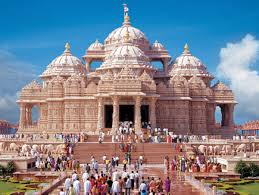
mandirs(very ornate): communal houses of worship
Typically worship everyday at home at shrines
cremate
polytheistic: supreme god is Brahman but he has many different manifestionations
dharma: harmonious and eternal truth
reincarnation
karma; ahimsa(nonviolence) to most hindus are vegetarian
moksha: liberatonf rom reincarnation when you are pure
Majority in india, nepal, and mauritus
sikh
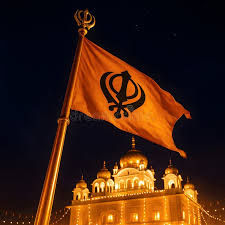
gurdwaras(punjabi for residence of the Guru. The guru is a book of sikh scriptures)
Usually have the sikh flag
cremate
cultural hearth
a focused geogrpahical area where important innovations are born and from which they spread
language families
`a group of related languages that share a common ancestry
dialect
a regional variation of a language that can be understood by people who speak different variations of the same language
accent
a way of pronouncing words
monotheistic vs polytheistic
monotheistic: belief in one god(EX Judaism, Islam, Christianity)
polytheistic: belief in multiple gods(EX hindhuism)
universalitizing religion vs ethnic religion
universalizing: activitely seeks new members and believes its message has a universal importance and application
ethnic: identifies with a specific ethnic or tribal group; does not seek converts
pagans
those who follow an unocnventional religion
proselytic
a religon who spreads through missionary work
Semetic Religious Hearth
home of the 3 great monothesistic religions(Christianity, judaism, Islam); arose from the people speaking semetic rlanguage in the middle east
indus-gangas religious hearth
plain along the northern edge of the indian subonctinent; hinduism and buddhism
east asian religious hearth
confucianism and taoism; adopted thorughout China once promoted by chinese elites and spread thorugh trad enad military conquest
indo european language family
largest, most widespread language family. 7 out of the 10 most spoken languages(not includes mandarin, arabic and indonesian)
Anatolian hypothesis: began in anatolia and spread becasue of plant domestication, wide criticized
kurgan hypothesis: militaristi kurgans on horseback overtook agricultural societies
sino tibetian language family
china and southeast asia(himalayas and northeast india)
afro asiatic language family
North Africa, the Horn of Africa, the Sahel, and Southwest Asia. It includes key languages like Arabic, Amharic, Somali, Hausa, and Hebrew, divided into six main branches: Berber, Chadic, Cushitic, Egyptian, Omotic, and Semitic.
toponyms
names given to places
specific: HUNTS-ville
generic: tells what kind of place hunts-VILLE
abrahamic religions
worship abraham, the three monothesistic religionsc
judeo-christian
beliefs and practices shared between jews and christians
animism
fiath in the idea that souls exist in humans and natural phenomena(entities of the natural environment)
shaman: tribal religious figure
EX shinto kamis
architecutre usuallly wood and stone
sacrifices common
ethnially exclusive and traditions are orally passed down
acculturation vs assimilation
acculturation: occurs when an ethnic or immigrant group ADOPTS enough of the ways of the host society to be able to function economically and socially (EX an immigrant learning anew immigrant to help get a better job)
assimilation: when an ethinic or immigrant group BLENDS IN with the host culture and LOSES many culturally distinctive traits(commonly as a result of INTERMARRIAGE)
transculturation
when people adopt elements of other cultures as well as contributing elements of their own culturews
transforms both cultures
cultural syncretism
blends beliefs, practices, and traits. ESP in religious ocntexts
syncretic vs orthodox religions
syncretic: religions that combine elements of two or more belief systems
orthodox: emphasizes purity of fiath; does not blend with other belief systems
pattern of baptists, methodists, lutherans, and catholics in the US
Baptists and Methodists (The South): Baptists, particularly Southern Baptists, are the predominant group throughout the "Bible Belt," which stretches across the South. Methodists also have a strong presence in the South and lower Midwest, often forming a "thin red line" of influence in the upper South.
Catholics (Bordering Mexico & North/West): While Catholicism is widespread, it is the dominant, highest-practicing denomination along the U.S.-Mexico border (especially in Texas and New Mexico) due to Hispanic Catholic populations. It is also the plurality in the Northeast, West Coast, and parts of the Midwest.
Lutherans (Near Canada): Lutheranism is heavily concentrated in the Upper Midwest—specifically Minnesota, Wisconsin, and the Dakotas—due to historical immigration patterns from Scandinavia and Germany.
pattern of religion in africa
northern africa: muslim
sub saharan: christian
countries that colonized
Primary European Colonial Powers
British Empire: Controlled a massive global empire, including India, Australia, Canada, New Zealand, South Africa, Nigeria, Egypt, and Hong Kong.
French Empire: Dominated West and North Africa (Algeria, Senegal, Ivory Coast), Indochina (Vietnam, Laos, Cambodia), Haiti, and French Guiana.
Spanish Empire: Colonized most of South and Central America, Mexico, the Philippines, Cuba, and Puerto Rico.
Portuguese Empire: Focused on Brazil, Angola, Mozambique, Guinea-Bissau, Cape Verde, and trading ports in India and Asia (Goa, Macau).
Dutch Empire (Netherlands): Dominated Indonesia (Dutch East Indies), Suriname, and parts of the Caribbean.
German Empire: Colonized Namibia, Cameroon, Tanzania (German East Africa), and Rwanda.
Italian Empire: Controlled Libya, Eritrea, and parts of Somalia.
Belgian Empire: Controlled the Democratic Republic of Congo.
National Geographic +6
Significant Non-European Colonizers
Japan: Colonized Taiwan, Korea, Manchuria, and parts of Southeast Asia in the late 19th/early 20th century.
United States: Colonized the Philippines, Puerto Rico, Guam, and expanded across North America.
Wikipedia +4
religions of the main colonizers
British Colonies: Heavily Protestant. New England was dominated by Puritans (Congregationalists), while Virginia and the South were predominantly Anglican (Church of England). Pennsylvania was a refuge for Quakers.
Spanish Colonies: Exclusively Roman Catholic. Spain was committed to spreading Catholicism through missions in areas like Florida and the Southwest.
French Colonies: Primarily Roman Catholic. France aimed to establish Catholic missions and settlements in Canada and Louisiana.
Dutch Colonies: Primarily Dutch Reformed (Calvinist), though they were known for greater religious tolerance, allowing for a mix of Lutherans, Quakers, and Jews.
maryland religion
haven for roman catholics originally