Kinesiology: Anatomy & Physiology Muscles
 Call Kai
 Learn
 Practice Test
 Spaced Repetition
 Match
 Flashcards
 Knowt Play
1/50

There's no tags or description
Looks like no tags are added yet.
51 Terms
Frontalis muscle
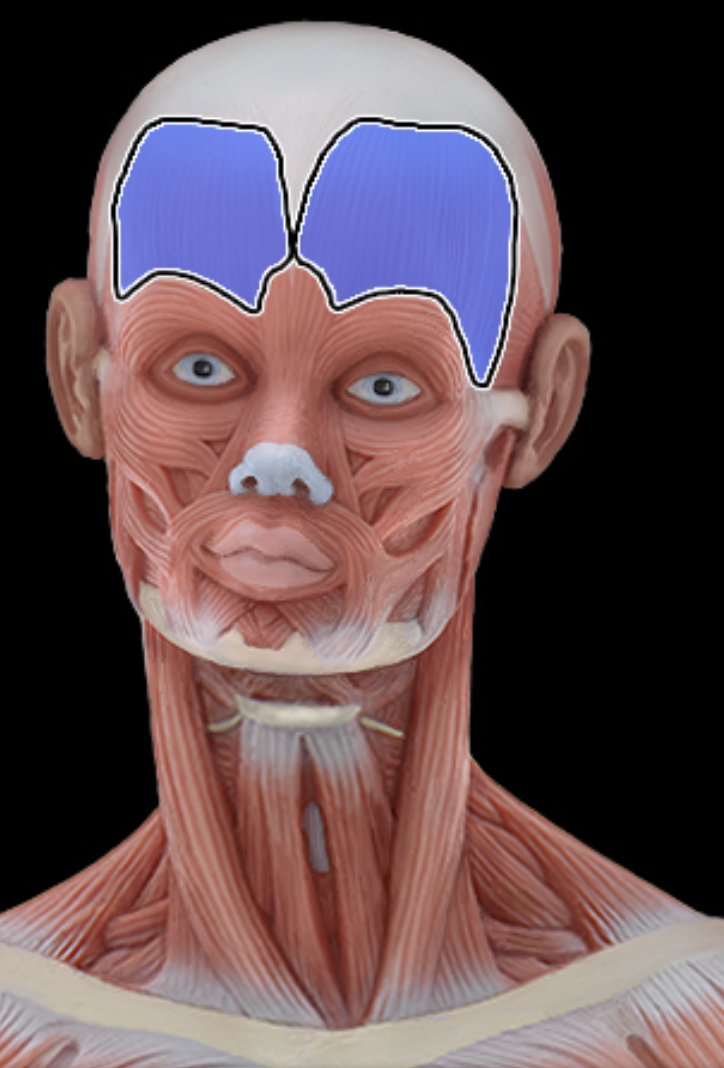
Occipitalis muscle

Orbicularis oculi
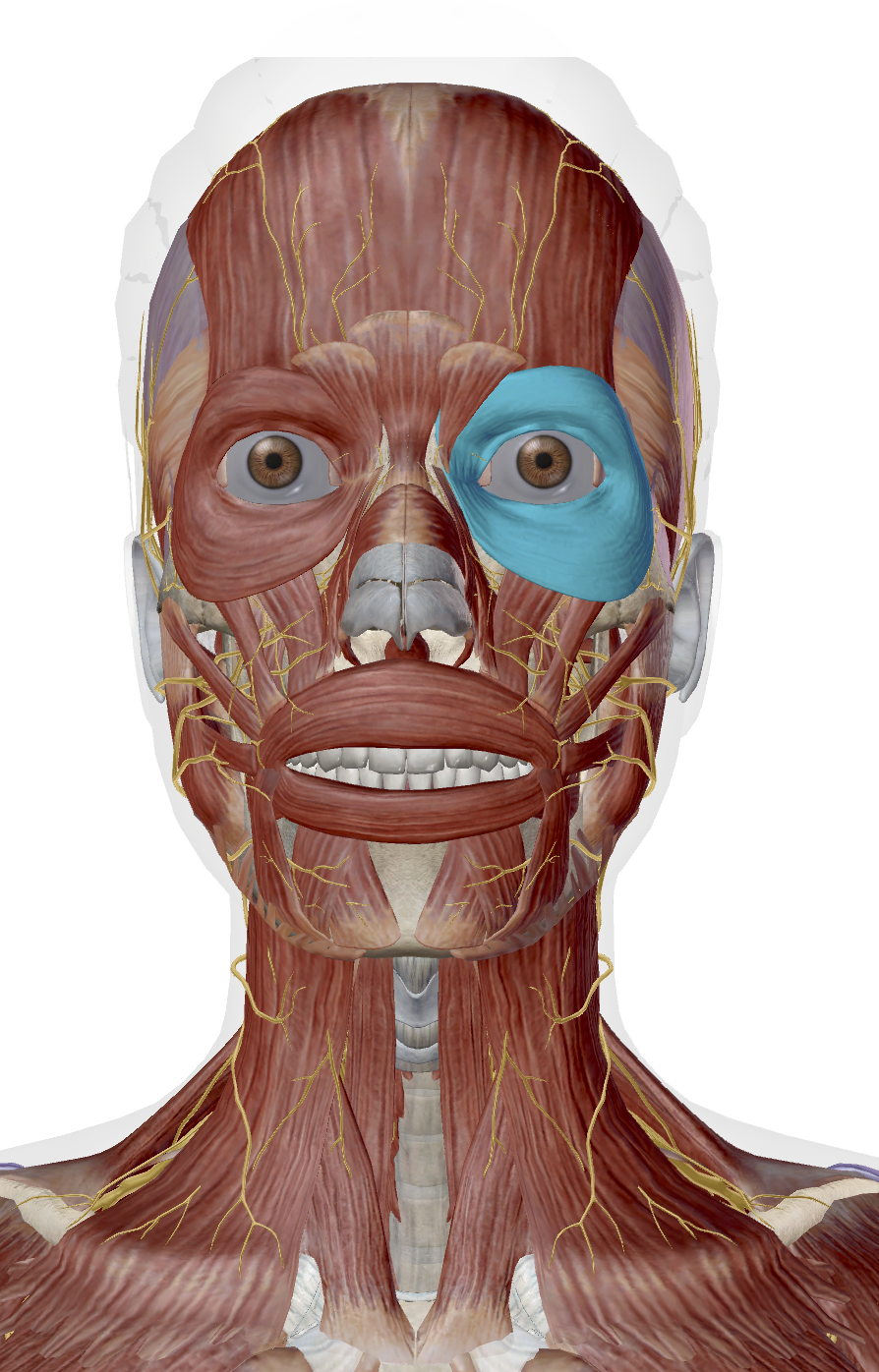
Orbicularis oris

Zygomaticus major

Zygomaticus minor

Masseter
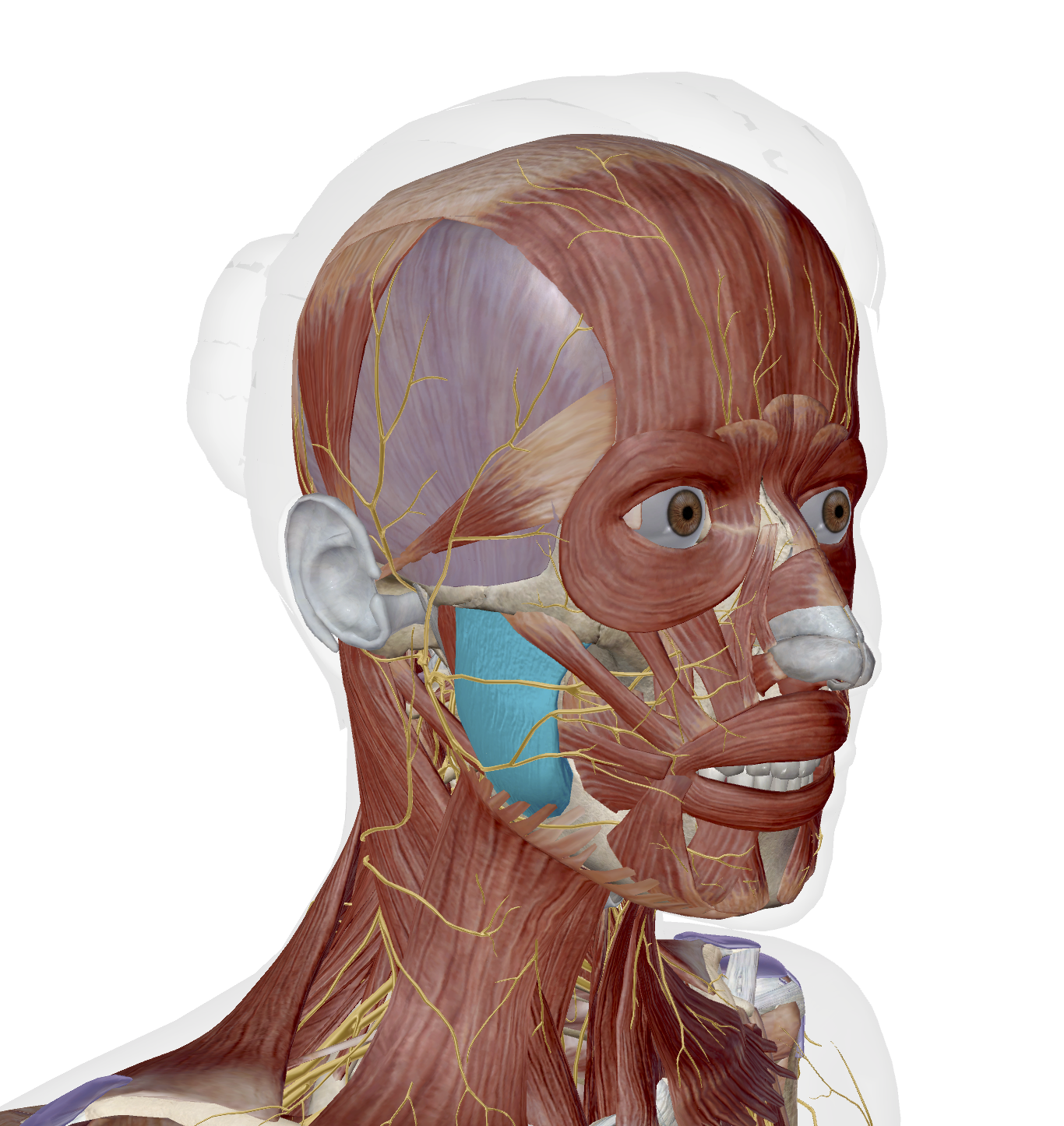
Buccinator
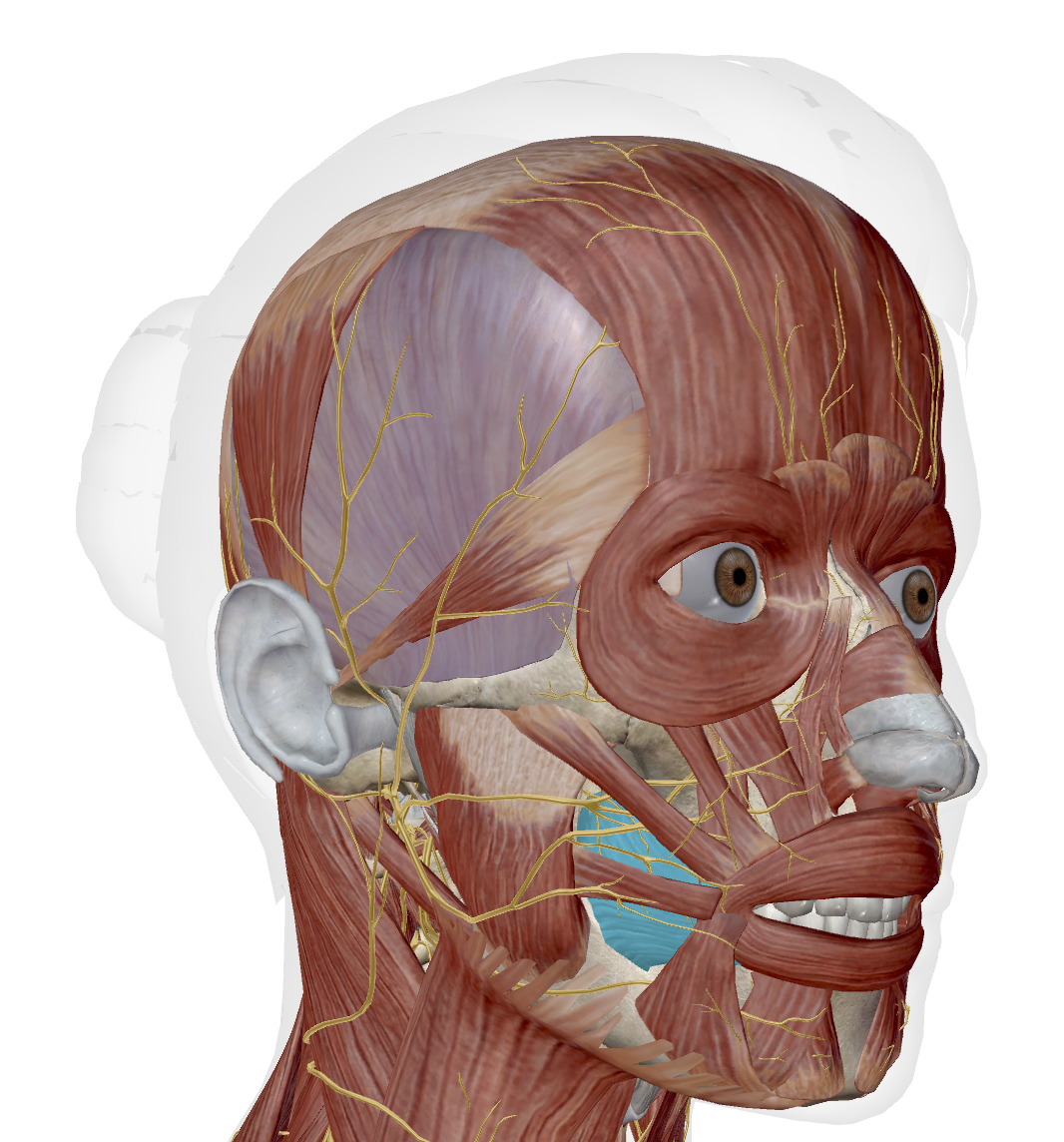
Temporalis

Sternocleidomastoid
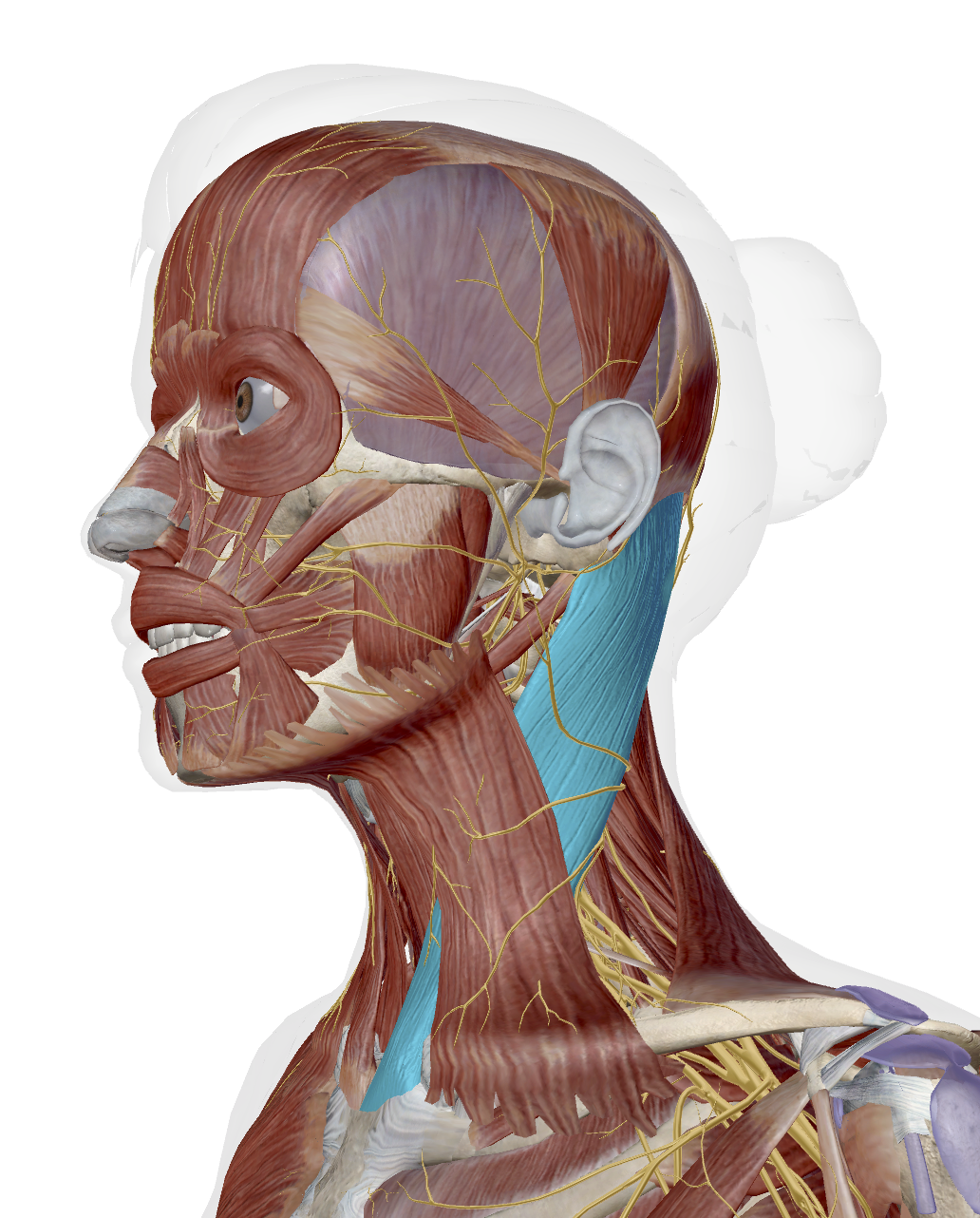
Splenius capitis

Rectus abdominis
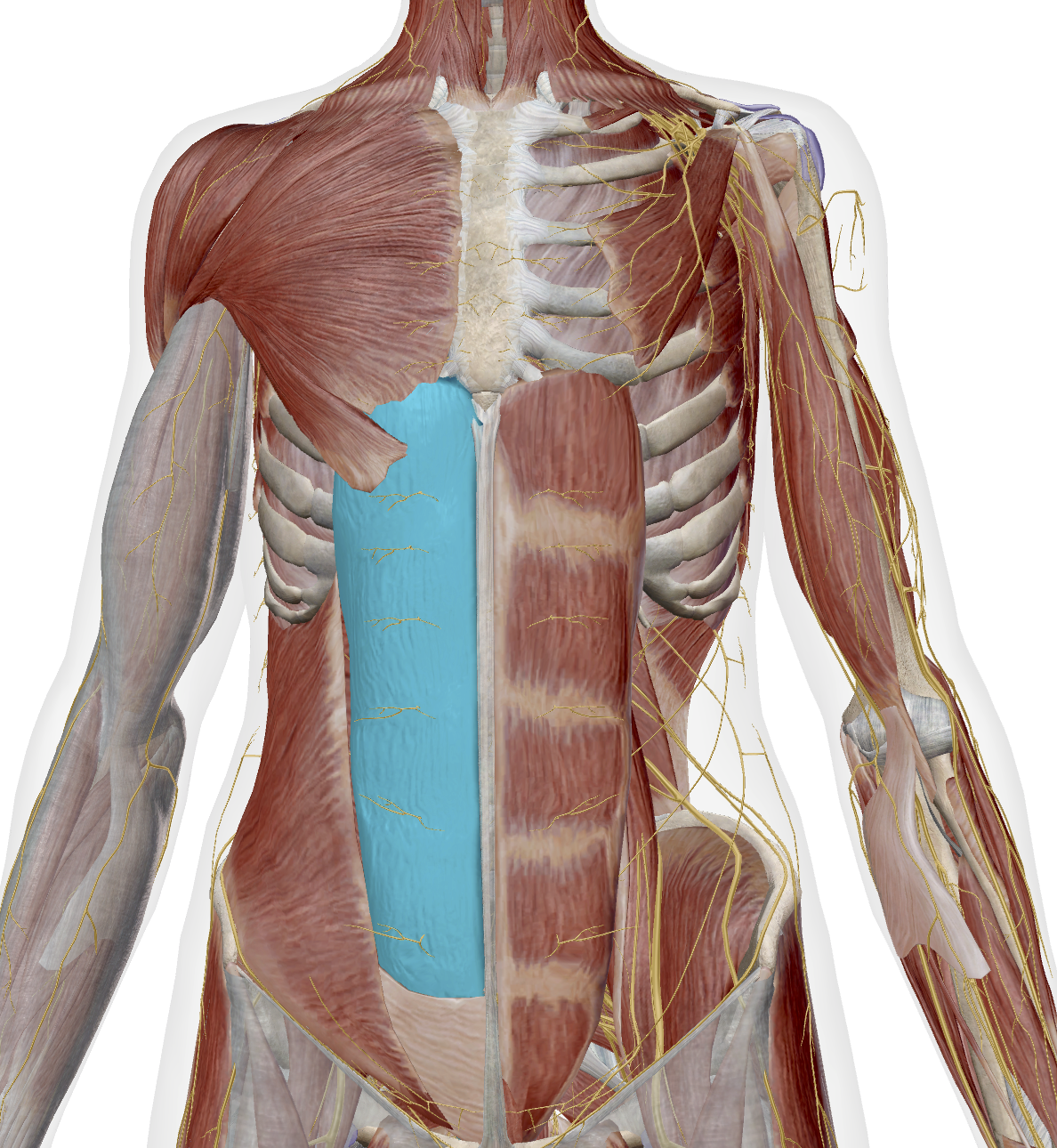
External oblique

Internal oblique
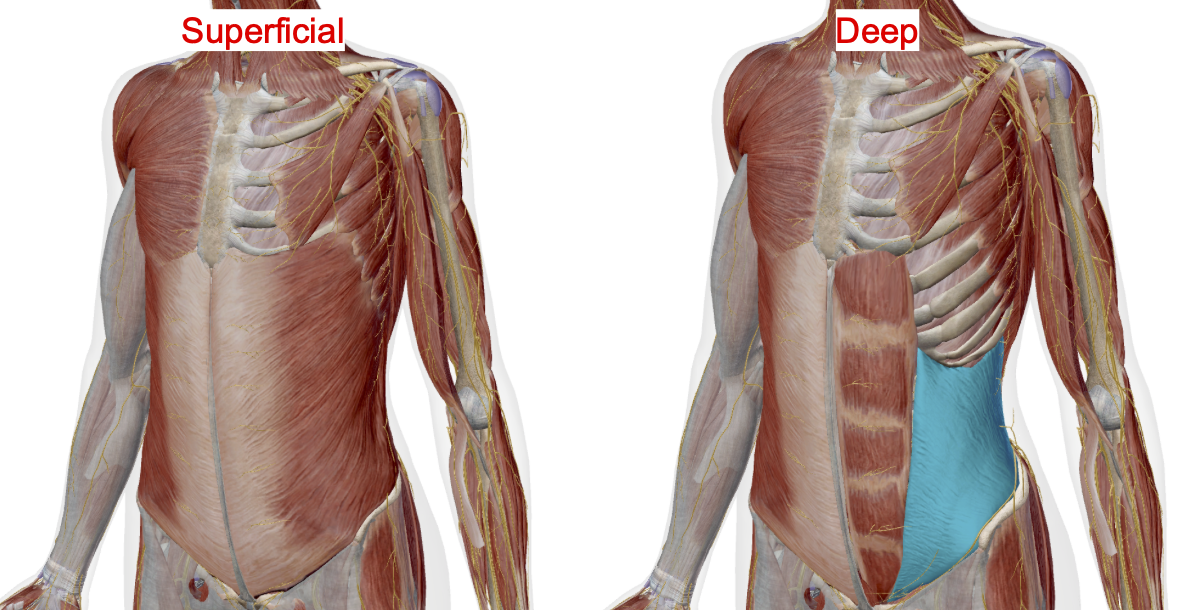
Transverse abdominus

Trapezius

Pectoralis major

Latissimus dorsi

Deltoid
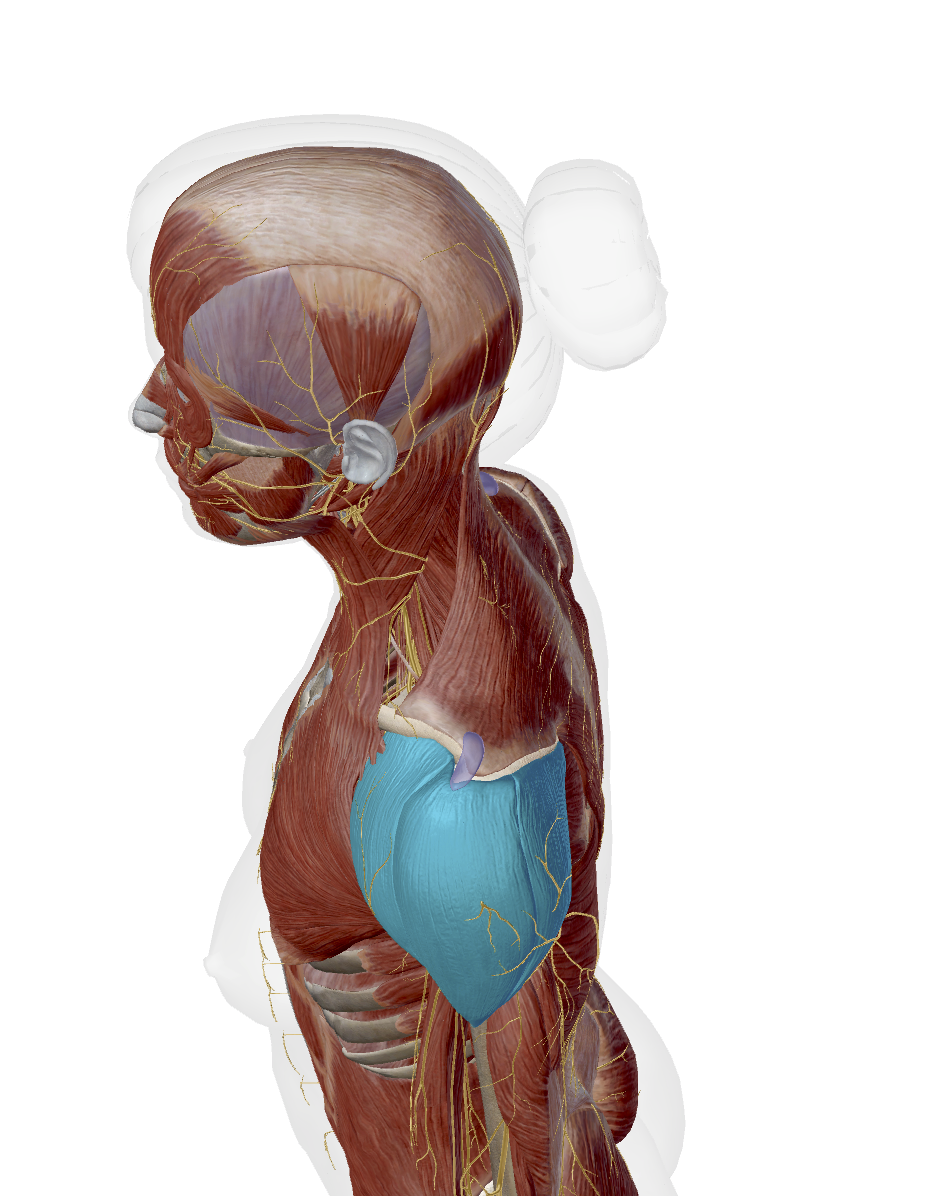
Supraspinatus
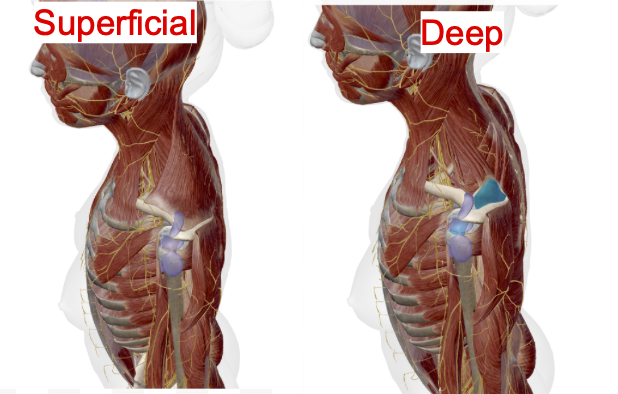
Infraspinatus
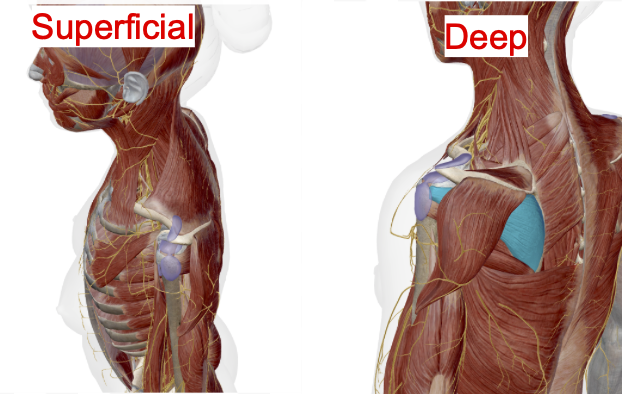
Teres minor

Subscapularis

Biceps brachii

Brachialis
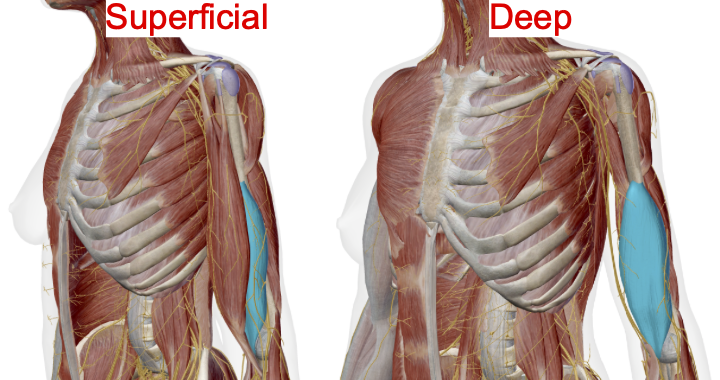
Brachioradialis
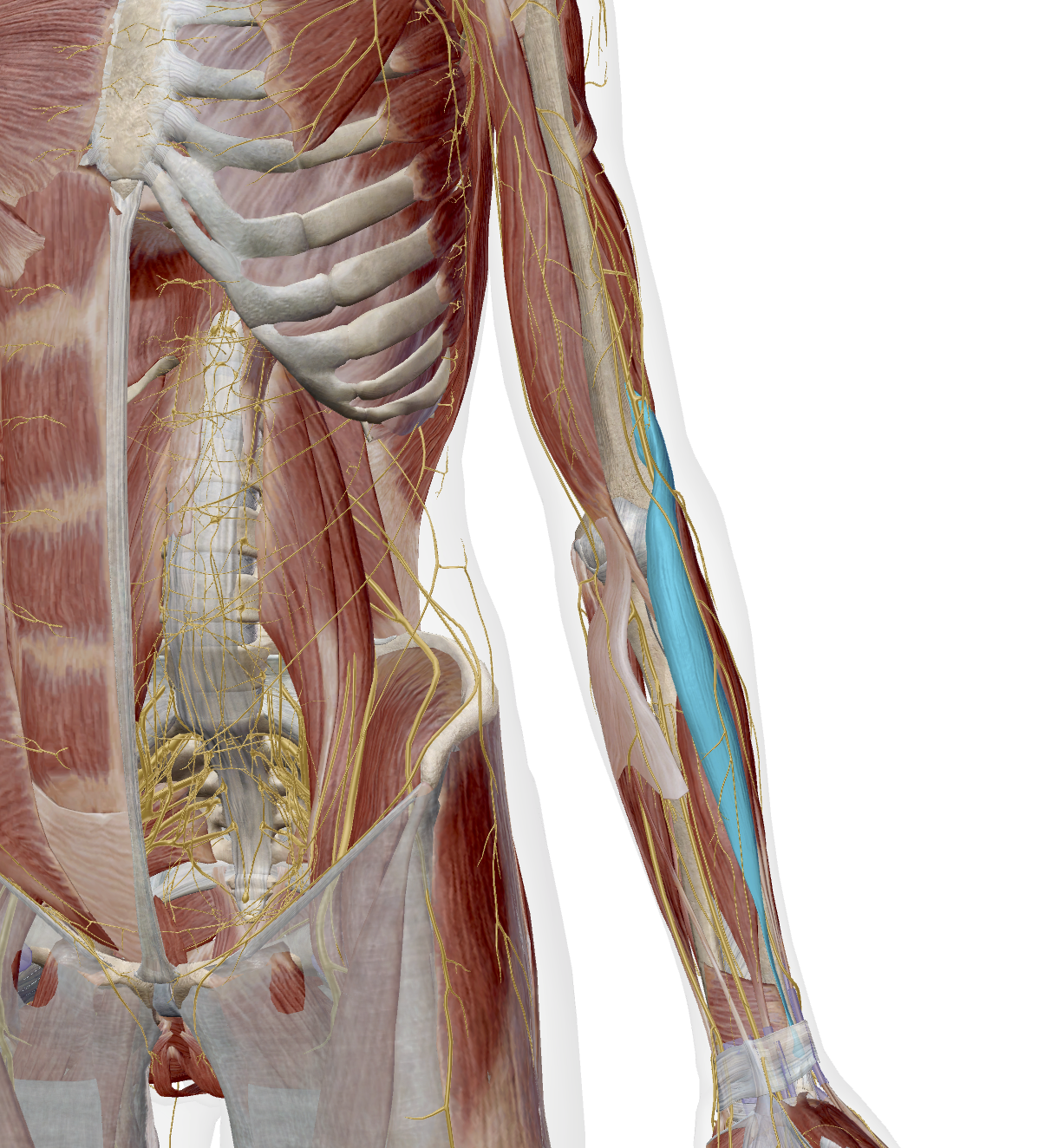
Triceps brachii

iliopsoas (psoas major)
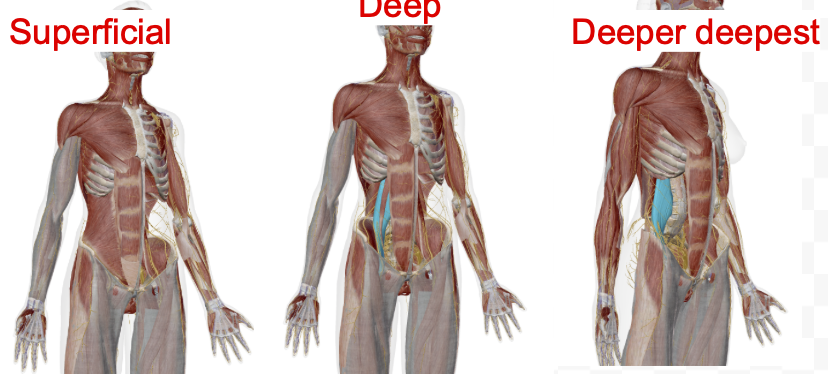
iliopsoas (psoas ilíacus)
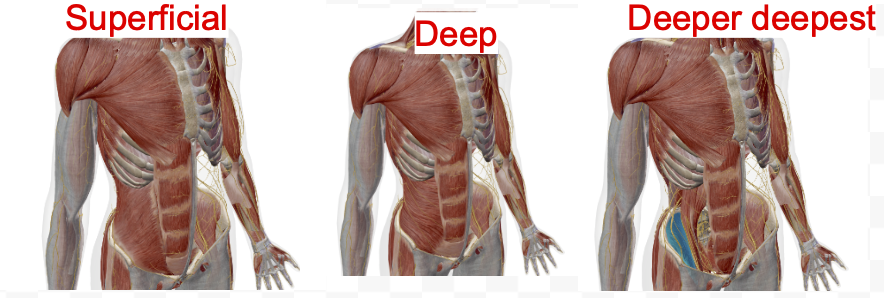
Gluteus maximus

Rectus femoris
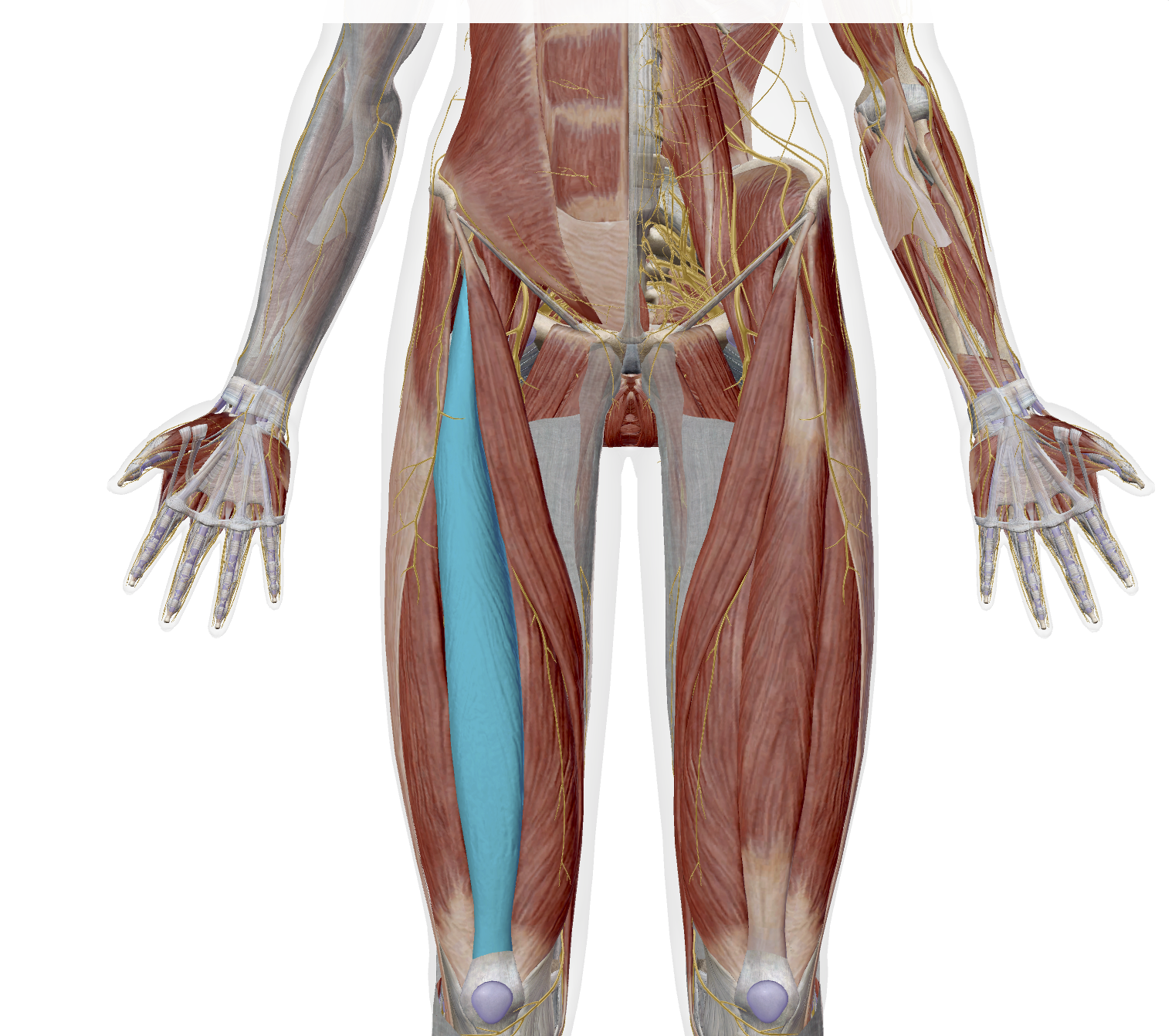
Vastus lateralis
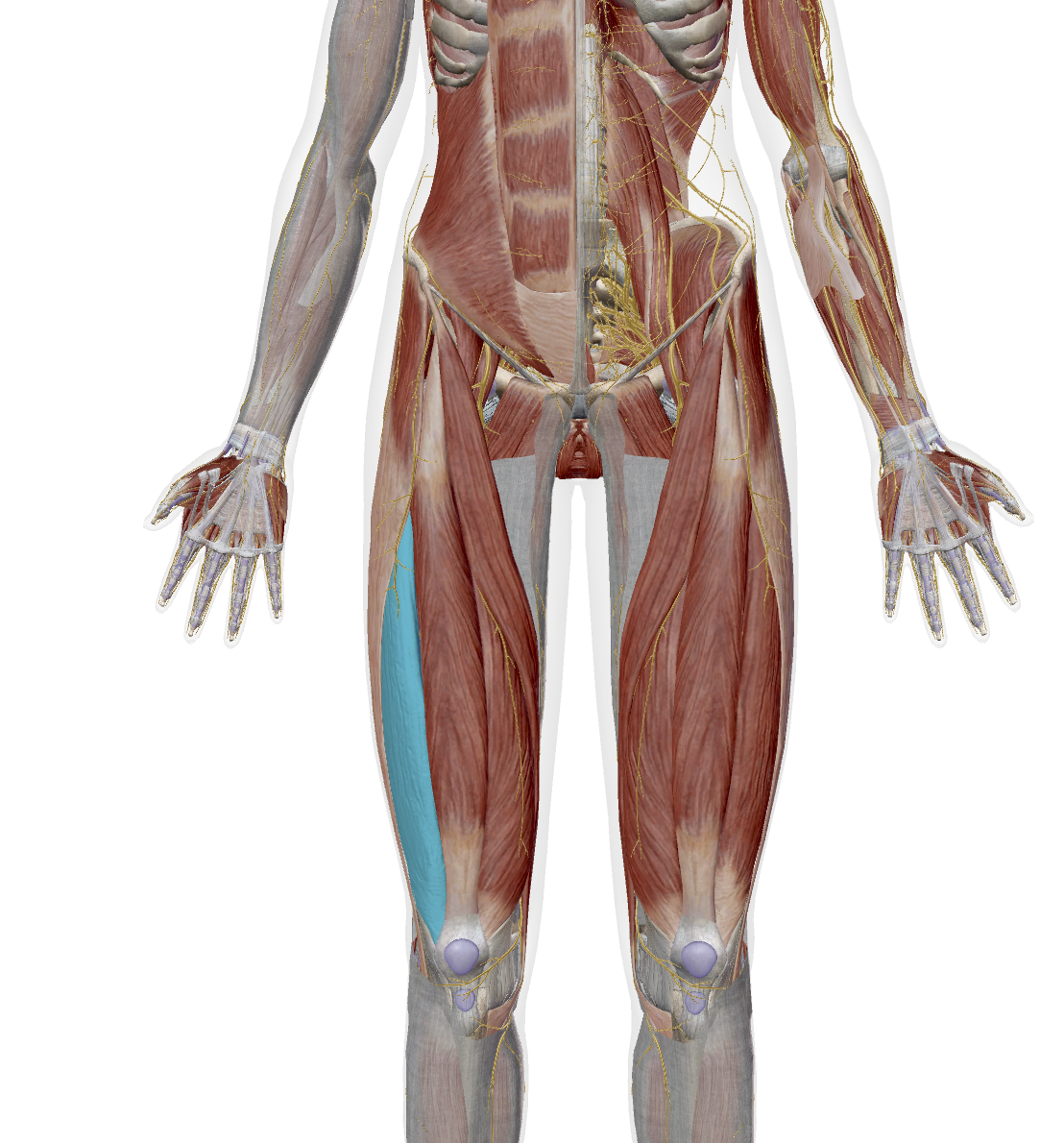
Vastus intermedius

Vastus medialis

Sartorius
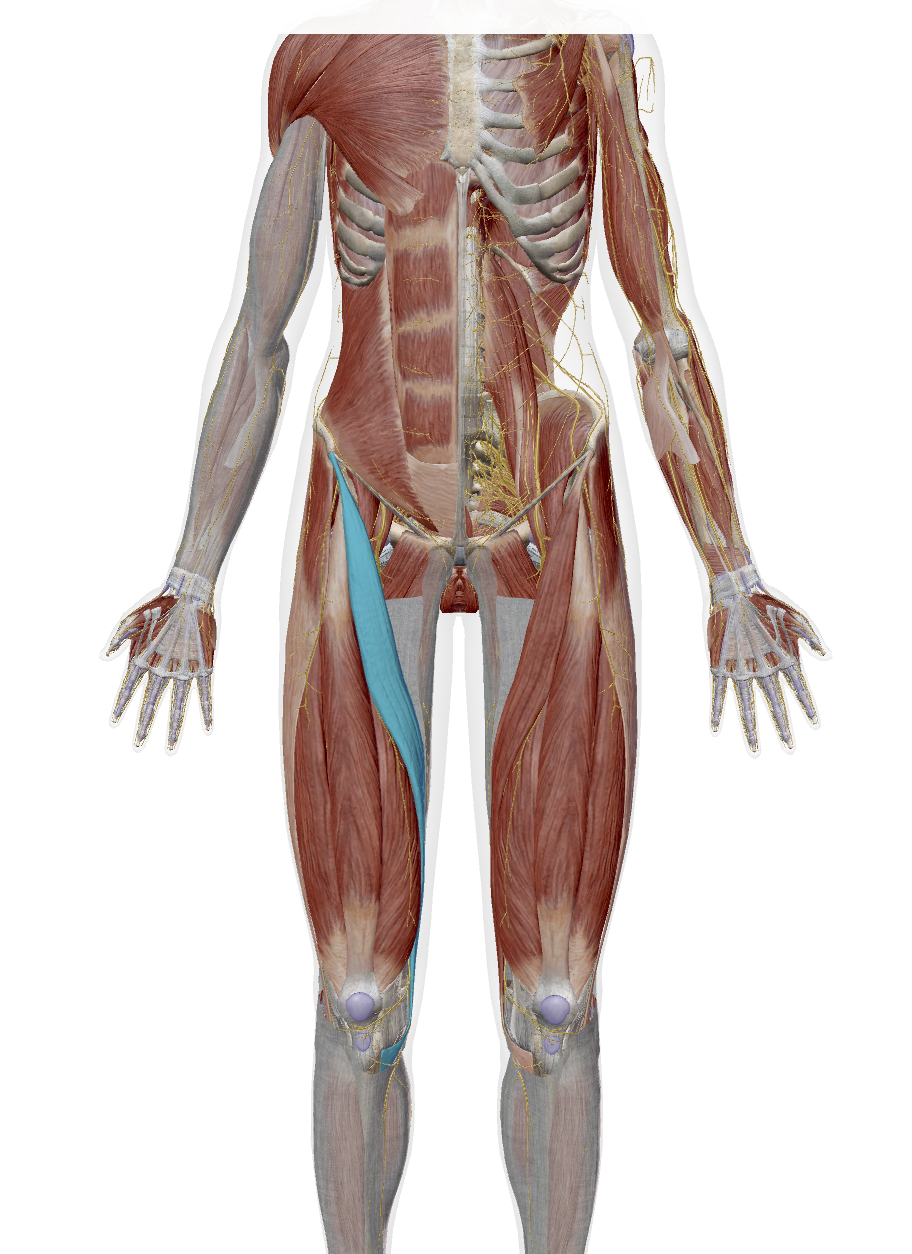
Gracilis
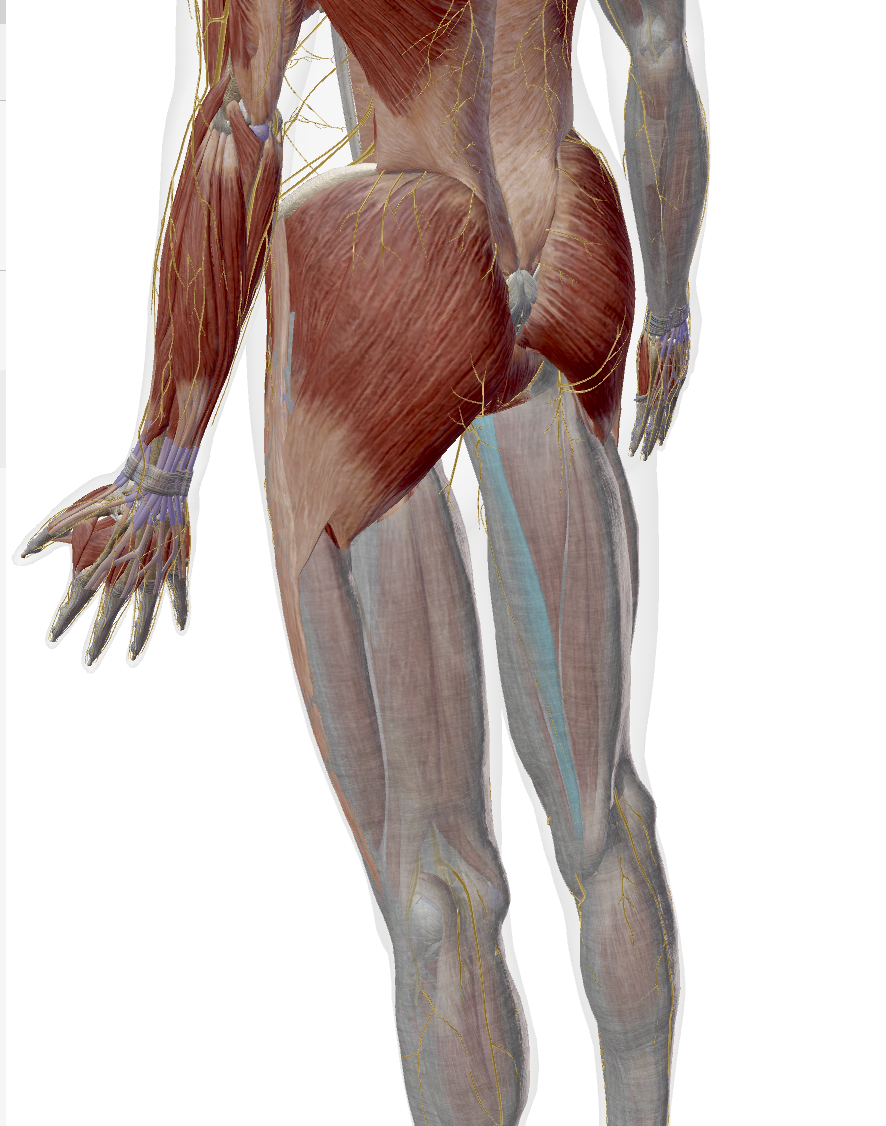
Biceps femoris
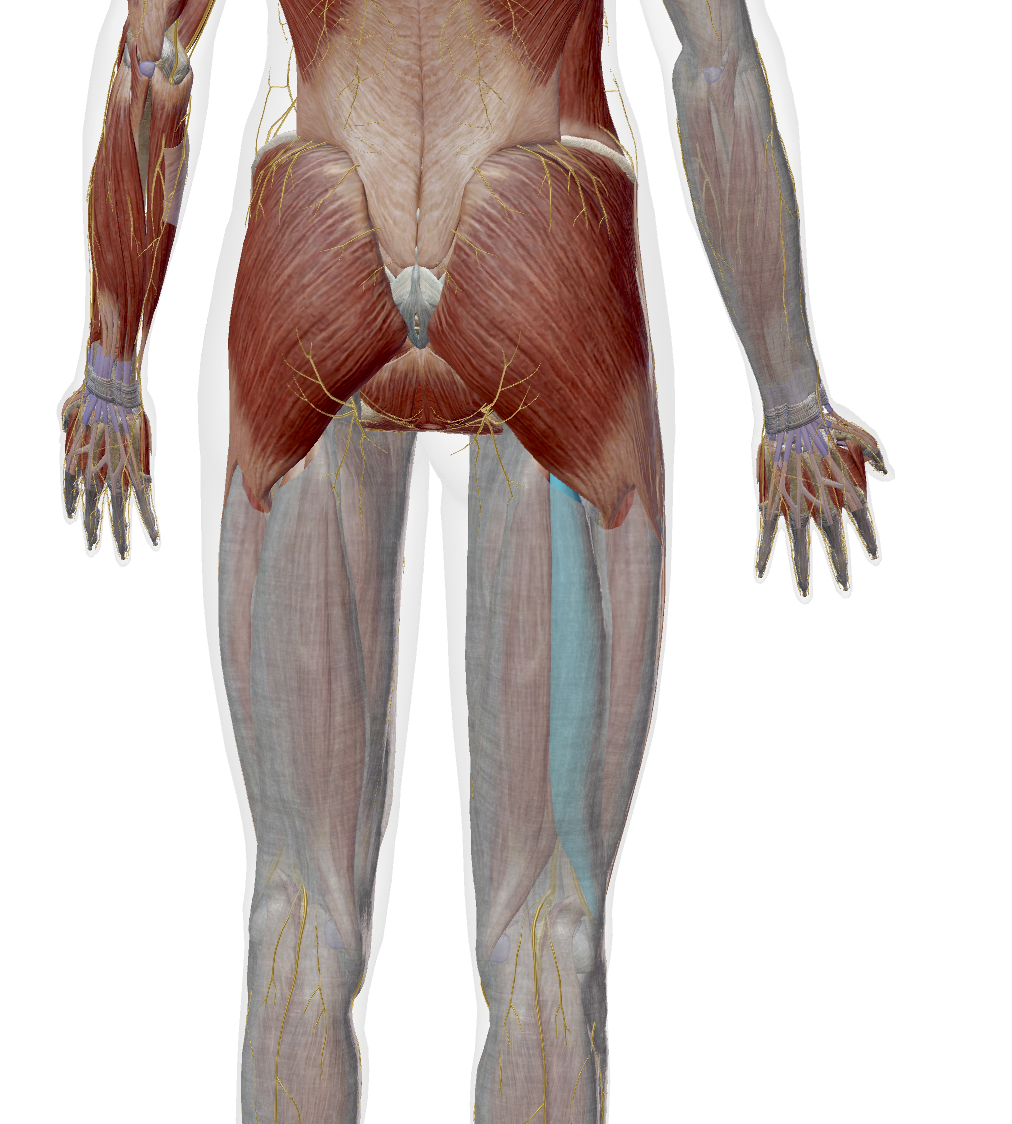
Semitendinosus

Tibialis anterior

Gastrocnemius

Soleus

Origin
The attachment site of a muscle (typically via a tendon) to a relatively fixed or more stable bone that does not move - or moves less - when the muscle contracts.

Insertion
The attachment site where a muscle (usually via a tendon or aponeurosis) connects to a more movable bone or structure and gets pulled toward the origin during contraction.
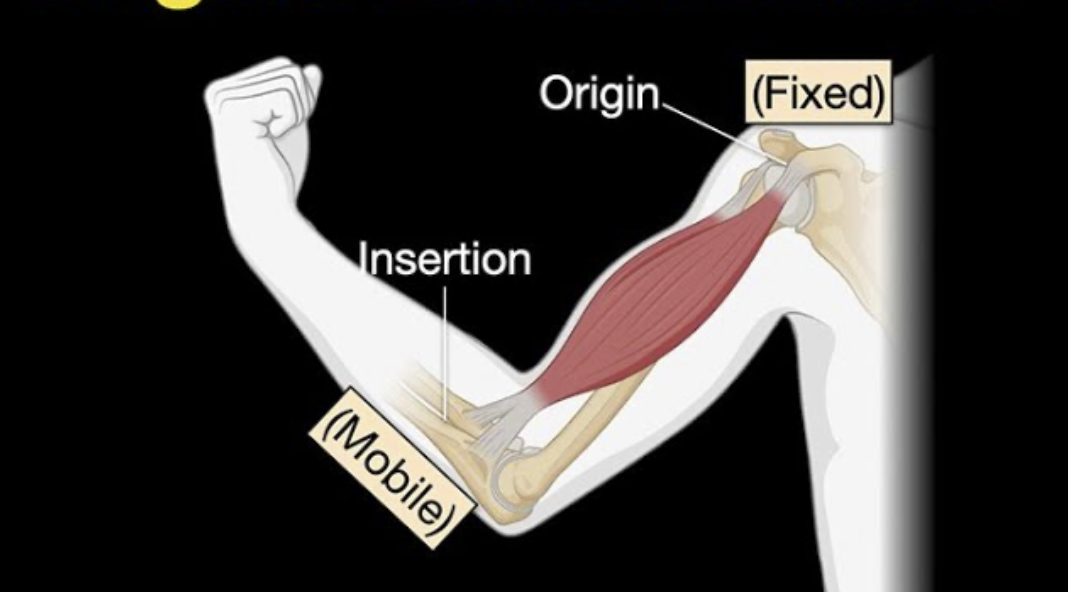
Action
The specific movement produced at a joint or on a body part when a muscle contracts and pulls its movable attachment (insertion) toward its more stable attachment (origin)

Agonist
A muscle that contracts to produce the primary force and movement at a joint

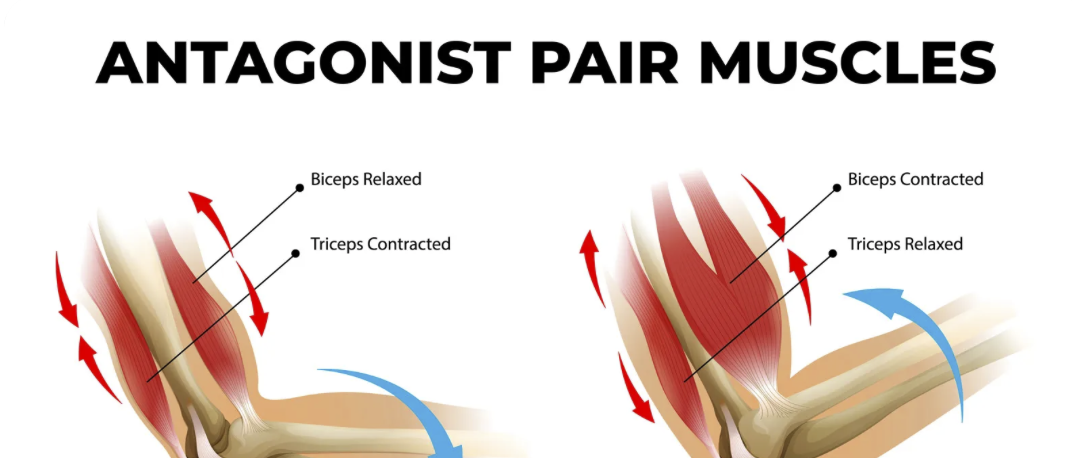
Antagonist
A muscle that produces an action opposite to that of an agonist during a given joint movement
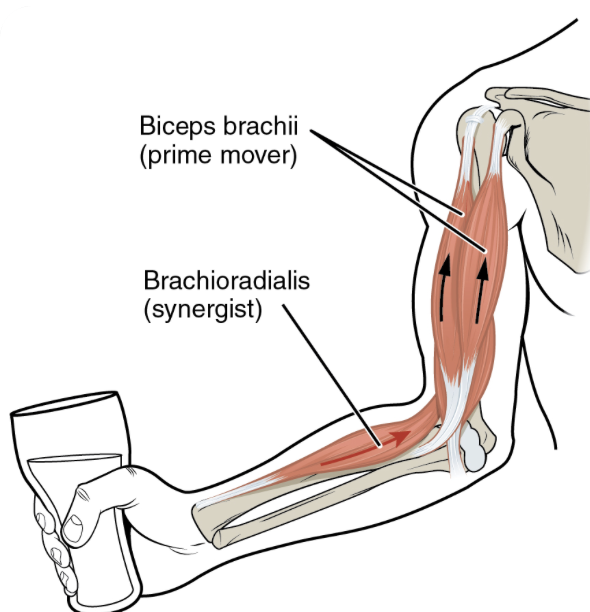
Synergist
A muscle that works alongside the agonist to assist a movement, add force, or stabilize a joint
Contralateral
A structure, function, or movement located on or affecting the opposite side of the body relative to another point or structure across the midline
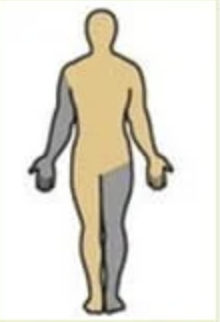
Ipsilateral
On the same side of the body, relative to another structure or point of reference

Calcaneal tendon

Epicranial aponeurosis
A tough, fibrous sheet of connective tissue covering the top of the skull
