Anatomy Nervous System Lab Notes
 Call Kai
 Learn
 Practice Test
 Spaced Repetition
 Match
 Flashcards
 Knowt Play
1/87

There's no tags or description
Looks like no tags are added yet.
88 Terms
What are the six regions of the brain?
Cerebrum
Diencephalon
Midbrain
Pons
Medulla oblongata
Cerebellum
What is included in the brain stem?
Midbrain
Pons
Medulla oblongata
Name two structures included in the cerebrum
frontal lobe
Parietal lobe
Name two structures included in the diencephalon
thalamus
Hypothalamus
Name two structures in the midbrain
corpora quadrigemina
Cerebral aqueduct
Name two structures in the pons
ventral pins
Dorsal pons
Name two structures in the medulla oblongata
medullary pyramids
inferior olivary nuclei
Name two structures in the cerebellum
cerebellar cortex
dentate nucleus
Ventricles
Four interconnected, fluid-filled cavities that produce, store, and circulate cerebrospinal fluid (CSF)
What are the four ventricles of the brain?
Left lateral ventricle
Right lateral ventricle
Third ventricle
Fourth ventricle

What is found in the ventricles?
cerebrospinal fluid (CSF)
What are the hollow spaces inside the cerebrum?
lateral ventricles
What are the hollow spaces inside the diencephalon?
third ventricle
What are the hollow spaces inside the midbrain?
cerebral aqueduct
What are the hollow spaces inside the pons, medulla oblongata, and cerebellum?
Fourth ventricle
What are the hollow spaces inside the spinal cord?
central canal
Cerebrum
managing all of your conscious thoughts, actions and input from your senses
Diencephalon
primary relay and processing center for sensory information and autonomic control
Midbrain
has roles in motor movement, especially eye movement, and in visual and auditory processing
pons
transmits signals between your forebrain and cerebellum
medulla oblongata
acts as a vital control center for life-sustaining, automatic body processes
Cerebellum
maintains posture and balance
Cerebral hemispheres
either of the two symmetrical halves (left and right) of the cerebrum separated by the longitudinal fissure

Gyrus
a ridged fold (or bump) on the surface of the cerebral cortex of the brain

Sulcus
shallow groove or indent (depression) on the surface of the brain (cerebral cortex)

fissure
A deep, permanent groove or indent (depression) on the surface of the brain (cerebral cortex)
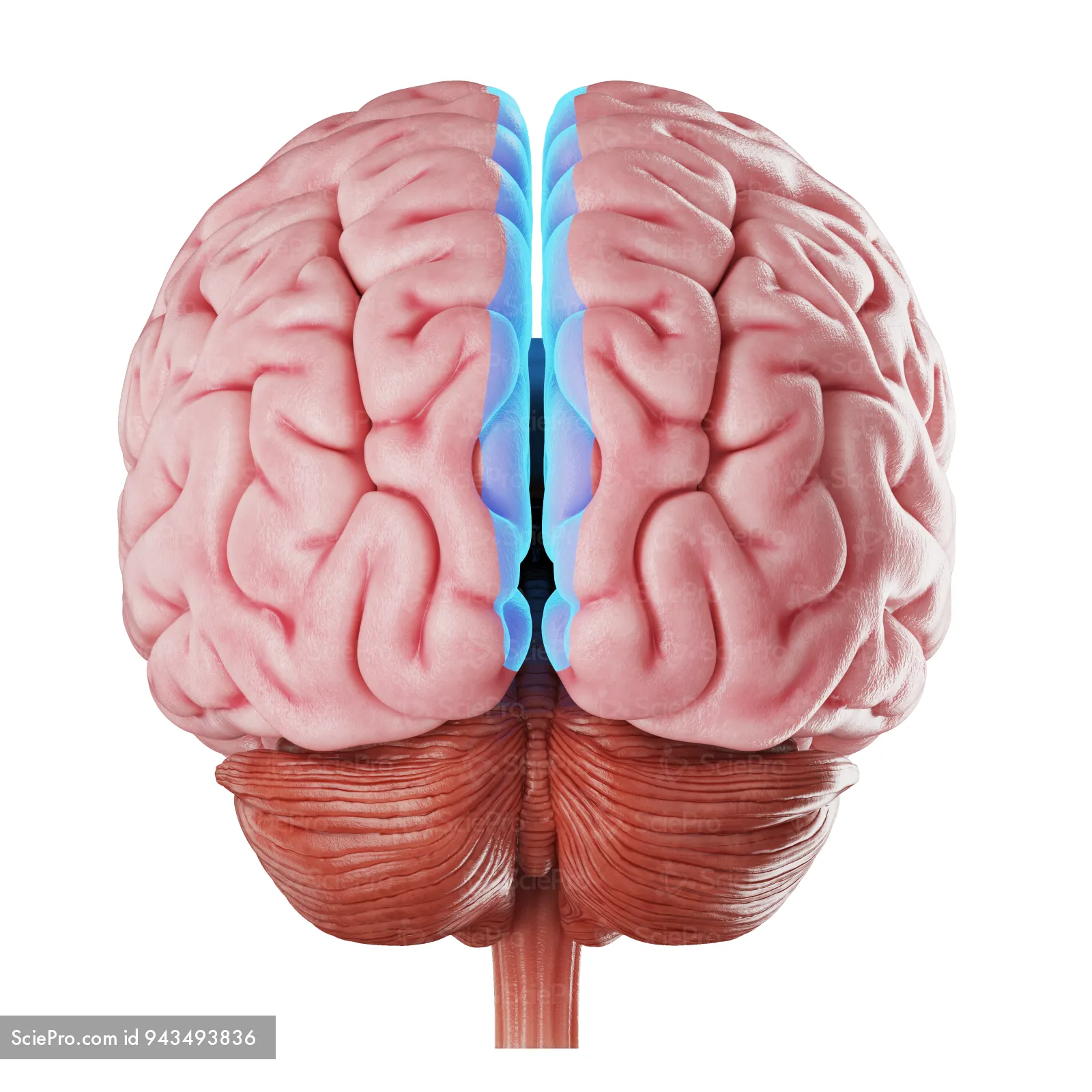
Name the lobes of the cerebral cortex/cerebral hemisphere
frontal lobe
Parietal lobe
Temporal lobe
Occipital lobe
Insula
Frontal lobe
manages higher-level thinking
Motor control/movement
Memory
Social behaviors
Parietal lobe
Somatosensory processing
the network responsible for detecting and interpreting sensory information from the body, including touch, temperature, pain, and body position
Temporal lobe
Auditory processing
Allows you to recognize music, speech, and environmental noises
occipital lobe
Visual processing
the brain’s ability to receive, interpret, and make sense of visual information gathered by the eyes
Precentral gyrus
a prominent ridge on the posterior surface of the frontal lobe in the cerebral cortex

Central sulcus
a prominent groove in the cerebral cortex of the brain that separates the frontal lobe from the parietal lobe

Postcentral gyrus
a prominent gyrus in the lateral parietal lobe of the human brain that houses the primary somatosensory cortex

Primary motor cortex
executes and controls voluntary physical movements across the body
Premotor cortex
preparing and executing movements
Broca’s area
Speech and language production
Prefrontal cortex
helps with focus, emotions and decision-making
Primary somatosensory cortex
main sensory receptive area for the sense of touch and body awareness
Somatosensory association cortex
Helps interpret and recognize sensations from touch
Gustatory cortex
Allows you to recognize and interpret tastes
Wernicke’s area
language comprehension (spoken and written)
Primary visual cortex
Receives and processes visual information from the eyes
Visual association area
Helps you recognize and understand what you are seeing
Auditory association area
Helps you understand and recognize sounds
Primary auditory cortex
Receives and processes sound information from the ears
What lobe is associated with somatic sensation?
Parietal
What lobe is associated with taste?
Insula
What lobe is associated with vision?
Occipital
What lobe is associated with hearing?
Temporal
What lobe is associated with smell?
Temporal
What lobe is associated with motor area?
Frontal
Cerebral cortex
your brain's outermost layer
**made up of gray matter
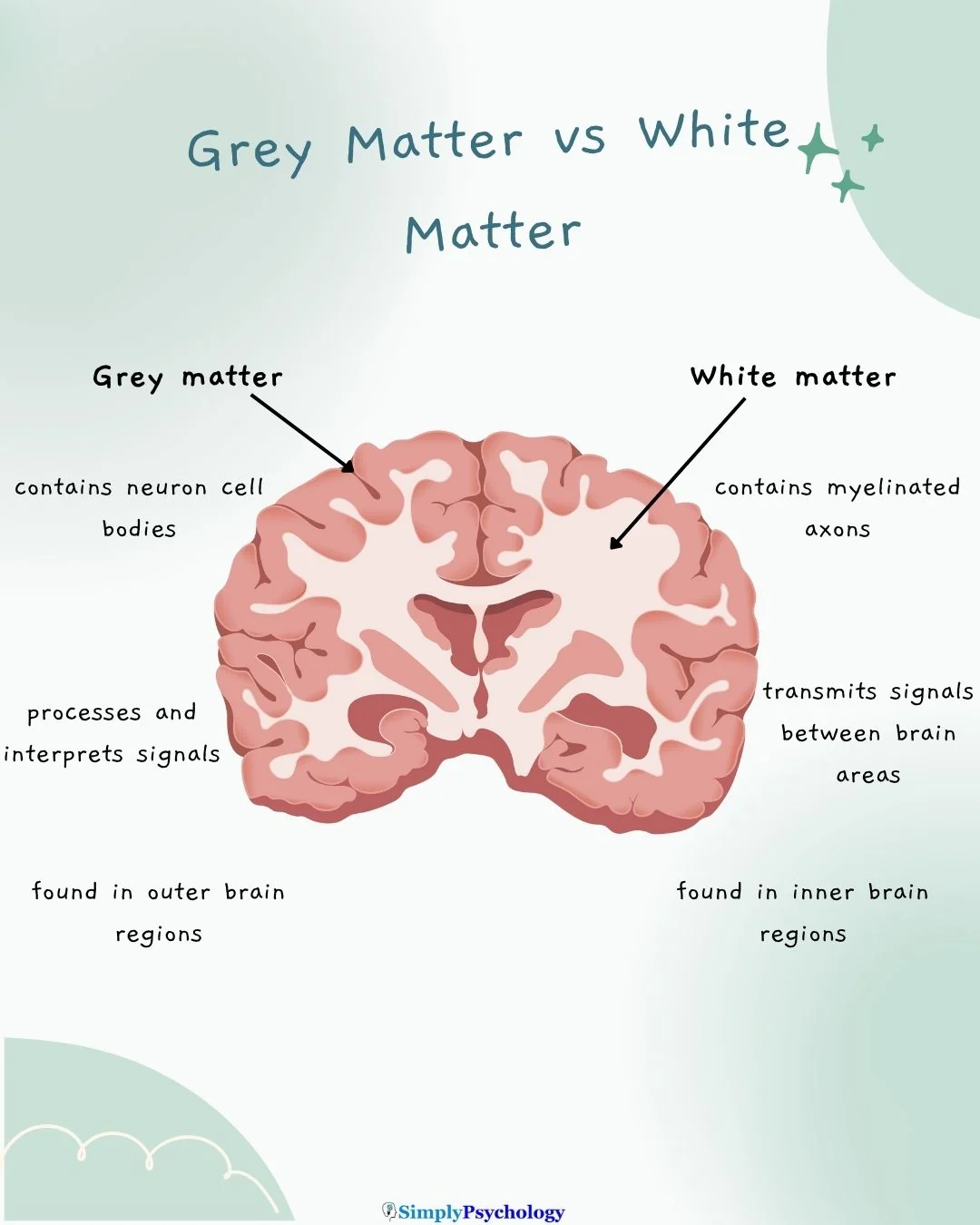
Cerebral gray matter
the outer wrinkled layer of the brain (the cerebral cortex) that processes information
mostly neuron cell bodies
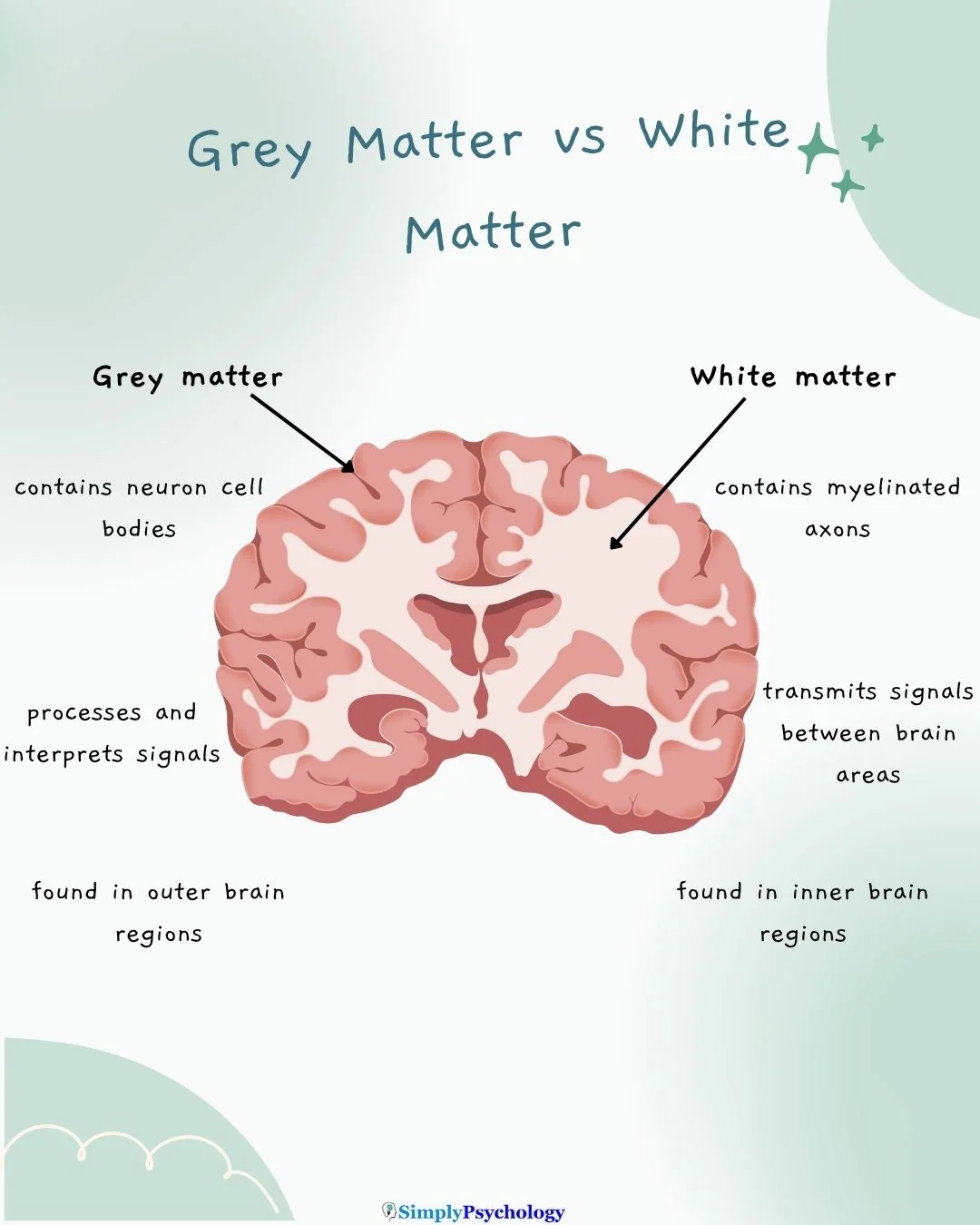
Cerebral white matter
deep brain tissue made up of myelinated nerve fibers (axons) that act as communication pathways (carry messages throughout the brain)
Olfactory bulb
primary processing and relay center for the sense of smell
Olfactory tract
transmits sensory smell information from the olfactory bulb directly to the primary olfactory cortex in the brain
Optic chiasma
where the optic nerves from both eyes meet and partially cross

optic nerve
acts as a data cable, carrying visual information from your eyes to your brain
optic tract
carries sensory visual information from the optic chiasm to deeper brain structures
Mammillary body
Helps with memory formation and recall
pituitary gland
Releases hormones that control growth, reproduction, and other body functions
decussation of pyramids
The point where most motor signals cross to the opposite side of the body
cerebral peduncles
Carry motor signals from the brain to the spinal cord
**fiber tracts in the midbrain connecting the pons below with cerebrum above

Corpora quadrigemina
reflex centers for vision and hearing
consists of-
Superior colliculi
Inferior colliculi
Superior colliculi
Manages visual reflexes
inferior colliculi
manages auditory reflexes
corpus callosum
links the left and right cerebral hemispheres
largest white matter structure in the brain
Fornix
a C-shaped bundle of white matter fibers in the brain that acts as the primary output and input pathway for the hippocampus
septum pellucidum
a thin, triangular, vertical double membrane in the midline of the brain that separates the left and right lateral ventricles
nuclei
process, integrate, and relay specific types of electrical and chemical signals
basal nuclei/ganglia
Help control muscle movements
caudate nucleus
Helps control voluntary movements
putamen
primary input gateway of the basal ganglia
Globus pallidus
regulate conscious, voluntary movements and coordinate posture
corona radiata
Carries nerve signals between the cerebral cortex and deeper parts of the brain and spinal cord
internal capsule
Carries sensory and motor messages through the brain
striatum
Helps control and coordinate voluntary movements
thalamus
your body's information relay station
interthalamic adhesion/mass
Connects the left and right sides of the thalamus **in name
interventricular foramen
connect the lateral ventricles to the third ventricle

hypothalamus
Maintains homeostasis by controlling body temperature, hunger, thirst, and hormones
infundibulum
Connects the hypothalamus to the pituitary gland
Pineal gland
synthesize and secrete the hormone melatonin in response to environmental light and dark cycles
choroid plexus
Produces cerebrospinal fluid (CSF)
cerebral aqueduct
to act as a narrow channel that connects the third ventricle to the fourth ventricle in the brain
Vermis
connects the two lateral hemispheres of the Cerebellum

arbor vitae (cerebellum)
the tree-like branching pattern of white matter located inside the human cerebellum
