patho chapter 4: cellular injury, aging, and death
 Call Kai
 Learn
 Practice Test
 Spaced Repetition
 Match
 Flashcards
 Knowt Play
1/99

There's no tags or description
Looks like no tags are added yet.
100 Terms
regarding reversible cell injury, what often happens to a cell as a result of injury?
hydropic swelling
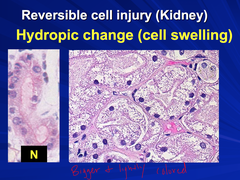
why does why does hydropic swelling occur?
when a cell is deprived of oxygen, it can't produce enough ATP, causing the sodium-potassium pump to fail. as a result, sodium accumulates inside the cell. since water follows sodium, it enters the cell, causing it to swell. this swelling can lead to further damage and eventually cell death if oxygen isn't restored.

what is hydropic swelling?
cellular swelling due to accumulation of water
what components cause intracellular accumulations in the cell?
normal intracellular substances
abnormal substances
pigments and particles

what is atrophy?
decreased cell size

what are some causes of atrophy?
disuse, denervation, ischemia, nutrient starvation, interruption of endocrine signals, persistent cell injury

what are some signs and symptoms of atrophy?
decreased organ size, weakness, decreased muscle mass

what are some diagnostic tests used to identify atrophy?
physical examination to assess the strength (ex: squeeing hand)
visual scannings (MRI and CT)
biopsy

what are some treatments/nursing interventions for atrophy?
remove underlying cause (removal of cast) to reinnervate the nerve damage, adequate nutrition, hormonal therapy
what is hypertrophy?
increase in cell size

what causes hypertrophy?
increased physiologic or pathophysiologic demands (in non dividing cells, specifically heart and muscle tissue)

what are signs and symptoms of hypertrophy?
enlarged tissues/organs, hypertension, increase in hormonal stimulants, increase in workload

what are some diagnostic tests used to identify hypertrophy?
physical examination, imaging studies, blood tests, histological analysis (to examine tissue samples to identify cellular changes and increase in protein content), blood tests (to measure cardiac stress)
what are some treatment options/nursing interventions for hypertrophy?
manage hypertension, manage increase in workload on the heart, slow down gym intensity, antihypertensive medications, surgical intervention if needed
(think hypertrophy=hyperactive heart and need to manage it)
what is hyperplasia?
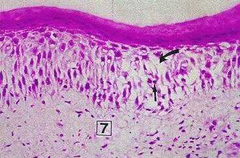
increase in number of cells (shown in the picture is gum tissue overgrowth)

what are some causes of hyperplasia?
increased physiologic demands or hormonal stimulation, persistent cell injury, hormonal stimulation (in cells that can divide)

what are some signs/symptoms of hyperplasia?
enlarged tissue or organ size, benign tumor causing urinary retention

what are some diagnostic tests used to identify hyperplasia?
biopsy and histological examination, imaging tests, hormonal assay, endoscopy, colonoscopy (allows for direct visualization and biopsy of affected tissues)
what are some treatment options/nursing interventions for hyperplasia?
hormonal therapy (to regulate excessive hormonal stimulation), surgical removal of excessive tissue if at risk of malignancy, management of irritation or injury
what is metaplasia?
reversible change of one differentiated cell type with another, better suited to withstand persistent stress or injury, often occurs in epithelial tissues

what are some causes of metaplasia?
chronic irritation and inflammation

what is an example of metaplasia?
chronic irritation and inflammation from smoking-induced squamous metaplasia in the respiratory tract

what are some signs/symptoms of metaplasia?
symptoms related to underlying cause of irritation and inflammation, replacement tissue may function less efficiently than the original tissue
true or false-regarding metaplasia, the replacement tissue can often function less efficiently than the original tissue
true
what are some diagnostic tests used to identify metaplasia?
biopsy and histological examination (to identify changed in the cell type and assess reversibility), endoscopic procedure (to visualize and sample affected areas), imaging studies, molecular testing (to identify genetic or molecular markers associated with metaplastic changes)
what are some treatment options/nursing interventions for metaplasia?
remove irritant (smoking cessation) or treating chronic inflammation, monitoring regular following, educate patient on importance of returning for followup visit, possible surgical intervention (if it leads to significant symptoms or if there's a risk of malignancy)
what is dysplasia?
disorganized appearance of cells/growth with abnormal variation in cell size, shape, and arrangement

what does dysplasia often result from?
chronic injury

true or false-dysplasia represents a potential precursor to cancer
true
what are some causes of dysplasia?
persistent severe injury or irritation
what is an example of dysplasia?
cervical dysplasia due to an HPV infection

is dysplasia often symptomatic or asymptomatic?
dysplasia is often asymptomatic (but can present as abnormal growths detectable through screenings and tests, such as a pap smear for cervical dysplasia)
what are some diagnostic tests used to identify dysplasia?
biopsy and histological examination (to assess cellular disorganization and potential malignancy), visual screenings (such as MRI, CT, or ultrasounds), molecular and genetic testing (to detect markers associated with precancerous changes)
what are some treatment options/nursing interventions for dysplasia?
monitor regular screening to detect progression, patient education (preventative measures such as an HPV vaccine and/or lifestyle changes to reduce risk factors), removal of underlying cause, possible surgical excision of dysplastic tissue (to prevent progression into cancer)
what is reversible cell injury?
an early or mild stage of cell injury when the functional and morphological changes can reverse and go back to normal if the stimulus is removed

what is irreversible cell injury?
the cell has gone past the point of no return
= cells die

what does necrosis usually occur as a consequence of?
ischemia

what is ischemia?
lack of blood flow to the tissue

why does necrosis occur as a consequence of ischemia?
when there is no blood flow to the tissue, there is a lack of oxygen, which ultimately leads to tissue death

what are the four types of necrosis called?
coagulative necrosis
liquefactive necrosis
fat necrosis
caseous necrosis

what is the most common type of necrosis?
coagulative necrosis

what does coagulative necrosis begin and end with?
coagulative necrosis begins with ischemia (lack of blood flow) and ends with degradation of the plasma membrane
what is liquefactive necrosis?
a process by which dead cells liquify under the influence of lysosomal enzymes

regarding liquefactive necrosis, what does the dissolved dead tissue sometimes form?
an abscess or cyst
true or false-bacterial infections may result in liquefactive necrosis
true
what is fat necrosis?
death of adipose tissue, lipase breaks down triglicerides

what is fat necrosis the result of?
trauma or pancreatitis

what does fat necrosis look like?
a chalky, white area of tissue

what is caseous necrosis?
type of cell death that causes tissues to become clumpy, white, and cheese-like in appearance, white blood cells become walled off

what specific type of damage often results in caseous necrosis?
lung tissue damage from tuberculosis

what is gangrene?
large area of necrotic tissue (contains no blood supply/oxygen)

what are the 3 types of gangrene?
dry gangrene, wet gangrene, gas gangrene
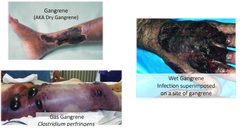
what results in gangrene?
interruption of major blood supply to a particular body part
what is dry gangrene a form of?
coagulative necrosis

what does dry gangrene look like?
blackened, dry, wrinkled tissue that is seperated by a line of demarcation from healthy tissue

what is wet gangrene a form of?
liquefactive necrosis

where is wet gangrene typically found?
internal organs
what does wet gangrene look like?
cold, black, and foul smelling due to the invasion of bacteria
true or false-wet gangrene is a life threatening problem
true
why is wet gangrene a life threatening problem?
due to the rapid spread of tissue damage and release of toxins into the blood stream
what is gas gangrene?
special type of gangrene caused by infection of necrotic tissue by anaerobic bacteria (ex: clostridium)

what does gas gangrene look like?
contains gas bubbles

what is apoptosis?
process of programmed cell death

does apoptosis cause inflammation of the cell?
no, apoptosis does not cause inflammation of the cell
when does apoptosis occur?
when certain cells are no longer needed (they activate a cellular death pathway)
true or false-apoptosis sometimes occurs as a necessity for developing and remodeling the tissue
true
what are the two main causes of irreversible cell injury?
ischemia (lack of blood flow) and hypoxia (lack of oxygen)
what mainly causes tissue hypoxia (lack of oxygen in the tissue)
ischemia (lack of blood flow)

why is tissue hypoxia mostly caused by ischemia?
because when someone has ischemia, there is no blood flow to deliver any oxygen to the tissue so it becomes hypoxic
what injures the cell faster than just hypoxia alone?
ischemia
ischemia not only disrupts oxygen supply, but also the ________?
accumulation of metabolic waste
what is the most common cause of cell injury?
ischemia

when does most cellular damage occur in patients with ischemia?
most damage occurs after the blood supply is restored (this is known as reperfusion injury)
what is reperfusion?
restoration of blood flow following ischemia

what is reperfusion injury?
tissue damage caused when blood supply returns to the tissue after a period of ischemia or lack of oxygen
what three mechanisms contribute to tissue reperfusion injury?
calcium overload
formation of reactive oxygen molecules (free radicals)
subsequent inflammation
how does calcium overload contribute to tissue reperfusion injury?
before reperfusion: when blood flow is cut off (ischemia), cells are starved of oxygen and nutrients, leading to a lack of ATP (energy). without ATP, calcium pumps can't work properly, so calcium builds up inside the cells.
after reperfusion: when blood flow returns, the influx of calcium into cells is intensified. high levels of calcium activate destructive enzymes and lead to cell damage
how are calcium levels affected before reperfusion?
calcium pumps are not working properly so calcium builds up inside the cells (intracellular calcium levels are supposed to be low)
how are calcium levels affected after reperfusion?
additional calcium influx worsens the situation, activating destructive enzymes and causing further cell damage
how does the formation of reactive oxygen molecules (free radicals) contribute to tissue-reperfusion injury?
reintroduced oxygen forms free radicals that damage cellular components like membranes and DNA
what are free radicals?
unstable oxygen-containing molecules that can damage the cells of the body
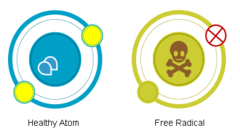
regarding free radicals, what occurs due to a lack of oxygen before reperfusion?
the lack of oxygen causes cells to produce byproducts that can contribute to damage
regarding free radicals, what occurs after reperfusion injury?
reintroducing oxygen creates free radicals, which are highly reactive molecules. these free radicals attack and damage cellular structures like membranes, proteins, and DNA
how does subsequent inflammation contribute to reperfusion injury?
the damage caused by calcium overload and free radicals triggers an inflammatory response. immune cells are recruited to the area, releasing chemicals that increase inflammation and further damage the tissue
true or false-nutritional deficiencies and excesses can lead to irreversible cell injury?
true

why do nutritional deficiencies and excesses lead to irreversible cell injury?
because adequate nutrients are needed for normal cellular function; most of these essential nutrients must be obtained from external sources since the cell can't manufacture them itself
what type of cells does iron deficiency affect?
red blood cells

what part of the body does a vitamin d deficiency affect?
bones

a BMI greater than how many kg/m^2 indicates a health risk?
25 kg/m^2

a BMI greater than how many kg/m^2 indicates obesity?
30 kg/m^2

regarding infectious and immunologic injury, do bacteria damage cells from the outside or inside?
they damage cells from the outside

regarding infectious and immunologic injury, do viruses damage cells from the outside or inside?
they damage cells from the inside

true or false-an immune response to an infection may be more damaging than the direct effects of the infection
true, especially if the immune system is already compromised
true or false-chemicals or poisons can lead to cellular injury
true
what body part does acetaminophen have a direct toxic effect on?
liver

how can chemicals indirectly injure a cell?
chemicals can be metabolized into reactive chemicals by the body
true or false-temperature and atmospheric pressure can cause irreversible cell damage
true
what is an example of mechanical deformation to a cell?
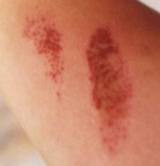
mild abrasion to severe lacerating trauma, cell death may result from direct damage to the cell membrane that causes blood loss or from obstruction to blood flow and hypoxia
how can electricity lead to irreversible injury of a cell?
electricity can disrupt neural and cardiac impulses, as well as cause hyperthermic destruction

what are the two effects of ionizing radiation on a cell?
genetic damage (directly affects DNA) and acute cell destruction
