Liver Failure
 Call Kai
 Learn
 Practice Test
 Spaced Repetition
 Match
 Flashcards
 Knowt Play
1/84

There's no tags or description
Looks like no tags are added yet.
85 Terms
Hepatic Circulation
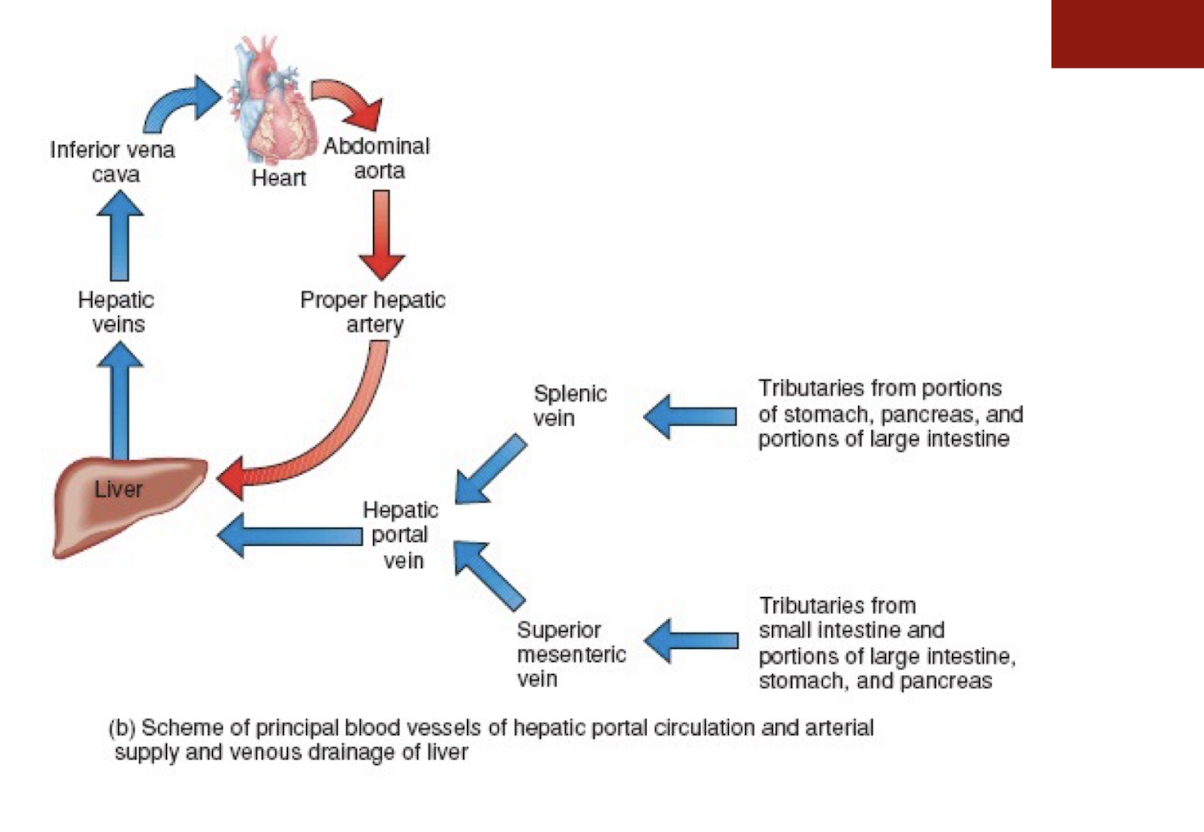
-Circulation in and out of the liver is of major importance to liver function
-80% comes from the portal vein- high in nutrients, low in oxygen
-20% comes from the hepatic artery- rich in oxygen
Functions of the the Liver: Synthesizes/Creates
-Blood protein including albumin
-Clotting factors
-Hormones and growth factors
-Bile: greenish/yellow substance- important for emulsifying fat and absorbing fatty acids from GI tract, makes about 600-800 cc/day
-Phospholipids, cholesterol, and lipoproteins
If the liver fails to synthesize
-levels will be low
-Protein levels down
-Albumin (commonly measured protein) specifically down
-Clotting factors not being produced: without them, clotting times go up because the clotting factors are down
-Not producing enough bile: fat metabolism altered and stools become clay colored
-Another bile produce is that is can’t always get out through a damaged liver
Functions of Liver: Metabolizes (breakdown)
-Bilirubin: yellow substance that causes jaundice
-Drugs
-Alcohol
-Endogenous steroids
-Hormones
-Protein carbohydrates and fats
-Insulin: big deal for someone on an insulin pump, have to be aware of how much insulin is still in the body, will increase in liver or kidney failure
If the liver fails to Metabolize
-Bilirubin does not break down: jaundice
-Drugs not metabolized: levels too high
-Alcohol: same as drugs
-Endogenous steroids and other hormones are not broken down
-Foot metabolism altered
-Insulin: not metabolized so the “insulin on board” is higher and lasts longer
Kuppfer’s cells
-Filter bacteria from the digestive tract
-Able to use phagocytosis to engulf cells, foreign particles, etc.
-They help with immune protection against infection
-Seem to have a function in preventing tumors
-Store hemosiderin (pigment containing iron) from the breakdown of RBCs so it can be used later to make new hemoglobin
The liver stores:
-Minerals and fat-soluble vitamins (A, D, E, K)
-Iron
-Carbohydrates in the form of glycogen
-Glycogen
Functions of the Liver: Other
-Converts ammonia into urea for elimination
Ammonia levels high, affecting mental status
-Glucose homeostasis: during hyperglycemia it pulls glucose from the blood and stores it as glycogen or converts it to fat; during hypoglycemia: glycogenolysis and gluconeogenesis
Hypoglycemia due to liver not performing glycogenolysis or gluconeogeneiss, many have more insulin in the system, Liver may not be storing enough glycogen either, Not converting fats or proteins into glucose when needed
-Converts fats and protein into glucose when needed
-Detoxifies alcohol and other toxins
if Kupffer cells not working, more prone to infections or even tumors
Not properly storing iron, vitamins, etc
(Bullets are if liver failure is happening)
Hepatitis
-Acute inflammation of the liver
Caused by:
-Virus
-Heavy Alcohol use
-Non-alcoholic steatohepatitis (NASH): Metabolic dysfunction-associated steatohepatitis (MASH), Steatosis: fatty liver due to obesity, insulin resistance, etc.
-Bacteria
-Toxic injury
Hepatitis: Pathophysiology
-Inflammatory process damages hepatocytes and Kupffer cells
-Flow of bile into biliary system can be impaired leading to jaundice: Inflammation can prevent bile from getting out of the liver and will back up into portal circulation
-Inflammation can range from mild to severe
-Mild inflammation: minimal liver damage with hepatitis A
-Chronic inflammation associated with hepatitis B and hepatitis C can lead to severe liver damage
Viral Hepatitis
-Inflammation of liver caused by a virus that replicates in the liver indirectly damaging the hepatocytes (A, B, C, D, E, or G)
-Most common types seen in the U.S. are A, B, and C
-Hepatitis A and B are vaccine-preventable and hepatitis C can be cured
Viruses differ from one another in:
-All hepatitis viruses are RNA viruses except hepatitis B which is a DNA virus
-Mode of transmission
-Incubation period
-Severity of liver damage
-Ability to become chronic or develop a carrier state
Stages of Hepatitis
-Preicteric or prodromal phase
-Icteric phase
-Posticteric or convalescent phase
Stages of Hepatitis: Preicteris or prodromal phase
-During the incubation period
-Begins approximately 2 weeks after exposure and ends with the appearance of jaundice
-Malaise, anorexia, fatigue, headache, nausea/vomiting, mild RUQ pain, muscle aches
-Often mistaken for the flu
Stages of Hepatitis: Icteric phase
-Begins with the appearance of jaundice and lasts 2-6 weeks
-Jaundice of the skin, sclera pruritus, clay-colored stools, brown urine, anemia, bleeding tendencies, fatigue, abdominal pain
Stages of Hepatitis: Posticteric or convalescent phase
-Begins with the resolution of jaundice and lasts weeks to months
-Serum bilirubin and enzymes return to normal
-Energy levels increases
-Pain subsides
-Gastrointestinal symptoms resolve
Hepatitis A
-Transmitted by the fecal-oral route via contaminated food or water, direct contact with an infected person
-Incubation period: 2-6 weeks
-Self-limiting with low mortality and rarely develops hepatic failure
-Serologic testing for acute infection: IgM anti-HAV
Elevations in:
-Serum alanine aminotransferase (ALT)
-Aspartate (AST) aminotransferases
-Bilirubin
-Alkaline phosphatase
Hepatitis A: Risk Factors
-Areas of overcrowding
-Poor sanitation
-International travel
-Daycare centers
-Workers who care for those who are institutionalized with developmental disabilities
-Homelessness
-Substance use disorders
-Sexual activity via oral-anal contact or oral intercourse
Hepatitis A: Symptoms
-Low grade fever
-Fatigue, malaise
-Loss of appetite
-Nausea
-Vomiting
-Clay-colored stools
-Arthralgias, myalgias
-Jaundice
-Abdominal pain RUQ or epigastrium
-Dark urine
-Symptoms generally last less than 2 months
-Most people recover with no lasting liver damage
Hepatitis A: Treatment/Prevention
-There are no specific treatments for hepatitis A
-Rest, Adequate nutrition, Fluids, Avoid alcohol, Discontinue any hepato-toxic drugs
-Prevention: Hand-washing, Safe water supply, Proper sewage disposal, Safe sexual practices
-Vaccination- given in 2 doses 6 months apart
-Immune globulin: post exposure in those who are unvaccinated (helps the body by providing antibodies)
-Mortality: 0.5% for those under 40 years of age and 1-2% for those over the age of 40
Hepatitis B
-Transmitted by: Contact with infected blood, body fluids, or contaminated needles; Sexual transmission with an infected partner; Birth to an infected mother; Sharing items such as a razor or toothbrush with an infected person
-10% of those infected with HIV are co-infected with Hepatitis B
-Incubation period: 6-24 weeks
-Hepatitis B can cause: Acute hepatitis B, Acute liver failure, Chronic hepatitis
Hepatitis B: Risk Factors
-Infants born to infected mothers
-Sexual partners of infected persons
-Multiple sexual partners
-Men who have sex with men
-IV drug users
-Household contacts of persons with chronic HBV
-HIV infection
-Healthcare and public safety workers
-Hemodialysis patients
-Residents and staff of facilities for developmentally disabled persons
-Travelers to countries with intermediate or high prevalence of HBV infection
Hepatitis B: Acute
-Most adult cases do not progress to a chronic state
-Patients are infectious in this state
-Can last up to 6 months
Symptoms include:
-Fatigue
-Anorexia, loss of appetite
-Myalgia
-Nausea/vomiting
-Low-grade fever
-Abdominal pain
-Jaundice
-Clay-colored stools
Hepatitis B: Acute causing Acute Liver Failure
-Rapidly progressing
-Within hours, days, or weeks, develop severe, life threatening acute liver failure
-Symptoms: altered mental status, coagulation abnormalities and bleeding, ascites
No specific treatment
-Requires ICU care
-High mortality
-May require a liver transplant
-Fluid and electrolyte balance
-Maintain hemodynamic stability
-Control bleeding
-Monitoring for cerebral edema
Hepatitis B: chronic
-Virus is present for at least 6 months: at risk for cirrhosis and hepatocellular carcinoma
Inactive carrier state
-Person harbors the active virus and is capable of infecting others
-Viral load is low
-No active illness, but can infect others
-Can progress to chronic liver disease
-Acute, chronic and inactive carrier state can all transmit the infection to others
Hepatitis B Treatment
Acute
-No specific treatment
-Supportive care
Chronic
-Antiviral drugs
-First line drugs: Entecavir, tenofovir
-Second line drugs: Adefovir, telbivudine
-Monitoring to detect cirrhosis or hepaticellular carcinoma
Post exposure treatment
-Hepatitis B immune globulin: given after an exposure to prevent a chronic carrier state
Hepatitis B: Prevention
-HBV vaccine 2 doses 1 month apart: some older adults may need a booster
-Safe sexual practices
-Needle safety
Hepatitis C
-Primary worldwide cause of chronic hepatitis, cirrhosis, and liver cancer- hepatocellular carcinoma (HCC)
-Transmission: Sharing of contaminated needles, syringes or other injection drug equipment, Less common: sexual contact with an infected person, birth to an infected mother, needle stick
-Incubation period: 5-12 weeks
-Liver disease related to hepatitis C is the leading indication for liver transplant
-Acute infections with hepatitis C are frequently asymptomatic or mild in nature
-The disease is not recognized until long after the exposure has occurred
-Chronic infection develops in 50-80% of cases
Hepatitis C: Risk factors
-Current or former IV drug users
-Recipients of blood transfusions or donated organs before July 1992
-Long term dialysis patients (and nurses)
-Hemophilia patients
-Healthcare workers
-Persons with known exposures to HCV i.e. accidental needle stick
-HIV infected persons
-Infants born to infected mothers
Hepatitis C: symptoms
-75% have no symptoms with initial infections
-Remaining 25%: Fatigue, loss of appetite, muscle aches, fever, Jaundice
-50-80% develop chronic liver disease
-5-20% develop cirrhosis over a period of 20-30 years
-1-5% will die from cirrhosis or liver cancer
Hepatitis C: Treatments
-Expensive
-No vaccine available for hepatitis C
-Sofosbuvir (Sovaldi) 12 week course
-Ledepasvir/sofosbuvir (Harvoni): 12 week course
-Elbasvir/grazoprevir (Zepatier) 12-16 week courses
-Sofosbuvir/velpatasvir (Epclusa) 12 week courses
-Drugs are generally covered by insurance
Autoimmune hepatitis
-Immune system attacks the liver
-Usually presents as chronic liver disease
-Treat with corticosteroids and immunosuppressants
Alcoholic Hepatitis
-Liver is the primary site for alcohol metabolism
-Causes hepatocyte swelling, lobular inflammation and fibrosis
Treatment
-Alcohol cessation
-Nutritional support, electrolyte replacement
-Vitamins, minerals including folate and thiamine
-Anticipate and treat alcohol withdrawal: WAS protocol
-Frequently presents with and “acute on chronic” picture
-Treatment with corticosteroids is controversial: Prednisolone is preferred
Hepatitis Diagnostic Tests
-Liver enzymes: elevated
-Alkaline phosphate- measure of biliary tract obstruction
-AST, ALT: enzymes released by the liver in response to liver injury
-GGT, GGTP: elevated in increased alcohol intake and in biliary cholestasis
-Serum bilirubin: elevated
-Viral antigens and their specific antibodies: positive
-Liver biopsy: done to evaluate and detect chronic liver conditions
Nursing Management of Hepatitis
-Adequate nutrition small frequent meals high in carbs, and low in fats
-Patient/family education: Hand washing to prevent transmission to others, No sharing of personal hygiene items, Safe sexual practices
-Fatigue can last 3-4 months: rest
-Avoid alcohol
-Avoid hepatotoxic medications and cautious use of acetaminophen
-ICU care for acute liver failure Psychosocial issues
-Social services needed to assist with the cost of meds for tx of Hep. C
Cirrhosis
-A disease characterized by fibrosis of liver tissue, leading to
-Decreased mass
-Impaired liver function
-Altered blood flow through the liver
-Generally considered to be irreversible
Causes of Cirrhosis
-Alcohol related/Laennec’s
-Post hepatic: Hep. B or C
-Hepatic/biliary obstruction: cholangitis
-NASH/MASH
-Cardiac: CHF causing back flow
-Wilson’s disease: rare inherited disorder that causes copper buildup
-Hemochromatosis: rare genetic disorder causing iron buildup
Alcohol and Liver Disease
Alcohol causes:
-A toxic effect on hepatocytes
-Three different liver conditions
Fatty liver
Alcoholic hepatitis
Cirrhosis
-Liver can regenerate even with 75% of the hepatocytes are damaged but continued alcohol ingestion causes inflammation, apoptosis and eventually fibrosis of the liver
Metabolic-Dysfunction Related Steatohepatitis
-Increasing in the U.S. because of increased rates of obesity and poor dietary habits
-Metabolic dysfunction-associated steatotic liver disease (MASLD)
-Non alcoholic fatty liver (NAFL): Liver looks and functions normally except for accumulations of fats within the cells, treated with weight loss, can lead to NASH
-Metabolic dysfunction-associated Steatohepatitis (MASH)
-Non-alcoholic Steatohepatitis (NASH): inflammation and accumulation of fat and fibrous tissue in the liver, Seen in patients with obesity, diabetes, hyperlipidemia and insulin resistance, and Can be seen with certain drugs and toxins: amiodarone, tamoxifen, steroids, estrogens, pesticides

Early Manifestations of Cirrhosis
-Liver enlargement, RUQ tenderness, dull aching pain
-Weight loss, weakness, anorexia
-Bowel function dysfunction: diarrhea or constipation
Late Manifestations of Cirrhosis
-Portal hypertension
-Bleeding, ascites, infertility jaundice
-Anemia, thrombocytopenia, leukopenia
-Neurologic changes
-Increased risk of hepatocellular carcinoma
Pathophysiology of Chronic Liver failure
-Just continues to get worse
-Hepatocytes are gradually destroyed and replaced by fibrous scar tissue
-Fibrotic tissue constricts blood and bile flow through the liver
-Restricted blood flow leads to portal hypertension
-Increased pressure in portal venous system develops
Major Complications of Liver Failure: Portal Hypertensions
Increased portal pressure causes:
-Veins in the esophagus, rectum, and abdomen become engorged
-Increased hydrostatic pressure in the capillaries and in combination with low albumin levels pushes fluid into interstitial spaces
-Can cause backup, slow moving blood through whole portal system
-Varices: backup in esophageal area
-GI bleed
-Ascites: back up in abdomen
Major Complications of Liver Failure: Esophageal Varices
-Pressure from the portal vein is transmitted in a retrograde manner
-Causes the thin veins of the stomach and esophagus to become engorged creating varices
-The increase in pressure can cause these fragile dilated varices/veins to rupture causing a massive upper GI bleed
-Patients with known liver disease should be scoped to be evaluated for the presence of esophageal varices
-Mortality 30-50% with first bleed

Clinical Manifestations of Acute Upper GI Bleeding
-Hematemesis: vomiting blood, bright red or coffee grounds
-Hypovolemic shock: Tachycardia, hypotension, Acute kidney injury: SNS is pushing bloodflow to the vital organs, not the kidney
-Compromised airway
-Altered mental status: Not enough O2 coming to the head
Major Complications of Liver Failure: Ascites
-Third space fluid do to portal hypertension back up
-Increased weight gain, Increased abdominal girth, Abdominal striae
-Distended veins, SOB, Electrolyte imbalance, Fluid wave, Hypokalemia
-Appearance of dehydration, decreased urine output, increase aldosterone
-Accumulation of fluid in the abdominal (peritoneal) cavity
-Portal HTN main cause of ascites
-Increased portal pressure, decreased serum protein and albumin and increased aldosterone contribute to ascites
-Liver can’t metabolize aldosterone
-Vicious cycle: Increased aldosterone, Increased portal pressure, Na and water retention, Decreased albumin
-Movement of fluid from vascular space to peritoneal space causing ascites
Major Complications of Liver Failure: Spontaneous Bacterial Peritonitis
-Passage of bacteria from lumen of GI tract into mesenteric lymph nodes, blood stream peritoneum; impairment of intestinal barrier, likely due to vascular stasis from portal hypertension
-Infection of peritoneal fluid
-Manifestations: Abdominal pain, fever, Increased WBC, Worsening encephalopathy, Cloudy ascites fluid
-Treatment: Antibiotics
Major Complications of Liver Failure:
-Hepatic encephalopathy: not breaking down ammonia
-Hepatorenal syndrome: Renal failure due to liver failure, primary tx at this point= liver transplant, Decreased renal blood flow: part of inflammatory process
-Bleeding: not making clotting factors
-Infections: splenomegaly removes WBCs and RBCs from circulation more than usual
Treatment: Portal Hypertension
-Transjugular intrahepatic portosystemic shunts (TIPS): reduces portal hypertension
-Stent is placed that shunts blood from the portal vein to the hepatic vein
-Shunt relieves pressure in the esophagus and allows better control of fluid with diuretic therapy
-Can be used as a bridge to transplant
-Beta blockers
-Low sodium diet
-Diuretics
Treatments: Ascites
-Diuretics: spironolactone (blocks aldosterone) or furosemide
-Sodium restriction
-Paracentesis: Fluid removal via a pigtail catheter, Treatment for massive ascites resistant to diuretics, Monitor VS while removing fluid
-Culture fluid to r/o SBP
-Administer albumin IV to help maintain intravascular volume
Treatment: GI Bleed
-Maintain BP
-Restore circulating fluid
-Maintain a patient airway
-Restore Hemodynamic Stability: NNS, Hemodynamic monitoring, Packed RBCs, Fresh frozen plasma- clotting factors, Octreotide, Vitamin K
-Multi-lumen nasogastric tube to apply direct pressure on the bleeding varices
-Upper endoscopy: banding, sclerosing agent
Hepatic Encepalopathy
-Accumulation of neurotoxins in the blood can cause cerebral edema; can be life-threatening
-Ammonia: a by-product of protein metabolism contributes to encephalopathy
-Liver is unable to convert ammonia to urea and it accumulates in the blood
-Impaired consciousness and metal status due to accumulation of toxic wastes
-NH3 enters blood stream and causes brain dysfunction
-Increased levels cause mental status changes and profound confusion
-If untreated, it will lead to increased intracranial pressure, cerebral hypoxia, cerebral edema and coma
Hepatic Encepalopathy: Stages
-Stage I: Confused, tremor, slurred speech, impaired decision making
-Stage II: asterixis, drowsy, loss of sphincter control, bizarre behavior
-Stage III: Dramatic confusion, somnolence, obeys simple commands, inarticulate speech
-Stage IV: profound coma
Asterixis
-Intentional flapping tremor
-Shows you have toxins in your system

Treatment of Hepatic Encepalopathy
-Decreased protein in diet
-lactulose (po, ng, or retention enema): changes pH colon and retards growth of ammonia forming bacteria
-Rifaximin: reduces ammonia producing bacteria in the intestinal tract
-Neomycin or metronidazole (second line treatments): reduces ammonia-forming bacteria in the intestinal tract
Bleeding
-Coagulation factors are diminished
-Vitamin K deficiency
-With portal hypertension, spleen enlarges and sequesters WBCs and platelets
-Prolonged PT and elevated INR
Treatment
-Administer vitamin K
-If bleeding occurs, transfuse with packed RBCs, platelets and fresh frozen plasma
Infection/Sepsis
-Ineffective Kupffer cells
-Translocation of intestinal bacteria
-Bone marrow suppression from chronic illness
-Spontaneous bacterial peritonitis
Treatment
-Antibiotics
-Hemodynamic support during sepsis
Hepatorenal syndrome
-Renal failure caused by liver failure
-Exact cause uncertain: Redistribution of blood flow from kidneys, Hypoveolemia secondary to ascites or GI bleed, Sustained renal vasoconstriction
-Normal tubular function and histology
-Treatment: Octreotide, Albumin, Midodrine, Continuous renal replacement therapy (CRRT), Fewer CV and cerebral effects than hemodialysis
-Reverses with transplantation
-Prevention: judicious use of diuretics, replace intravascular fluid loss from ascites
-Poor prognostic sign
Pleural Effusions
-Especially on right
-Diagnosis: CXR- lateral views, Decreased breath sounds
-Treatment: Monitor, Diuretic, Albumin and diuretics, Pigtail catheter
Fluid and Electrolyte Changes
-Diuretic therapy leads to depleted sodium, potassium and acid base imbalances
-Decreased calcium (bound to albumin)
-Ascites formation
-Hypovolemic shock
-Increased aldosterone, decreased potassium
-Treatments: Fluid recitation for shock, Electrolyte replacement, Monitor cardiac rhythm
Manifestations of Liver Failure: Neurological
¡Lethargy
¡AMS
¡Hepatic encephalopathy
¡Evidence of cerebral edema/ increased ICP
¡Coma
¡Asterixis
Manifestations of Liver Failure: Hematologic
¡Bruising or active bleeding
¡Elevated INR
¡Thrombocytopenia
¡Anemia
¡Infection
Manifestations of Liver Failure: Cardiovascular
¡Hypotension
¡Hyper-dynamic circulation
¡Increased cardiac output
¡Tachycardia
¡Bounding pulses
Manifestations of Liver Failure: Respiratory
¡Respiratory failure
¡Risk for acute respiratory distress disorder
¡Pleural effusions
Manifestations of Liver Failure: Gastrointestinal
¡Portal hypertension
¡Ascites
¡Clay colored stools
¡Steatorrhea
¡Varices
¡Spontaneous bacterial peritonitis
Manifestations of Liver Failure: Endocrine
¡Sex hormone abnormalities
¡Men – breast enlargement, testicular atrophy
¡Women – facial hair, amenorrhea
Manifestations of Liver Failure: Genitourinary
¡Excess bilirubin excreted in urine causing urine to become brown
¡Hepatorenal syndrome
Manifestations of Liver Failure: Skin
¡Jaundice
¡Pruritus
¡Spider angioma
¡Palmer erythema
Jaundice
-Bilirubin is concentrated in the blood and is elevated
-Yellowing of skin and sclera
Liver Failure: General Diagnostic Tests
¡CT scan, US
¡Upper or lower endoscopy (EGD)
¡Liver Biopsy: post procedure management
Liver Failure: Lab work
¡Liver enzymes
¡Alkaline phosphate – measure of biliary tract obstruction
¡AST, ALT – enzymes released by the liver in response to liver injury
¡GGT, GGTP – elevated in sustained alcohol use and in biliary cholestasis
¡Measurement of liver function: INR, bilirubin, albumin
¡Hematology: CBC, diff, platelets
¡Serum electrolytes
¡Glucose, NH3, & cholesterol
Nursing Management for Liver Failure
¡Neurological: AMS – hepatic encephalopathy
¡Cardiovascular: Hypotension, tachycardia, Infection, Hypovolemia
¡Respiratory: Respiratory failure, pleural effusions
¡Gastrointestinal: Ascites, abdominal pain, Varices – GI bleeding, Avoidance of hepatotoxic agents
¡Genitourinary - hepatorenal syndrome
¡Bleeding
¡Fluid and electrolyte abnormalities
¡Nutrition: Low protein (with hepatic encepholpathy), Low sodium, Fluid restriction, No alcohol, Supplements, Vitamin D, Calcium, Multivitamin, Folic acid
Medication for Portal Hypertension
-Beta blockers
-Naldolol
Medications for Ascites and Pleural effusions
-Diuretics
-Spironolactone
-Furosemide
Medications for Prevention/treatment of hepatic encephalopathy
-Lactulose
-Neomycin
-Rifaximin
-Metronidazole
Medications for Spontaneous bacterial peritonitis
Antibiotics
Medications for elevated coagulation tests and bleeding
Vitamin K
Medications for Bleeding disorder and FFP pre-procedure
-PRBCs FFP
-Platelets
Medications for Malnutrition
-Vitamins
-Supplements
-Folic acid
-Ferrous sulfate
Medications for treatment/prevention of GI bleeding
-Proton Pump Inhibitors
-H2 blockers
-Octreotide
Acute Liver Failure
¡Onset of coagulopathy and mental status changes within 8-26 weeks of presentation.
¡Rapid development of acute liver injury and loss of hepatic cellular function.
¡Liver enzymes more than 10 times the upper limit of normal
Most common causes of ALF include:
¡Toxins/drugs especially acetaminophen
¡Viral hepatitis (inflammation of the liver)
¡Vascular - hypoperfusion/shock states/ischemic injury
¡Metabolic
¡Wilson's Disease
¡Acute fatty liver of pregnancy
¡Budd-Chiara syndrome (hepatic vein obstruction)
¡Alpha-1 antitrypsin deficiency
Acetaminophen Toxicity
¡Doses of 1-4 grams/day – excellent safety profile
¡But OD can result in fatal or non-fatal hepatotoxicity
¡Effects can be magnified when combined with alcohol
¡Overdose – the normal pathways of metabolism become saturated and a toxic metabolite is produced that causes hepatic injury.
¡N-acetylcysteine (AKA Mucomyst) is the antidote
¡Should be administered within 8-12 hours of ingestion
¡Given as an IV infusion
¡TREAT BASED ON Tylenol LEVELS - - may not have symptoms yet
Manifestations of Acute Liver Failure
¡Impaired bilirubin conjugation
¡Decreased production of clotting factors
¡Decreased glucose synthesis
¡Increased risk of infection
¡Metabolic acidosis
¡Altered carbohydrate, protein and glucose metabolism
¡Decreased lactate clearance
¡Hypoalbuminemia
¡Fluid and electrolyte imbalances
¡Acute portal hypertension
¡Hepatic encephalopathy
¡AKI
¡Cerebral edema
¡Cardiac dysrhythmias
¡Acute respiratory failure
¡Sepsis
¡Prolonged PT, elevated INR
¡Elevated bilirubin,
¡Elevated liver enzymes – asparte aminotransferase (AST), alkaline phosphatase, serum ammonia,
¡ABG – metabolic acidosis and/or respiratory alkalosis
¡Hypoglycemia, hypokalemia, hyponatremia
Acute Liver Failure Nursing Assessment
¡Neurological: Hepatic encephalopathy, Cerebral edema
¡Coagulopathy: Bleeding, Increased INR, Thrombocytopenia
¡Jaundice: Impaired elimination of bilirubin
¡Respiratory: Increased pulmonary vascular resistance
¡Hemodynamic instability: Decreased systemic vascular resistance
¡Infection: Decreased immune function
¡Hypoglycemia: Decreased gluconeogenesis, Decreased uptake of insulin by hepatocytes
¡Acid-Base imbalances: Metabolic acidosis
¡Renal: AKI
Acute Liver Failure Treatments
¡Respiratory support: May require mechanical ventilation
¡Circulatory support: May require vasopressors, fluid management, hemodynamic monitoring
¡Neurological support: Monitoring for increased intracranial pressure, Treatments to decrease ammonia levels
¡Coagulopathy: Vitamin K, platelets, fresh frozen plasma before procedures
¡Gastrointestinal: Stress ulcer prevention, May require enteral feedings
¡Renal support: Volume replacement, Avoidance of renal toxic drugs, Continuous renal replacement therapy
¡Infection: Aseptic technique, Monitor for infection
¡Metabolic support: Treat acid base disorders, Monitor glucose levels, Treat electrolyte disorders
¡Liver Transplant
Patient Education for Patients with Liver Failure
¡Need for continuing health care
¡Recognition of complications
¡Medication compliance
¡Alcohol counseling
¡Dietary modifications
¡Body image changes
¡Evaluation for liver transplant
¡Psychosocial support