new england flora quiz 3
 Call Kai
 Learn
 Practice Test
 Spaced Repetition
 Match
 Flashcards
 Knowt Play
1/73

There's no tags or description
Looks like no tags are added yet.
74 Terms
monocot
flowering plant with embryos that produce only one seed leaf

venation of monocots
veins usually parallel

venation of dicots
veins usually netlike

stems of monocots
vascular bundles usually complexly arranged
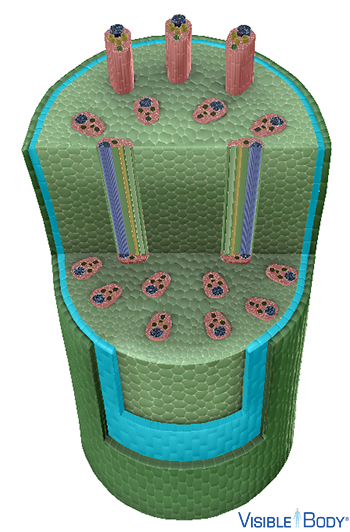
stems of dicots
vascular bundles usually arranged in a ring

flowers of monocots
floral parts usually in multiples of 3
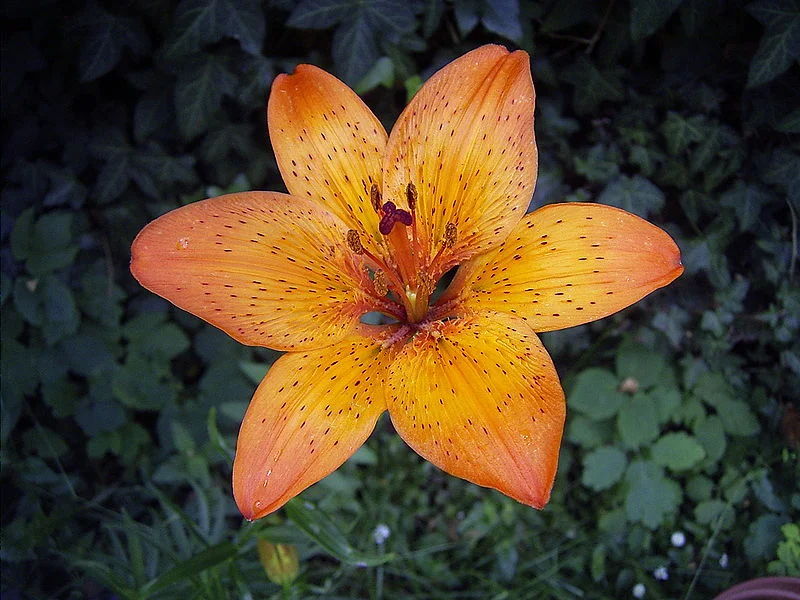
flowers of dicots
floral parts usually in multiples of four or five

what did monocots evolve to have?
fleshy fruit, flowers, and protected seeds
who did monocots evolve from?
cycads and conifers, and ginkgos and gnetophytes
basal
are monocots basal or not to true dicots?
no
are there woody monocots?
when did monocots originate?
early cretaceous
radiated into almost every habitat on earth
three groups of monocots
poaceae (grasses), 315 species i NE
cyperaceae (sedges), 200 species in NE
juncaceae (rushes), 48 species in NE
grass stems
hollow
round or oval cross-section

sedge stem
solid
triangular in cross-section
have edges!

rushes stems
solid or hollow
round in cross-section

grass leaves
open sheaths with ligules (plasticy looking part)

sedge leaves
closed sheaths
usually no ligules

rushes leaves
can or cannot have open sheaths
no ligules

inflorescence of grass
florets grouped into spikelets grouped into spikes or other

perigynium
membrane sac enclosing flower and later fruit (achene) of sedges
modified bracts (attachment point below flower)
fruit of sedges
inflorescence of sedges
perigynia grouped into spikes
utricle
dry, thin-walled one-seeded fruit where mature ovary wall is inflated or easily separable from the seed
homologous with an achene
sometimes synonym of perigynium…
specialized type of achene

caryopsis
grain
fruit of grasses
fruit of rushes
capsule with 3 to many seeds
inflorescence of rushes
capsules grouped into various types of inflorescences
grass and rushes reproductive parts
bisexual (m&f parts on same flower)
sedges reproductive parts
monoecious (a&g on separate flowers on the same plant)
invasive plants
plants that escape cultivation and survive in the wild
non-native species that causes economic or environmental harm, or harm to human health
what percent of imported plants become invasive
less than 1%
consequences of invasive plants
damages to US economy (over $120 billion)
costs of control >$100 million
conservation: rare species of plants and animals put at risk
weeds of commercial crops reduce yield, increase herbicide use
lost land values
where do invasive plants come from?
most from temperate Europe or Asia
some from temperate southern hemisphere
reciprocal: many species native to US invasive in these places
how to control/eradicate invasive plants
weed wrench: physical removal of trees and shrubs
glyphosphate (roundup): chemical control
biological control: animals who will consume them
need to be cautious with this one
unintended consequences of biocontrol agents
control agents shifts to a native host, possibly causing extinction
control agents may outcompete native species for resources
vector for pollen transfer
wind
water
self-pollination
animal pollination
spores
haploid dispersal phase of bryophytes (mosses), lycophytes (clubmosses and relatives), monilophytes (ferns and relatives)
pollen
haploid dispersal phase of gymnosperms (conifers and relatives) and angiosperms (flowering plants)
fertilization of spore dispersing plants
occurs in free-living haploid phase on a separate plantlet
fertilization of gymnosperms
occurs in haploid phase protected by bracts (cones)
fertilization of angiosperms
occurs in haploid phase protected in an ovary
dispersal
movement in space that has the potential to affect gene flow
wind pollination species
conifers (NON flowering plants)
angiosperm trees may be wind or animal-pollinated
grassess, sedges, and some herbaceous plants wind pollinated
characters of wind-dispersed pollen
large amounts produced
pollen grains typically lighter, smaller, not sticky
characters of wind-pollinated flowers
corolla usually reduced or absent
typically monoecious or dioecious (but grasses are bisexual)
water pollination species
a few aquatic species
pollen transported across water surface
characters of water-pollinated plants
occur in some submersed aquatic plants
pollen released at water surface
carpellate flower’s stigma at water surface
pollen floats to stigma
advantages of wind dispersal
reliability
free, no cost
disadvantages of wind dispersal
not targeted
must produce huge amounts of pollen
advantages of animal dispersal
better targeting
less pollen needs to be produced
disadvantages of animal dispersal
reliability (animal populations unstable)
comes with costs (attraction, rewards)
animal pollination
major factor in radiation of angiosperms
radiation of angiosperms - jurassic through cenozoic
coevolution between flowers and pollinators
early flowers radially symmetrical
biolateral symmetry evolved later to better position pollinators
usually considered examples of mutualism (beneficial to both parties), but they are NOT cooperating in sense that their interests don’t align
can provide no reward to lots of reward
orchids and pollination
often deceive pollinators
typically pollinated by bees, wasps, butterflies, or moths
pollinator often species specific
orchid parts
labellum (like stamens)
sepals
column
lateral petals
dorsal sepal

dicot
flowering plant with embryos that produce 2 seed leaves

secondary growth of monocots
absent
secondary growth of dicots
sometimes present
dicots evolution
evolved to have secondary growth
3 groups of angiosperms
basal angiosperms
monocots
dicots
evolution of secondary growth
first appears in gymnosperms
present in some basal angiosperms
absent in monocots and common in eudictos
many dicot families have herbaceous and woody species, therefore secondary growth can be gained/lost easly
lauraceae
basal angiosperms (neither monocots nor dicots)
includes Sassafras and spicebush
what innovation is unique to angiosperms?
flowers
why is there a large discrepancy between the simple and full key?
incidental plants
regionally restricted plants
rare plants
incidental plants
non-native plants collected once
mostly in wool-carding factory dumps
annuals
herbaceous plants with fibrous roots
survive less than 1 year
reproduce by seed only
biennials
herbaceous plants
form vegetative structures in year 1
form reproductive structures year 2
reproduce by seed only
perennials
herbaceous plant
die back to rootstock or rhizome that stores some energy
regenerate aboveground parts every year
may form reproductive structures every year or only hen mature
may also reproduce by vegetative means
plant parasite
parasitic by stealing phloem from a host plant, either its roots or stems
fungal parasite
parasitic by stealing resources from a fungus
hemiparasite
partially parasitic, also does own photosynthesis
holoparasite
completely parasitic, doesn’t have chlorophyll
carnivorous plants
otherwise conventional plants that derive some N from insects or small animals
if enough N in soil, they are not carnivorous
most are specialists of low pH, low-N habitats
herbaceous vs woody angiosperms
herbaceous angiosperms lost ability to grow via lateral cambium
dicot pollen
tricolpate (3 grooves)