8 - accounting analysis
 Call Kai
 Learn
 Practice Test
 Spaced Repetition
 Match
 Flashcards
 Knowt Play
1/128

There's no tags or description
Looks like no tags are added yet.
129 Terms
what are the three major statements in accounting
balance sheet
income statement
cash flow statement
another term for the balance sheet
statement of financial position
3 things in a balance sheet
assets —> what the company owns or is owed
liabilities —> what the company owes
equity —> what’s left for the owners after subtracting liabilities from assets
what is an income statement
shows the company’s income and expenses over a period of time (eg. a year)
determines if the company made a profit or loss in that period
what is a cashflow statement
shows the cash coming into and going out of a company
are profit and cash the same thing
no - a company can make a profit on paper but still struggle to pay its bills if it is owed cash by its customers
show how an income statement and balance sheet would interact using a diagram
.

what is a statutory annual audit
an independent examination of a company’s financial statements where the law requires one
who does a statutory annual audit
an external auditor
what do they check in the audit
the financial statements + supporting evidence to decide whether the statements give a true + fair view
what does every country have in terms of accounting
a GAAP
what is a GAAP
generally accepted accounting principles
what is happening now with GAAPs around the world
being harmonised
who is harmonising these GAAPs
the IASB —> international accounting standards board
what two standards have been issued to harmonise the GAAPs
the international accounting standards
the international financial reporting standards (IFRSs)
who issued the international accounting standards
the IASB’s predecessor, but they have been retained by the IASB
who issued the IFRSs
the IASB
who are IFRSs not really applicable
small little priv companies since they don’t have to present accounts
which country still retains it’s own GAAP
the US
its called US GAAP
what two parts make up a group
parent company
subsidiary company
what is goodwill
the difference between what something is worth on paper and what u paid (so when u over pay for something)
why would someone overpay for something
branding/reputation
expertise + skill
what is in place to protect the interests of those who overpaid
’lock in periods’
what are lock in periods
where key members of staff have to stay for a set amount of time bc if u paid goodwill for their expertise and they leave it would be pointless
what is minority interest
the part of a subsidiary company that belongs to shareholders outside the parent company
another term for minority interest
non-controlling interest
what two parts make up minority interest
net assets and net income that belong to the non controlling interest in a group
two places where you will find minority interest
consolidated balance sheet
consolidated income statement
what is the accountant’s equation
NCA + CA = SHF + NCL + CL
NCA —> non current assets
CA —> current assets
SHF —> shareholders’ funds
NCL —> non-current liabilities
CL —> current liabilities
what are NCA and CA together
total assets
what are SHF and NCL and CL together
sources of finance
so what is the equation essentially saying
what the business has = how it paid for them
non current things are usually held for…
…more than a year
current things are usually held for…
…less than a year
two sides of a balance sheet
assets
equity + liabilities
and they should balance to 0
two parts of the assets side of the balance sheet
non current assets
current assets
3 parts to non current assets
property, plant + equipment (tangibles)
intangible assets
investments
4 parts to current assets (in order)
inventories (aka stock)
trade + other receivables (eg. debtors, short term investments)
prepayments
cash
how is this list of current assets sorted
from lowest to highest liquidity
what can happen to assets (2 things)
they can depreciate and amortise
what is depreciation
the loss of value of capital over time
what is straight line depreciation
it means the same amount is deducted every year
formula for straight line depreciation
cost = how much u paid for it
disposal value = final value
useful life = time taken to get to that value
so your answer will be how much value is lost per year basically

what is book value
the value recorded in the company’s accounts after however much depreciation has taken place by that year
what is freehold land
land the owner holds with ownership that doesn’t expire after a fixed lease period
why does freehold land not depreciate
land is considered to have an unlimited useful life
but can land loes value
yes but this is not the same thing as routine depreciation
would the buildings on the land depreciate
yes because they have a limited useful life
what is amortisation
similar to depreciation but for intangible assets
examples of things that could ammortise
patents
software
copyrights
certain licences
so what would be the amortisation per year if a company buys software for £12000 for example and expects to use it for 4 years with no disposal value
.

3 parts to the equity + liabilities side of the balance sheet
capital + reserves (equity - aka shareholder funds)
non-current liabilities
current liabilities
5 parts to capital + reserves
share capital - ordinary shares
share capital - preference shares
share premium account
revaluation reserve
retained earnings
what are the two uses of the share premium account
scrip issues
write off startup costs
two parts to non current liabilities
bank loans
provisions
1 part to current liabilities
trade + other payables
on an income statement, how do we know whats positive and what’s negative
positve = normal
negative = brackets around it
how does an income statement start
positive, with revenue
what happens after revenue
take away cost of sales
so you remain with gross profit
what happens after gross profit
take away distribution costs
take away admin expenses
so you remain with operating profit
what’s another term for operating profit
PBIT or EBIT:
profit/earnings before interest + tax
what comes after operating profit
take away financial costs
add financial income
so you remain with profit before taxation
what do you do with profit for taxation
this is the ‘profit’ you submit for a tax return
so what happens after profit for taxation
take away tax
so you remain with net income
what is net income
final earnings
what can you do with net income if you want
divide it by number of ordinary shares, to get earnings per share
then what two things can you pay after tax (not on income statement tho)
preference dividends
minority interest
what is the difference between capital and revenue expenditure
capital is covered on balance sheet
revenue is covered on income statement
what requires cashflow statements
IAS 7 (international accounting standards)
4 parts of a statement of cashflows
operating activities —> cash from running the biz
investing activities —> cash spent on or received from investments
financing activities —> cash involving owners + lenders
final cash balance —> combination of all 3 sections
positive parts of operating activities
cash receipts from customers
cash generated from operations
negative parts of operating activities
cash paid to suppliers + employees
tax paid
interest paid
positive parts of investing activities
interest received
dividends received
proceeds on sale of investments
negative parts of investing activities
purchase of plant, property + equipment
positive parts of financing activities
proceeds on issue of shares
negative parts of financing activities
dividends paid
repayments of borrowings
so then what do you call the column that has all three combined together
‘net increase in cash and cash equivalents’
then what column comes below the one with all three combined
cash and cash equivalents at the beginning of the year
so what is the last row and what does it entail
‘cash and cash equivalents at the end of the year’
you add together the net increase one and the beginning of the year one

what are two measures of ‘free cash flow’
enterprise cash flow
equity cash flow
what is enterprise cash flow
free cash flow before considering any financing costs
what is equity cash flow
free cash flow to the equity shareholders, so after finance costs to lenders but before dividend payments
9 things that are contained within an annual report/auditor’s report
DoGS SNIFSS
directors’ remuneration
governance report
strategic report
stakeholder review
notes to the accounts
independent auditors’ report
financial review
sustainability report
shareholder information
directors’ remuneration
ensuring alignment with stakeholders, particularly shareholders
governance report
audit committee
responsible and effective management
strategic report
company current + future strategy
stakeholder report
how company is looking after stakeholder interests eg. SRI
what is SRI
socially responsible investing
notes to the accounts
supporting detail where necessary - stock splits, etc
independent auditor’s report
opinion on whether the financial statements are:
properly prepared
true and fair
two outcomes for an auditors report
unqualified (clean) —> found no issues
qualified (modified) —> found issues
financial review
CFO report on performance (accounting ratios, etc)
key risks facing the business
sustainability report
environmental impacts
community investment
shareholder information
summary of info likely to be of interest to shareholders:
share price
dividend history
etc
what is ROCE
return on capital employed
ROCE formula
.
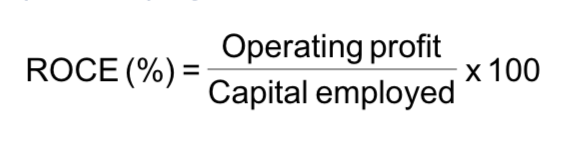
what is capital employed
equity/SHF represented by issued share capital
and
debt/long-term liabilities of the company
profit margin formula
note whether the question asks you for gross or operating!!

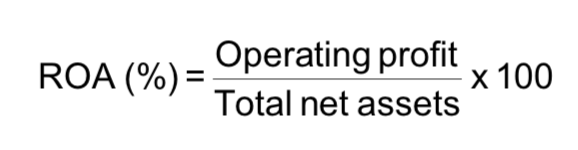
what is ROA
return on assets
ROA formula
.