Unit 2 Vocabulary
 Multiple Choice & FRQ
 Call Kai
1/50

Earn XP
Name | Mastery | Learn | Test | Matching | Spaced | Call with Kai | Chat |
|---|
No analytics yet
Send a link to your students to track their progress
51 Terms
Population Distribution
The pattern of human settlement-the spread of people across the earth.
Arithmetic Population Density
Dividing a region's population by its total area.
Physiological Population Density
Dividing population by the amount of arable land, or land suitable for growing crops.
Arable
Land suitable for growing crops.
Agricultural Population Density
Compares the number of farmers to the area of arable land.
Redistricting
Boundary adjustments.
Infrastructure
The facilities and structures that allows people to carry out their typical activities.
Carrying Capacity
The number of people a region can support without damaging the environment.
Population Pyramid
Although this tool is based only on age and gender data, it can provide information on birth rates, death rates, how long people live on average, and economic development.
Cohort
The vertical axis shows age groups.
Dependency Ratio
The comparison between the size of these two groups (potential workforce and dependent population).
Immigrants
People who moved into the country.
Emigrants
People who moved out of the country.
Crude Birth Rate (CBR)
The number of live births per year for each 1,000 people.
Total Fertility Rate (TFR)
The average number of children who would be born per woman of childbearing years in a country.
Life Expectancy
The average number of years people live.
Infant Mortality Rate (IMR)
The number of children who die before their first birthday.
Crude Death Rate (CDR)
Deaths per year per 1000 people.
Rate of Natural Increase (RNI) / Natural Increase Rate (NIR)
The percentage at which a country's population is growing or declining, without the impact of migration.
Population Doubling Time
For any quantity growing exponentially, the time it takes to double in size.
Demographic Transition Model (DTM)
Shows five typical stages of population change that countries experience as they modernize.
Epidemiological Transition Model (ETM)
This model is an extension of the demographic transition model and explains the changing death rates and more common causes of death within societies.
Malthusian Theory
Since population would grow faster than food production, the world's population would soon be unsupportable or referred to by Malthus as overpopulation.
Neo-Malthusians
Those who still accept Malthusian’s fundamental premise as correct today.
Anti-natalist Policies
These policies attempt to decrease the number of births in a country and are often used by developing countries.
Pro-natalist Policies
Programs designed to increase the fertility rate.
Migration
The permanent or semipermanent relocation of people from one place to another.
Voluntary Migration
Movement made by choice.
Push Factor
Negative circumstances, events, or conditions present where they live that compels a person to leave.
Pull Factor
Positive conditions and circumstances.
Migration Transitional Model
Countries in Stages 2 and 3 of the demographic transition model experience rapid population growth and overcrowding.
Intervening Obstacles
Barriers that make reaching their desired destination more difficult. These obstacles might be political, such as laws restricting immigration and border patrols.
Intervening Opportunities
Migrants may also encounter opportunities en route that disrupt their original migration plan.
Distance Decay
The further apart two places are, the less likely it is that people will migrate between those places.
Gravity Model of Migration
The model assumes that the size and distance between two cities or countries will influence the amount of interactions that include migration, travel, and economic activity.
Rural to Urban Migration
Because of the Industrial Revolution, rural areas needed fewer laborers on farms, and cities needed more people to work, first in factories and then in offices.
Forced Migration
Migration that is involuntary, meaning migrants have no choice but to move.
Internally Displaced Persons (IDPs)
If these migrants move to another part of the same country. This is involuntary.
Refugee
Forced migrants who cross international borders.
Asylum
Protection granted by one country to an immigrant from another country who has a legitimate fear of harm or death if he or she returns.
Internal Migration
Movement that occurs within a country.
Transitional Migration
People move from one country to another, or internationally rather than internally.
Chain Migrants
When people migrate to and settle in a new country, they often decide to locate in a city or community where others from their home country, family members, friends, or those from thier culture group have previously settled.
Guest Workers
Transnational migrants who relocate to a new country to provide labor that isn't available locally.
Transhumance
The process of herders moving with their animals to different pastures during different seasons.
Xenophobia
A strong dislike of people of another culture.

Remittances
Money sent to their family and friends in the country they left.

Brain Drain
When migration out of a country is made up of many highly skilled people.
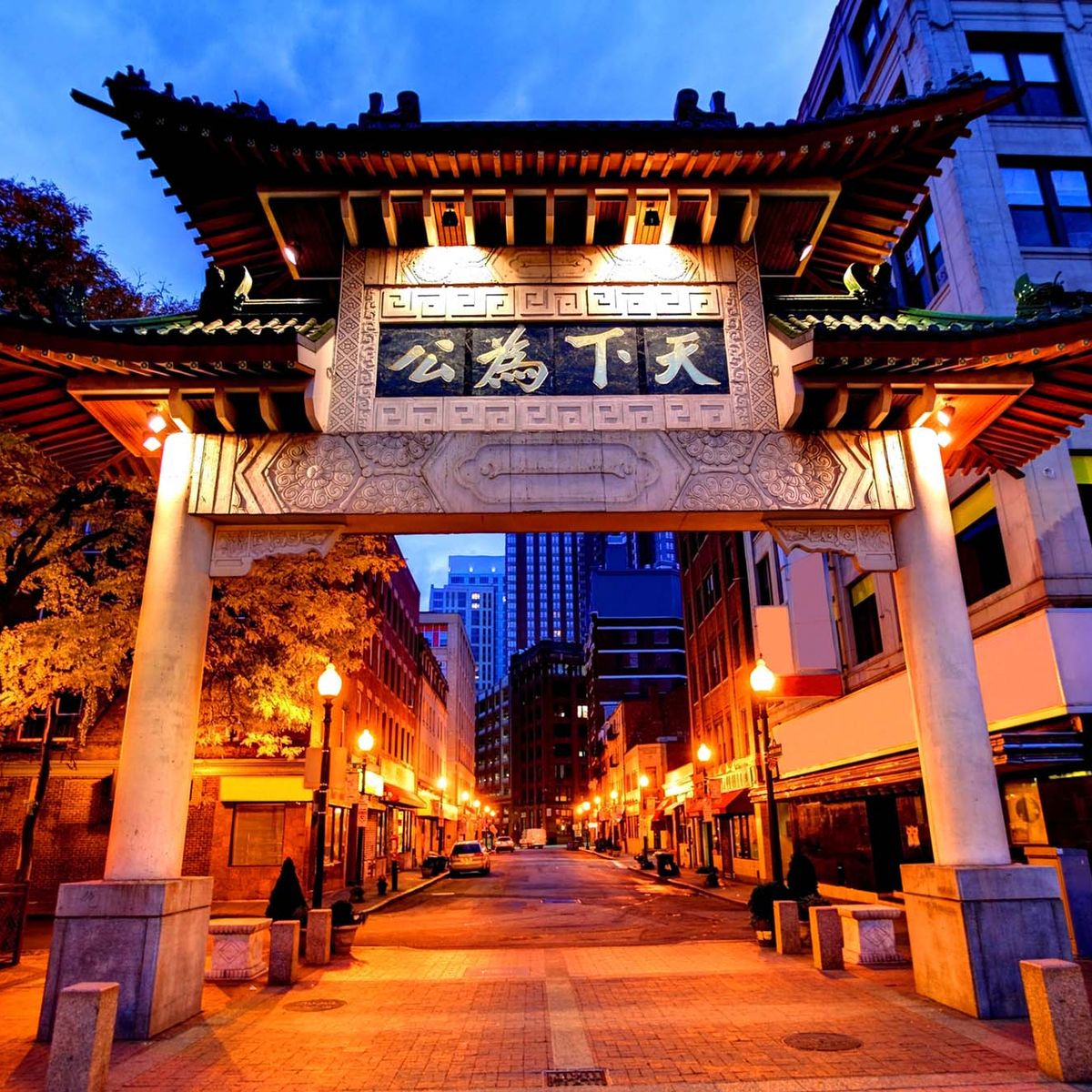
Ethnic Enclaves
Neighborhoods filled primarily with people of the same ethnic group.

Least Developing Country (LDC)
Indicated by a high number of farmers when using APD (Agricultural Population Density). Low-income nations designated by the United Nations as facing severe structural barriers to sustainable development. Less technologically advanced leading to more physical workers.

Most Developed Country (MDC)
Indicated by a low number of farmers when using APD (Agricultural Population Density). A sovereign state with a highly mature economy, advanced technological infrastructure, and a high standard of living for its citizens. More technologically advanced leading to less physical workers.